

Close Menu
Healthtost
  • News
  • Mental Health
  • Men’s Health
  • Women’s Health
  • Skin Care
  • Sexual Health
  • Pregnancy
  • Nutrition
  • Fitness
  • Recommended Essentials
What's Hot

Identifying the ages at which Alzheimer’s biomarkers change sharply

May 1, 2026

Boost erectile health and confidence

May 1, 2026

5 things you need for the third trimester

May 1, 2026
Facebook X (Twitter) Instagram
  • About Us
  • Contact Us
  • Privacy Policy
  • Terms and Conditions
  • Disclaimer
Facebook X (Twitter) Instagram
Healthtost
SUBSCRIBE
  • News

    Identifying the ages at which Alzheimer’s biomarkers change sharply

    May 1, 2026

    Timing of food may shape how T cells respond to infection and therapy

    May 1, 2026

    UCLA researchers build programmable artificial organs using RNA

    April 30, 2026

    Sapio Sciences brings Claude Cowork to the lab

    April 30, 2026

    Research shows women are confused about when to start mammograms

    April 29, 2026
  • Mental Health

    What animal studies teach us about toxic work environments

    April 27, 2026

    I hate hope: How to manage hope when you have treatment-resistant bipolar disorder

    April 19, 2026

    Rose Byrne is raw, magnetic and unfiltered as a woman in crisis

    April 18, 2026

    Can a single mother change her child’s surname in India?

    April 16, 2026

    Is it anxiety or OCD? 2 psychology experts explain the difference

    April 14, 2026
  • Men’s Health

    3 Day Home Workout Plan: Build Muscle and Burn Fat

    April 30, 2026

    GLP-1 drugs promise broader health benefits, but experts advise caution on use

    April 28, 2026

    Trauma patients recover faster when medical teams know each other well, new study finds

    April 28, 2026

    I did red light therapy for 3 months so I shouldn’t have

    April 27, 2026

    Sex Secrets for Men Over 40: Surviving Male Menopause

    April 27, 2026
  • Women’s Health

    What is the difference between UVA and UVB rays?

    May 1, 2026

    Are you a fungus fanatic? We unpack the nutritional trend of mushroom mania

    April 29, 2026

    What the Patients’ Bill of Rights Could Mean for Black Women

    April 29, 2026

    Navigating sexual health during and after cancer

    April 28, 2026

    Do tampons break the hymen? Facts, Myths and What You Need to Know – Vuvatech

    April 27, 2026
  • Skin Care

    What happens to your skin while you sleep? (the science of “Beauty Sle

    May 1, 2026

    Face Peeling Mask Guide: Shine Without Irritation

    April 28, 2026

    Is your moisturizing face mist really drying out your skin?

    April 28, 2026

    Uses and Benefits of TNW Natural Aloe Vera Face Gel – The Natural Wash

    April 27, 2026

    Our strongest retina serum yet – Tropic Skincare

    April 27, 2026
  • Sexual Health

    Boost erectile health and confidence

    May 1, 2026

    Judicial Restrictions on Abortion COVID-19 < SRHM

    April 30, 2026

    Can herpes affect fertility?

    April 29, 2026

    The Importance of Personalized Care in Medication Assisted Therapy (MAT) Programs I Novus

    April 28, 2026

    Your favorite mold is lying to you (a little) — Sexual Health Alliance

    April 28, 2026
  • Pregnancy

    5 things you need for the third trimester

    May 1, 2026

    Eating disorders in pregnancy and breastfeeding: Why “healthy eating” is not always easy

    May 1, 2026

    Comprehensive yoga for pregnancy, birth and beyond

    April 29, 2026

    Midwifery and Life – The postnatal health check New mums don’t know they can ask for

    April 28, 2026

    Epidural and unmedicated delivery with two different deliveries

    April 26, 2026
  • Nutrition

    How to create a self-care plan when you’re stressed

    May 1, 2026

    I answer the most HOT Questions about Fatty Liver

    April 29, 2026

    Why You’re Not Losing Weight After 35 (Even When You Eat Less)

    April 28, 2026

    Where to eat in London

    April 27, 2026

    Dr. Will Cole on Why Hire FDN Professionals

    April 26, 2026
  • Fitness

    A Hike Leader’s Must-Have Kit

    April 30, 2026

    Menopausal Hair Loss Solutions: 10 Expert Tips

    April 29, 2026

    Identity Inversion: Part 1 – Ben Greenfield Life

    April 29, 2026

    How to improve accessibility in your gym

    April 28, 2026

    Can a 10-minute workout really change your health?

    April 27, 2026
  • Recommended Essentials
Healthtost
Home»Women's Health»Who can be called a “professional”? Student Loan Policy and the Future of Black Women in Nursing
Women's Health

Who can be called a “professional”? Student Loan Policy and the Future of Black Women in Nursing

healthtostBy healthtostFebruary 21, 2026No Comments5 Mins Read
Facebook Twitter Pinterest LinkedIn Tumblr Reddit WhatsApp Email
Who Can Be Called A "professional"? Student Loan Policy And
Share
Facebook Twitter LinkedIn Pinterest WhatsApp Email

A recent federal proposal would limit student loan borrowing for certain advanced degrees, including nursing, by redefining which programs qualify as “professional” degrees. If finalized, the change could significantly reduce access to federal loan support for students pursuing advanced nursing credentials.

At first glance, this may sound like a technical budget adjustment. In fact, it is a workforce policy. It is a stock policy. And it’s a black women’s health policy.

Black women are overrepresented in nursing and other health service professions. These careers are not just jobs. They are pillars of our health system and lifelines in our communities. Restricting access to loans for these degrees will not only affect individual students. It would shape who enters the health care workforce for decades.

The student’s perspective: This is not theoretical

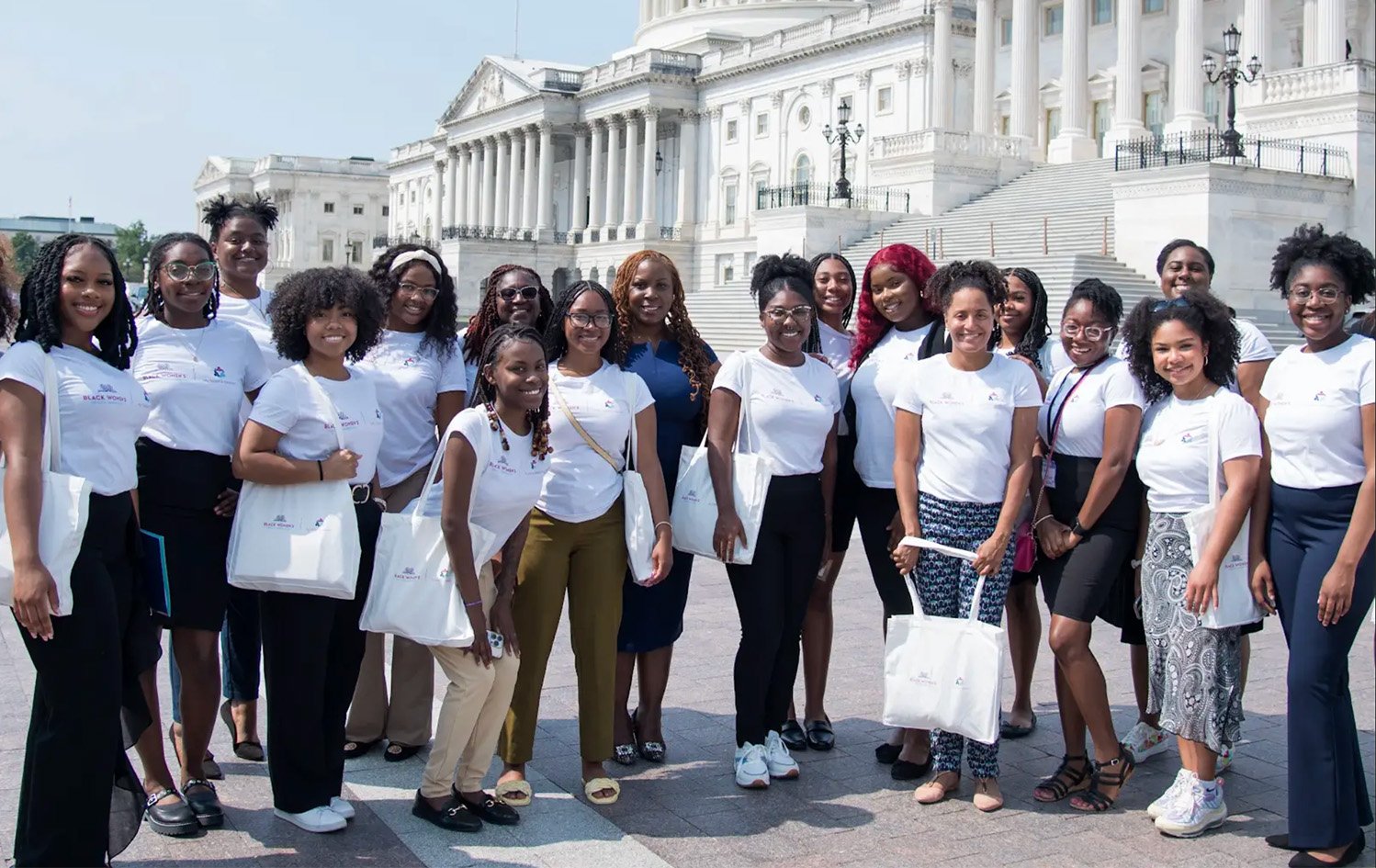
Students from My Sister’s Keeper chapters across the country are watching closely.

Breanna Irving, a Howard University student in the class of 2028, puts it plainly:

“It’s not only an attack on my financial stability, but it feels like a deliberate attack on the social mobility and professional respect of black women. Nursing has never been a particularly glorified field, and nurses already face frequent disrespect from the very patients we care for. Using politics to further institutionalize this marginalization is an abuse of power.

Her words underscore a deeper concern. When nursing is treated as less than “professional” in policy language, it reinforces long-standing patterns of devaluation of feminized and caring work.

Samantha Wigginton, a nursing student at an HBCU, frames it with both history and aspiration:

“As a black woman at an HBCU pursuing nursing, federal aid isn’t extra support for me, it’s what makes my education and my ability to serve others possible. Nursing is the backbone of health care and essential to how our society functions. We were called heroes during COVID, but now careers are built on years of sacrifice, sleep and sacrifice. ‘professional.’ If Superman needed a degree, he’d probably be told he wasn’t a “professional” either.

Her statement reflects a contradiction that many in the field recognize. During the height of the pandemic, nurses were hailed as heroes. Now, federal definitions may be quietly undermining the very path that makes it possible to enter the profession.

London Johnson, trained in health education and entering public health, highlights the broader pipeline:

“As someone who trained in health education and entered public health, I see education as the conduit to healthier communities. Limiting loan support for service-related degrees sends the message that these careers are less valued, even though society depends on them. The result will not just be fewer students, but fewer nurses, educators and advocates who choose to care for others.”

And Imani Hill speaks directly to representation:

“This proposed change is troubling because federal loans make it possible for many of us to pursue demanding health care degrees. If nursing is no longer considered a professional degree and loan limits are lowered, it could create serious financial barriers that discourage black students from entering key fields like nursing. At a time when there is a shortage of jobs, representation and service to my community.”

These are not isolated concerns. They are signals.

Because this matters for health equity

Black women have disproportionate student loan debt. We are also more likely to serve in frontline care and health roles. Policies that limit borrowing for advanced degrees in nursing and related professions may:

  • Reduce entry into advanced practice roles
  • Limit healthcare leadership pipelines
  • Slow progress toward workforce diversity
  • Exacerbating provider shortages in underserved communities

This directly intersects with BWHI’s policy pillar of workforce equity and access to health. A diverse, well-supported health workforce is not optional. It is fundamental to improving maternal health outcomes, chronic disease management and community trust.

If fewer black women can afford to pursue advanced nursing degrees, communities already experiencing provider shortages may see those gaps widen.

The Biggest Question

This discussion is ultimately about more than loan limits. It has to do with how we define professional value. Who gets institutional recognition? Whose work is seen as specialized and worthy of investment.

If policy reclassifies nursing in ways that limit economic access, it sends a strong message about whose experience counts.

We believe federal policy should expand pathways to essential health professions, not limit them. The future of black women’s health depends on it.

Our My Sister’s Keeper students are preparing to lead in healthcare, public health and education. The question before politicians is simple: will we invest in them or put new obstacles in their way?

Call to Action — Public Comment Period

Right now, the US Department of Education has released a proposed rule that would implement major changes to federal student loan programs, including defining degrees that qualify for higher loan limits. This public comment period is your opportunity to make your voice heard directly with policymakers before the rule is finalized.

Public comment is open until March 2, 2026.
You may submit your comments electronically through the Federal eRulemaking Portal at with the search Docket ID: ED–2026–OPE–0001 in the “Redesigning and Improving Student Education” section.

Students, graduates, healthcare professionals, educators and communities disproportionately affected by these changes — now is the time to tell your story and explain why access to federal student loan support for nursing and other essential health degrees matters.

Black called future Loan Nursing Policy Professional Student women
bhanuprakash.cg
healthtost
  • Website

Related Posts

What is the difference between UVA and UVB rays?

May 1, 2026

Research shows women are confused about when to start mammograms

April 29, 2026

Are you a fungus fanatic? We unpack the nutritional trend of mushroom mania

April 29, 2026

Leave A Reply Cancel Reply

Don't Miss
News

Identifying the ages at which Alzheimer’s biomarkers change sharply

By healthtostMay 1, 20260

New research highlights the ages at which Alzheimer’s-related brain changes accelerate, offering critical clues about…

Boost erectile health and confidence

May 1, 2026

5 things you need for the third trimester

May 1, 2026

How to create a self-care plan when you’re stressed

May 1, 2026
Stay In Touch
  • Facebook
  • Twitter
  • Pinterest
  • Instagram
  • YouTube
  • Vimeo
TAGS
Baby benefits body brain cancer care Day Diet disease exercise finds Fitness food Guide health healthy heart Improve Life Loss Men mental Natural Nutrition Patients Pregnancy protein research reveals risk routine sex sexual Skin Skincare study Therapy Tips Top Training Treatment ways weight women Workout
About Us
About Us

Welcome to HealthTost, your trusted source for breaking health news, expert insights, and wellness inspiration. At HealthTost, we are committed to delivering accurate, timely, and empowering information to help you make informed decisions about your health and well-being.

Latest Articles

Identifying the ages at which Alzheimer’s biomarkers change sharply

May 1, 2026

Boost erectile health and confidence

May 1, 2026

5 things you need for the third trimester

May 1, 2026
New Comments
    Facebook X (Twitter) Instagram Pinterest
    • About Us
    • Contact Us
    • Privacy Policy
    • Terms and Conditions
    • Disclaimer
    © 2026 HealthTost. All Rights Reserved.

    Type above and press Enter to search. Press Esc to cancel.