

Close Menu
Healthtost
  • News
  • Mental Health
  • Men’s Health
  • Women’s Health
  • Skin Care
  • Sexual Health
  • Pregnancy
  • Nutrition
  • Fitness
  • Recommended Essentials
What's Hot

If you can still do these 7 things at 60, your body is aging better than most

May 2, 2026

AI scribes save doctors time, but fail to reduce overtime

May 2, 2026

Every mental health journey starts with being seen

May 2, 2026
Facebook X (Twitter) Instagram
  • About Us
  • Contact Us
  • Privacy Policy
  • Terms and Conditions
  • Disclaimer
Facebook X (Twitter) Instagram
Healthtost
SUBSCRIBE
  • News

    AI scribes save doctors time, but fail to reduce overtime

    May 2, 2026

    Identifying the ages at which Alzheimer’s biomarkers change sharply

    May 1, 2026

    Timing of food may shape how T cells respond to infection and therapy

    May 1, 2026

    UCLA researchers build programmable artificial organs using RNA

    April 30, 2026

    Sapio Sciences brings Claude Cowork to the lab

    April 30, 2026
  • Mental Health

    Every mental health journey starts with being seen

    May 2, 2026

    What animal studies teach us about toxic work environments

    April 27, 2026

    I hate hope: How to manage hope when you have treatment-resistant bipolar disorder

    April 19, 2026

    Rose Byrne is raw, magnetic and unfiltered as a woman in crisis

    April 18, 2026

    Can a single mother change her child’s surname in India?

    April 16, 2026
  • Men’s Health

    3 Day Home Workout Plan: Build Muscle and Burn Fat

    April 30, 2026

    GLP-1 drugs promise broader health benefits, but experts advise caution on use

    April 28, 2026

    Trauma patients recover faster when medical teams know each other well, new study finds

    April 28, 2026

    I did red light therapy for 3 months so I shouldn’t have

    April 27, 2026

    Sex Secrets for Men Over 40: Surviving Male Menopause

    April 27, 2026
  • Women’s Health

    What is the difference between UVA and UVB rays?

    May 1, 2026

    Are you a fungus fanatic? We unpack the nutritional trend of mushroom mania

    April 29, 2026

    What the Patients’ Bill of Rights Could Mean for Black Women

    April 29, 2026

    Navigating sexual health during and after cancer

    April 28, 2026

    Do tampons break the hymen? Facts, Myths and What You Need to Know – Vuvatech

    April 27, 2026
  • Skin Care

    The truth about waterless care: What your skin really needs

    May 2, 2026

    What happens to your skin while you sleep? (the science of “Beauty Sle

    May 1, 2026

    Face Peeling Mask Guide: Shine Without Irritation

    April 28, 2026

    Is your moisturizing face mist really drying out your skin?

    April 28, 2026

    Uses and Benefits of TNW Natural Aloe Vera Face Gel – The Natural Wash

    April 27, 2026
  • Sexual Health

    Boost erectile health and confidence

    May 1, 2026

    Judicial Restrictions on Abortion COVID-19 < SRHM

    April 30, 2026

    Can herpes affect fertility?

    April 29, 2026

    The Importance of Personalized Care in Medication Assisted Therapy (MAT) Programs I Novus

    April 28, 2026

    Your favorite mold is lying to you (a little) — Sexual Health Alliance

    April 28, 2026
  • Pregnancy

    5 things you need for the third trimester

    May 1, 2026

    Eating disorders in pregnancy and breastfeeding: Why “healthy eating” is not always easy

    May 1, 2026

    Comprehensive yoga for pregnancy, birth and beyond

    April 29, 2026

    Midwifery and Life – The postnatal health check New mums don’t know they can ask for

    April 28, 2026

    Epidural and unmedicated delivery with two different deliveries

    April 26, 2026
  • Nutrition

    How to create a self-care plan when you’re stressed

    May 1, 2026

    I answer the most HOT Questions about Fatty Liver

    April 29, 2026

    Why You’re Not Losing Weight After 35 (Even When You Eat Less)

    April 28, 2026

    Where to eat in London

    April 27, 2026

    Dr. Will Cole on Why Hire FDN Professionals

    April 26, 2026
  • Fitness

    If you can still do these 7 things at 60, your body is aging better than most

    May 2, 2026

    A Hike Leader’s Must-Have Kit

    April 30, 2026

    Menopausal Hair Loss Solutions: 10 Expert Tips

    April 29, 2026

    Identity Inversion: Part 1 – Ben Greenfield Life

    April 29, 2026

    How to improve accessibility in your gym

    April 28, 2026
  • Recommended Essentials
Healthtost
Home»Mental Health»What is medication therapy?
Mental Health

What is medication therapy?

healthtostBy healthtostFebruary 17, 2026No Comments5 Mins Read
Facebook Twitter Pinterest LinkedIn Tumblr Reddit WhatsApp Email
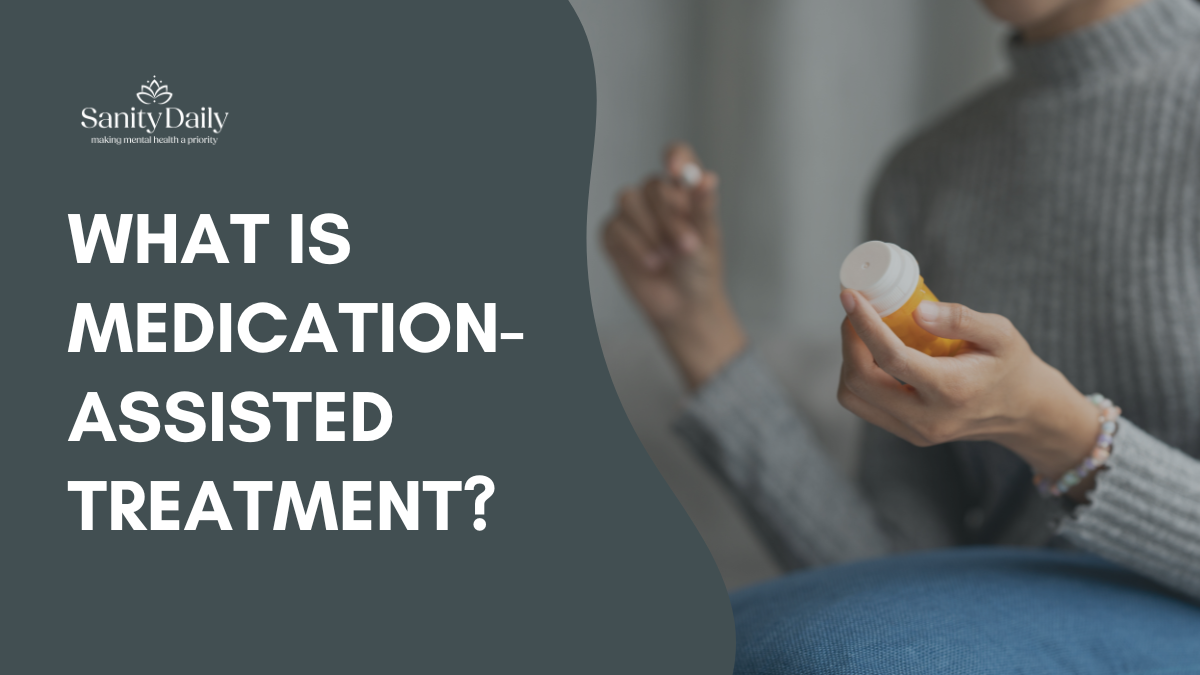
What Is Medication Therapy?
Share
Facebook Twitter LinkedIn Pinterest WhatsApp Email

Addiction to opioids it can feel overwhelming for you and the people who care about you. Cravings can be intense, withdrawal can be painful, and relapse can occur even when motivation is strong. If you’ve tried to quit smoking before, you may be wondering if there’s a safer, more effective way to recover. This is where medication assisted therapy (MAT) comes in.

MAT is an evidence-based approach to opioid addiction treatment that combines FDA-approved medications with treatment and support. It’s not about replacing one addiction with another. It’s about giving your brain and body the stability they need to heal. This article explains what MAT is, how it works and who it may be suitable for.

What is Medication Assisted Therapy (MAT)?

Medication-assisted treatment is a treatment approach for opioid use disorder that uses medication alongside counseling and behavioral therapy. According to the Substance Abuse and Mental Health Services Administration (SAMHSA), MAT is one of the most effective treatments for opioid addiction when combined with therapy. MAT treats opioid addiction as a medical condition, not a moral failing. MAT helps with:

  • Reduction of withdrawal symptoms
  • Decreased cravings
  • Stabilizing brain chemistry
  • Reducing the risk of relapse and overdose

Why is opioid addiction so difficult to treat without support?

Opioids change the way the brain regulates pain, pleasure and stress. Over time, the brain becomes dependent on opioids just to feel normal. These symptoms are often severe enough to lead to a relapse. MAT helps reduce these symptoms so recovery becomes more manageable. When opioid use is stopped suddenly, the body reacts strongly. Withdrawal symptoms may include:

  • Muscle pains
  • Nausea and vomiting
  • Diarrhea
  • Anxiety or panic
  • Insomnia
  • Intense longing

Common drugs used in MAT

Several drugs are used in MAT. Each works differently and the right choice depends on your needs, history and recovery goals.

Suboxone (Buprenorphine/Naloxone)– Suboxone is one of the most commonly used MAT medications. Suboxone has a “ceiling effect,” meaning that higher doses do not increase euphoria, making it safer than full opioids. How it works:
– Buprenorphine partially activates opioid receptors
– Reduces cravings and withdrawal without causing a full opioid high
– Naloxone helps prevent misuse

Methadone -Methadone is a long-acting opioid drug that has been used for decades. Methadone can be especially helpful for people with long-term or severe opioid addiction. How it works:
– Fully activates opioid receptors in a controlled dose
– Prevents withdrawal and cravings
– Must be taken under strict medical supervision

Vivitrol (Naltrexone)– Vivitrol is an opioid-free option given as a monthly injection. Vivitrol can be a good option for people who want an opioid-free approach to MAT. How it works:
– Completely blocks opioid receptors
– Prevents opioids from producing euphoria
– Requires full detox before starting

Are MATs really effective? According to the National Institute on Drug Abuse (NIDA), it is effective. Studies show that people who receive MAT are up to 50% less likely to relapse compared to those who do not receive medication support.
– MAT reduces opioid use
– MAT reduces the risk of death from overdose
– MAT improves treatment retention
– MAT increases long-term recovery results²

Addressing common myths about MAT

“MAT simply replaces one drug with another.“
This is one of the most common misconceptions. MAT drugs are clinically prescribed, carefully monitored, and used to stabilize and not induce intoxication. They help normalize brain function so healing and restorative work can actually take place.

“You’re not really sober if you’re on the mat.“
Recovery is about health, stability and quality of life, not suffering. Medical organizations, including the American Medical Association, recognize MAT as a legitimate treatment.

“MAT is for short term use only.“
Some people use MAT in the short term. Others benefit from long-term use. The duration of MATs depends on individual needs and not on a fixed schedule. Who is MAT best for? MAT can be particularly useful if:
– Combating intense cravings for opioids
– Have relapsed after detoxification or abstinence treatment
– You have a history of overdose
– Use fentanyl or heroin
– They have co-existing mental health conditions

MAT and Treatment: Because both matter, medication alone is not enough. According to SAMHSA, combining medication with behavioral therapy leads to the best results. Quality MAT programs combine medication with individual therapy, group counseling, trauma-informed care, and relapse prevention planning.

MAT in residential treatment: In a residential treatment setting, MAT provides stability while you work on deeper recovery goals. Residential MAT programs allow:
– Close medical monitoring
– Emotional support
– Mental health treatment
– Structured daily therapy

MAT in Ohio: Why Access Matters – Ohio continues to be heavily impacted by the opioid crisis. According to the Ohio Department of Health, opioid overdose remains the leading cause of accidental death in the state. Access to medication-assisted treatment in Ohio plays a critical role in reducing overdose deaths and supporting long-term recovery.

Are MATs right for you? MAT is not a one-size-fits-all solution, but for many people, it can save lives. A medical and clinical evaluation can help determine:
– Which medicine is suitable
– How MAT fits into your treatment plan

Opioid addiction is a medical condition. MATs are medical care. If willpower alone hasn’t worked, that doesn’t mean recovery isn’t possible. It might just mean you need the right tools. Medication-assisted treatment helps create the stability needed to heal, grow, and build a life beyond addiction. You deserve treatment that meets you with compassion and works.

Sources

Ohio Department of Health – Opioid Overdose Data

Substance Abuse and Mental Health Services Administration (SAMHSA) – Medication-assisted treatment

National Institute on Drug Abuse (NIDA) – Medications to Treat Opioid Use Disorder

National Academies of Sciences – Opioid Use Disorder Medications Save Lives

American Medical Association (AMA) – Opioid Use Disorder Treatment

Medication Therapy
bhanuprakash.cg
healthtost
  • Website

Related Posts

Every mental health journey starts with being seen

May 2, 2026

Timing of food may shape how T cells respond to infection and therapy

May 1, 2026

The Importance of Personalized Care in Medication Assisted Therapy (MAT) Programs I Novus

April 28, 2026

Leave A Reply Cancel Reply

Don't Miss
Fitness

If you can still do these 7 things at 60, your body is aging better than most

By healthtostMay 2, 20260

Aging has a way of slowing down your body. It can affect your muscles, strength…

AI scribes save doctors time, but fail to reduce overtime

May 2, 2026

Every mental health journey starts with being seen

May 2, 2026

The truth about waterless care: What your skin really needs

May 2, 2026
Stay In Touch
  • Facebook
  • Twitter
  • Pinterest
  • Instagram
  • YouTube
  • Vimeo
TAGS
Baby benefits body brain cancer care Day Diet disease exercise finds Fitness food Guide health healthy heart Improve Life Loss Men mental Natural Nutrition Patients Pregnancy protein research reveals risk routine sex sexual Skin Skincare study Therapy Tips Top Training Treatment ways weight women Workout
About Us
About Us

Welcome to HealthTost, your trusted source for breaking health news, expert insights, and wellness inspiration. At HealthTost, we are committed to delivering accurate, timely, and empowering information to help you make informed decisions about your health and well-being.

Latest Articles

If you can still do these 7 things at 60, your body is aging better than most

May 2, 2026

AI scribes save doctors time, but fail to reduce overtime

May 2, 2026

Every mental health journey starts with being seen

May 2, 2026
New Comments
    Facebook X (Twitter) Instagram Pinterest
    • About Us
    • Contact Us
    • Privacy Policy
    • Terms and Conditions
    • Disclaimer
    © 2026 HealthTost. All Rights Reserved.

    Type above and press Enter to search. Press Esc to cancel.