

Close Menu
Healthtost
  • News
  • Mental Health
  • Men’s Health
  • Women’s Health
  • Skin Care
  • Sexual Health
  • Pregnancy
  • Nutrition
  • Fitness
  • Recommended Essentials
What's Hot

The truth about waterless care: What your skin really needs

May 2, 2026

Identifying the ages at which Alzheimer’s biomarkers change sharply

May 1, 2026

Boost erectile health and confidence

May 1, 2026
Facebook X (Twitter) Instagram
  • About Us
  • Contact Us
  • Privacy Policy
  • Terms and Conditions
  • Disclaimer
Facebook X (Twitter) Instagram
Healthtost
SUBSCRIBE
  • News

    Identifying the ages at which Alzheimer’s biomarkers change sharply

    May 1, 2026

    Timing of food may shape how T cells respond to infection and therapy

    May 1, 2026

    UCLA researchers build programmable artificial organs using RNA

    April 30, 2026

    Sapio Sciences brings Claude Cowork to the lab

    April 30, 2026

    Research shows women are confused about when to start mammograms

    April 29, 2026
  • Mental Health

    What animal studies teach us about toxic work environments

    April 27, 2026

    I hate hope: How to manage hope when you have treatment-resistant bipolar disorder

    April 19, 2026

    Rose Byrne is raw, magnetic and unfiltered as a woman in crisis

    April 18, 2026

    Can a single mother change her child’s surname in India?

    April 16, 2026

    Is it anxiety or OCD? 2 psychology experts explain the difference

    April 14, 2026
  • Men’s Health

    3 Day Home Workout Plan: Build Muscle and Burn Fat

    April 30, 2026

    GLP-1 drugs promise broader health benefits, but experts advise caution on use

    April 28, 2026

    Trauma patients recover faster when medical teams know each other well, new study finds

    April 28, 2026

    I did red light therapy for 3 months so I shouldn’t have

    April 27, 2026

    Sex Secrets for Men Over 40: Surviving Male Menopause

    April 27, 2026
  • Women’s Health

    What is the difference between UVA and UVB rays?

    May 1, 2026

    Are you a fungus fanatic? We unpack the nutritional trend of mushroom mania

    April 29, 2026

    What the Patients’ Bill of Rights Could Mean for Black Women

    April 29, 2026

    Navigating sexual health during and after cancer

    April 28, 2026

    Do tampons break the hymen? Facts, Myths and What You Need to Know – Vuvatech

    April 27, 2026
  • Skin Care

    The truth about waterless care: What your skin really needs

    May 2, 2026

    What happens to your skin while you sleep? (the science of “Beauty Sle

    May 1, 2026

    Face Peeling Mask Guide: Shine Without Irritation

    April 28, 2026

    Is your moisturizing face mist really drying out your skin?

    April 28, 2026

    Uses and Benefits of TNW Natural Aloe Vera Face Gel – The Natural Wash

    April 27, 2026
  • Sexual Health

    Boost erectile health and confidence

    May 1, 2026

    Judicial Restrictions on Abortion COVID-19 < SRHM

    April 30, 2026

    Can herpes affect fertility?

    April 29, 2026

    The Importance of Personalized Care in Medication Assisted Therapy (MAT) Programs I Novus

    April 28, 2026

    Your favorite mold is lying to you (a little) — Sexual Health Alliance

    April 28, 2026
  • Pregnancy

    5 things you need for the third trimester

    May 1, 2026

    Eating disorders in pregnancy and breastfeeding: Why “healthy eating” is not always easy

    May 1, 2026

    Comprehensive yoga for pregnancy, birth and beyond

    April 29, 2026

    Midwifery and Life – The postnatal health check New mums don’t know they can ask for

    April 28, 2026

    Epidural and unmedicated delivery with two different deliveries

    April 26, 2026
  • Nutrition

    How to create a self-care plan when you’re stressed

    May 1, 2026

    I answer the most HOT Questions about Fatty Liver

    April 29, 2026

    Why You’re Not Losing Weight After 35 (Even When You Eat Less)

    April 28, 2026

    Where to eat in London

    April 27, 2026

    Dr. Will Cole on Why Hire FDN Professionals

    April 26, 2026
  • Fitness

    A Hike Leader’s Must-Have Kit

    April 30, 2026

    Menopausal Hair Loss Solutions: 10 Expert Tips

    April 29, 2026

    Identity Inversion: Part 1 – Ben Greenfield Life

    April 29, 2026

    How to improve accessibility in your gym

    April 28, 2026

    Can a 10-minute workout really change your health?

    April 27, 2026
  • Recommended Essentials
Healthtost
Home»News»The study shows no relationship between PM2.5 spikes and large cardiovascular events
News

The study shows no relationship between PM2.5 spikes and large cardiovascular events

healthtostBy healthtostMay 8, 2025No Comments5 Mins Read
Facebook Twitter Pinterest LinkedIn Tumblr Reddit WhatsApp Email
The Study Shows No Relationship Between Pm2.5 Spikes And Large
Share
Facebook Twitter LinkedIn Pinterest WhatsApp Email

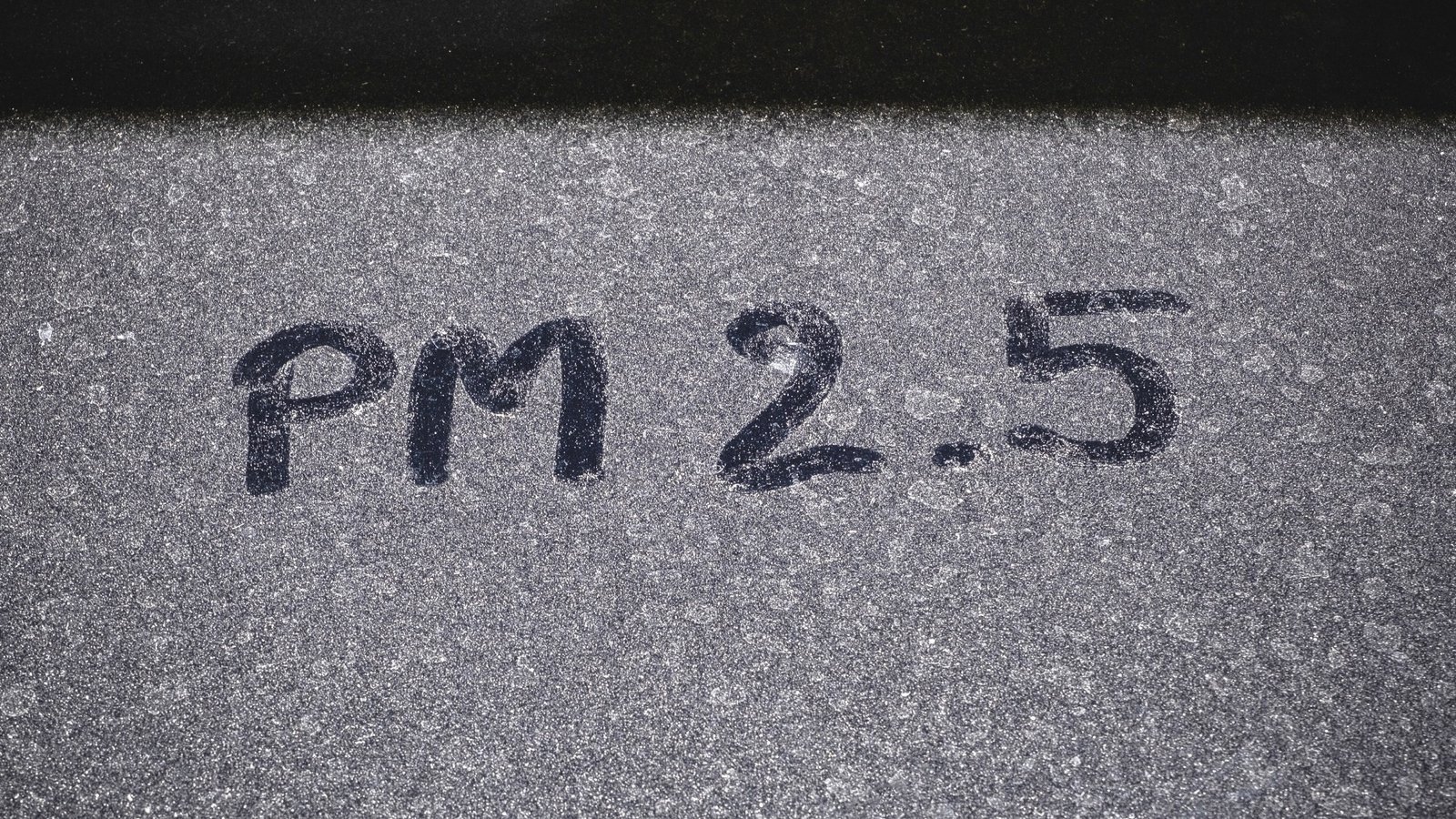
Despite concerns about the spikes of air pollution, this decade -old Danish study finds that the repeated PM2.5 peaks are not associated with increased cardiovascular risk, emphasizing the greatest importance of chronic exposure.

The Role of Long Term PM2.5 Cardiovascular Risk Tops: Air Card substitute. Credit Picture: Winnond / Shutterstock

In a recent study published in Newspaper of cardiologyThe researchers examined the relationship between exposure to peak particles less than 2.5 µm (PM2.5) and the incidence of significant adverse cardiovascular events (MACES).

Cardiovascular disease (CVD) is the leading cause of death worldwide, with air pollution being an amendable risk factor. PM2.5 is particularly harmful as it can enter blood circulation, exacerbate existing cardiovascular conditions and contribute to stroke and myocardial infarction. Recent data indicate that air pollution is now the second largest mortality risk factor.

In addition, short -term exposure to excess PM2.5 can lead to unwanted cardiovascular events, including hospitalization and death. While previous studies have focused on acute spikes in pollution or chronic accumulated exposure preceding a cardiovascular event, the effect of repeated high pollution is unclear.

For the study

The present study examined the relationship between the peak PM2.5 reports and the impact of Mace. The study analyzed 26,723 men aged 65-74 years from Viborg (VIVA) and Danish cardiovascular (Dancavas) tests. It is important to note that the group only included older men from Denmark, which can limit how widely the findings can be applied to other populations such as women, younger or people living in areas with much higher pollution. The team incorporated the data at an individual level with national registries, which provided information on socio -demographics, diagnosis codes, hospitalizations and mortality results.

The researchers then modeling the PM2.5 levels in the participants’ home addresses between 1979 and 2019 using the Danish pollution modeling system. This system appreciates the levels of air pollution by incorporating contributions from road pollution, regional background and local background. The Danish Eulerian hemispherical model was used to model the regional background and the urban background model was used to model the local background.

The road pollution model was used to calculate PM2.5 at the road level. The modeling system provided hourly PM2.5 concentrations for 1979-2019, which gathered at monthly average levels. The peak PM2.5 was defined as the monthly average level in a home address exceeding the long -term monthly average population with over two standard deviations.

In addition, road traffic noise was calculated on the most exposed side of the building and on average during the weekends and daily. The primary result was a complex endpoint of Mace, including non -deadly stroke, acute myocardial infarction, heart revolution, regional revolution and cardiovascular mortality. COX proportional risk models examined the correlations between chronic exhibitions and Maces and Maces.

The models were gradually adapted to adapt to confusing factors. A model was adapted for age and year of integration. Another model was also adapted to smoking, body mass index (BMI) and CVD family history. The fully adapted model also included exposure to noise and socio -economic factors (marital status and domestic wealth index). Because the report was valued at each person’s inhabitant address, the results may not fully represent the time devoted from home, such as work or on travel, which could affect the levels of individual reports.

Findings

In total, 26,723 people were enrolled. The main features straightened by the appearance of CVD events revealed that people with a CVD event were slightly larger and had a higher BMI than those who did not. In addition, this group had a higher prevalence of type 2 diabetes, hypertension and smoking current, as well as higher exposure to PM2.5 peaks.

The CVD event group also presented a higher weight of conventional cardiovascular risk factors, with a higher minimum top size, median peak number and average top size. The fully customized model did not reveal a significant increase in the risk of MACE associated with increased PM2.5 exposure. Increases in the number of peaks PM2.5 were slightly modified the risk, which do not indicate risk increased.

Sensitivity analyzes were carried out to evaluate the health of findings in different periods before an event and different PM2.5 summit. In analyzes that apply alternative cutting -edge thresholds, the ratio was close to the section, supporting no relationship between cardiovascular events and PM2.5 exposure. Similarly, the evaluation of the peaks in one year and five years before the event produced similar insignificant results. Even when more sensitive definitions were used for peaks or focusing on time windows immediately before a cardiovascular event, the study found no statistically significant correlations.

The authors also note that while the short -term acute PM2.5 (as in hours or days before a cardiovascular event) has previously been linked to increased risk, this study specifically investigated if the repeated monthly peaks PM2.5 during the decades contribute to the risk. Their results suggest that these long -term peaks do not add to the cardiovascular risk as soon as other factors are taken into account.

Conclusions

Participants who experienced Maces were exposed to higher peaks of PM2.5 than those who did not. However, increased long -term exposure to PM2.5 peaks did not significantly increase the risk of Mace. This shows the possibility that years, prolonged exposure to PM2.5, instead of occasional peaks, can play a more important role in cardiovascular risk, at least in relatively low total pollution environments, such as Denmark. Further studies are needed to evaluate these correlations in different populations and the higher pollution frameworks to fully describe the cardiovascular impact of air pollution. Expanding research to populations with higher average air pollution and including women and younger ones can help to clarify whether these findings are valid elsewhere.

cardiovascular events Large PM2.5 Relationship shows spikes study
bhanuprakash.cg
healthtost
  • Website

Related Posts

Identifying the ages at which Alzheimer’s biomarkers change sharply

May 1, 2026

Timing of food may shape how T cells respond to infection and therapy

May 1, 2026

UCLA researchers build programmable artificial organs using RNA

April 30, 2026

Leave A Reply Cancel Reply

Don't Miss
Skin Care

The truth about waterless care: What your skin really needs

By healthtostMay 2, 20260

A basic look at one of the most talked about skin care trends: The truth…

Identifying the ages at which Alzheimer’s biomarkers change sharply

May 1, 2026

Boost erectile health and confidence

May 1, 2026

5 things you need for the third trimester

May 1, 2026
Stay In Touch
  • Facebook
  • Twitter
  • Pinterest
  • Instagram
  • YouTube
  • Vimeo
TAGS
Baby benefits body brain cancer care Day Diet disease exercise finds Fitness food Guide health healthy heart Improve Life Loss Men mental Natural Nutrition Patients Pregnancy protein research reveals risk routine sex sexual Skin Skincare study Therapy Tips Top Training Treatment ways weight women Workout
About Us
About Us

Welcome to HealthTost, your trusted source for breaking health news, expert insights, and wellness inspiration. At HealthTost, we are committed to delivering accurate, timely, and empowering information to help you make informed decisions about your health and well-being.

Latest Articles

The truth about waterless care: What your skin really needs

May 2, 2026

Identifying the ages at which Alzheimer’s biomarkers change sharply

May 1, 2026

Boost erectile health and confidence

May 1, 2026
New Comments
    Facebook X (Twitter) Instagram Pinterest
    • About Us
    • Contact Us
    • Privacy Policy
    • Terms and Conditions
    • Disclaimer
    © 2026 HealthTost. All Rights Reserved.

    Type above and press Enter to search. Press Esc to cancel.