Close Menu
Healthtost
  • News
  • Mental Health
  • Men’s Health
  • Women’s Health
  • Skin Care
  • Sexual Health
  • Pregnancy
  • Nutrition
  • Fitness
  • Recommended Essentials
What's Hot

Timing of food may shape how T cells respond to infection and therapy

May 1, 2026

What is the difference between UVA and UVB rays?

May 1, 2026

What happens to your skin while you sleep? (the science of “Beauty Sle

May 1, 2026
Facebook X (Twitter) Instagram
  • About Us
  • Contact Us
  • Privacy Policy
  • Terms and Conditions
  • Disclaimer
Facebook X (Twitter) Instagram
Healthtost
SUBSCRIBE
  • News

    Timing of food may shape how T cells respond to infection and therapy

    May 1, 2026

    UCLA researchers build programmable artificial organs using RNA

    April 30, 2026

    Sapio Sciences brings Claude Cowork to the lab

    April 30, 2026

    Research shows women are confused about when to start mammograms

    April 29, 2026

    Scientists are reengineering CAR-T cells to fight more than just cancer

    April 29, 2026
  • Mental Health

    What animal studies teach us about toxic work environments

    April 27, 2026

    I hate hope: How to manage hope when you have treatment-resistant bipolar disorder

    April 19, 2026

    Rose Byrne is raw, magnetic and unfiltered as a woman in crisis

    April 18, 2026

    Can a single mother change her child’s surname in India?

    April 16, 2026

    Is it anxiety or OCD? 2 psychology experts explain the difference

    April 14, 2026
  • Men’s Health

    3 Day Home Workout Plan: Build Muscle and Burn Fat

    April 30, 2026

    GLP-1 drugs promise broader health benefits, but experts advise caution on use

    April 28, 2026

    Trauma patients recover faster when medical teams know each other well, new study finds

    April 28, 2026

    I did red light therapy for 3 months so I shouldn’t have

    April 27, 2026

    Sex Secrets for Men Over 40: Surviving Male Menopause

    April 27, 2026
  • Women’s Health

    What is the difference between UVA and UVB rays?

    May 1, 2026

    Are you a fungus fanatic? We unpack the nutritional trend of mushroom mania

    April 29, 2026

    What the Patients’ Bill of Rights Could Mean for Black Women

    April 29, 2026

    Navigating sexual health during and after cancer

    April 28, 2026

    Do tampons break the hymen? Facts, Myths and What You Need to Know – Vuvatech

    April 27, 2026
  • Skin Care

    What happens to your skin while you sleep? (the science of “Beauty Sle

    May 1, 2026

    Face Peeling Mask Guide: Shine Without Irritation

    April 28, 2026

    Is your moisturizing face mist really drying out your skin?

    April 28, 2026

    Uses and Benefits of TNW Natural Aloe Vera Face Gel – The Natural Wash

    April 27, 2026

    Our strongest retina serum yet – Tropic Skincare

    April 27, 2026
  • Sexual Health

    Judicial Restrictions on Abortion COVID-19 < SRHM

    April 30, 2026

    Can herpes affect fertility?

    April 29, 2026

    The Importance of Personalized Care in Medication Assisted Therapy (MAT) Programs I Novus

    April 28, 2026

    Your favorite mold is lying to you (a little) — Sexual Health Alliance

    April 28, 2026

    How accurate are herpes blood tests?

    April 22, 2026
  • Pregnancy

    Eating disorders in pregnancy and breastfeeding: Why “healthy eating” is not always easy

    May 1, 2026

    Comprehensive yoga for pregnancy, birth and beyond

    April 29, 2026

    Midwifery and Life – The postnatal health check New mums don’t know they can ask for

    April 28, 2026

    Epidural and unmedicated delivery with two different deliveries

    April 26, 2026

    Researchers identify new genetic links to Hyperemesis Gravidarum

    April 25, 2026
  • Nutrition

    I answer the most HOT Questions about Fatty Liver

    April 29, 2026

    Why You’re Not Losing Weight After 35 (Even When You Eat Less)

    April 28, 2026

    Where to eat in London

    April 27, 2026

    Dr. Will Cole on Why Hire FDN Professionals

    April 26, 2026

    Doing the work in the face of fear

    April 25, 2026
  • Fitness

    A Hike Leader’s Must-Have Kit

    April 30, 2026

    Menopausal Hair Loss Solutions: 10 Expert Tips

    April 29, 2026

    Identity Inversion: Part 1 – Ben Greenfield Life

    April 29, 2026

    How to improve accessibility in your gym

    April 28, 2026

    Can a 10-minute workout really change your health?

    April 27, 2026
  • Recommended Essentials
Healthtost
Home»Women's Health»The silent health race that women face
Women's Health

The silent health race that women face

healthtostBy healthtostAugust 25, 2025No Comments5 Mins Read
Facebook Twitter Pinterest LinkedIn Tumblr Reddit WhatsApp Email
The Silent Health Race That Women Face
Share
Facebook Twitter LinkedIn Pinterest WhatsApp Email

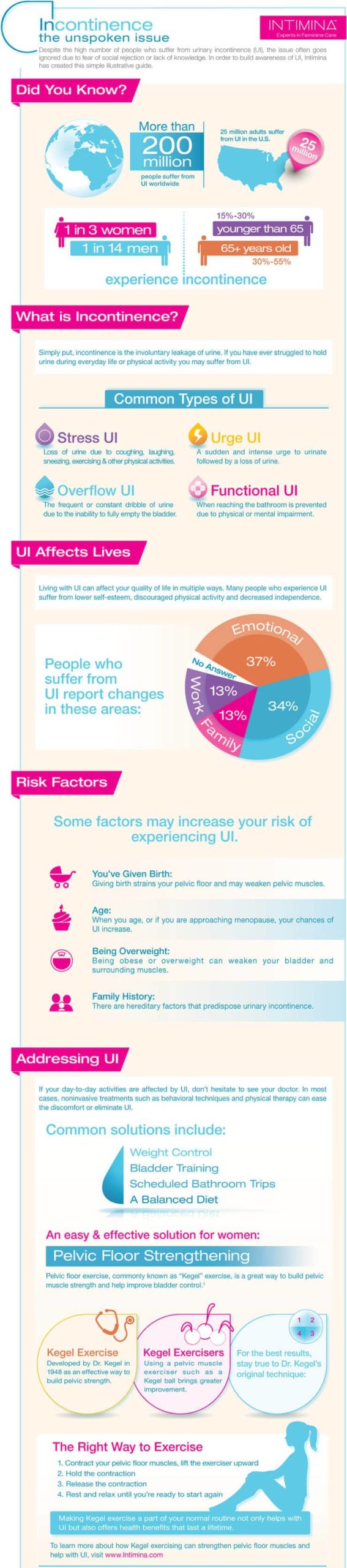
Urine incontinence is an extremely common problem that affects more than 200 million people all over the world. On average, one in three women and one in fourteen men will experience urinary incontinence at some point in their lives. 15-30% of the patients are under 65 years of age and 30-55% of the sufferers are over 65 years.

Despite its dominance, urine incontinence still holds a shameful mark for many people. Understanding how common this situation is, the risk factors behind it and what you can do to deal with it is the first step towards sending such a common situation and reducing unnecessary discomfort and shame.

What is incontinence?

Urinary incontinenceor UI, refers to the loss of bladder control. The severity of this situation varies widely, from a slight leak when you laugh or sneeze too hard to be completely unable to check when and where you urinate. There are several types of urinary incontinence that we have mentioned below in order of seriousness.

1. Anxiety incontinence

The urine is occasionally leaking when suddenly, heavy pressure is exerted on your bladder. This can happen when they laugh extremely hard, coughing, performing some exercises or lifting a heavy object.

2. This is incontinence

An intense, sudden push to urinate, accompanied by an inadvertent urine release. You can urinate excessively, including the night and when you sleep. This type of incontinence may be the result of a secondary condition such as a bladder infection or a more serious condition such as diabetes or a neurological problem.

3. Functional incontinence

A mental or bodily harm prevents you from being able to reach the toilet in time to relieve yourself. If you have serious arthritis, for example, you may not be able to remove your pants quickly.

4. Mixed incontinence

A combination of different types of urinary incontinence. The most common type of mixed incontinence is stress and incontinence.

5. Incontinence of overflow

Your bladder does not completely empty, causing you to experience frequent or steady urine dribbles.

Although the UI is more widespread in aging populations, it is not something that is experiencing every aging. If you think the UI affects the way you go for your life, it is important to have the problem with your doctor as soon as possible. Often, basic changes in diet and lifestyle or simple medical intervention can relieve these symptoms.

Risk factors for incontinence

Genus

Women are much more likely to have incontinence of stress due to their anatomical makeup and life events, such as menopause, pregnancy and childbirth. However, men can also experience incontinence for various reasons, such as prostate problems.

You have been born

Postpartum incontinence (sui) affects around 33% of women after birth. Pregnancy and childbirth can affect the structure of your pelvic floor so that women who have given birth have a higher risk of pelvic disorders.

Age

As you get older, you lose the tone of the muscles around the bladder and urethra. Age -related changes can reduce the amount of urine it can keep and increase your chances of unintentional urine release.

Being overweight

Holding a significant amount extra weight It increases the pressure on the bladder and the surrounding muscles, to weaken them and allow the urine to leak when there is sudden pressure such as coughing or sneezing.

Family history

Some people may be more genetically predisposed to urinary incontinence. If you have a close member of the family with urinary incontinence – you are especially urged incontinence at a younger age – the likelihood of developing the condition is higher. However, this is just a factor, and only because you have a family member with the situation does not mean that you have to deal with it.

How incontinence can affect your life

Incontinence can take on a heavy natural and emotional tax on the sufferer. It may require constant vigilance and you may need to wear protective underwear or pillows. You may be haunted by the ongoing leakage concern, which may be exhaustive. In addition, incontinence can irritate your skin, as it is constantly exposed to humidity, resulting in infections or rashes and further discomfort if it manages inappropriately.

Incontinence can also have deep emotional effects. We have been raised from childhood to feel ashamed, embarrassed and anxious about incontinence, which can worsen when it appears in social environments. This can force someone to retire from social interaction and avoid spending time with your loved ones because of the fear of the accident.

Treatment of urinary incontinence

It is important to address any concerns about UI or if you think you have UI, with the healthcare provider. Often, they can help you prevent or control the symptoms.

If your urine incontinence is not serious there are enough steps Your health professional may recommend trying and checking your symptoms. Lifestyle changes you can do on your own include:

  • Timing of the amount of liquid you drink
  • Limited alcoholic, carbonated and caffeine drinks
  • Remains naturally active
  • Keeping a healthy weight
  • Avoiding constipation through diet and medication
  • Not smoking
  • Bladder training through urine planning or maintaining a bladder diary
  • Performing pelvic floor muscle exercises regularly
  • Practical methods to suppress your desire to urinate. This is called blasting

Your health professional can also prescribe additional steps to help you with your UI, including:

  • Prescription drugs to relax your bladder
  • Using Botox to relax the bladder and reduce the chances of leakage
  • Using medical devices such as a say or catheter to help with incontinence
  • Establishment agents can be infused near the urine clamp to pick up the area around the urethra and help to close the bladder opening to prevent leakage
  • Electrical stimulation
  • Surgery

Incontinence infographic

Discover how Laselle can help you prevent incontinence.

Face health Race silent women
bhanuprakash.cg
healthtost
  • Website

Related Posts

What is the difference between UVA and UVB rays?

May 1, 2026

Research shows women are confused about when to start mammograms

April 29, 2026

Are you a fungus fanatic? We unpack the nutritional trend of mushroom mania

April 29, 2026

Leave A Reply Cancel Reply

Don't Miss
News

Timing of food may shape how T cells respond to infection and therapy

By healthtostMay 1, 20260

A new study reveals how lipids released after a meal can sustainably enhance T-cell metabolism,…

What is the difference between UVA and UVB rays?

May 1, 2026

What happens to your skin while you sleep? (the science of “Beauty Sle

May 1, 2026

Eating disorders in pregnancy and breastfeeding: Why “healthy eating” is not always easy

May 1, 2026
Stay In Touch
  • Facebook
  • Twitter
  • Pinterest
  • Instagram
  • YouTube
  • Vimeo
TAGS
Baby benefits body brain cancer care Day Diet disease exercise finds Fitness food Guide health healthy heart Improve Life Loss Men mental Natural Nutrition Patients Pregnancy protein research reveals risk routine sex sexual Skin Skincare study Therapy Tips Top Training Treatment ways weight women Workout
About Us
About Us

Welcome to HealthTost, your trusted source for breaking health news, expert insights, and wellness inspiration. At HealthTost, we are committed to delivering accurate, timely, and empowering information to help you make informed decisions about your health and well-being.

Latest Articles

Timing of food may shape how T cells respond to infection and therapy

May 1, 2026

What is the difference between UVA and UVB rays?

May 1, 2026

What happens to your skin while you sleep? (the science of “Beauty Sle

May 1, 2026
New Comments
    Facebook X (Twitter) Instagram Pinterest
    • About Us
    • Contact Us
    • Privacy Policy
    • Terms and Conditions
    • Disclaimer
    © 2026 HealthTost. All Rights Reserved.

    Type above and press Enter to search. Press Esc to cancel.