

Close Menu
Healthtost
  • News
  • Mental Health
  • Men’s Health
  • Women’s Health
  • Skin Care
  • Sexual Health
  • Pregnancy
  • Nutrition
  • Fitness
  • Recommended Essentials
What's Hot

Smart Shoulder Solutions: An Evidence-based Approach

February 7, 2026

European collaboration turns immune cell data into cancer biomarkers

February 7, 2026

Advancing the Future of Behavioral Health Data Exchange

February 7, 2026
Facebook X (Twitter) Instagram
  • About Us
  • Contact Us
  • Privacy Policy
  • Terms and Conditions
  • Disclaimer
Facebook X (Twitter) Instagram
Healthtost
SUBSCRIBE
  • News

    European collaboration turns immune cell data into cancer biomarkers

    February 7, 2026

    Senescent neutrophils promote tumor survival in all cancer types

    February 6, 2026

    Preoperative factors predict persistent opioid use after surgery

    February 6, 2026

    AI-enabled stethoscope doubles detection of valvular heart disease

    February 5, 2026

    Gut microbial butyrate enhances mucosal vaccine antibody responses

    February 5, 2026
  • Mental Health

    Advancing the Future of Behavioral Health Data Exchange

    February 7, 2026

    How to avoid watching disturbing videos on social media and protect your peace of mind

    February 6, 2026

    Mental Health in the Black Community: Addressing…

    February 3, 2026

    Some people gain confidence when they think things through, others lose it – new research

    February 2, 2026

    3 practical ways to improve a writer’s mental health

    January 31, 2026
  • Men’s Health

    Air conditioning in nursing homes reduces heat-related risk

    February 6, 2026

    Analysis: What it’s like to have non-verbal autism and what helped me

    February 5, 2026

    Testicular cancer self-examination and why it could save your life

    February 2, 2026

    25-Minute Bodyweight Functional Training Program for Beginners

    February 1, 2026

    Turning everyday eggs into powerful nutrient delivery systems

    January 30, 2026
  • Women’s Health

    Enjoying Endorphins: How to Spoil Your Mood with Feel-Good Hormones

    February 5, 2026

    A critical maternal health data system is at risk

    February 5, 2026

    Prenatal care in 2026: New recommendations for healthy pregnancy

    February 1, 2026

    3 Teens Quit Social Media for a Week — and Loved It

    February 1, 2026

    Exercises for Prevention, Symptoms & Recovery

    January 31, 2026
  • Skin Care

    TNW Rich Cream for Soft, Smooth Skin – The natural wash

    February 7, 2026

    Inside Susie Ma’s Makeup | Founder of Tropic – Tropic Skincare

    February 6, 2026

    5 Expert-Backed Tips on How to Reduce Forehead Wrinkles

    February 6, 2026

    5 Powerful Skincare Osmolytes (And Why Your Skin Loves Them)

    February 5, 2026

    Tranexamic Acid – Esthetic Approved Ingredient

    February 4, 2026
  • Sexual Health

    Adventurous intimacy is more common than you think — Alliance for Sexual Health

    February 5, 2026

    A guide to a comfortable cervical check with Dr. Unsworth

    February 1, 2026

    How “Bridgerton” and the Other Romances Evolved in Their Depictions of Consent

    January 30, 2026

    Extraction, gold mining and SRHR in Kenya

    January 29, 2026

    How the Wabi-Sabi Body Frame is Rewriting Body Image Therapy — Sexual Health Alliance

    January 28, 2026
  • Pregnancy

    Pregnant on Chhath Puja? Hydration and nutrition tips

    February 6, 2026

    The second trimester sweet spot is real. Here’s how to get the most out of it

    February 4, 2026

    Is it safe to drink milk during pregnancy? What to know

    January 31, 2026

    12 Expert Answers to Your Pregnancy Yoga Questions

    January 29, 2026

    Best Pregnancy and Postpartum Fitness Course 2026

    January 27, 2026
  • Nutrition

    5 Ways You’re Sabotaging Your Metabolism

    February 2, 2026

    How to Save Money on Travel • Kath Eats

    February 1, 2026

    How low can LDL cholesterol go on PCSK9 inhibitors?

    January 31, 2026

    Signs that your body is ready to reset

    January 31, 2026

    Healthy Pakistani Recipes: Low-Oil Versions of Beloved Classics

    January 30, 2026
  • Fitness

    Smart Shoulder Solutions: An Evidence-based Approach

    February 7, 2026

    Ja’Marr Chase Offseason Training: The Explosive Workouts Fueling NFL Elite Performance

    February 6, 2026

    What’s NEW in February 2026 for the BODi Community of Experience!

    February 5, 2026

    AI As a Learning Coach – BionicOldGuy

    February 5, 2026

    Can your customers actually do what you want them to do? – Tony Gentilcore

    February 2, 2026
  • Recommended Essentials
Healthtost
Home»News»The FDA-cleared ADHD device is not effective in reducing symptoms
News

The FDA-cleared ADHD device is not effective in reducing symptoms

healthtostBy healthtostJanuary 16, 2026No Comments5 Mins Read
Facebook Twitter Pinterest LinkedIn Tumblr Reddit WhatsApp Email
The Fda Cleared Adhd Device Is Not Effective In Reducing Symptoms
Share
Facebook Twitter LinkedIn Pinterest WhatsApp Email

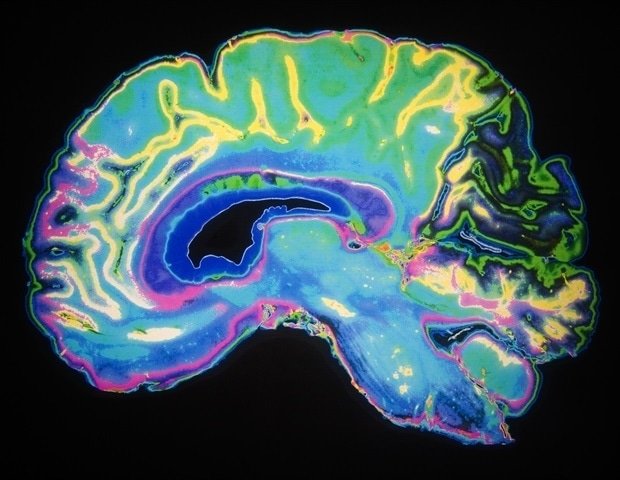
A large multicenter clinical trial led by King’s College London with 150 children and adolescents has shown that a device approved by the US FDA to treat ADHD is not effective in reducing symptoms.

The device – which uses an approach called trigeminal nerve stimulation (TNS) – was approved for use by the US Food and Drug Administration (FDA) to treat ADHD in 2019 based on a small study. These new findings from a larger multicenter trial, published in the journal Nature Medicine, suggest that authorities should reconsider the original evidence that supported the FDA’s approval. Notably, TNS is not currently recommended for use in the UK by NICE (National Institute for Health and Care Excellence) guidelines.

The trial was conducted in collaboration with the University of Southampton and funded by the Efficacy and Mechanism Evaluation (EME) Programme, a collaboration between the National Institute for Health and Care Research (NIHR) and the UKRI Medical Research Council (MRC), with further support from the NIHR Maudsley Biomedical Research Centre.

Attention-deficit/hyperactivity disorder (ADHD) affects 5 to 8 percent of school-age children worldwide and is associated with age-inappropriate problems with attention and/or hyperactivity and impulsivity that can impair daily functioning.

Stimulant drugs improve symptoms in 70 percent of those who take them in the short term, but there is less evidence of their long-term effects.

To provide an alternative to medication, researchers have developed and tested approaches that use non-invasive brain stimulation, working on the areas identified as affecting ADHD.

One of these approaches involves trigeminal nerve stimulation (TNS), targeting a branch of this facial nerve that is thought to activate the brainstem and from there other areas of the brain that may be related to ADHD, particularly the geniculate locus, which plays a role in arousal that is typically reduced in people with ADHD. TNS is thought to stimulate other attention-related brain regions such as frontal and thalamic regions via the brainstem in a bottom-up manner.

A previous small trial in the US with 62 children diagnosed with ADHD showed that when TNS is applied every night for eight hours for a month, it is effective in reducing symptoms – this research led to its FDA clearance for use in the US. However, the control condition did not involve stimulation and blinding was not tested after one month, raising questions about a potential placebo effect.

This new UK clinical trial at two sites in London and Southampton tested TNS in a wider range of 150 children and adolescents diagnosed with ADHD between the ages of eight and 18 and applied a more stringent placebo condition. Half the sample received real TNS for about 9 hours each night for four weeks via battery-powered electrodes applied to the forehead. The other half of the sample received the “sham” condition where the electrodes were still applied to the forehead every night for four weeks, but the participants only received 30 seconds of stimulation every hour at a lower frequency and pulse width, which are believed to be ineffective and therefore act as a “control” condition.

Professor Katya Rubia, Professor of Cognitive Neuroscience at the Institute of Psychiatry, Psychology & Neuroscience (IoPPN), King’s College London and senior author of the study said: “Our study shows how important it is to design an appropriate placebo condition in clinical trials of brain therapies. that they can accommodate brain differences associated with ADHD, so it is of utmost importance to control for placebo effects in modern brain treatments to avoid false hope.

This multicenter trial was designed to address key limitations of the previous pilot study that informed the FDA to clear TNS for ADHD, particularly using a tightly controlled sham condition that supported successful blinding during the treatment period. Unlike the previous study, which was limited to younger children, we also included adolescents, a clinically important group that received well-documented challenges with long-term medication adherence. These design choices allowed for a more robust and clinically relevant assessment of TNS.”


Dr. Aldo Conti, postdoctoral researcher at IoPPN and the Florence Nightingale School of Nursing, Midwifery & Palliative Care, King’s College London and first author of the study

Comparing the groups, the researchers assessed the effectiveness of TNS by assessing parent-reported ADHD symptoms, along with other outcomes such as mind-wandering and attention, depression and anxiety, and sleep.

The trial showed that TNS was safe with no serious side effects, and most participants found it mild or no burden to use. However, results showed no significant change in ADHD symptoms, objective measures of hyperactivity, attention, and related mood and sleep behaviors.

Professor Samuele Cortese, NIHR Research Professor at the University of Southampton and study leader for the Southampton website, said: “Rigid evidence such as that generated by this study is essential to support shared decision-making about ADHD interventions. It empowers people with ADHD and their families to make informed choices about treating their ADHD and their families. What treatments work and what do not based on the best evidence’.

The trial was conducted by King’s Clinical Trials Unit and recruitment involved Child and Adolescent Mental Health Services (CAMHS) clinics in the following NHS trusts: South London and Maudsley NHS Foundation Trust, Hampshire and Isle of Wight Healthcare (previously known as SOLENT NHS-NHSW Central Trust, London-HSWasle, London) Foundation Trust and South-West London and St. George’s Mental Health NHS Trust.

Source:

Journal Reference:

Conti, AA, et al. (2026). External trigeminal nerve stimulation in youth with ADHD: a randomized, sham-controlled phase 2b trial. Nature Medicine. doi: 10.1038/s41591-025-04075-x.

ADHD device effective FDAcleared reducing Symptoms
bhanuprakash.cg
healthtost
  • Website

Related Posts

European collaboration turns immune cell data into cancer biomarkers

February 7, 2026

Senescent neutrophils promote tumor survival in all cancer types

February 6, 2026

Preoperative factors predict persistent opioid use after surgery

February 6, 2026

Leave A Reply Cancel Reply

Don't Miss
Fitness

Smart Shoulder Solutions: An Evidence-based Approach

By healthtostFebruary 7, 20260

Basic Takeaways Evidence-based workouts are the foundation of a good…

European collaboration turns immune cell data into cancer biomarkers

February 7, 2026

Advancing the Future of Behavioral Health Data Exchange

February 7, 2026

TNW Rich Cream for Soft, Smooth Skin – The natural wash

February 7, 2026
Stay In Touch
  • Facebook
  • Twitter
  • Pinterest
  • Instagram
  • YouTube
  • Vimeo
TAGS
Baby benefits body brain cancer care Day Diet disease exercise finds Fitness food Guide health healthy heart Improve Life Loss Men mental Natural Nutrition Patients People Pregnancy protein research reveals risk routine sex sexual Skin study Therapy Tips Top Training Treatment ways weight women Workout
About Us
About Us

Welcome to HealthTost, your trusted source for breaking health news, expert insights, and wellness inspiration. At HealthTost, we are committed to delivering accurate, timely, and empowering information to help you make informed decisions about your health and well-being.

Latest Articles

Smart Shoulder Solutions: An Evidence-based Approach

February 7, 2026

European collaboration turns immune cell data into cancer biomarkers

February 7, 2026

Advancing the Future of Behavioral Health Data Exchange

February 7, 2026
New Comments
    Facebook X (Twitter) Instagram Pinterest
    • About Us
    • Contact Us
    • Privacy Policy
    • Terms and Conditions
    • Disclaimer
    © 2026 HealthTost. All Rights Reserved.

    Type above and press Enter to search. Press Esc to cancel.