

Close Menu
Healthtost
  • News
  • Mental Health
  • Men’s Health
  • Women’s Health
  • Skin Care
  • Sexual Health
  • Pregnancy
  • Nutrition
  • Fitness
  • Recommended Essentials
What's Hot

If you can still do these 7 things at 60, your body is aging better than most

May 2, 2026

AI scribes save doctors time, but fail to reduce overtime

May 2, 2026

Every mental health journey starts with being seen

May 2, 2026
Facebook X (Twitter) Instagram
  • About Us
  • Contact Us
  • Privacy Policy
  • Terms and Conditions
  • Disclaimer
Facebook X (Twitter) Instagram
Healthtost
SUBSCRIBE
  • News

    AI scribes save doctors time, but fail to reduce overtime

    May 2, 2026

    Identifying the ages at which Alzheimer’s biomarkers change sharply

    May 1, 2026

    Timing of food may shape how T cells respond to infection and therapy

    May 1, 2026

    UCLA researchers build programmable artificial organs using RNA

    April 30, 2026

    Sapio Sciences brings Claude Cowork to the lab

    April 30, 2026
  • Mental Health

    Every mental health journey starts with being seen

    May 2, 2026

    What animal studies teach us about toxic work environments

    April 27, 2026

    I hate hope: How to manage hope when you have treatment-resistant bipolar disorder

    April 19, 2026

    Rose Byrne is raw, magnetic and unfiltered as a woman in crisis

    April 18, 2026

    Can a single mother change her child’s surname in India?

    April 16, 2026
  • Men’s Health

    3 Day Home Workout Plan: Build Muscle and Burn Fat

    April 30, 2026

    GLP-1 drugs promise broader health benefits, but experts advise caution on use

    April 28, 2026

    Trauma patients recover faster when medical teams know each other well, new study finds

    April 28, 2026

    I did red light therapy for 3 months so I shouldn’t have

    April 27, 2026

    Sex Secrets for Men Over 40: Surviving Male Menopause

    April 27, 2026
  • Women’s Health

    What is the difference between UVA and UVB rays?

    May 1, 2026

    Are you a fungus fanatic? We unpack the nutritional trend of mushroom mania

    April 29, 2026

    What the Patients’ Bill of Rights Could Mean for Black Women

    April 29, 2026

    Navigating sexual health during and after cancer

    April 28, 2026

    Do tampons break the hymen? Facts, Myths and What You Need to Know – Vuvatech

    April 27, 2026
  • Skin Care

    The truth about waterless care: What your skin really needs

    May 2, 2026

    What happens to your skin while you sleep? (the science of “Beauty Sle

    May 1, 2026

    Face Peeling Mask Guide: Shine Without Irritation

    April 28, 2026

    Is your moisturizing face mist really drying out your skin?

    April 28, 2026

    Uses and Benefits of TNW Natural Aloe Vera Face Gel – The Natural Wash

    April 27, 2026
  • Sexual Health

    Boost erectile health and confidence

    May 1, 2026

    Judicial Restrictions on Abortion COVID-19 < SRHM

    April 30, 2026

    Can herpes affect fertility?

    April 29, 2026

    The Importance of Personalized Care in Medication Assisted Therapy (MAT) Programs I Novus

    April 28, 2026

    Your favorite mold is lying to you (a little) — Sexual Health Alliance

    April 28, 2026
  • Pregnancy

    5 things you need for the third trimester

    May 1, 2026

    Eating disorders in pregnancy and breastfeeding: Why “healthy eating” is not always easy

    May 1, 2026

    Comprehensive yoga for pregnancy, birth and beyond

    April 29, 2026

    Midwifery and Life – The postnatal health check New mums don’t know they can ask for

    April 28, 2026

    Epidural and unmedicated delivery with two different deliveries

    April 26, 2026
  • Nutrition

    How to create a self-care plan when you’re stressed

    May 1, 2026

    I answer the most HOT Questions about Fatty Liver

    April 29, 2026

    Why You’re Not Losing Weight After 35 (Even When You Eat Less)

    April 28, 2026

    Where to eat in London

    April 27, 2026

    Dr. Will Cole on Why Hire FDN Professionals

    April 26, 2026
  • Fitness

    If you can still do these 7 things at 60, your body is aging better than most

    May 2, 2026

    A Hike Leader’s Must-Have Kit

    April 30, 2026

    Menopausal Hair Loss Solutions: 10 Expert Tips

    April 29, 2026

    Identity Inversion: Part 1 – Ben Greenfield Life

    April 29, 2026

    How to improve accessibility in your gym

    April 28, 2026
  • Recommended Essentials
Healthtost
Home»News»Study links gut microbiome imbalance to worsening kidney disease
News

Study links gut microbiome imbalance to worsening kidney disease

healthtostBy healthtostMarch 20, 2026No Comments4 Mins Read
Facebook Twitter Pinterest LinkedIn Tumblr Reddit WhatsApp Email
Study Links Gut Microbiome Imbalance To Worsening Kidney Disease
Share
Facebook Twitter LinkedIn Pinterest WhatsApp Email

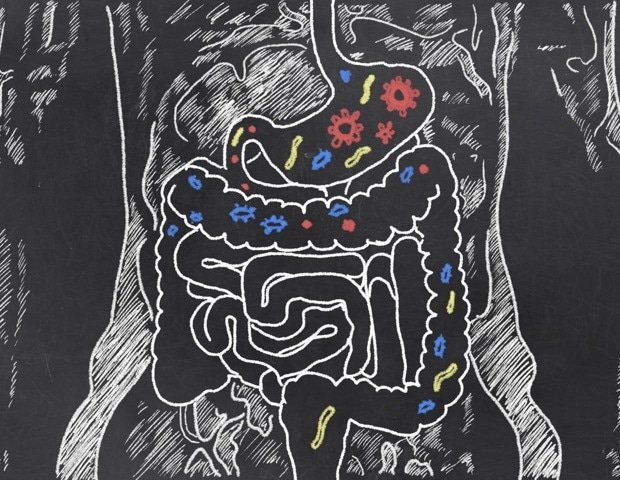
Researchers at the UC Davis School of Medicine have revealed how an imbalanced gut microbiome escalates the production of metabolic byproducts by certain gut bacteria. This imbalance leads to a feedback loop that worsens chronic kidney disease (CKD) in mice. Scientists have identified an investigational drug that can break the destructive cycle. The findings were published in Science.

The team showed that kidney dysfunction increased nitrate levels in the colon. Nitrates are supercharged Escherichia coli’s (E. coli) production of indole, an organic compound that is converted into a harmful waste product – indoxyl sulfate – that further damages the kidneys.

Blocking the production of a single enzyme in the gut – inducible nitric oxide synthase (iNOS) – was able to stop this destructive cycle.

“Previous research has shown that chronic kidney disease is associated with an increased abundance of enterobacteria in feces,” said Jee-Yon Lee, first author of the study and a project scientist in the Department of Medical Microbiology and Immunology.

Enterobacteriaceae is a large family of bacteria that includes both harmless and pathogenic species.

“This study identifies host-derived nitrate as a switch that transforms commensal gut bacteria E. coli to indole producers capable of accelerating chronic kidney disease,” Lee said.

CKD affects about 1 in 7 adults in the US

Chronic kidney disease, which is a gradual loss of kidney function, affects about 1 in 7 adults in the US, or about 35.5 million Americans. About 1 in 3 people with diabetes and 1 in 5 people with high blood pressure have kidney disease. Globally, approximately 788 million people are estimated to have CKD in 2023.

For people with kidney failure, dialysis is a life-saving procedure that removes waste and extra fluid from the blood. But indoxyl sulfate cannot be removed by dialysis because it binds to serum albumin, a common protein in the blood. Higher serum levels of indoxyl sulfate are associated with more severe chronic kidney disease.

“By identifying the driver responsible for the increase of Enterobacteriaceae in CKD and demonstrating the importance of these bacteria for indole production and disease progression, our research points to iNOS as a potential target for intervention strategies,” said Andreas Bäumler, Distinguished Professor in the Department of Medical Microbiology and Immunology and senior author of the paper.

Methods and possible treatment

The researchers looked at specific strains of it E. coli in mice. They also looked at stool samples from people with and without CKD. In mice, they found:

  • Renal dysfunction induced increased transcription Nos2 (the gene responsible for making iNOS) in the lining of the colon.
  • Increased iNOS led to an increase in nitric oxide, which reacted with oxygen radicals to form nitrate.
  • Increased nitrate levels are fed coli development, leading to higher production of indoxyl sulfate, a kidney toxin, creating the harmful feedback loop.

In addition to the mouse findings, the researchers found that stool samples from people with CKD showed the same effect seen in mice. Although stool samples from people with kidney disease showed higher levels E. coliindole production increased only when nitrate was added, compared to healthy controls.

To determine whether reducing iNOS levels could improve outcomes in the mice, the researchers tested aminoguanidine, an investigational drug known to inhibit iNOS. Mice given aminoguanidine showed reduced mucosal nitrate, reduced indoxyl sulfate, and improved kidney outcomes.

Limitations and next steps

Although the results are promising for finding a mechanism to reduce indole sulfate—and potentially improve the progression of kidney disease—the researchers note several limitations.

Although human gut bacteria mirror the nitrate-dependent indole surge in mice, more studies will be needed to confirm the results in humans. Clinical trials are also needed to test whether iNOS inhibitors, or other agonists or inhibitors, could safely reduce indoxyl sulfate and improve outcomes in people with CKD.

And finally, they note that the gut ecosystem is complex. E. coli is not the only indole-producing gut bacterium, and long-term suppression of nitrate pathways may have unknown trade-offs.

“This study shows that changing the gut environment—not just the microbes themselves—can have profound effects on disease progression,” Bäumler said. “Targeting host pathways that modulate microbial metabolism may represent a new way to intervene in chronic kidney disease.”

Source:

University of California – Davis Health

Journal Reference:

DOI: 10.1126/science.ady5217

disease gut Imbalance kidney links microbiome study worsening
bhanuprakash.cg
healthtost
  • Website

Related Posts

AI scribes save doctors time, but fail to reduce overtime

May 2, 2026

Identifying the ages at which Alzheimer’s biomarkers change sharply

May 1, 2026

Timing of food may shape how T cells respond to infection and therapy

May 1, 2026

Leave A Reply Cancel Reply

Don't Miss
Fitness

If you can still do these 7 things at 60, your body is aging better than most

By healthtostMay 2, 20260

Aging has a way of slowing down your body. It can affect your muscles, strength…

AI scribes save doctors time, but fail to reduce overtime

May 2, 2026

Every mental health journey starts with being seen

May 2, 2026

The truth about waterless care: What your skin really needs

May 2, 2026
Stay In Touch
  • Facebook
  • Twitter
  • Pinterest
  • Instagram
  • YouTube
  • Vimeo
TAGS
Baby benefits body brain cancer care Day Diet disease exercise finds Fitness food Guide health healthy heart Improve Life Loss Men mental Natural Nutrition Patients Pregnancy protein research reveals risk routine sex sexual Skin Skincare study Therapy Tips Top Training Treatment ways weight women Workout
About Us
About Us

Welcome to HealthTost, your trusted source for breaking health news, expert insights, and wellness inspiration. At HealthTost, we are committed to delivering accurate, timely, and empowering information to help you make informed decisions about your health and well-being.

Latest Articles

If you can still do these 7 things at 60, your body is aging better than most

May 2, 2026

AI scribes save doctors time, but fail to reduce overtime

May 2, 2026

Every mental health journey starts with being seen

May 2, 2026
New Comments
    Facebook X (Twitter) Instagram Pinterest
    • About Us
    • Contact Us
    • Privacy Policy
    • Terms and Conditions
    • Disclaimer
    © 2026 HealthTost. All Rights Reserved.

    Type above and press Enter to search. Press Esc to cancel.