


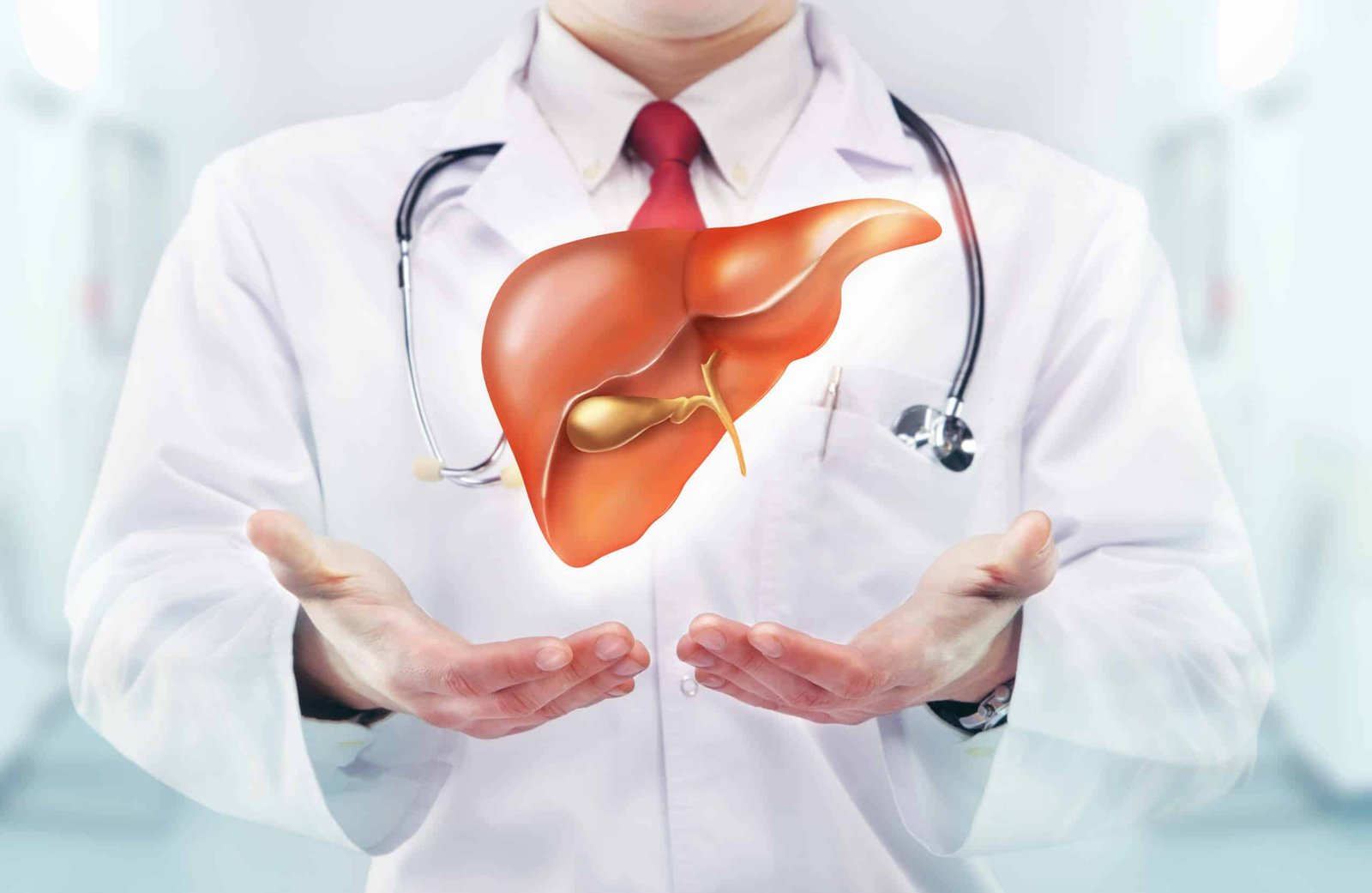
A woman’s body is a masterpiece of rhythm and resilience—constantly adapting, nurturing, and evolving. At the heart of this complex system is the liver, a silent multitasker that supports everything from metabolism and digestion to hormone balance and skin health.
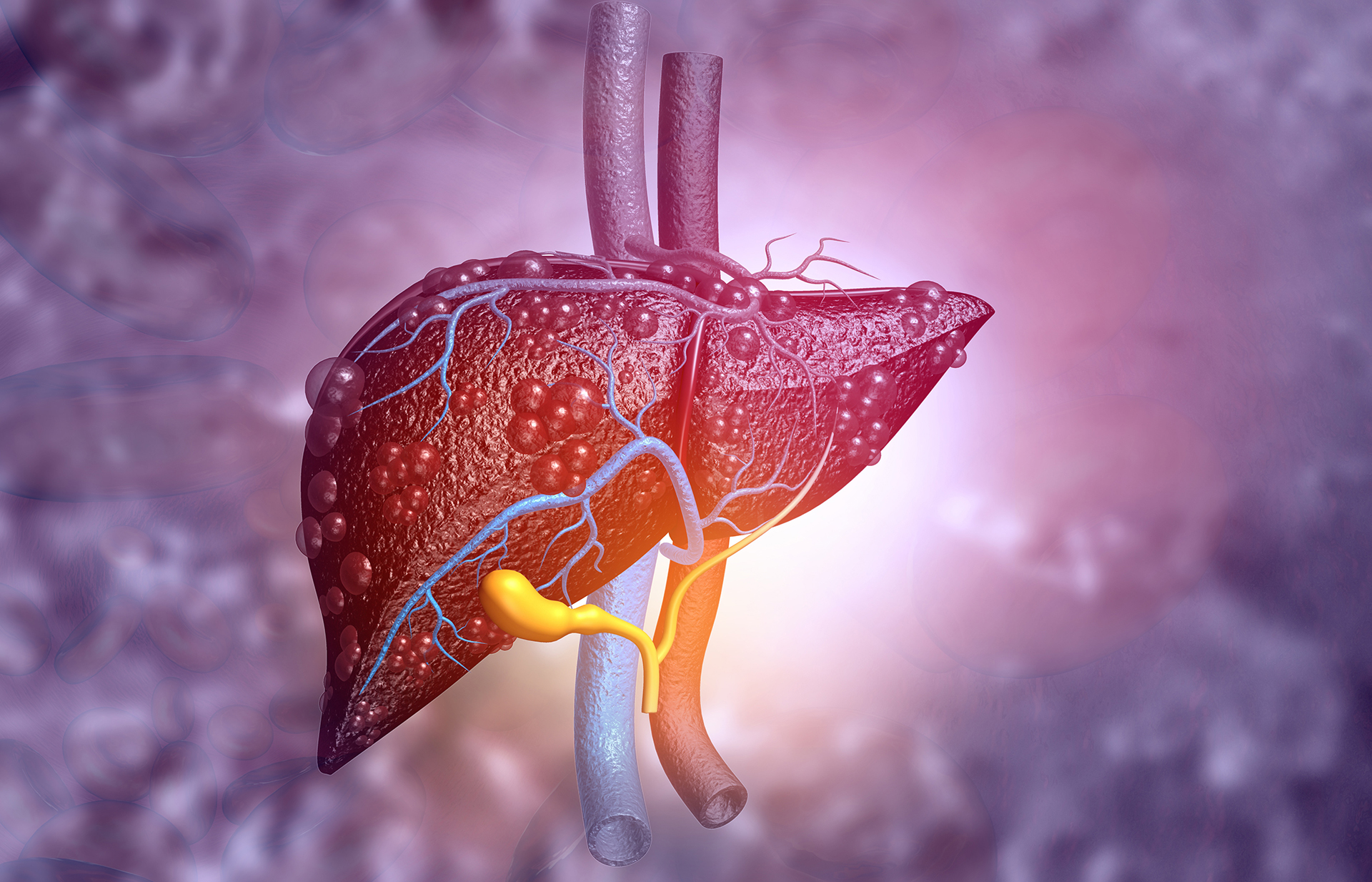
Your liver is a powerhouse: it filters blood, breaks down food, stores energy and keeps your body in balance. But today, 1/3 of the world’s adult population lives with a condition called metabolic dysfunction-associated steatary liver disease (MASLD). Often linked to weight, diet and lifestyle, MASLD can remain silent for years, but over time it can lead to scarring (fibrosis), cirrhosis (advanced fibrosis and loss of some liver function) or even liver cancer.
This World Liver Day (with the theme ‘Strong Habits, Strong Liver’) is a powerful reminder that small, consistent lifestyle choices can protect this vital organ for life.
Four solid habits for a strong liver
Fuel with purpose, not just calories
Your liver doesn’t just process food—it interprets it. Every bite sends a message: to nourish or burden. For women balancing career, family and self-care, mindful eating often takes a back seat. But this is where the transformation begins.
Think beyond restrictive diets. Instead, embrace intentional eating:
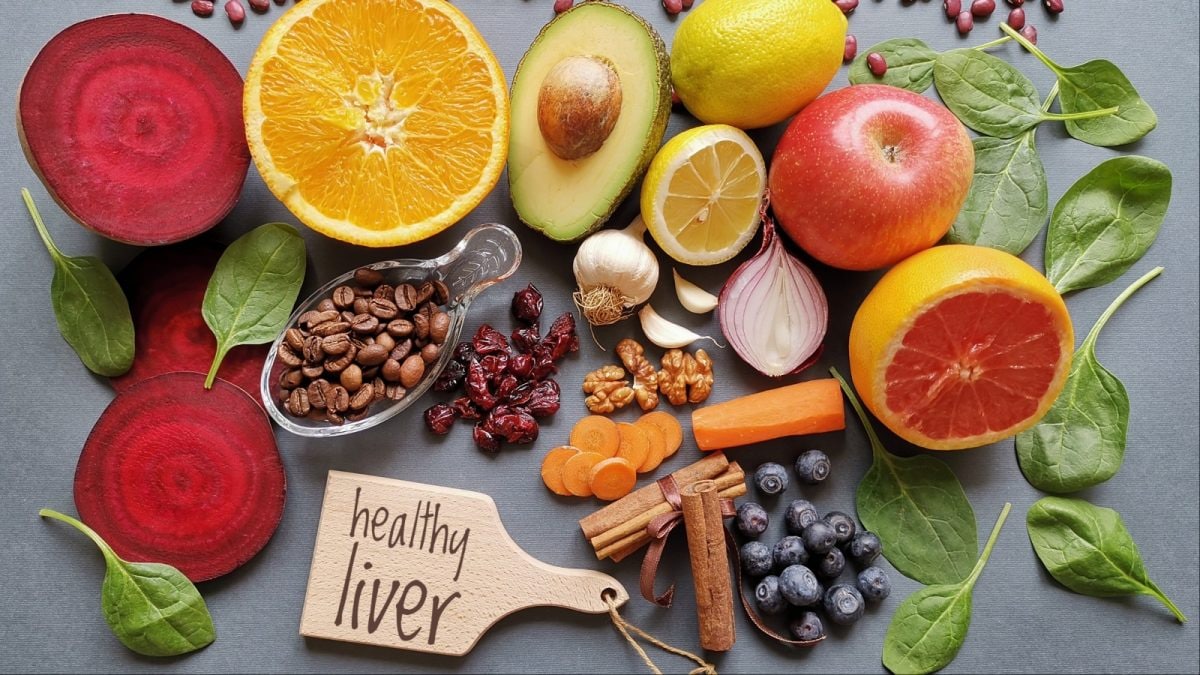
- Fill your plate with vibrant, seasonal produce that supports natural detoxification pathways
- Choose whole, unprocessed foods that your body recognizes and uses effectively
- Add fiber-rich meals to aid digestion and reduce fat build-up in the liver
- Stay hydrated—because even the best diet needs water to work effectively
A balanced diet isn’t about perfection – it’s about consistency. When you eat with purpose, your liver responds with force.
Go Boost, Not Exhaust
Movement is medicine — but only when it’s sustainable. Women often fall into the trap of overtraining or, on the contrary, completely neglect movement due to time constraints. The key lies in finding balance.
Your liver thrives when your body stays active:
- Regular exercise helps regulate fat storage and improves metabolic health
- Gentle, consistent exercise reduces inflammation and supports detoxification
- Activities such as yoga, strength training or even brisk walking can significantly improve liver function
This isn’t about pushing harder – it’s about moving smarter. When you move with intention, you create a ripple effect of energy, confidence and inner balance.
Drink smart, choose conscious living
In a culture where relaxation often involves a drink, it’s important to pause and think about what relaxation really means. Women are biologically more sensitive to the effects of alcohol, making careful choices even more necessary.

Reframe your approach:
- View alcohol as an occasional treat, not a daily ritual
- Explore alternatives – herbal teas, fresh juices or just water with a treat
- Pay attention to how your body feels, not just in the moment but the next day
Choosing to cut back on alcohol isn’t about missing out – it’s about tuning in to what your body really needs.
Know your numbers, get your health
One of the most powerful things a woman can do is to be aware of her body. Liver health problems often develop quietly, with no obvious warning signs. Awareness, then, becomes your greatest ally.
Make health checks a non-negotiable part of self-care:
- Schedule routine screening tests, including liver function tests
- Be aware of lifestyle-related risks such as stress, weight changes or hormonal changes
- Seek professional guidance during key life stages such as pregnancy, postpartum and menopause
Taking charge of your health isn’t reactive – it’s proactive empowerment.
The power within begins here
A strong liver isn’t built overnight — it’s cultivated through daily choices that honor your body. These four habits are simple, but their impact is profound.
This World Liver Day let your wellness journey be guided not by extremes, but by solid, sustainable habits. Because when a woman supports her body from the inside, strength becomes her natural state—not just physically, but in every aspect of life.
Refusal
The Content is not intended to be a substitute for professional medical advice, diagnosis or treatment. Always seek the advice of your doctor or other qualified health care provider with any questions you may have about a medical condition.
