

Close Menu
Healthtost
  • News
  • Mental Health
  • Men’s Health
  • Women’s Health
  • Skin Care
  • Sexual Health
  • Pregnancy
  • Nutrition
  • Fitness
  • Recommended Essentials
What's Hot

Kemari Copeland’s Explains His Strategy for Squatting 605 Pounds for 10 Reps

May 6, 2026

Teenagers consider cannabis safer than alcohol, vaping and cigarettes

May 6, 2026

Eat the Vitamins, Kids: A Guide to Kids Vitamins | The Wellness Blog

May 6, 2026
Facebook X (Twitter) Instagram
  • About Us
  • Contact Us
  • Privacy Policy
  • Terms and Conditions
  • Disclaimer
Facebook X (Twitter) Instagram
Healthtost
SUBSCRIBE
  • News

    Teenagers consider cannabis safer than alcohol, vaping and cigarettes

    May 6, 2026

    Popular GLP-1 drugs significantly reduce major cardiovascular events,

    May 6, 2026

    Poor mental health is associated with poorer quality of care and lower trust in the health care system

    May 5, 2026

    The new molecular framework paves the way for targeted therapeutic interventions for Parkinson’s disease

    May 5, 2026

    The use of symptom dimensions may provide more accurate, personalized mental health care

    May 4, 2026
  • Mental Health

    Every mental health journey starts with being seen

    May 2, 2026

    What animal studies teach us about toxic work environments

    April 27, 2026

    I hate hope: How to manage hope when you have treatment-resistant bipolar disorder

    April 19, 2026

    Rose Byrne is raw, magnetic and unfiltered as a woman in crisis

    April 18, 2026

    Can a single mother change her child’s surname in India?

    April 16, 2026
  • Men’s Health

    Study reveals neglected crisis of paternal deaths after childbirth

    May 5, 2026

    Aging in place takes more than good intentions — It takes smart infrastructure

    May 5, 2026

    Dr. William O. Brant on male sexual health and the risks and benefits of supplements

    May 4, 2026

    3 Day Home Workout Plan: Build Muscle and Burn Fat

    April 30, 2026

    GLP-1 drugs promise broader health benefits, but experts advise caution on use

    April 28, 2026
  • Women’s Health

    Eat the Vitamins, Kids: A Guide to Kids Vitamins | The Wellness Blog

    May 6, 2026

    Breaking Barriers, Building Strength: The Maya Nassar Story

    May 5, 2026

    How to do a breast self-exam and spot lumps

    May 4, 2026

    Finding the best lupus treatments

    May 3, 2026

    What is the difference between UVA and UVB rays?

    May 1, 2026
  • Skin Care

    What is Skinification? A simple guide to this beauty trend

    May 6, 2026

    How I Did It: Fading Hormonal Hyperpigmentation Without Lasers

    May 3, 2026

    The truth about waterless care: What your skin really needs

    May 2, 2026

    What happens to your skin while you sleep? (the science of “Beauty Sle

    May 1, 2026

    Face Peeling Mask Guide: Shine Without Irritation

    April 28, 2026
  • Sexual Health

    What is Sexology? Complete guide to the field — Sexual Health Alliance

    May 6, 2026

    5 Ways to Improve Heart Health for Men

    May 5, 2026

    Early signs of Peyronie’s disease and when to seek help

    May 3, 2026

    Boost erectile health and confidence

    May 1, 2026

    Judicial Restrictions on Abortion COVID-19 < SRHM

    April 30, 2026
  • Pregnancy

    Transforming birth through informed, empowered support

    May 6, 2026

    4 Key Steps to Reconnecting with Your Core

    May 5, 2026

    Why is anemia during pregnancy high in Indian women?

    May 2, 2026

    5 things you need for the third trimester

    May 1, 2026

    Eating disorders in pregnancy and breastfeeding: Why “healthy eating” is not always easy

    May 1, 2026
  • Nutrition

    How living with joy becomes a powerful act of rebellion

    May 5, 2026

    Can magnesium help you lose weight?

    May 4, 2026

    9 Easy Chia Pudding Recipes (+ The Perfect Pudding Ratio) • Kath Eats

    May 4, 2026

    A cancer-causing contaminant in drugs and meat

    May 3, 2026

    How Nutrition Supports Mood, Energy and Gut Health

    May 2, 2026
  • Fitness

    Kemari Copeland’s Explains His Strategy for Squatting 605 Pounds for 10 Reps

    May 6, 2026

    The most underrated skill I wish everyone learned

    May 3, 2026

    Landmine Training and Why I Love It – Tony Gentilcore

    May 3, 2026

    9 Powerful Fitness Tips for Pear Shaped Bodies

    May 2, 2026

    If you can still do these 7 things at 60, your body is aging better than most

    May 2, 2026
  • Recommended Essentials
Healthtost
Home»Mental Health»Smartphone data may not reliably predict depression risk in different groups
Mental Health

Smartphone data may not reliably predict depression risk in different groups

healthtostBy healthtostAugust 26, 2024No Comments4 Mins Read
Facebook Twitter Pinterest LinkedIn Tumblr Reddit WhatsApp Email
Smartphone Data May Not Reliably Predict Depression Risk In Different
Share
Facebook Twitter LinkedIn Pinterest WhatsApp Email

August 21, 2024
• Research Highlights

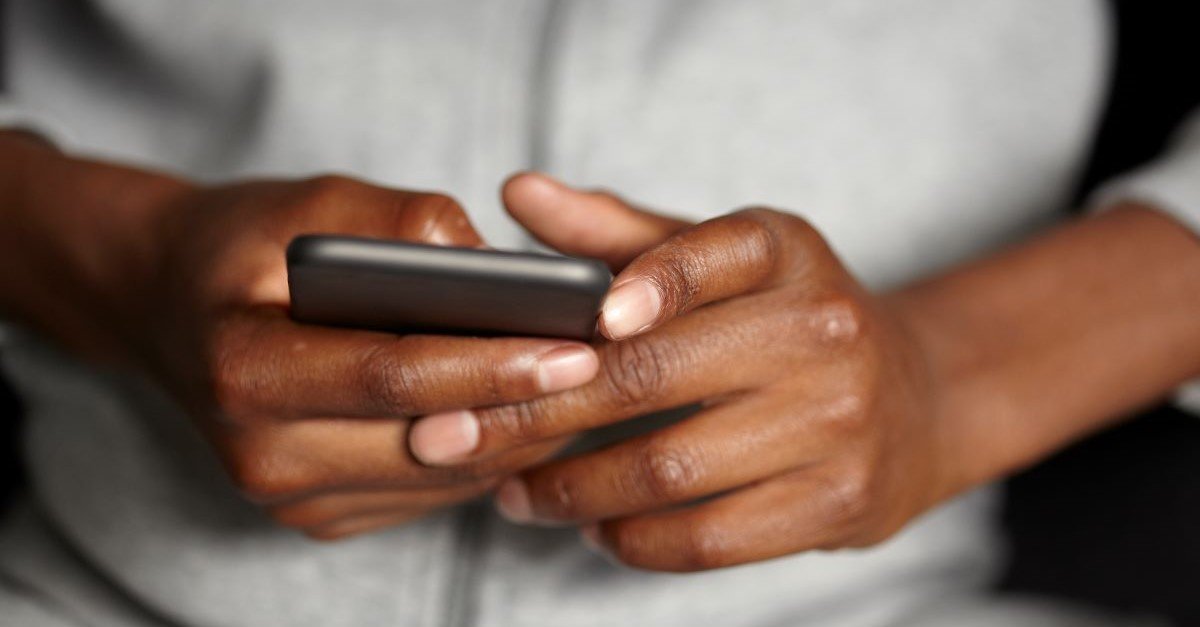
Smart watches, smartphones, and other wearable devices are transforming the way we track our physical health and behavior. Researchers are also investigating whether these devices could provide insights into our mental health, with the aim of developing AI tools that can help identify when people need mental health support or professional care. However, research supported by the National Institute of Mental Health suggests that AI tools based on smartphone data may struggle to accurately predict clinical outcomes such as depression in large and diverse groups of people.

What did the researchers do?

Lead author Daniel Adler of Cornell University and colleagues from Northwestern University Feinberg School of Medicine, Weill Cornell Medicine and Michigan Medicine analyzed behavioral data from 650 people, which was collected via their smartphones. While the study was larger and more diverse than previous studies, participants were mostly female, white, middle- to high-income, and between the ages of 25 and 54.

Smartphone data included behavioral measures related to mobility, phone use, and sleep. Participants also completed the PHQ-8, a standard self-report measure of depressive symptoms.

Building on recent studies, the researchers developed artificial intelligence models that analyzed the smartphone data to create a depression risk score for each participant, indicating the likelihood of clinically significant depression. The researchers then assessed the reliability of the models by identifying age, race, gender, and socioeconomic subgroups for which the model’s predictions were less accurate.

What did the researchers find?

Overall, the best-performing AI model was shown to be only moderately accurate at predicting who had clinically significant depression (as measured by the PHQ-8). While the model identified some patterns, it consistently underperformed for certain groups of people. For example, the researchers found that the model was biased toward identifying people at higher risk for depression if they were older, female, black or African-American, low-income, unemployed, or disabled. On the other hand, the model was skewed toward identifying people who had a lower risk of depression if they were younger, male, white, high-income, insured, or employed.

To better understand these results, the researchers looked at how the AI ​​model correlated different behaviors with depression risk.

For example, the AI ​​model predicted that higher phone use in the morning was generally associated with a lower risk of depression. However, when the researchers examined the data, they found that this association did not hold across all age subgroups. While higher morning phone use was associated with a lower risk of depression for young adults (ages 18 to 25), it was associated with a higher risk for older adults (ages 65 to 74).

The AI ​​tool also predicted that measures of increased mobility, as captured by GPS, were generally associated with a lower risk of depression. However, the underlying data showed that these associations did not hold across all income-related subgroups. For people who came from low-income households, who were disabled, and who were uninsured, greater mobility was associated with a higher risk of depression.

What do the findings mean?

The findings highlight the challenges of using AI models based on smartphone data to predict mental health outcomes in a large, diverse group of people. When associations between people’s behavioral patterns and their mental health outcomes vary across demographic groups, AI models may be more likely to make incorrect predictions for some of these groups, leading to skewed results.

According to the researchers, the results highlight the importance of developing AI tools using data from people whose behavioral patterns are similar to those of the target population. One way to increase the effectiveness of AI models may be to develop predictive models that focus on smaller, more targeted populations.

The researchers note that their study focused on associations between behaviors and depression risk across individuals. It is possible that personalized models—models based on behavioral data from an individual over time—may be able to more accurately predict individual depression risk.

Reference

Adler, DA, Stamatis, CA, Meyerhoff, J., Mohr, DC, Wang, F., Aranovich, GJ, Sen, S., & Choudhury, T. (2024). Measuring algorithmic bias to analyze the reliability of artificial intelligence tools predicting depression risk using smartphone aesthetic behavior data. npj Mental Health Research, 3(17). https://doi.org/10.1038/s44184-024-00057-y

Grants

MH111610 , MH128640 , MH115882

Data depression groups predict reliably risk smartphone
bhanuprakash.cg
healthtost
  • Website

Related Posts

New genetic risk report reveals hidden risk of heart disease before symptoms appear

May 3, 2026

How fast your face ages can predict cancer survival outcomes

May 2, 2026

Every mental health journey starts with being seen

May 2, 2026

Leave A Reply Cancel Reply

Don't Miss
Fitness

Kemari Copeland’s Explains His Strategy for Squatting 605 Pounds for 10 Reps

By healthtostMay 6, 20260

Kemari Copeland rose to fame in 2024 after obliterating Virginia Tech’s squat record by deadlifting…

Teenagers consider cannabis safer than alcohol, vaping and cigarettes

May 6, 2026

Eat the Vitamins, Kids: A Guide to Kids Vitamins | The Wellness Blog

May 6, 2026

What is Skinification? A simple guide to this beauty trend

May 6, 2026
Stay In Touch
  • Facebook
  • Twitter
  • Pinterest
  • Instagram
  • YouTube
  • Vimeo
TAGS
Baby benefits body brain cancer care Day Diet disease exercise finds Fitness food Guide health healthy heart Improve Life Loss Men mental Natural Nutrition Patients Pregnancy protein research reveals risk routine sex sexual Skin Skincare study Therapy Tips Top Training Treatment ways weight women Workout
About Us
About Us

Welcome to HealthTost, your trusted source for breaking health news, expert insights, and wellness inspiration. At HealthTost, we are committed to delivering accurate, timely, and empowering information to help you make informed decisions about your health and well-being.

Latest Articles

Kemari Copeland’s Explains His Strategy for Squatting 605 Pounds for 10 Reps

May 6, 2026

Teenagers consider cannabis safer than alcohol, vaping and cigarettes

May 6, 2026

Eat the Vitamins, Kids: A Guide to Kids Vitamins | The Wellness Blog

May 6, 2026
New Comments
    Facebook X (Twitter) Instagram Pinterest
    • About Us
    • Contact Us
    • Privacy Policy
    • Terms and Conditions
    • Disclaimer
    © 2026 HealthTost. All Rights Reserved.

    Type above and press Enter to search. Press Esc to cancel.