

Close Menu
Healthtost
  • News
  • Mental Health
  • Men’s Health
  • Women’s Health
  • Skin Care
  • Sexual Health
  • Pregnancy
  • Nutrition
  • Fitness
  • Recommended Essentials
What's Hot

Same Dinner Different Plate: The Lunchbox Edition

June 8, 2026

Researchers are developing compound 10 to slow the progression of Alzheimer’s disease

June 8, 2026

Expectations of Indian Daughters: 10 Weird

June 8, 2026
Facebook X (Twitter) Instagram
  • About Us
  • Contact Us
  • Privacy Policy
  • Terms and Conditions
  • Disclaimer
Facebook X (Twitter) Instagram
Healthtost
SUBSCRIBE
  • News

    Researchers are developing compound 10 to slow the progression of Alzheimer’s disease

    June 8, 2026

    Exposure to nature shapes nasal microbiomes and mental well-being

    June 7, 2026

    Comprehensive care reduces hospital visits for adults with disabilities

    June 7, 2026

    Researchers are challenging the traditional understanding of how histone deacetylase inhibitors work

    June 6, 2026

    Researchers identify hidden histories of self-harm using machine learning

    June 6, 2026
  • Mental Health

    Expectations of Indian Daughters: 10 Weird

    June 8, 2026

    How to Encourage a Child to Try New, Scary Things (Without Injuring Him in the Process)

    June 5, 2026

    Why your wearable health tracker can make you feel anxious

    June 1, 2026

    Can meditation change the brain in schizophrenia?

    May 29, 2026

    Success and Fulfillment: Why High Performance…

    May 28, 2026
  • Men’s Health

    Low testosterone changes your body: See what a DEXA scan can reveal

    June 4, 2026

    The right seafood choices can help diets meet health and climate goals

    June 2, 2026

    Workplace Argument: “Cleaning in the toilet” who cry in the bathroom

    June 2, 2026

    What do I eat in a day?

    June 1, 2026

    Journey into New Dimensions: Wisdom from the Past and Hope for the Future

    June 1, 2026
  • Women’s Health

    How to protect skin from Holi colors safely

    June 6, 2026

    Strict dieting after 40 makes women heavier, not lighter

    June 5, 2026

    The central voice behind our vote: Why Lani Guinier still matters now

    June 4, 2026

    Do hemorrhoids cause a tight anus? Hemorrhoid Pain, Sphincter Spasm and Relief Strategies – Vuvatech

    June 3, 2026

    Outpatient versus inpatient addiction treatment: How to choose the right level of care

    June 1, 2026
  • Skin Care

    How to tell the difference and restore Ba – Lifeline Skin Care

    June 7, 2026

    Your skincare routine is missing these essential steps

    June 6, 2026

    Find your perfect SPF match | Daily sun protection guide

    June 5, 2026

    Vitamin C for the skin: The ultimate summer secret

    June 2, 2026

    Perimenopause Rosacea: Hot Flashes & Histamine

    June 1, 2026
  • Sexual Health

    Can gonorrhea go away on its own?

    June 8, 2026

    The Reality of Long Distance Relationships — Sexual Health Alliance

    June 7, 2026

    Research says… Not enough people know about vaccines to prevent STDs

    June 4, 2026

    The importance of discussing sexual side effects of medication with your doctor

    June 4, 2026

    Fildena 100 Benefits – Effective ED Treatment & More

    June 2, 2026
  • Pregnancy

    How to detect pre-eclampsia early before it becomes dangerous

    June 7, 2026

    Is Mom Brain real? – Pink stork

    June 7, 2026

    Pregnancy and Postpartum Exercise Expert Meet Miranda

    June 4, 2026

    Thank You After a Baby Shower: 50+ Wording Ideas

    June 3, 2026

    Small movements during pregnancy can make a bigger difference than parents think

    June 2, 2026
  • Nutrition

    Same Dinner Different Plate: The Lunchbox Edition

    June 8, 2026

    No-Bake Peanut Butter Oat Bars (from Dietitian Mom)

    June 7, 2026

    Dietitian Evidence-Based Nutrition Review

    June 5, 2026

    Hot Girl Summer, But Make it Cellular

    June 4, 2026

    How to Organize Spices • Kath Eats

    June 3, 2026
  • Fitness

    latest book review – The Fitnessista

    June 6, 2026

    When to bench press with your feet on the floor and when not to – Tony Gentilcore

    June 6, 2026

    10 essential health tips you should follow every day

    June 5, 2026

    5 surprising habits that can harm your memory and brain health

    June 5, 2026

    6 Ways Strength Training Slows Aging After 50

    June 2, 2026
  • Recommended Essentials
Healthtost
Home»News»Prenatal Mediterranean diet reduces offspring obesity
News

Prenatal Mediterranean diet reduces offspring obesity

healthtostBy healthtostFebruary 16, 2024No Comments5 Mins Read
Facebook Twitter Pinterest LinkedIn Tumblr Reddit WhatsApp Email
Prenatal Mediterranean Diet Reduces Offspring Obesity
Share
Facebook Twitter LinkedIn Pinterest WhatsApp Email

In a recent study published in Nutrientsresearchers determined the relationship between maternal adherence to the Mediterranean diet (MedDiet) during pregnancy and the risk of overweight or obese offspring at four years.

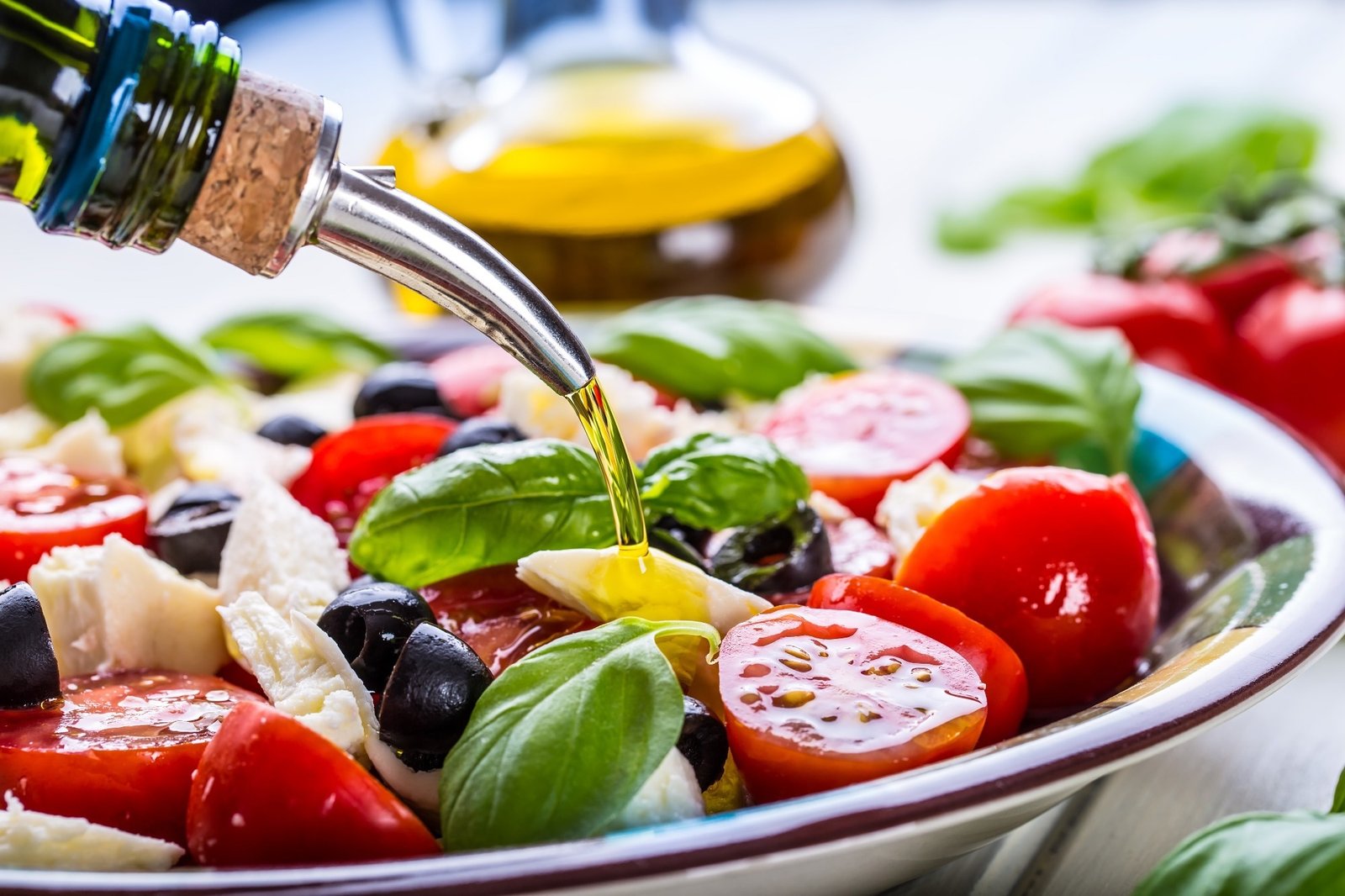
Study: Close adherence to a Mediterranean diet during pregnancy reduces childhood overweight/obesity: a prospective study. Image credit: Marian Weyo/Shutterstock.com

Record

The childhood obesity epidemic is a global health concern affecting millions of children under the age of five, causing psychological comorbidities, low self-esteem, behavioral and emotional disorders, and long-term cardiovascular morbidity and cancer.

In addition, the World Health Organization (WHO) report emphasizes the importance of prenatal nutritional balance to prevent childhood obesity.

Close maternal adherence to a Mediterranean-type diet during pregnancy could be a promising strategy to identify potential risks of childhood obesity. Greater adherence to the diet has multiple health benefits for both mother and child.

However, studies examining the impact of prenatal diet on offspring obesity are rare and yield mixed results, warranting further research.

About the study

In the present study, researchers investigated whether maternal adherence to the MedDiet was associated with offspring obesity at four years and assessed the influence of maternal factors on the association.

The team included 272 mother-child dyads from the Ensayo CLInico Para Suplementar con Hierro a EmbarazadaS (ECLIPSES) study for analysis.

The primary study outcome was overweight or obese offspring based on sex-age body mass index (BMI) z-scores above the 85th percentile using WHO child growth standards.

The researchers obtained basic maternal data from questionnaires during face-to-face interviews at recruitment, including medical history, age, education level, socioeconomic status, physical activity, smoking status, and alcohol intake.

In addition to gestational age at birth and type of delivery, they obtained data on child-related variables such as sex, length and weight at birth.

The team assessed prenatal diet using standardized 45-item food frequency questionnaires (FFQs) at 12, 24 and 36 weeks’ gestation and calculated the associated MedDiet (rMedDiet) scores. They measured the offspring’s height and weight at four years.

They calculated the total daily caloric intake using the REGAL food table and determined the socioeconomic status of the household using the Catalan classification of occupations (CCO-2011).

Researchers assessed physical activity using the International Physical Activity Questionnaire (IPAQ) and categorized gestational weight gain (GWG) using the 2009 Institute of Medicine (IOM) recommendations.

They performed multivariate logistic regression modeling to determine odds ratios (OR) for the association between prenatal nutrition and childhood obesity.

The ECLIPSES randomized clinical trial was conducted in Tarragona, Spain from 2013 to 2017 to evaluate the efficacy of maternal iron supplementation at different doses, adjusting baseline hemoglobin levels in early pregnancy, to maternal iron status at the end of pregnancy.

Primary care midwives recruited 791 pregnant women aged ≥18 years to the study at the initial antenatal visit (before week 12 of gestation).

Results

Mean maternal age was 32. 70% were aged ≥30 and 42% were obese or overweight, with body mass index values ​​≥25 kg m-2.

Most (86%) mothers were from Spain, 44% obtained a university level, 22% had a high socioeconomic status, and 17% smoked during pregnancy. Among mothers, 29% showed low MedDiet adherence, while 23% were highly adherent.

The mean prenatal rMedDiet score was 9.80 and 26% of the offspring were overweight or obese at four years, with a higher prevalence of obesity in males (63%) than females (37%).

The team found significant anthropometric differences (height, weight and body mass index) by gender. The average body mass index and body weight of the offspring at four years was 16 kg m-2 and 18 kg, respectively.

Males had higher weight (19 vs. 17 kg), BMI (16 vs. 15.6), weight-for-age z-scores (0.5 vs. 0.1), and body mass index (0.7 vs. 0.2) than the women.

Overweight/obesity was less prevalent among offspring of mothers with college education, higher socioeconomic status, and higher gestational rMedDiet scores.

After adjusting for potential confounding variables, the team found that higher prenatal MedDiet adherence was associated with a reduced risk of overweight or obese offspring (OR for highest vs. lowest quartile, 0.3).

They obtained similar findings, stratified by maternal age, early pregnancy BMI, educational level, smoking status, socioeconomic status, and GWG.

After confounding adjustment, the team found that each point increase in prenatal MedDiet was associated with a 19% lower risk of children being overweight or obese at four years (OR, 0.8).

Smoking (OR, 2.5), prepregnancy overweight (OR, 2.5) or obesity (OR, 2.6), and excess GWG (OR, 2.9) were significantly associated with being overweight or obese offspring at four years.

The protective effects of the MedDiet on offspring weight were higher in expectant women under 30 years of age who were overweight or obese at initial pregnancy, those who did not smoke, and those with low socioeconomic status.

conclusion

Overall, the study findings showed higher prenatal adherence to the MedDiet associated with lower reduced overweight/obesity at four years, especially among college-educated mothers under 30 years of age from low socioeconomic backgrounds who did not smoke. Future studies could investigate whether the association persists across life stages.

Diet Mediterranean obesity offspring Prenatal reduces
bhanuprakash.cg
healthtost
  • Website

Related Posts

Researchers are developing compound 10 to slow the progression of Alzheimer’s disease

June 8, 2026

Exposure to nature shapes nasal microbiomes and mental well-being

June 7, 2026

Comprehensive care reduces hospital visits for adults with disabilities

June 7, 2026

Leave A Reply Cancel Reply

Don't Miss
Nutrition

Same Dinner Different Plate: The Lunchbox Edition

By healthtostJune 8, 20260

Same dinner different dish [SDDP] for Picky Eaters who won’t eat what you packPreparing lunch…

Researchers are developing compound 10 to slow the progression of Alzheimer’s disease

June 8, 2026

Expectations of Indian Daughters: 10 Weird

June 8, 2026

Can gonorrhea go away on its own?

June 8, 2026
Stay In Touch
  • Facebook
  • Twitter
  • Pinterest
  • Instagram
  • YouTube
  • Vimeo
TAGS
Baby benefits body brain cancer care Day Diet disease exercise finds Fitness food Guide health healthy heart Improve Life Loss Men mental Natural Nutrition Patients People Pregnancy research reveals risk routine sex sexual Skin Skincare study Therapy Tips Top Training Treatment ways weight women Workout
About Us
About Us

Welcome to HealthTost, your trusted source for breaking health news, expert insights, and wellness inspiration. At HealthTost, we are committed to delivering accurate, timely, and empowering information to help you make informed decisions about your health and well-being.

Latest Articles

Same Dinner Different Plate: The Lunchbox Edition

June 8, 2026

Researchers are developing compound 10 to slow the progression of Alzheimer’s disease

June 8, 2026

Expectations of Indian Daughters: 10 Weird

June 8, 2026
New Comments
    Facebook X (Twitter) Instagram Pinterest
    • About Us
    • Contact Us
    • Privacy Policy
    • Terms and Conditions
    • Disclaimer
    © 2026 HealthTost. All Rights Reserved.

    Type above and press Enter to search. Press Esc to cancel.