

Close Menu
Healthtost
  • News
  • Mental Health
  • Men’s Health
  • Women’s Health
  • Skin Care
  • Sexual Health
  • Pregnancy
  • Nutrition
  • Fitness
  • Recommended Essentials
What's Hot

Judicial Restrictions on Abortion COVID-19 < SRHM

April 30, 2026

Menopausal Hair Loss Solutions: 10 Expert Tips

April 29, 2026

Research shows women are confused about when to start mammograms

April 29, 2026
Facebook X (Twitter) Instagram
  • About Us
  • Contact Us
  • Privacy Policy
  • Terms and Conditions
  • Disclaimer
Facebook X (Twitter) Instagram
Healthtost
SUBSCRIBE
  • News

    Research shows women are confused about when to start mammograms

    April 29, 2026

    Scientists are reengineering CAR-T cells to fight more than just cancer

    April 29, 2026

    New blood-based method detects testicular cancer missed by standard tests

    April 28, 2026

    Detailed images reveal DNA repair mechanism in cancer-related proteins

    April 28, 2026

    Scientists uncover protein switch that activates leptospirosis infectivity

    April 27, 2026
  • Mental Health

    What animal studies teach us about toxic work environments

    April 27, 2026

    I hate hope: How to manage hope when you have treatment-resistant bipolar disorder

    April 19, 2026

    Rose Byrne is raw, magnetic and unfiltered as a woman in crisis

    April 18, 2026

    Can a single mother change her child’s surname in India?

    April 16, 2026

    Is it anxiety or OCD? 2 psychology experts explain the difference

    April 14, 2026
  • Men’s Health

    GLP-1 drugs promise broader health benefits, but experts advise caution on use

    April 28, 2026

    Trauma patients recover faster when medical teams know each other well, new study finds

    April 28, 2026

    I did red light therapy for 3 months so I shouldn’t have

    April 27, 2026

    Sex Secrets for Men Over 40: Surviving Male Menopause

    April 27, 2026

    45-Minute No-Equipment Home Workout (Full Body)

    April 23, 2026
  • Women’s Health

    Are you a fungus fanatic? We unpack the nutritional trend of mushroom mania

    April 29, 2026

    What the Patients’ Bill of Rights Could Mean for Black Women

    April 29, 2026

    Navigating sexual health during and after cancer

    April 28, 2026

    Do tampons break the hymen? Facts, Myths and What You Need to Know – Vuvatech

    April 27, 2026

    Why 24-hour gut support is essential in a probiotic | The Wellness Blog

    April 27, 2026
  • Skin Care

    Face Peeling Mask Guide: Shine Without Irritation

    April 28, 2026

    Is your moisturizing face mist really drying out your skin?

    April 28, 2026

    Uses and Benefits of TNW Natural Aloe Vera Face Gel – The Natural Wash

    April 27, 2026

    Our strongest retina serum yet – Tropic Skincare

    April 27, 2026

    What it is and how to do it right – Lifeline Skin Care

    April 21, 2026
  • Sexual Health

    Judicial Restrictions on Abortion COVID-19 < SRHM

    April 30, 2026

    Can herpes affect fertility?

    April 29, 2026

    The Importance of Personalized Care in Medication Assisted Therapy (MAT) Programs I Novus

    April 28, 2026

    Your favorite mold is lying to you (a little) — Sexual Health Alliance

    April 28, 2026

    How accurate are herpes blood tests?

    April 22, 2026
  • Pregnancy

    Comprehensive yoga for pregnancy, birth and beyond

    April 29, 2026

    Midwifery and Life – The postnatal health check New mums don’t know they can ask for

    April 28, 2026

    Epidural and unmedicated delivery with two different deliveries

    April 26, 2026

    Researchers identify new genetic links to Hyperemesis Gravidarum

    April 25, 2026

    Loss of Appetite During Pregnancy: A Third Trimester Guide

    April 24, 2026
  • Nutrition

    I answer the most HOT Questions about Fatty Liver

    April 29, 2026

    Why You’re Not Losing Weight After 35 (Even When You Eat Less)

    April 28, 2026

    Where to eat in London

    April 27, 2026

    Dr. Will Cole on Why Hire FDN Professionals

    April 26, 2026

    Doing the work in the face of fear

    April 25, 2026
  • Fitness

    Menopausal Hair Loss Solutions: 10 Expert Tips

    April 29, 2026

    Identity Inversion: Part 1 – Ben Greenfield Life

    April 29, 2026

    How to improve accessibility in your gym

    April 28, 2026

    Can a 10-minute workout really change your health?

    April 27, 2026

    4.24 Friday Faves – The Fitnessista

    April 25, 2026
  • Recommended Essentials
Healthtost
Home»News»Patients who stop GLP-1 drugs often start again or try alternatives
News

Patients who stop GLP-1 drugs often start again or try alternatives

healthtostBy healthtostMarch 17, 2026No Comments3 Mins Read
Facebook Twitter Pinterest LinkedIn Tumblr Reddit WhatsApp Email
Patients Who Stop Glp 1 Drugs Often Start Again Or Try
Share
Facebook Twitter LinkedIn Pinterest WhatsApp Email

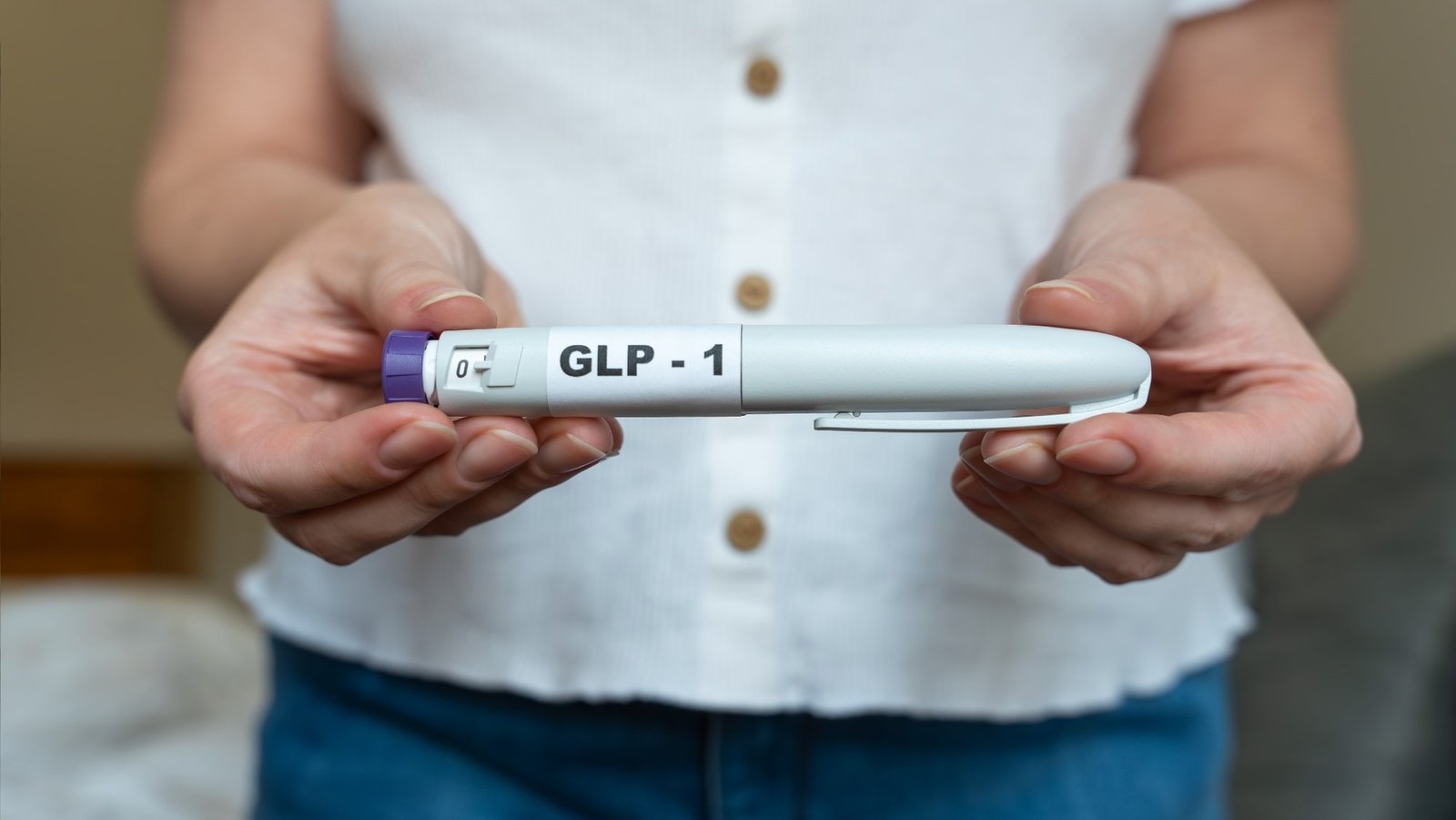
A large real-world study shows that patients who stop popular GLP-1-based weight loss drugs often return to treatment or try alternative treatments, explaining why average weight regain after stopping may be less than expected.

Study: Obesity treatments and weight changes in clinical practice after discontinuation of semaglutide or tirzepatide. Image credit: KaterynaBorodina/Shutterstock.com

Obesity treatment has been revolutionized by the introduction of glucagon-like peptide-1 receptor agonists (GLP-1 RAs) such as semaglutide and the dual GLP-1 RA/glucose-dependent insulinotropic polypeptide [GIP] receptor agonists such as tirzepatide. However, a study published in Diabetes, Obesity and Metabolism found that many patients who stop these drugs either restart treatment or switch to other options within a year.

Increasing popularity of GLP-1 therapies

Obesity affects approximately 40% of American adults. It increases the risk of type 2 diabetes mellitus (T2DM), non-alcoholic fatty liver disease and obstructive sleep apnea 3-11 times. The rapid weight loss and significant cardiovascular and metabolic benefits associated with drugs such as semaglutide and tirzepatide underlie their rapid rise in popularity.

According to another study, one in five American women between the ages of 50 and 64 reported having tried one or more of these drugs. However, previous studies suggest that up to 65% of patients discontinue them within one year, and discontinuation has been associated with weight regain and reduced cardiometabolic benefits.

Examining patient outcomes after discontinuation of GLP-1

The study used a retrospective cohort design and data from a large health care system in Ohio and Florida. All participants were overweight or obese and receiving injectable semaglutide or tirzepatide for either obesity or T2DM. The study focused on patients who discontinued medication within 3-12 months of initiation. The researchers looked at treatment patterns and weight changes after stopping.

Many patients restart or switch treatments after stopping

The study included 7,938 patients who had started injectable semaglutide or tirzepatide. Most participants were White (75%) and female (64%), with a mean age of 55.7 years. At baseline, mean body weight was 113 kg and mean body mass index (BMI) was 39.5. Most patients were covered by private insurance.

Semaglutide was the most commonly prescribed drug. Overall, 46% of patients started semaglutide for T2DM and 32% for obesity. Tirzepatide was used less frequently, with about 12% of patients starting it for T2DM and 10% for obesity.

Among those prescribed these obesity drugs, many patients discontinued treatment before reaching what the authors describe as adequate therapeutic doses. The reasons for this pattern remain unclear and require further investigation. The researchers note that pricing structures may play a role, as lower doses are sometimes offered at discounted prices through self-pay channels. Future studies should investigate whether such pricing models contribute to deviations from recommended dose escalation schedules.

After discontinuation, 19.6 % resumed the original medication, while 35 % adopted another option: alternative medication (27.4 %), medical treatment visit for lifestyle modification (13.7 %), and metabolic and bariatric surgery (0.6 %). These categories may not be exclusive.

Among patients who restarted their medication, 14% took it for obesity and 24% for T2DM. This may be because insurance coverage of the use of these agents is broader in T2DM than in obesity. The mean time to relapse was 177 days longer in obesity than in T2DM. Among alternative drugs, approximately the same proportion (<18 %) switched between tirzepatide and semaglutide either way. Other drugs included phentermine, topiramate, and bupropion.

Lifestyle-related visits included educational individual or shared visits with healthcare professionals that focused on diet, exercise, and weight management (alone or as part of diabetes management).

On average, patients treated for obesity lost 8.4% of their baseline body weight while on medication, compared with a 4.4% reduction among those treated for T2DM. One year after stopping, patients treated for obesity had gained 0.5% of their starting weight, while those treated for T2DM had lost an additional 1.3%.

However, these averages masked significant differences between individuals. Some patients regained significant weight after stopping treatment, while others maintained their weight loss or continued to lose weight. Overall, 55% of patients treated for obesity experienced weight gain after stopping, compared with 44% of patients treated for T2DM. These estimates were based on patients with available follow-up weight measurements, representing a subset of the full study population.

Further research is needed to compare different alternative treatments for RA patients after GLP-1 or dual receptor agonists.

Strengths and limitations

The authors describe this as the first study to examine obesity treatment uptake in detail, along with the direction of weight change during and after cessation. It was based on a large sample, robust data sources and a diverse study population. The analysis was also based on linked electronic health records and prescribing data and included obesity treatment in both specialist and general care settings.

Despite these strengths, the study has several limitations. The sample was drawn from a single health care system in two southern states, which may limit the generalizability of the findings. In addition, all patients received both their initial and follow-up care at the same centers. Drug shortages during the study period may also have affected treatment patterns. The analysis could be affected by residual confounding from unsupervised lifestyle modifications and, importantly, reasons for treatment discontinuation were not recorded.

Restarting or switching treatments is common after stopping GLP-1

Among patients who discontinued tirzepatide or semaglutide within the first year of treatment, many restarted the original drug or switched to another treatment. Weight change at one year after discontinuation was small but highly individual dependent and may in part reflect the fact that many patients continued or switched to other weight management treatments rather than remaining untreated.

Download the PDF copy by clicking here.

Alternatives drugs GLP1 Patients start stop
bhanuprakash.cg
healthtost
  • Website

Related Posts

Research shows women are confused about when to start mammograms

April 29, 2026

Scientists are reengineering CAR-T cells to fight more than just cancer

April 29, 2026

What the Patients’ Bill of Rights Could Mean for Black Women

April 29, 2026

Leave A Reply Cancel Reply

Don't Miss
Sexual Health

Judicial Restrictions on Abortion COVID-19 < SRHM

By healthtostApril 30, 20260

Rachel Rebouché & Adrienne Ghorashi For the past six weeks, access to abortion…

Menopausal Hair Loss Solutions: 10 Expert Tips

April 29, 2026

Research shows women are confused about when to start mammograms

April 29, 2026

Are you a fungus fanatic? We unpack the nutritional trend of mushroom mania

April 29, 2026
Stay In Touch
  • Facebook
  • Twitter
  • Pinterest
  • Instagram
  • YouTube
  • Vimeo
TAGS
Baby benefits body brain cancer care Day Diet disease exercise finds Fitness food Guide health healthy heart Improve Life Loss Men mental Natural Nutrition Patients Pregnancy protein research reveals risk routine sex sexual Skin Skincare study Therapy Tips Top Training Treatment ways weight women Workout
About Us
About Us

Welcome to HealthTost, your trusted source for breaking health news, expert insights, and wellness inspiration. At HealthTost, we are committed to delivering accurate, timely, and empowering information to help you make informed decisions about your health and well-being.

Latest Articles

Judicial Restrictions on Abortion COVID-19 < SRHM

April 30, 2026

Menopausal Hair Loss Solutions: 10 Expert Tips

April 29, 2026

Research shows women are confused about when to start mammograms

April 29, 2026
New Comments
    Facebook X (Twitter) Instagram Pinterest
    • About Us
    • Contact Us
    • Privacy Policy
    • Terms and Conditions
    • Disclaimer
    © 2026 HealthTost. All Rights Reserved.

    Type above and press Enter to search. Press Esc to cancel.