

Close Menu
Healthtost
  • News
  • Mental Health
  • Men’s Health
  • Women’s Health
  • Skin Care
  • Sexual Health
  • Pregnancy
  • Nutrition
  • Fitness
  • Recommended Essentials
What's Hot

Why the baby hiccups in the womb: What you need to know

May 17, 2026

Ben Greenfield Weekly Update: May 8th

May 16, 2026

Endoscopic sleeve gastroplasty is superior to oral semaglutide in short-term weight loss

May 16, 2026
Facebook X (Twitter) Instagram
  • About Us
  • Contact Us
  • Privacy Policy
  • Terms and Conditions
  • Disclaimer
Facebook X (Twitter) Instagram
Healthtost
SUBSCRIBE
  • News

    Endoscopic sleeve gastroplasty is superior to oral semaglutide in short-term weight loss

    May 16, 2026

    Evidence shows that RF-TC improves seizure control by changing brain networks

    May 16, 2026

    Multi-institutional trial explores new lifeline for advanced prostate patients

    May 15, 2026

    ExiVex reports human pharmacokinetic data showing that intranasal naloxone EMRX-101 approaches peak plasma concentrations similar to IV with a significantly faster Tmax than the currently approved comparator

    May 15, 2026

    Perioperative medicine is emerging as a system-wide strategy for better surgical outcomes

    May 14, 2026
  • Mental Health

    Are you caught in the cycle of chronic pain? How does Thera…

    May 15, 2026

    Why Menopause Matters in Substance Use Disorder Prevention, Treatment, and Recovery

    May 14, 2026

    because you might be right to leave a party without saying goodbye

    May 14, 2026

    Are antidepressants dangerous? The truth about violence, overuse and fear

    May 11, 2026

    Feel like a fraud? Understanding Imp…

    May 10, 2026
  • Men’s Health

    10 Best Bodyweight Movements for Strength and Muscle

    May 14, 2026

    Two leading cardiac risk tools pass a major global test

    May 12, 2026

    Beyond symptoms: Into the push to finally change the effects of cerebral palsy

    May 12, 2026

    Mix up your workout with Myo-Reps

    May 11, 2026

    The Future of the USA: Why Empires End After 250 Years and What We Should Do Now

    May 11, 2026
  • Women’s Health

    Can you bruise your clitoris? What Clitoris Pain Really Means And How To Treat It – Vuvatech

    May 16, 2026

    I didn’t sleep so well. Should I still exercise? | The Wellness Blog

    May 15, 2026

    Minoxidil 5%: A proven solution for hair regeneration

    May 14, 2026

    Postpartum sexuality research reveals common ‘desire gap’

    May 13, 2026

    Paula Poundstone on the healing power of humor

    May 12, 2026
  • Skin Care

    Best Sunscreen for Sensitive Skin: Mineral vs Chemical

    May 16, 2026

    Night Serum: What to use for best results overnight

    May 15, 2026

    7 Anti-Aging Foods That Slow Aging and Make You Look Younger

    May 14, 2026

    Benefits, uses and how to get glowing skin naturally – The natural wash

    May 14, 2026

    How to protect your skin from the sun – Tropic Skincare

    May 13, 2026
  • Sexual Health

    Why choosing a local men’s health specialist makes a difference

    May 16, 2026

    The impact of Covid-19 on young people’s access to contraceptives and contraceptive services

    May 15, 2026

    Are the symptoms of gonorrhea different in men and women?

    May 15, 2026

    How to choose the right program — Sexual Health Alliance

    May 14, 2026

    How to increase nitric oxide and without sexual health benefits

    May 12, 2026
  • Pregnancy

    Why the baby hiccups in the womb: What you need to know

    May 17, 2026

    The PMOS and insulin resistance connection – Pink Stork

    May 16, 2026

    3 things you might not think to bring to the hospital but you will want to

    May 16, 2026

    Measles is back in the news. See what pregnant women need to know.

    May 15, 2026

    What your strange pregnancy cravings are trying to tell you

    May 14, 2026
  • Nutrition

    How to be more human

    May 15, 2026

    Menstrual Nutrition: The right way to eat for your period

    May 14, 2026

    How we eat vs. How we think we eat

    May 13, 2026

    Because stress shows up in your gut

    May 12, 2026

    Why Weight Loss Isn’t The Key To Better Health (And What Is)

    May 11, 2026
  • Fitness

    Ben Greenfield Weekly Update: May 8th

    May 16, 2026

    A workout inspired by HYROX: Functional and Cardio Training

    May 16, 2026

    What are they trying to tell us and how to overcome them

    May 15, 2026

    In Ozempic or Wegovy? Here’s the one thing you can’t miss.

    May 14, 2026

    Danger Coffee Review: Worth the Hype? My honest opinion

    May 12, 2026
  • Recommended Essentials
Healthtost
Home»Pregnancy»Why the baby hiccups in the womb: What you need to know
Pregnancy

Why the baby hiccups in the womb: What you need to know

healthtostBy healthtostMay 17, 2026No Comments5 Mins Read
Facebook Twitter Pinterest LinkedIn Tumblr Reddit WhatsApp Email
Why The Baby Hiccups In The Womb: What You Need
Share
Facebook Twitter LinkedIn Pinterest WhatsApp Email

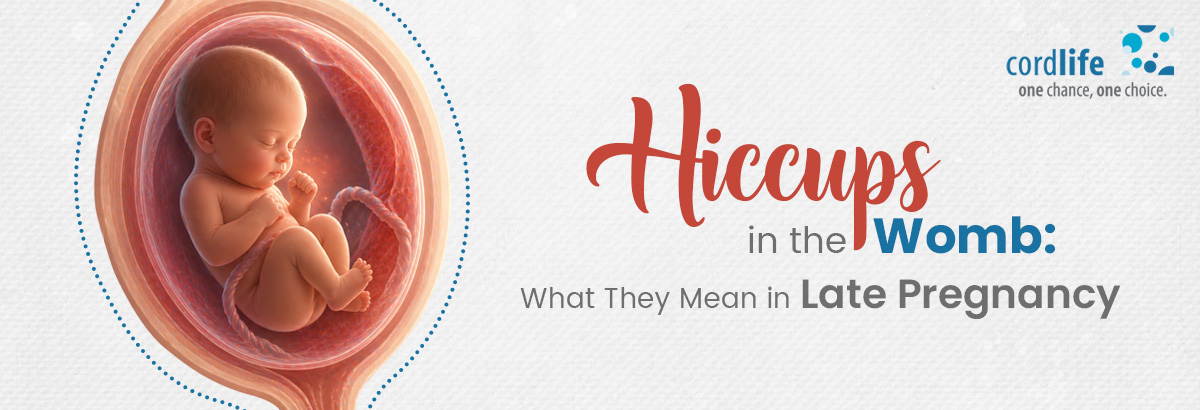
Fetal activity generally increases during the third trimester. Expectant women often feel the baby’s kicks, rolls, pushes and hiccups as labor approaches. Fetal hiccups are usually felt as very light rhythmic contractions or repetitive pulsations in a specific area of ​​the abdomen. Baby hiccups in the womb indicate that the baby’s nervous and respiratory systems are steadily maturing and that the baby is making critical breathing movements necessary for life outside the womb. This blog aims to break down fetal hiccups while highlighting when to seek medical help.

Fetal hiccups: An insight

While experienced mothers may know the patterns and intensities of various fetal movements, first-time mothers may ask why the baby hiccups in the womb. The answer is simply that fetal hiccups are simply spasms of the diaphragm of a developing fetus. The diaphragm, a primary muscle for breathing, is a muscular partition that separates the chest cavity from the abdominal cavity. As the baby inhales and exhales amniotic fluid into the lungs, the immature diaphragm is stimulated, leading to spasms or hiccups.

Fetal hiccups are normal reflexes and indicate healthy lung development. These are generally expected from the second half of the second quarter. Hiccups remain constant and can almost be predicted around weeks 32-38. As gestational age advances and the baby prepares for birth in a head-down (cephalic) position, a reduction in hiccups can be expected.

A satisfactory answer to the question, how do fetal hiccups feel, can be that fetal hiccups are felt as steady faint pulses or contractions in a certain point of the abdomen. These involuntary contractions of the fetal diaphragm generally occur within two to four seconds and can last up to five minutes or more. Fetal hiccups can be detected as visible jerks in the stomach with each contraction as labor approaches.

Fetal Hiccups: Causes

Modern doctors agree that fetal hiccups are neither random nor alarming. suggest that the fetus has achieved several important developmental milestones:

Maturation of the Central Nervous System

A baby hiccups in the womb when the phrenic nerve is stimulated, resulting in involuntary spasms of the diaphragm. Continuous, rhythmic movements are an indication that the required neurological pathways necessary to generate such contractions are optimally developed. In other words, fetal hiccups in late pregnancy are proof that the brain and spinal cord can connect to the body’s muscles to transmit messages.

Breathing practice

The fetus does not breathe air. the placenta supplies it with oxygenated blood. However, the baby’s lungs and diaphragm must be prepared for independent breathing after birth. The fetal hiccups in third trimester provide the required practice to help adjust the aperture. Fetal hiccups are also a good mechanism for removing the amniotic fluid that fills the baby’s lungs, aiding in expansion after birth.

Reflex test

The signals used to coordinate hiccups are very similar to those involved in breastfeeding. Therefore, it is suggested that the baby’s hiccups during pregnancy may play a decisive role. Fetal hiccups serve as a building block for the development of the feeding reflex in neonates. It is a natural and predictable sequence of development.

Cable compression

The supply of oxygen to the fetus is sharply reduced if the umbilical cord is wrapped around the baby’s neck. This can cause fetal hiccups.

Fetal hiccups in the third trimester: Frequency and pattern

Fetal hiccups are indicative of a healthy, thriving baby. As pregnancy progresses, the baby’s nervous system and brain develop further, gaining control of muscle reflexes. This means that the frequency of hiccups of the baby in the womb normally decreases. The stimulation of the phrenic nerve is best monitored by the brain.

The fetus hiccups several times a day at the beginning of the third trimester. this is gradually reduced to once a day in weeks 32-40. However, if the hiccups disappear completely or increase drastically (more than 4 different episodes per day) after 36u week, combined with reduced fetal movement, early prenatal assessment is important.

Management of maternal distress

When it concerns expectant parents wonder If fetal hiccups are normal in the third trimester, as they can interfere with the mother’s sleep schedule, it would be wise to learn to adjust these involuntary reflexes. However, the following can help alleviate the situation:

Body position

A change in the mother’s position may encourage the fetus to change position as well. Turning on the side, taking a walk, or elevating the hips with pillows to change the pressure on the diaphragm can help relieve hiccups.

Diet

Eating small meals at short intervals negates the problem of fluctuating blood glucose levels that contribute to increased fetal activity, including hiccups.

Conclusion

To top it off, fetal hiccups along with fetal movements are how a baby communicates with the mother. When asked about fetal hiccups, what does it mean? This is simply a response to various factors that are usually favorable to the baby’s development and indicate overall well-being.

Baby hiccups womb
bhanuprakash.cg
healthtost
  • Website

Related Posts

The PMOS and insulin resistance connection – Pink Stork

May 16, 2026

3 things you might not think to bring to the hospital but you will want to

May 16, 2026

Measles is back in the news. See what pregnant women need to know.

May 15, 2026

Leave A Reply Cancel Reply

Don't Miss
Pregnancy

Why the baby hiccups in the womb: What you need to know

By healthtostMay 17, 20260

Fetal activity generally increases during the third trimester. Expectant women often feel the baby’s kicks,…

Ben Greenfield Weekly Update: May 8th

May 16, 2026

Endoscopic sleeve gastroplasty is superior to oral semaglutide in short-term weight loss

May 16, 2026

Best Sunscreen for Sensitive Skin: Mineral vs Chemical

May 16, 2026
Stay In Touch
  • Facebook
  • Twitter
  • Pinterest
  • Instagram
  • YouTube
  • Vimeo
TAGS
Baby benefits body brain cancer care Day Diet disease exercise finds Fitness food Guide health healthy heart Improve Life Loss Men mental Natural Nutrition Patients Pregnancy research reveals risk routine sex sexual Skin Skincare study Therapy Tips Top Training Treatment Understanding ways weight women Workout
About Us
About Us

Welcome to HealthTost, your trusted source for breaking health news, expert insights, and wellness inspiration. At HealthTost, we are committed to delivering accurate, timely, and empowering information to help you make informed decisions about your health and well-being.

Latest Articles

Why the baby hiccups in the womb: What you need to know

May 17, 2026

Ben Greenfield Weekly Update: May 8th

May 16, 2026

Endoscopic sleeve gastroplasty is superior to oral semaglutide in short-term weight loss

May 16, 2026
New Comments
    Facebook X (Twitter) Instagram Pinterest
    • About Us
    • Contact Us
    • Privacy Policy
    • Terms and Conditions
    • Disclaimer
    © 2026 HealthTost. All Rights Reserved.

    Type above and press Enter to search. Press Esc to cancel.