

Close Menu
Healthtost
  • News
  • Mental Health
  • Men’s Health
  • Women’s Health
  • Skin Care
  • Sexual Health
  • Pregnancy
  • Nutrition
  • Fitness
  • Recommended Essentials
What's Hot

Sweet rhubarb butter & strawberry rhubarb

April 15, 2026

Training Strategies to Build Your Own Terminator Army – Tony Gentilcore

April 15, 2026

ORGAPRED Selects CYTOQUBE® from Hamamatsu Photonics for Personalized Oncology Research and Therapeutic Discovery

April 15, 2026
Facebook X (Twitter) Instagram
  • About Us
  • Contact Us
  • Privacy Policy
  • Terms and Conditions
  • Disclaimer
Facebook X (Twitter) Instagram
Healthtost
SUBSCRIBE
  • News

    ORGAPRED Selects CYTOQUBE® from Hamamatsu Photonics for Personalized Oncology Research and Therapeutic Discovery

    April 15, 2026

    States change custody laws to keep children of immigrant detainees out of foster care

    April 14, 2026

    Study Warns of Teens’ Growing Dependence on AI Companions

    April 14, 2026

    Competition between brain circuits is key to intelligent behavior

    April 13, 2026

    Study reveals brain mechanisms behind urinary incontinence after stroke

    April 13, 2026
  • Mental Health

    Is it anxiety or OCD? 2 psychology experts explain the difference

    April 14, 2026

    Understanding the different types of treatment: C…

    April 10, 2026

    How does Medicare’s new Mental Health Check In work? Is this low-intensity CBT likely to help?

    April 10, 2026

    the surprisingly common condition with a scary name

    April 6, 2026

    How yoga helps heal emotional wounds

    April 4, 2026
  • Men’s Health

    Vaping may increase risk of cognitive decline in young adults, study finds

    April 14, 2026

    Opinion: Prediction markets are betting against public health

    April 14, 2026

    A monk’s method for falling asleep fast

    April 13, 2026

    The Future of MenAlive: From Men’s Health to Relational Healing and Transformation

    April 13, 2026

    Traveling by plane with BPH

    April 9, 2026
  • Women’s Health

    Are you drinking enough water? 5 simple tips to stay hydrated

    April 15, 2026

    What is urea for dry skin?

    April 13, 2026

    Beyond fitness: Why exercise is vital to improving cardiovascular health

    April 12, 2026

    5 ways to put your health dollars to work this spring

    April 11, 2026

    “Fueling the Fight” — Nutrition during and after cancer treatment

    April 11, 2026
  • Skin Care

    Wait – can makeup really cause a reaction to gluten?

    April 14, 2026

    CoolSculpting Elite – SkinCare Physicians

    April 13, 2026

    Why Your Skin Barrier Is The Most Important Thing You’re Ignoring – Lifeline Skin Care

    April 12, 2026

    Spa Los Angeles: Best Services to Book for Real Results

    April 12, 2026

    Spring skincare: Why your skin needs more support, not less

    April 11, 2026
  • Sexual Health

    Personal and Professional considerations between generations

    April 15, 2026

    Can you get tested for herpes without an outbreak?

    April 14, 2026

    At the Intersection of Autism, LGBTQIA+ Identity and Kink — Sexual Health Alliance

    April 13, 2026

    Endometriosis procedures are reimbursed at lower rates, doctors say

    April 8, 2026

    Reflections two years later in a global context < SRHM

    April 8, 2026
  • Pregnancy

    Serious maternal complications affect nearly 3 per cent of pregnancies, Ontario study finds

    April 11, 2026

    Third Trimester Nutrition Guide for Indian Moms

    April 10, 2026

    How your partner can support a happier pregnancy

    April 9, 2026

    Exposure to plastic during pregnancy may be linked to more premature births than expected

    April 4, 2026

    How to relieve numbness and tingling in the legs in the third trimester?

    April 3, 2026
  • Nutrition

    Sweet rhubarb butter & strawberry rhubarb

    April 15, 2026

    High protein comfort food for women who are tired of salads

    April 14, 2026

    Blueberry Chia Pudding (Easy Breakfast!) • Kath Eats

    April 13, 2026

    Because cooling potatoes reduces their glycemic load

    April 12, 2026

    The mind-body connection of fertility

    April 12, 2026
  • Fitness

    Training Strategies to Build Your Own Terminator Army – Tony Gentilcore

    April 15, 2026

    10 Mental Health Tips for Those Who Work From Home

    April 14, 2026

    7 shoulder exercises that keep your arms strong and pain-free after 40

    April 14, 2026

    Inside The OPEX Method Mentorship: A Coach’s POV with Dr David Skolnik (Week 1)

    April 12, 2026

    Active summer camps that build healthy lifelong habits in 6 US states

    April 12, 2026
  • Recommended Essentials
Healthtost
Home»News»New skin-permeable polymer delivers insulin without needles
News

New skin-permeable polymer delivers insulin without needles

healthtostBy healthtostNovember 25, 2025No Comments2 Mins Read
Facebook Twitter Pinterest LinkedIn Tumblr Reddit WhatsApp Email
New Skin Permeable Polymer Delivers Insulin Without Needles
Share
Facebook Twitter LinkedIn Pinterest WhatsApp Email

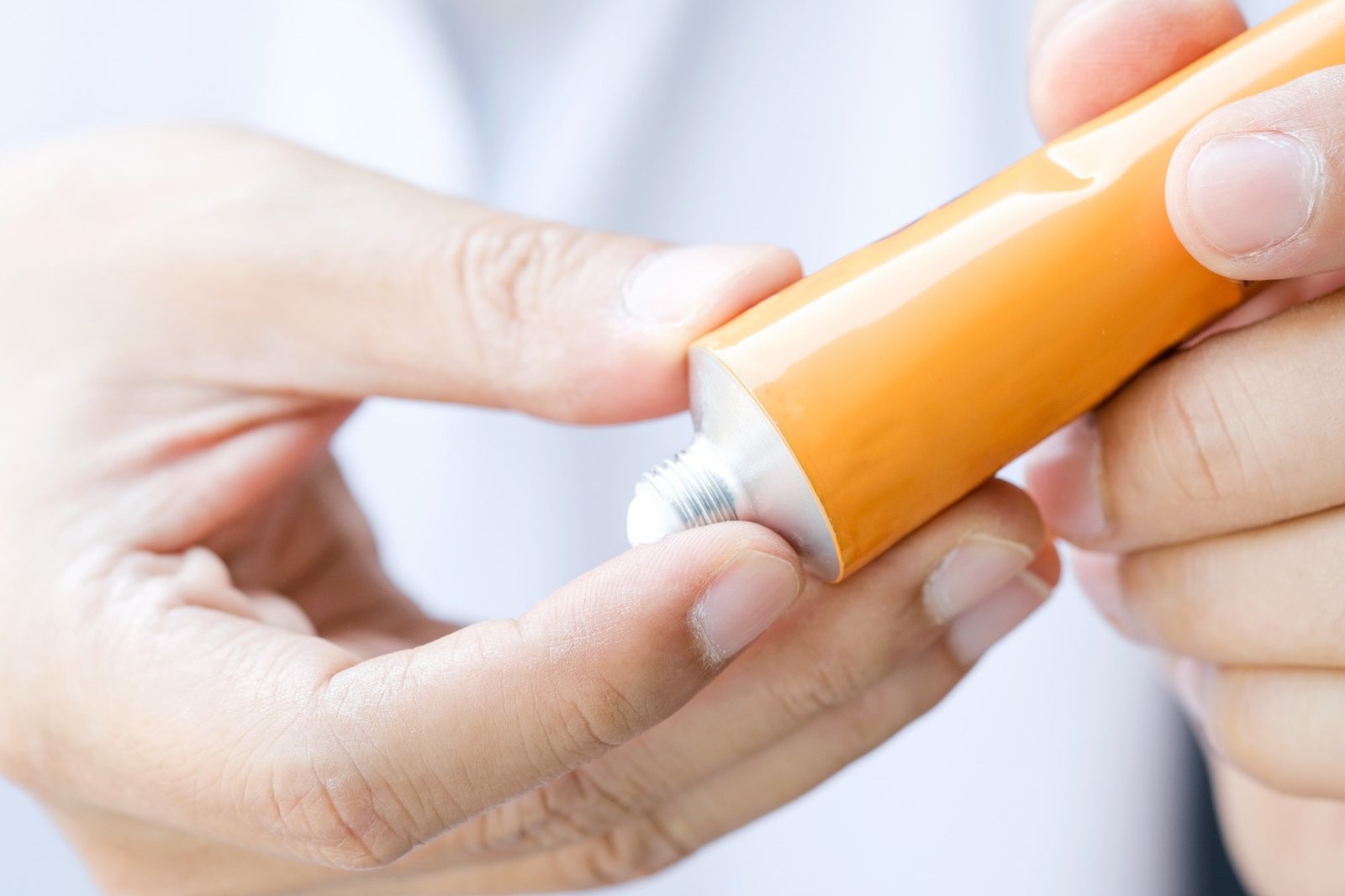
A breakthrough zwitterionic polymer glides through the toughest skin barriers, delivering insulin deep into tissue and normalizing blood sugar, offering patients a painless alternative to daily injections.

Study: A skin-permeable polymer for non-invasive transdermal insulin delivery. Image credit: Me dia/Shutterstock.com

A recent study published in the journal Nature examines the use of the skin-permeable poly molecule[2-(N-oxide-N,N-dimethylamino)ethyl methacrylate] (OP) as an insulin delivery system, a key drug in the treatment of type 1 and many cases of type 2 diabetes mellitus.

Small molecule drugs are often designed to be absorbed through the skin. However, this has not been found feasible for large biomolecules such as proteins and peptides such as insulin.

Obstacles to insulin delivery

Insulin is usually given by intradermal injection. This method is painful, can cause fear of needles and skin complications, which are associated with poor patient compliance. No successful non-invasive insulin delivery technique has yet been reported.

Transdermal drug delivery offers many advantages, including improved patient compliance, convenience, increased concentration of active drug by avoiding denaturation, and reduced first-pass metabolism of the drug. Among the biggest challenges in this approach is getting past the stratum corneum (SC) of the skin.

The SC consists of dead and desiccated keratinocytes surrounded by a well-arranged fatty matrix. Together with the tight junctions of the epithelium in the epidermis and dermis, this is a barrier to drug penetration. Possible approaches include chemical penetration enhancers, electrical devices that force the drug to penetrate the skin, and ultrasound or jet injection instead of hypodermic needles, as well as microneedles. However, because they are invasive, they are associated with a higher risk of infection.

Cationic peptides can sometimes pass through the skin, bound to organic acids in the sebum and stratum corneum. However, this binding immobilizes them in the SC, preventing their deeper diffusion. Their only route is through hair follicles and sweat glands, which make up <0.1% of the skin's surface, meaning penetration is inefficient.

This prompted the current exploration of the new OP polymer. The extreme skin permeability of OP-I does not imply any change in the lipid sequence or structure of the skin. In contrast, molecular dynamics simulations revealed that OP-I was absorbed by stratum corneum fats faster than native insulin, rapidly diffusing through the lipids to reach the dermis and subcutaneous tissue.

This was characterized by a transition from its protonated cationic state (at pH 5 or lower) to a zwitterion upon crossing the skin (at neutral pH). This pH-dependent charge shift aligns with the skin’s acid-to-neutral gradient and is central to OP transport behavior.

This switch corresponds to the change in pH of the skin layers, going from superficial to deep. Upon topical application to the skin, OP accumulates in the acidic sebum and fatty acids contained in the fat layer of keratinized cells. In the deeper layers of the SC, which have a neutral pH, it becomes polyzitteric, thus favoring free diffusion by reducing electrostatic interactions with stratum corneum lipids.

The OP can thus pass quickly and smoothly through the skin into the blood and lymphatic vessels. OP and OP-insulin enter the systemic circulation mainly through the leaking lymphatic capillaries before reaching the bloodstream.

Study findings

Diffusion OP

The researchers applied fluorescently labeled OP to the skin surface of mice and minipigs (the latter’s skin closely resembles human skin) and monitored its passage through the skin using high-resolution imaging.

In mice, OP diffused into all layers of the skin within four hours of topical application, while control polyethylene glycol (PEG) remained on the skin surface. In the epidermis and dermis, OP-I moved by membrane-mediated diffusion without entering the cell. This involved rapid “jumping” across adjacent cell membranes rather than intracellular transport.

Further confirmation was obtained by visualizing the gold nanoparticles bound to OP within the lipid laminae of the fat layer of the mesenchymal cells. OP penetrates the skin with excellent efficiency, entering the bloodstream within 30 minutes. His concentration peaked about two hours later.

Coupled with OP insulin

Recombinant human insulin was then coupled to OP (OP-I), with pegylated insulin serving as a control, with a similar molecular mass of 5 kDa. OP-I had the same secondary structure as insulin. It also showed unchanged receptor binding and binding-dimension constants, indicating that it retained intact the receptor specificity and affinity of native insulin.

OP-I skin permeability was measured by the drop in blood glucose after topical application. Compared with unbound insulin, conjugated insulin produced the same reduction in blood glucose.

Thus, the study suggests that OP-I behaves similarly to insulin, binding to the insulin receptor with unchanged specificity and activating downstream pathways that result in glucose-lowering effects. OP-I had a longer half-life than insulin, possibly due to its zwitterionic nature that resists plasma protein binding and removal from the blood. This extension was modest (15 to 20 minutes vs. 5 to 10 minutes for natural insulin).

Modeling the skin penetration of OP-I over time using confocal laser scanning microscopy (CLSM) showed its uniform spread across the epidermis in half an hour. In contrast, native insulin and PEG-I remained on the skin surface. Thus, OP-I had the highest permeability coefficient among the three, approximately 4.5 and 9 times that of PEG-I and insulin, respectively.

Effects of OP on insulin and blood glucose

OP-I achieved comparable plasma levels to subcutaneous insulin within two hours. After that point, its levels were 60% to 600% higher than with insulin. The other two molecules did not affect insulin levels in the blood.

In mice with type 1 diabetes, OP-I normalized blood glucose levels. Once in the blood, OP-I was mainly taken up by the liver, lungs and kidneys, inducing insulin activity. Its activity was prolonged compared to subcutaneous native insulin, which was rapidly cleared from the bloodstream without significant accumulation in these tissues. OP-I regulated blood glucose levels in diabetic mice better than other treatments.

Similar findings were observed in minipigs, with OP-I entering the dermis and subcutaneous tissue four hours after topical application. It produced normal blood glucose levels within two hours and maintained them for 12 hours.

In particular, topical application of OP-I did not irritate the skin or cause inflammation. Repeated application to both mice and piglets did not induce structural changes in the stratum corneum or signs of immunoactivation.

To insulin without a needle

The skin-permeable polymer may enable non-invasive transdermal delivery of insulin, relieving diabetes patients of subcutaneous injections and potentially facilitating the patient-friendly use of other protein- and peptide-based therapies via transdermal delivery.

Download your PDF copy now!

delivers insulin needles polymer skinpermeable
bhanuprakash.cg
healthtost
  • Website

Related Posts

ORGAPRED Selects CYTOQUBE® from Hamamatsu Photonics for Personalized Oncology Research and Therapeutic Discovery

April 15, 2026

States change custody laws to keep children of immigrant detainees out of foster care

April 14, 2026

Study Warns of Teens’ Growing Dependence on AI Companions

April 14, 2026

Leave A Reply Cancel Reply

Don't Miss
Nutrition

Sweet rhubarb butter & strawberry rhubarb

By healthtostApril 15, 20260

It’s time for our first sweet harvests of the season – rhubarb is here and…

Training Strategies to Build Your Own Terminator Army – Tony Gentilcore

April 15, 2026

ORGAPRED Selects CYTOQUBE® from Hamamatsu Photonics for Personalized Oncology Research and Therapeutic Discovery

April 15, 2026

Are you drinking enough water? 5 simple tips to stay hydrated

April 15, 2026
Stay In Touch
  • Facebook
  • Twitter
  • Pinterest
  • Instagram
  • YouTube
  • Vimeo
TAGS
Baby benefits body brain cancer care Day Diet disease exercise finds Fitness food Guide health healthy heart Improve Life Loss Men mental Natural Nutrition Patients People Pregnancy research reveals risk routine sex sexual Skin Skincare study Therapy Tips Top Training Treatment ways weight women Workout
About Us
About Us

Welcome to HealthTost, your trusted source for breaking health news, expert insights, and wellness inspiration. At HealthTost, we are committed to delivering accurate, timely, and empowering information to help you make informed decisions about your health and well-being.

Latest Articles

Sweet rhubarb butter & strawberry rhubarb

April 15, 2026

Training Strategies to Build Your Own Terminator Army – Tony Gentilcore

April 15, 2026

ORGAPRED Selects CYTOQUBE® from Hamamatsu Photonics for Personalized Oncology Research and Therapeutic Discovery

April 15, 2026
New Comments
    Facebook X (Twitter) Instagram Pinterest
    • About Us
    • Contact Us
    • Privacy Policy
    • Terms and Conditions
    • Disclaimer
    © 2026 HealthTost. All Rights Reserved.

    Type above and press Enter to search. Press Esc to cancel.