

Close Menu
Healthtost
  • News
  • Mental Health
  • Men’s Health
  • Women’s Health
  • Skin Care
  • Sexual Health
  • Pregnancy
  • Nutrition
  • Fitness
  • Recommended Essentials
What's Hot

The use of electric bicycles and scooters causes an increase in brain injuries

April 15, 2026

New developments in screening for osteoporosis and osteopenia

April 15, 2026

Fact or Fiction? 12 skincare myths, busted

April 15, 2026
Facebook X (Twitter) Instagram
  • About Us
  • Contact Us
  • Privacy Policy
  • Terms and Conditions
  • Disclaimer
Facebook X (Twitter) Instagram
Healthtost
SUBSCRIBE
  • News

    The use of electric bicycles and scooters causes an increase in brain injuries

    April 15, 2026

    ORGAPRED Selects CYTOQUBE® from Hamamatsu Photonics for Personalized Oncology Research and Therapeutic Discovery

    April 15, 2026

    States change custody laws to keep children of immigrant detainees out of foster care

    April 14, 2026

    Study Warns of Teens’ Growing Dependence on AI Companions

    April 14, 2026

    Competition between brain circuits is key to intelligent behavior

    April 13, 2026
  • Mental Health

    Is it anxiety or OCD? 2 psychology experts explain the difference

    April 14, 2026

    Understanding the different types of treatment: C…

    April 10, 2026

    How does Medicare’s new Mental Health Check In work? Is this low-intensity CBT likely to help?

    April 10, 2026

    the surprisingly common condition with a scary name

    April 6, 2026

    How yoga helps heal emotional wounds

    April 4, 2026
  • Men’s Health

    Vaping may increase risk of cognitive decline in young adults, study finds

    April 14, 2026

    Opinion: Prediction markets are betting against public health

    April 14, 2026

    A monk’s method for falling asleep fast

    April 13, 2026

    The Future of MenAlive: From Men’s Health to Relational Healing and Transformation

    April 13, 2026

    Traveling by plane with BPH

    April 9, 2026
  • Women’s Health

    New developments in screening for osteoporosis and osteopenia

    April 15, 2026

    Are you drinking enough water? 5 simple tips to stay hydrated

    April 15, 2026

    What is urea for dry skin?

    April 13, 2026

    Beyond fitness: Why exercise is vital to improving cardiovascular health

    April 12, 2026

    5 ways to put your health dollars to work this spring

    April 11, 2026
  • Skin Care

    Fact or Fiction? 12 skincare myths, busted

    April 15, 2026

    Wait – can makeup really cause a reaction to gluten?

    April 14, 2026

    CoolSculpting Elite – SkinCare Physicians

    April 13, 2026

    Why Your Skin Barrier Is The Most Important Thing You’re Ignoring – Lifeline Skin Care

    April 12, 2026

    Spa Los Angeles: Best Services to Book for Real Results

    April 12, 2026
  • Sexual Health

    Judicial reform is the only real way out of today’s political hell

    April 15, 2026

    Personal and Professional considerations between generations

    April 15, 2026

    Can you get tested for herpes without an outbreak?

    April 14, 2026

    At the Intersection of Autism, LGBTQIA+ Identity and Kink — Sexual Health Alliance

    April 13, 2026

    Endometriosis procedures are reimbursed at lower rates, doctors say

    April 8, 2026
  • Pregnancy

    Serious maternal complications affect nearly 3 per cent of pregnancies, Ontario study finds

    April 11, 2026

    Third Trimester Nutrition Guide for Indian Moms

    April 10, 2026

    How your partner can support a happier pregnancy

    April 9, 2026

    Exposure to plastic during pregnancy may be linked to more premature births than expected

    April 4, 2026

    How to relieve numbness and tingling in the legs in the third trimester?

    April 3, 2026
  • Nutrition

    Sweet rhubarb butter & strawberry rhubarb

    April 15, 2026

    High protein comfort food for women who are tired of salads

    April 14, 2026

    Blueberry Chia Pudding (Easy Breakfast!) • Kath Eats

    April 13, 2026

    Because cooling potatoes reduces their glycemic load

    April 12, 2026

    The mind-body connection of fertility

    April 12, 2026
  • Fitness

    Training Strategies to Build Your Own Terminator Army – Tony Gentilcore

    April 15, 2026

    10 Mental Health Tips for Those Who Work From Home

    April 14, 2026

    7 shoulder exercises that keep your arms strong and pain-free after 40

    April 14, 2026

    Inside The OPEX Method Mentorship: A Coach’s POV with Dr David Skolnik (Week 1)

    April 12, 2026

    Active summer camps that build healthy lifelong habits in 6 US states

    April 12, 2026
  • Recommended Essentials
Healthtost
Home»Women's Health»Immune Checkpoint Inhibitors – HealthyWomen
Women's Health

Immune Checkpoint Inhibitors – HealthyWomen

healthtostBy healthtostDecember 26, 2025No Comments6 Mins Read
Facebook Twitter Pinterest LinkedIn Tumblr Reddit WhatsApp Email
Immune Checkpoint Inhibitors Healthywomen
Share
Facebook Twitter LinkedIn Pinterest WhatsApp Email

Español

One of the best tools your body has to stay healthy is your immune system. This elaborate, protective force inside you is designed to seek out and destroy hostile cells (things that don’t belong), such as viruses, bacteria, and sometimes cancer cells. However, cancer can be tricky because some cancer cells learn how to hide from the immune system so they are not recognized as a threat. When this happens, your immune system may not recognize them as an enemy and attack them as it should.

Immunotherapy is a type of treatment that helps your immune system work better against cancer. It boosts your immune system to help it find and attack the real threat. An important type of immunotherapy is called immune checkpoint inhibitors, which are drugs that help your immune system “see” cancer cells more clearly so it can attack them.

Here’s what you need to know about immune checkpoint inhibitors.

What is an immune checkpoint?

Your immune system is designed to attack things that don’t belong in your body. But, sometimes, when your immune system tries to target foreign cells, it has such a strong reaction that it kills healthy cells too.

Immune checkpoints are kind of like natural “brakes” that help control the immune system. They help turn the immune response on and off as needed so your body doesn’t accidentally attack itself.

How do immune checkpoint inhibitors work?

Immune checkpoint inhibitors help the immune system stay active so it can fight cancer cells more effectively.

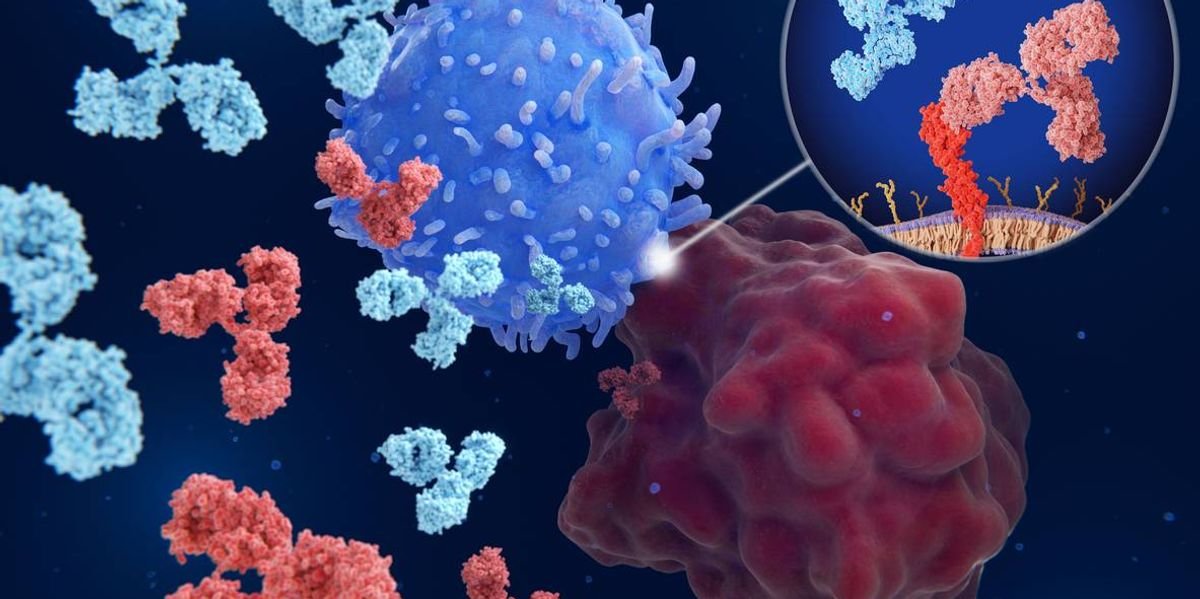
Some cancer cells use special proteins to put the brakes on the immune system. When these proteins in the cancer cells bind to certain proteins in the immune cells, the immune system is turned off. This prevents the immune cells from attacking the cancer cells and allows the cancer to grow and spread.

Immune checkpoint inhibitors block this connection. When the “brakes” cannot be activated, the immune system remains alert and can attack the cancer cells.

Most immune checkpoint inhibitors are given as a liquid infusion through a vein. Some are given as an injection under the skin. A typical infusion session will last about 30 to 60 minutes, but you will likely need several infusion sessions during your treatment.

What are the different types of immune checkpoint inhibitors?

There are several types of immune checkpoint inhibitors. Each targets a different “off switch” in the immune system.

PD-1 and PD-L1 inhibitors: T cells, also called fighter cells, have a protein called PD-1 that helps them not attack healthy cells. Healthy cells have a corresponding protein called PD-L1. When PD-1 and PD-L1 bind, the immune response is turned off.

Some cancer cells also have PD-L1 proteins that trick the immune system into turning off, which allows the cancer cells to grow. PD-1 and PD-L1 inhibitors block this connection, preventing cancer cells from turning off the immune response so T cells can continue to fight cancer.

CTLA-4 inhibitors: Like PD-1, CTLA-4 is another protein on T cells that turns off the immune response, acting as an off switch for the immune system. CTLA-4 inhibitors block this switch, preventing the checkpoint from turning off so T cells can continue to fight cancer. This type of inhibitor is often used along with PD-1 and PD-L1 inhibitors for certain cancers.

LAG-3 inhibitors: LAG-3 is a checkpoint protein found in various types of immune cells, including T cells. It also acts as an off switch to prevent the immune system from attacking healthy cells. LAG-3 inhibitors prevent checkpoints from turning off the immune system so that immune cells can continue to attack cancer cells. Currently, this type of inhibitor (called relatlimab) is used with the PD-1 inhibitor called nivolumab to treat melanoma. Researchers are studying whether they can help treat other cancers as well.

What are the common side effects of immune checkpoint inhibitors?

Because immune checkpoint inhibitors activate the immune system, they can sometimes cause inflammation in almost any organ. These problems are called immune-related adverse events (irAEs).

They can range from mild problems – such as a rash or fever – to more serious problems, such as inflammation of the stomach and intestines or, in rare cases, the heart. Most side effects are mild, but serious, even life-threatening reactions can occur, so it’s important to report any new symptoms to your care team right away.

The most common side effects of an immune checkpoint inhibitor are rash, diarrhea, fatigue, and thyroid complications, but all kinds of side effects can result from inflammation. These side effects may include:

  • Rash, itching, skin color changes — Skin toxicity (dermatitis)
  • Coughing or difficulty breathing — inflammation of the lungs (pneumonitis)
  • Chest pain — heart inflammation (myocarditis) or inflammation of the lining around the heart (pericarditis)
  • Nausea, diarrhea or stomach pain — inflammation of the stomach or intestines (gastritis, colitis)
  • Hepatitis — inflammation of the liver
  • New diabetes — inflammation of the pancreas (pancreatitis) which can affect insulin production
  • Thyroid problems — overactive or underactive thyroid (thyroiditis)
  • Hypophysitis — inflammation of the pituitary gland, which can affect hormone levels
  • Nephritis — inflammation of the kidneys
  • Muscle weakness or numbness — inflammation of nerves or muscles (neuropathy or myositis)

How are immune checkpoint inhibitors used to treat cancer?

Since the first immune checkpoint inhibitor was approved in 2011, these drugs have become an important part of cancer treatment. Today, there are more than 100 approved uses for different checkpoint inhibitors. They are used to treat many types of cancer, including breast, lung, stomach, skin, kidney, and several blood cancers, among others.

These drugs were originally used mostly for metastatic cancer, meaning cancer that has spread to other parts of the body. Over time, research has shown that they can also help earlier in the course of the disease. Immune checkpoint inhibitors are now used to:

  • Adjuvant setting — treatment given after surgery to reduce the chance of the cancer coming back
  • Neoadjuvant treatment — treatment given before surgery to help shrink the tumor and improve outcomes

Whether your medical team recommends an immune checkpoint inhibitor depends on many factors, including the type of cancer you have, how advanced it is, what treatments you’ve already had, and your overall health.

Because these drugs activate the immune system, it is very important to pay attention to any new or changing symptoms during treatment. Treating side effects early helps your care team treat them quickly and prevent more serious problems.

Learning how to recognize these symptoms—and telling your care team right away—is a key part of staying safe while receiving immunotherapy.

This educational resource was created with the support ofm Merck.

From your website articles

Related articles around the web

checkpoint HealthyWomen immune inhibitors
bhanuprakash.cg
healthtost
  • Website

Related Posts

New developments in screening for osteoporosis and osteopenia

April 15, 2026

Are you drinking enough water? 5 simple tips to stay hydrated

April 15, 2026

What is urea for dry skin?

April 13, 2026

Leave A Reply Cancel Reply

Don't Miss
News

The use of electric bicycles and scooters causes an increase in brain injuries

By healthtostApril 15, 20260

The growing use of electric bikes and scooters has caused an increase in brain and…

New developments in screening for osteoporosis and osteopenia

April 15, 2026

Fact or Fiction? 12 skincare myths, busted

April 15, 2026

Judicial reform is the only real way out of today’s political hell

April 15, 2026
Stay In Touch
  • Facebook
  • Twitter
  • Pinterest
  • Instagram
  • YouTube
  • Vimeo
TAGS
Baby benefits body brain cancer care Day Diet disease exercise finds Fitness food Guide health healthy heart Improve Life Loss Men mental Natural Nutrition Patients People Pregnancy research reveals risk routine sex sexual Skin Skincare study Therapy Tips Top Training Treatment ways weight women Workout
About Us
About Us

Welcome to HealthTost, your trusted source for breaking health news, expert insights, and wellness inspiration. At HealthTost, we are committed to delivering accurate, timely, and empowering information to help you make informed decisions about your health and well-being.

Latest Articles

The use of electric bicycles and scooters causes an increase in brain injuries

April 15, 2026

New developments in screening for osteoporosis and osteopenia

April 15, 2026

Fact or Fiction? 12 skincare myths, busted

April 15, 2026
New Comments
    Facebook X (Twitter) Instagram Pinterest
    • About Us
    • Contact Us
    • Privacy Policy
    • Terms and Conditions
    • Disclaimer
    © 2026 HealthTost. All Rights Reserved.

    Type above and press Enter to search. Press Esc to cancel.