

Close Menu
Healthtost
  • News
  • Mental Health
  • Men’s Health
  • Women’s Health
  • Skin Care
  • Sexual Health
  • Pregnancy
  • Nutrition
  • Fitness
  • Recommended Essentials
What's Hot

Boost erectile health and confidence

May 1, 2026

5 things you need for the third trimester

May 1, 2026

How to create a self-care plan when you’re stressed

May 1, 2026
Facebook X (Twitter) Instagram
  • About Us
  • Contact Us
  • Privacy Policy
  • Terms and Conditions
  • Disclaimer
Facebook X (Twitter) Instagram
Healthtost
SUBSCRIBE
  • News

    Timing of food may shape how T cells respond to infection and therapy

    May 1, 2026

    UCLA researchers build programmable artificial organs using RNA

    April 30, 2026

    Sapio Sciences brings Claude Cowork to the lab

    April 30, 2026

    Research shows women are confused about when to start mammograms

    April 29, 2026

    Scientists are reengineering CAR-T cells to fight more than just cancer

    April 29, 2026
  • Mental Health

    What animal studies teach us about toxic work environments

    April 27, 2026

    I hate hope: How to manage hope when you have treatment-resistant bipolar disorder

    April 19, 2026

    Rose Byrne is raw, magnetic and unfiltered as a woman in crisis

    April 18, 2026

    Can a single mother change her child’s surname in India?

    April 16, 2026

    Is it anxiety or OCD? 2 psychology experts explain the difference

    April 14, 2026
  • Men’s Health

    3 Day Home Workout Plan: Build Muscle and Burn Fat

    April 30, 2026

    GLP-1 drugs promise broader health benefits, but experts advise caution on use

    April 28, 2026

    Trauma patients recover faster when medical teams know each other well, new study finds

    April 28, 2026

    I did red light therapy for 3 months so I shouldn’t have

    April 27, 2026

    Sex Secrets for Men Over 40: Surviving Male Menopause

    April 27, 2026
  • Women’s Health

    What is the difference between UVA and UVB rays?

    May 1, 2026

    Are you a fungus fanatic? We unpack the nutritional trend of mushroom mania

    April 29, 2026

    What the Patients’ Bill of Rights Could Mean for Black Women

    April 29, 2026

    Navigating sexual health during and after cancer

    April 28, 2026

    Do tampons break the hymen? Facts, Myths and What You Need to Know – Vuvatech

    April 27, 2026
  • Skin Care

    What happens to your skin while you sleep? (the science of “Beauty Sle

    May 1, 2026

    Face Peeling Mask Guide: Shine Without Irritation

    April 28, 2026

    Is your moisturizing face mist really drying out your skin?

    April 28, 2026

    Uses and Benefits of TNW Natural Aloe Vera Face Gel – The Natural Wash

    April 27, 2026

    Our strongest retina serum yet – Tropic Skincare

    April 27, 2026
  • Sexual Health

    Boost erectile health and confidence

    May 1, 2026

    Judicial Restrictions on Abortion COVID-19 < SRHM

    April 30, 2026

    Can herpes affect fertility?

    April 29, 2026

    The Importance of Personalized Care in Medication Assisted Therapy (MAT) Programs I Novus

    April 28, 2026

    Your favorite mold is lying to you (a little) — Sexual Health Alliance

    April 28, 2026
  • Pregnancy

    5 things you need for the third trimester

    May 1, 2026

    Eating disorders in pregnancy and breastfeeding: Why “healthy eating” is not always easy

    May 1, 2026

    Comprehensive yoga for pregnancy, birth and beyond

    April 29, 2026

    Midwifery and Life – The postnatal health check New mums don’t know they can ask for

    April 28, 2026

    Epidural and unmedicated delivery with two different deliveries

    April 26, 2026
  • Nutrition

    How to create a self-care plan when you’re stressed

    May 1, 2026

    I answer the most HOT Questions about Fatty Liver

    April 29, 2026

    Why You’re Not Losing Weight After 35 (Even When You Eat Less)

    April 28, 2026

    Where to eat in London

    April 27, 2026

    Dr. Will Cole on Why Hire FDN Professionals

    April 26, 2026
  • Fitness

    A Hike Leader’s Must-Have Kit

    April 30, 2026

    Menopausal Hair Loss Solutions: 10 Expert Tips

    April 29, 2026

    Identity Inversion: Part 1 – Ben Greenfield Life

    April 29, 2026

    How to improve accessibility in your gym

    April 28, 2026

    Can a 10-minute workout really change your health?

    April 27, 2026
  • Recommended Essentials
Healthtost
Home»News»Do you fall for fake news? Age and analytical thinking can save you
News

Do you fall for fake news? Age and analytical thinking can save you

healthtostBy healthtostNovember 18, 2024No Comments6 Mins Read
Facebook Twitter Pinterest LinkedIn Tumblr Reddit WhatsApp Email
Do You Fall For Fake News? Age And Analytical Thinking
Share
Facebook Twitter LinkedIn Pinterest WhatsApp Email

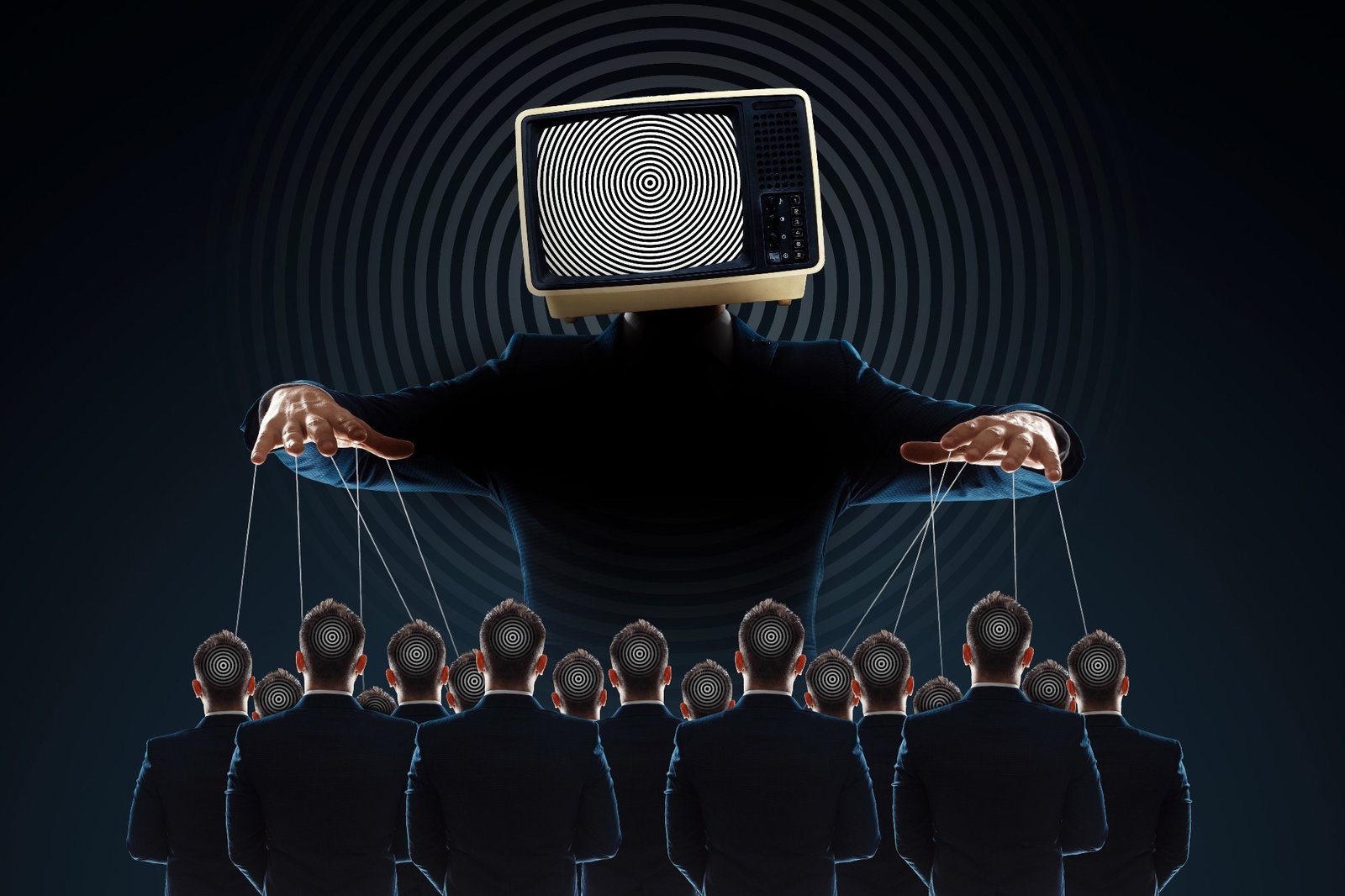
Discover how age, analytical skills, and ideological leanings affect your ability to spot misinformation online—and why interventions are more critical than ever in today’s polarized digital world.

Study: Susceptibility to online misinformation: A systematic meta-analysis of demographic and psychological factors. Image source: Marko Aliaksandr

Scientists at Germany’s Max Planck Institute for Human Development conducted a meta-analysis to identify key demographic and psychological factors that determine an individual’s susceptibility to online misinformation. The study, published in the journal PNAS, identifies these factors.

Background

Receiving and spreading online misinformation can have a number of negative consequences in a person’s life, including the development of biased political perception, vaccine hesitancy, and resistance to climate-friendly behaviors.

Nearly five billion people use social media to get news. Previous studies examining individuals’ susceptibility to online misinformation have mostly focused on single demographic or psychological factors, often leading to conflicting results.

These studies have primarily used the familiar news headline paradigm, in which participants rate the accuracy of news headlines, i.e., headlines possibly accompanied by a byline or image.

In this study, scientists collected individual participant data from the news headline paradigm and conducted a systematic meta-analysis using Bayesian generalized linear mixed-effects modeling to determine how key demographic and psychological factors influence accurate judgment of online misinformation.

Study design

The meta-analysis included a total of 256,337 unique choices made by 11,561 US-based participants across 31 experiments.

The study examined four demographic factors (age, gender, education, and political identity) representing population-level main characteristics and four psychological factors (analytical thinking, ideological similarity to news, motivated reflection, and self-reported familiarity with news). vital to the misinformation crisis.

The meta-analysis aimed to decipher how these factors influence two often confounded decision-making mechanisms: discrimination ability and response bias. Discriminative ability refers to the ability to distinguish between true and false news, and response bias refers to the tendency to classify news as true or false.

Important observations

Analysis of participants’ baseline discrimination ability and response bias across studies revealed that participants did not show an overall response tendency to view the news as either true or false. However, individual studies demonstrated considerable variability in response bias.

Among the demographic factors analyzed, age showed a positive impact on discrimination ability and a negative impact on response bias. These observations show that older adults have higher levels of accuracy and are more likely to judge a news headline as false.

Regarding gender, no reliable effect on discrimination ability was observed. However, a negative correlation was found with response bias, with female participants showing greater false news bias (classifying news headlines as false) than male participants.

Simplified visual summary of the main signal detection analysis. (A) Middle shows a visual representation of basic discrimination ability. The perceived truthfulness of a news headline is represented by an axis ranging from low truth to high truth, as represented by the two Gaussian distributions. The more the distributions overlap, the more similar the true and false news headlines are perceived (i.e., lower discriminability), while the less they overlap, the more dissimilar the true and false headlines are perceived (i.e., higher discriminability). . Left shows which factors were associated with decreased discrimination ability and Right shows which factors were associated with increased discrimination ability. (B) The mean shows baseline response bias, which is determined by a decision criterion (ie, vertical dashed line). The answer to whether a news headline is true or false depends on where the headline stands in relation to the criterion. If the criterion is placed higher on the perceived plausibility dimension (Left), more evidence is required to treat a news headline as true, so a headline is treated as true less often, resulting in a false news response bias. The opposite is true for a true-news response bias (ie, less evidence is required to attribute a news headline as true. Correct). Baseline response bias was neutral in our study. Left shows which factors were associated with a false news response bias and Right shows which factors were associated with a true news response bias.

Simplified visual summary of the main signal detection analysis. (A) Middle shows a visual representation of basic discrimination ability. The perceived truthfulness of a news headline is represented by an axis ranging from low truth to high truth, as represented by the two Gaussian distributions. The more the distributions overlap, the more similar the true and false news headlines are perceived (i.e., lower discriminability), while the less they overlap, the more dissimilar the true and false headlines are perceived (i.e., higher discriminability). . Left shows which factors were associated with decreased discrimination ability and Right shows which factors were associated with increased discrimination ability. (B) The mean shows baseline response bias, which is determined by a decision criterion (ie, vertical dashed line). The answer to whether a news headline is true or false depends on where the headline stands in relation to the criterion. If the criterion is placed higher on the perceived plausibility dimension (Left), more evidence is required to treat a news headline as true, so a headline is treated as true less often, resulting in a false news response bias. The opposite is true for a true news response bias (ie, less evidence is required to attribute a news headline as true. Correct). Baseline response bias was neutral in our study. Left shows which factors were associated with a false news response bias and Right shows which factors were associated with a true news response bias.

Educational level was positively associated with response bias. Participants with a higher level of education showed a true news bias, which led to higher accuracy for reliable news and lower accuracy for fake news. In other words, higher education participants showed an increased tendency to view the news as true.

However, the analysis revealed that higher education did not significantly affect discrimination ability.

Political identity showed a strong negative correlation with discrimination ability. Republicans had reduced discrimination ability and lower overall accuracy compared to Democrats.

A positive correlation was also observed between political identity and response bias. While Republicans showed slightly greater accuracy for true news, Democrats showed the same for fake news.

A strong positive correlation was observed between analytical thinking and discrimination ability. Participants with higher analytical thinking skills showed higher overall accuracy.

Regarding response bias, a negative impact of analytical thinking was observed. This led to the observation that participants with higher analytical thinking were more likely to judge a news headline as false and therefore had greater accuracy for false news.

Regarding ideological relevance (ideological similarity to the news), the analysis revealed that participants were more likely to judge news headlines as true if they aligned with their ideological stance and vice versa.

In other words, ideological relevance was associated with an increased tendency to believe news headlines (partisan bias), but had no effect on discrimination ability.

Motivated reflection (higher analytical thinking skills are associated with greater consistency) and self-reported news familiarity also showed associations with an actual news bias.

Among the various characteristics of news headlines, headline topics did not show a significant effect on discrimination ability, indicating robust findings across topic types.

News headlines displaying the information source had a strong, positive effect on discrimination ability, leading to higher overall accuracy. This effect was stronger for Republicans than for Democrats.

Importance of study

The study finds that older people or those with higher analytical thinking are better able to distinguish between true and false news. Conversely, people who self-identify as Republicans have a worse ability to discriminate news.

Given the importance of demographic and psychological factors in shaping judgments about the accuracy of misinformation, scientists highlight the need to develop interventions that can target these factors to increase people’s ability to withstand the serious and negative consequences of online misinformation.

Developing this capacity in the general population is key to successfully managing global policy challenges ranging from climate change, violent conflict, pandemic preparedness and democratic backsliding.

Journal Reference:

  • Sultan, M., Tump, AN, Ehmann, N., Hertwig, R., Gollwitzer, A., & Kurvers, RH (2024). Susceptibility to online misinformation: A systematic meta-analysis of demographic and psychological factors. Proceedings of the National Academy of Sciences, 121(47), e2409329121. DOI: 10.1073/pnas.2409329121,
age analytical Fake fall news Save Thinking
bhanuprakash.cg
healthtost
  • Website

Related Posts

Timing of food may shape how T cells respond to infection and therapy

May 1, 2026

UCLA researchers build programmable artificial organs using RNA

April 30, 2026

Sapio Sciences brings Claude Cowork to the lab

April 30, 2026

Leave A Reply Cancel Reply

Don't Miss
Sexual Health

Boost erectile health and confidence

By healthtostMay 1, 20260

Fildena is a popular drug that is widely used to treat erectile dysfunction (ED). With…

5 things you need for the third trimester

May 1, 2026

How to create a self-care plan when you’re stressed

May 1, 2026

Timing of food may shape how T cells respond to infection and therapy

May 1, 2026
Stay In Touch
  • Facebook
  • Twitter
  • Pinterest
  • Instagram
  • YouTube
  • Vimeo
TAGS
Baby benefits body brain cancer care Day Diet disease exercise finds Fitness food Guide health healthy heart Improve Life Loss Men mental Natural Nutrition Patients Pregnancy protein research reveals risk routine sex sexual Skin Skincare study Therapy Tips Top Training Treatment ways weight women Workout
About Us
About Us

Welcome to HealthTost, your trusted source for breaking health news, expert insights, and wellness inspiration. At HealthTost, we are committed to delivering accurate, timely, and empowering information to help you make informed decisions about your health and well-being.

Latest Articles

Boost erectile health and confidence

May 1, 2026

5 things you need for the third trimester

May 1, 2026

How to create a self-care plan when you’re stressed

May 1, 2026
New Comments
    Facebook X (Twitter) Instagram Pinterest
    • About Us
    • Contact Us
    • Privacy Policy
    • Terms and Conditions
    • Disclaimer
    © 2026 HealthTost. All Rights Reserved.

    Type above and press Enter to search. Press Esc to cancel.