

Close Menu
Healthtost
  • News
  • Mental Health
  • Men’s Health
  • Women’s Health
  • Skin Care
  • Sexual Health
  • Pregnancy
  • Nutrition
  • Fitness
  • Recommended Essentials
What's Hot

Fall Thanksgiving Salads • Kath Eats

November 14, 2025

C-section births do not increase risk of allergy in infants in a large Japanese cohort study

November 14, 2025

8 hot sex toys that will heat up your sex life

November 13, 2025
Facebook X (Twitter) Instagram
  • About Us
  • Contact Us
  • Privacy Policy
  • Terms and Conditions
  • Disclaimer
Facebook X (Twitter) Instagram
Healthtost
SUBSCRIBE
  • News

    C-section births do not increase risk of allergy in infants in a large Japanese cohort study

    November 14, 2025

    Skin-inspired sensor revolutionizes musculoskeletal monitoring

    November 13, 2025

    Study reveals long-term struggles after Stevens-Johnson syndrome and toxic epidermal necrolysis

    November 13, 2025

    Revolutionizing bone regeneration using nanoparticle-stem cell hybrid

    November 12, 2025

    Recreational athletes feel healthy but dissatisfied with their bodies

    November 12, 2025
  • Mental Health

    Why do some people feel badly “crapped” after a night of drinking and others don’t?

    November 10, 2025

    Here’s why people with mental illness die, on average, 11 years earlier than other Australians

    November 6, 2025

    From Mental Health Blogger to Academic Researcher

    November 4, 2025

    Deep anxieties about the meaning of life and existence itself

    November 1, 2025

    Which antidepressants have the most side effects?

    October 29, 2025
  • Men’s Health

    Top Benefits of Dumbbell Bench Seat for Lower Body Strength

    November 12, 2025

    A concussion can increase the risk of a car accident by almost 50%

    November 10, 2025

    The EU’s AI bet on Health

    November 10, 2025

    10 exercises you can do with a medicine ball

    November 9, 2025

    Because humans are the only species that needs help with dating and mating

    November 9, 2025
  • Women’s Health

    8 hot sex toys that will heat up your sex life

    November 13, 2025

    The Barbie Effect: How the Movie Boosted Google Searches

    November 13, 2025

    Immunotherapy for Melanoma – HealthyWomen

    November 12, 2025

    Review of the Hair Tissue Mineral Analysis (HTMA) test and my results

    November 11, 2025

    How to keep hair moisturized after anti-dandruff shampoo

    November 10, 2025
  • Skin Care

    Addressing the most common sculpting and EZGel fears

    November 13, 2025

    Beauty disasters that changed the industry forever

    November 12, 2025

    Best before Black Friday

    November 12, 2025

    The Best Time to Apply Vitamin C Serum – According to Celebrity Facial

    November 10, 2025

    Are your screens hurting your skin? Start doing this today!

    November 10, 2025
  • Sexual Health

    Things you didn’t know about her vagina

    November 13, 2025

    Democrats responded to anti-trans attacks this year — and won

    November 12, 2025

    A new jab could help reduce the spread of HIV in England and Wales

    November 11, 2025

    How Spain approaches sexual health differently — Alliance for Sexual Health

    November 10, 2025

    Viral hepatitis (A, B, C, D and E)

    November 8, 2025
  • Pregnancy

    How pregnancy changes friendships – and how to nurture them

    November 13, 2025

    The Best Charity Baby Gifts That Give Back (9 Top Picks)

    November 10, 2025

    Study examines the lasting effects of stress during pregnancy on children

    November 10, 2025

    Pregnant during Diwali? Safety Tips, Diet and Feast Guide

    November 8, 2025

    The Thomas Rhett family reacts to the news of baby number five

    November 6, 2025
  • Nutrition

    Fall Thanksgiving Salads • Kath Eats

    November 14, 2025

    Celebrating Veterans Day with Ronnie Penn

    November 13, 2025

    The difference between a dietitian and a nutritionist

    November 12, 2025

    A Daily Practice for Health and Wellness

    November 12, 2025

    Top 5 recipes for chicken in clay pots that will transform your kitchen

    November 11, 2025
  • Fitness

    Chuze Fitness is partnering with Raley’s for a community partnership at the Sacramento Freeport location.

    November 13, 2025

    Seed recycling for hormonal balance

    November 13, 2025

    10 Essential Health Tips for Long Flights

    November 12, 2025

    Even carnivores can’t resist these 7 plant-based dishes

    November 11, 2025

    Inside The OPEX Method: Week 4 Recap

    November 10, 2025
  • Recommended Essentials
Healthtost
Home»Men's Health»Bright nights increase risk of stroke and heart failure in adults over 40, study finds
Men's Health

Bright nights increase risk of stroke and heart failure in adults over 40, study finds

healthtostBy healthtostOctober 27, 2025No Comments5 Mins Read
Facebook Twitter Pinterest LinkedIn Tumblr Reddit WhatsApp Email
Bright Nights Increase Risk Of Stroke And Heart Failure In
Share
Facebook Twitter LinkedIn Pinterest WhatsApp Email

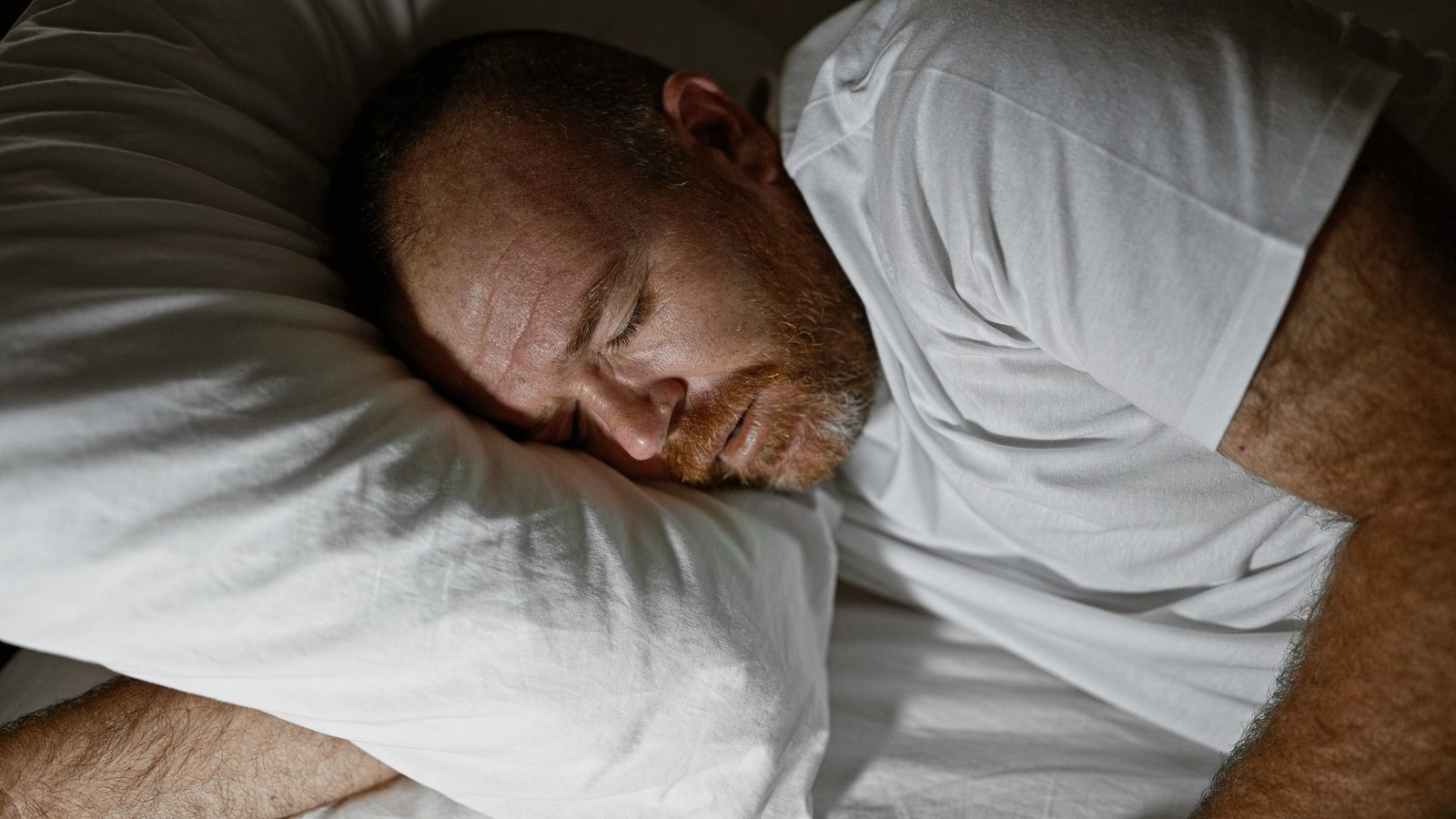
Researchers found that people exposed to brighter light at night face up to a 50% higher risk of heart disease, while daylight may protect the heart by promoting healthy circadian rhythms.

Study: Exposure to light at night and incidence of cardiovascular disease. Image credit: Krakenimages.com / Shutterstock

In a recent study published in JAMA Network Openresearchers investigated whether exposure to light at night is associated with a higher risk of heart disease, particularly for people of a certain age, sex, or genetic make-up.

Their findings suggest that people over 40 who are exposed to bright light at night face higher risks of heart disease, including stroke and heart failure. Associations were greater in women for heart failure and coronary artery disease and in younger participants for heart failure and atrial fibrillation, without clear modification for myocardial infarction or stroke.

Background

Healthy cardiovascular function relies on well-regulated circadian rhythms, which in turn affect vascular function, glucose tolerance, hormone levels, blood pressure, and heart rate. Disrupting these rhythms, through exposure to light or irregular sleep patterns, can increase blood pressure and heart rate, increase inflammation, and decrease heart rate variability.

Animal studies show that prolonged circadian disruption can cause structural changes in the heart, such as hypertrophy and fibrosis. It worsens heart failure. Epidemiological evidence also links shift work, which disrupts these rhythms, to greater cardiovascular mortality, coronary heart disease, and heart failure.

Exposure to light at night is a major source of circadian disruption and has been linked to higher rates of coronary heart disease and stroke, as well as conditions such as obesity, diabetes and hypertension, which are known cardiovascular risk factors. However, previous studies often relied on satellite measurements of outdoor illumination or small cohorts rather than personal light exposure data.

Using wrist-worn light sensors from around 89,000 United Kingdom Biobanking participants, earlier research found that brighter nights were associated with higher cardiometabolic mortality and type 2 diabetes. Based on this, the present study examined whether individual exposure to daylight and nighttime light predicts cardiovascular disease events over 9.5 years of follow-up.

About the Study

This large-scale cohort study used data from United Kingdom Biobank participants wearing wrist-worn light sensors for one week between 2013 and 2016. Participants’ light exposure was continuously recorded, processed to remove invalid data, and averaged over 24-hour profiles.

Factor analysis identified two main exposure periods: daytime (7:30 AM–8:30 PM) and night (12:30 AM–6:00 AM). Participants were categorized into percentiles of light exposure, with the 0–50th percentile representing the darkest nights.

Cardiovascular outcomes, including stroke, atrial fibrillation, heart failure, myocardial infarction and coronary artery disease, were identified using hospital, primary care and death registry records. People with pre-existing cardiovascular disease (CVD) were excluded.

Cox proportional hazards models assessed the relationship between light exposure and disease risk, sequentially adjusting for demographic factors (ethnicity, age and sex), socioeconomic variables (deprivation, education and income) and lifestyle factors (urban area, diet, alcohol, smoking and physical activity). Additional models were tested for potential interactions with genetic risk scores, age, and sex.

Key findings

The researchers analyzed data from 88,905 United Kingdom Biobank participants, with a mean age of 62.4 years and 57% female, with a mean follow-up of 7.9 years. Participants were free of cardiovascular disease at baseline.

Nocturnal light exposure showed a clear, dose-dependent association with higher risk of heart disease, while daytime light exposure was associated with lower risks in minimally and socioeconomically adjusted models, but these associations were not significant after full adjustment for lifestyle. When physical activity was excluded from the full model, inverse associations for heart failure and stroke re-emerged.

Compared with those in the darkest nighttime environment, participants with the brightest nighttime exposure had a significantly higher risk of coronary heart disease, myocardial infarction, heart failure, atrial fibrillation, and stroke after adjusting for lifestyle, demographic, and socioeconomic factors.

Conversely, a one standard deviation increase in nighttime light exposure increased the risk of all five cardiovascular outcomes by approximately 5–8%. Associations were consistent across models and remained strong after adjustments. Gender and age showed selective modifying effects, with larger associations in women for heart failure and coronary artery disease and in younger subjects for heart failure and atrial fibrillation, with no clear modification for myocardial infarction or stroke. The associations also remained after accounting for polygenic risk, suggesting that gene-environment association is unlikely to explain the results.

conclusions

This large prospective study shows strong associations of higher nighttime light exposure with increased cardiovascular risk, although causality cannot be inferred. Mechanisms underlying this association could include circadian disruption and sleep disruption, leading to vascular and metabolic stress. Reduced melatonin secretion was not directly examined in this study.

Conversely, greater exposure to light during the day may support cardiovascular health by enhancing circadian rhythms.

Key strengths of this analysis include a large sample size, objective light measurements, and a long follow-up period. However, limitations include potential residual confounding, limited ethnic diversity (mainly White participants), lack of information about light sources, and inability to infer causality. Sleep duration and efficiency were objectively measured and included in sensitivity analyses. Short sleep partially attenuated some associations. Source information was not available, limiting the ability to adjust for behaviors related to light exposure.

Taken together, these findings highlight artificial night-time lighting as a potentially modifiable environmental risk factor for cardiovascular disease, underscoring the importance of preserving dark nights and adequate daylight exposure in urban health strategies.

Journal Reference:

  • Windred, DP, Burns, AC, Rutter, MK, Lane, JM, Saxena, R., Scheer, FAJL, Cain, SW, Phillips, AJK (2025). Exposure to light at night and incidence of cardiovascular disease. JAMA Network Open 8(10): e2539031. DOI: 10.1001/jamanetworkopen.2025.39031.
adults Bright failure finds heart increase Nights risk stroke study
bhanuprakash.cg
healthtost
  • Website

Related Posts

C-section births do not increase risk of allergy in infants in a large Japanese cohort study

November 14, 2025

Study reveals long-term struggles after Stevens-Johnson syndrome and toxic epidermal necrolysis

November 13, 2025

Top Benefits of Dumbbell Bench Seat for Lower Body Strength

November 12, 2025

Leave A Reply Cancel Reply

Don't Miss
Nutrition

Fall Thanksgiving Salads • Kath Eats

By healthtostNovember 14, 20250

We always save room at the Thanksgiving table for something green. With leafy greens and…

C-section births do not increase risk of allergy in infants in a large Japanese cohort study

November 14, 2025

8 hot sex toys that will heat up your sex life

November 13, 2025

Things you didn’t know about her vagina

November 13, 2025
Stay In Touch
  • Facebook
  • Twitter
  • Pinterest
  • Instagram
  • YouTube
  • Vimeo
TAGS
Baby benefits body brain cancer care Day Diet disease exercise finds Fitness food Guide health healthy heart Improve Life Loss Men mental Natural Nutrition Patients People Pregnancy protein research reveals risk routine sex sexual Skin study Therapy Tips Top Training Treatment ways weight women Workout
About Us
About Us

Welcome to HealthTost, your trusted source for breaking health news, expert insights, and wellness inspiration. At HealthTost, we are committed to delivering accurate, timely, and empowering information to help you make informed decisions about your health and well-being.

Latest Articles

Fall Thanksgiving Salads • Kath Eats

November 14, 2025

C-section births do not increase risk of allergy in infants in a large Japanese cohort study

November 14, 2025

8 hot sex toys that will heat up your sex life

November 13, 2025
New Comments
    Facebook X (Twitter) Instagram Pinterest
    • About Us
    • Contact Us
    • Privacy Policy
    • Terms and Conditions
    • Disclaimer
    © 2025 HealthTost. All Rights Reserved.

    Type above and press Enter to search. Press Esc to cancel.