


One of the largest MRI-based studies comparing knee injuries between men and women reveals surprising differences in injury patterns by gender and age. The findings, which can be used to improve risk assessment and develop early intervention strategies, will be presented today at the annual meeting of the Radiological Society of North America (RSNA).
In recent years, we have become more interested in the differences in knee injuries between men and women. The majority of previous research has focused on men, but as we expand our focus to include women, the more we see that they have different risk profiles and are prone to different injuries.”
Jenifer Pitman, MD, study co-author, assistant professor of radiology, Johns Hopkins Medical Institute in Baltimore, Maryland
The study included 13,549 consecutive routine knee MRI examinations performed between 2019 and 2024 at four outpatient radiology facilities affiliated with Johns Hopkins Hospital. Patients reported knee pain as their chief complaint. The researchers extracted the following characteristics from radiological reports: tears or injuries to the medial and lateral menisci, anterior cruciate ligament (ACL), posterior cruciate ligament, medial collateral ligament (MCL), lateral collateral ligament complex, and extensor mechanism or patellofemoral dislocation.
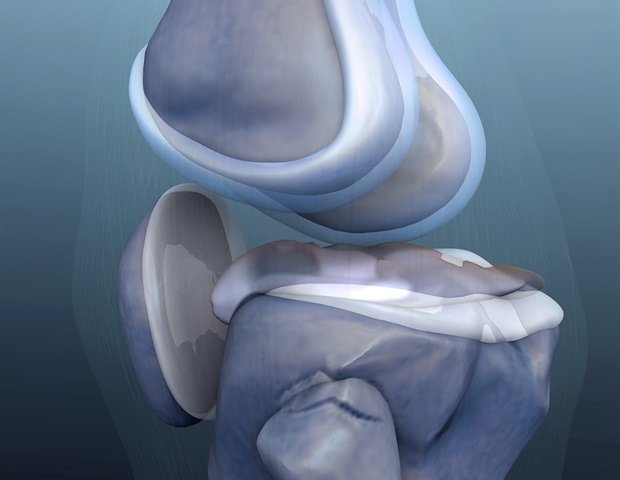
The ACL is a major ligament in the knee that connects the femur to the shin and provides stability, especially during twisting, jumping, sudden stops, or changes of direction. ACL injuries are common in sports and can cause pain, swelling and instability in the knee. The menisci are C-shaped pieces of cartilage on the inner (medial) and outer (lateral) sides of the knee that act as shock absorbers, protecting the joint and providing stability. Meniscal tears can occur with twisting injuries or gradual wear and tear over time.
Analysis of MRI reports revealed that specific injuries were seen more frequently in men compared with women, including ACL tears alone, ACL tear with medial meniscal tear, or ACL tear with lateral meniscal tear.
“We saw more ACL tears in men, especially in the 20 to 40 age group, which is contrary to what is reported in the literature,” said first author Ali Ghasemi, MD, a postdoctoral researcher at Johns Hopkins. “Previous studies focusing on sports-related injuries have shown that young female athletes have increased rates and a greater risk of ACL tears. However, our results show a significantly higher prevalence of ACL injuries in male patients across all age groups.”
Dr. Pittman felt that the discrepancy between their research and previous studies may be due to their broadening of focus beyond sports-related knee injuries. Johns Hopkins researchers studied all patients with knee pain, regardless of age or cause of injury.
Men had a higher number of injuries overall.
The researchers also found that meniscal and MCL tears occurred more often in men younger than 40 and in older women.
“In the younger patients, meniscal and MCL tears were more common in men, while in older patients, women had more of these types of tears than men, which was unexpected,” Dr. Ghasemi said.
The findings show that older women are more prone to injuries that lead to joint degeneration over time.
“Both men and women should take precautions to avoid high-impact injuries, especially during sports or physical activity, and women, especially over 40, should pay attention to joint health and incorporate specific strength training to help protect their knees as they age,” Dr. Pittman said.
Recognizing injury patterns can help radiologists and clinicians tailor imaging protocols, risk assessments, and early intervention strategies to optimize patient outcomes.
“The preconceived notion that ACL tears are more common in younger women may not be true 100 percent of the time,” Dr. Pittman said. “Radiologists can also expect to see more frequent meniscal pathology and arthritis in older women.”
The researchers are continuing their investigation of knee injury patterns by gender, analyzing demographic information and patient history to better understand trends in injury patterns.
Dr. Pittman said athletes should consider working with a health professional to build balanced strength around the knee. He advises people—especially elderly patients—with knee pain to see their doctor.
“If you have knee pain, don’t just brush it off or attribute it to old age,” she said. “We have seen higher rates of meniscal tears, particularly in women 40 and older.”
Other co-authors are Shivani Ahlawat, MD, and Laura M. Fayad, MD
