

Close Menu
Healthtost
  • News
  • Mental Health
  • Men’s Health
  • Women’s Health
  • Skin Care
  • Sexual Health
  • Pregnancy
  • Nutrition
  • Fitness
  • Recommended Essentials
What's Hot

10 Mental Health Tips for Those Who Work From Home

April 14, 2026

States change custody laws to keep children of immigrant detainees out of foster care

April 14, 2026

Vaping may increase risk of cognitive decline in young adults, study finds

April 14, 2026
Facebook X (Twitter) Instagram
  • About Us
  • Contact Us
  • Privacy Policy
  • Terms and Conditions
  • Disclaimer
Facebook X (Twitter) Instagram
Healthtost
SUBSCRIBE
  • News

    States change custody laws to keep children of immigrant detainees out of foster care

    April 14, 2026

    Study Warns of Teens’ Growing Dependence on AI Companions

    April 14, 2026

    Competition between brain circuits is key to intelligent behavior

    April 13, 2026

    Study reveals brain mechanisms behind urinary incontinence after stroke

    April 13, 2026

    Genetic variations may reduce the effectiveness of popular diabetes drugs

    April 12, 2026
  • Mental Health

    Is it anxiety or OCD? 2 psychology experts explain the difference

    April 14, 2026

    Understanding the different types of treatment: C…

    April 10, 2026

    How does Medicare’s new Mental Health Check In work? Is this low-intensity CBT likely to help?

    April 10, 2026

    the surprisingly common condition with a scary name

    April 6, 2026

    How yoga helps heal emotional wounds

    April 4, 2026
  • Men’s Health

    Vaping may increase risk of cognitive decline in young adults, study finds

    April 14, 2026

    Opinion: Prediction markets are betting against public health

    April 14, 2026

    A monk’s method for falling asleep fast

    April 13, 2026

    The Future of MenAlive: From Men’s Health to Relational Healing and Transformation

    April 13, 2026

    Traveling by plane with BPH

    April 9, 2026
  • Women’s Health

    What is urea for dry skin?

    April 13, 2026

    Beyond fitness: Why exercise is vital to improving cardiovascular health

    April 12, 2026

    5 ways to put your health dollars to work this spring

    April 11, 2026

    “Fueling the Fight” — Nutrition during and after cancer treatment

    April 11, 2026

    Navigating the Void of Intimacy – Vuvatech

    April 10, 2026
  • Skin Care

    Wait – can makeup really cause a reaction to gluten?

    April 14, 2026

    CoolSculpting Elite – SkinCare Physicians

    April 13, 2026

    Why Your Skin Barrier Is The Most Important Thing You’re Ignoring – Lifeline Skin Care

    April 12, 2026

    Spa Los Angeles: Best Services to Book for Real Results

    April 12, 2026

    Spring skincare: Why your skin needs more support, not less

    April 11, 2026
  • Sexual Health

    Can you get tested for herpes without an outbreak?

    April 14, 2026

    At the Intersection of Autism, LGBTQIA+ Identity and Kink — Sexual Health Alliance

    April 13, 2026

    Endometriosis procedures are reimbursed at lower rates, doctors say

    April 8, 2026

    Reflections two years later in a global context < SRHM

    April 8, 2026

    Can exercise improve HIV symptoms?

    April 7, 2026
  • Pregnancy

    Serious maternal complications affect nearly 3 per cent of pregnancies, Ontario study finds

    April 11, 2026

    Third Trimester Nutrition Guide for Indian Moms

    April 10, 2026

    How your partner can support a happier pregnancy

    April 9, 2026

    Exposure to plastic during pregnancy may be linked to more premature births than expected

    April 4, 2026

    How to relieve numbness and tingling in the legs in the third trimester?

    April 3, 2026
  • Nutrition

    High protein comfort food for women who are tired of salads

    April 14, 2026

    Blueberry Chia Pudding (Easy Breakfast!) • Kath Eats

    April 13, 2026

    Because cooling potatoes reduces their glycemic load

    April 12, 2026

    The mind-body connection of fertility

    April 12, 2026

    Greens that make you glow: The detox-hormone connection

    April 11, 2026
  • Fitness

    10 Mental Health Tips for Those Who Work From Home

    April 14, 2026

    7 shoulder exercises that keep your arms strong and pain-free after 40

    April 14, 2026

    Inside The OPEX Method Mentorship: A Coach’s POV with Dr David Skolnik (Week 1)

    April 12, 2026

    Active summer camps that build healthy lifelong habits in 6 US states

    April 12, 2026

    Bridging Clinical and Community Care

    April 10, 2026
  • Recommended Essentials
Healthtost
Home»Mental Health»Why am I so anxious after drinking? Here’s the Science Behind “Hangxiety”
Mental Health

Why am I so anxious after drinking? Here’s the Science Behind “Hangxiety”

healthtostBy healthtostOctober 25, 2024No Comments5 Mins Read
Facebook Twitter Pinterest LinkedIn Tumblr Reddit WhatsApp Email
Why Am I So Anxious After Drinking? Here's The Science
Share
Facebook Twitter LinkedIn Pinterest WhatsApp Email

You had a great night out, but the next morning, anxiety hits: your heart is racing and you’re replaying every conversation from the night before in your head. This feeling, known as hangover anxiety or “anguish” affects about 22% of social drinkers.

While for some people, it’s mild jitters, for others, it’s a wave of anxiety that feels impossible to escape. “Sunday terrors” can leave you feeling panicked, full of dread and unable to relax.

Hangover anxiety can make even simple tasks feel overwhelming. Here’s why it happens and what you can do about it.

What does alcohol do to our brain?

A hangover is the body’s way of recovering from drinking alcohol, bringing with it a range of symptoms.

Dehydration and disturbed sleep they play a big role in the pounding headaches and nausea many of us know all too well after a long night out. But hangovers aren’t just physical – there’s a strong mental side too.

Australian guidelines recommend no more than four standard drinks in any day.
Anton Vierietin/Shutterstock

Alcohol is a nervous system depressant, meaning it changes the way certain chemical messengers (or neurotransmitters) in the brain behave. Alcohol relaxes you by increasing γ-aminobutyric acid (GABA), the neurotransmitter that makes you feel calm and lowers inhibitions. It decreases glutamate and this also slows down your thoughts and helps you achieve a more relaxed state.

Together, this interaction affects your mood, emotions, and alertness. This is why when we drink, we often feel more social, carefree and willing to let our guard down.

As the effects of alcohol wear off, your brain works to rebalance these chemicals decreasing GABA and increasing glutamate. This shift has the opposite effect of the night before, causing your brain to become more excitable and overstimulated, which can lead to feelings of anxiety.

So why do some people feel anxious while others don’t? There is no one clear answer to this question, as several factors can play a role in whether someone experiences hangover-related anxiety.

Genes play a role

For some, a hangover is simply a matter of how much they drank or how hydrated they are. But genetics can also play an important role. Research shows that your genes can explain almost half of why you wake up feeling hungry, while your friend might not.

Because genes affect how your body processes alcohol, some people may experience more severe hangover symptoms, such as headaches or dehydration. These stronger physical effects can, in turn, trigger anxiety during hangoversmaking you more prone to ‘stress’.

Do you remember what you said last night?

But one of the most common culprits for feeling anxious the next day is often what do you do when you drink.

Let’s say you had a big night out and you can’t remember a conversation you had or something you did. Perhaps you acted in ways that you now regret or are ashamed of. You can get stuck on these thoughts and become trapped in a cycle of worry and rumination. This cycle can be hard to break and can make you feel more anxious.

Research suggests that people who already struggle with feelings of anxiety in their daily lives are particularly vulnerable to anxiety.

Some people drink alcohol to relax after a stressful day or to feel more comfortable at social events. This often leads to greater consumptionwhich can make hangover symptoms more severe. It can also start a cycle of drinking to feel better, making stress even harder to escape.

Hangover stress prevention

The best way to prevent stress is to limit your alcohol consumption. THE Australian guidelines we recommend no more than ten standard drinks per week and no more than four standard drinks each day.

In general, the more you drink, the more severe your hangover symptoms can be and the worse you are likely to feel.
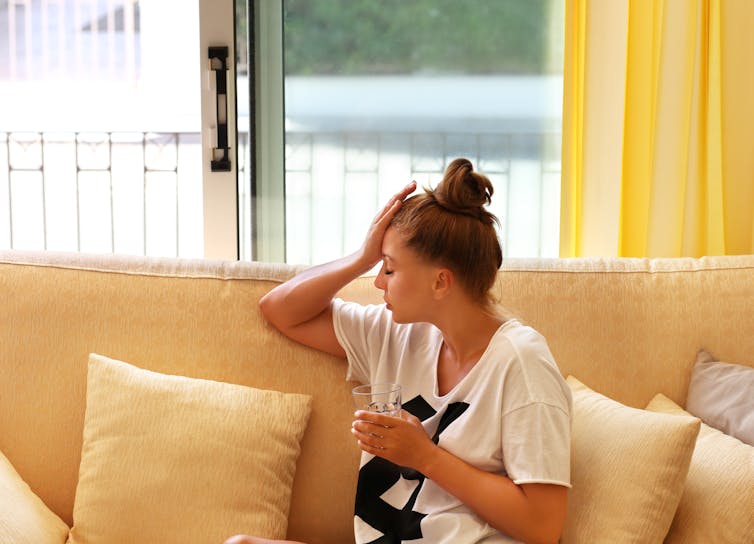
A young woman sitting on a yellow sofa holds her head and a glass of water.
Some people may drink more alcohol to feel more comfortable in social situations.
LADO/Shutterstock

Mixing other medications with alcohol can also increase the risk of anxiety pain. This is especially true of party drugs like ecstasy or MDMA, which give you a temporary high but can lead to anxiety as they wear off and descending.

If you wake up anxious:

  • focus on physical recovery to reduce mental strain

  • drink plenty of water, eat a light meal and allow yourself time to rest

  • essay mindfulness meditation or deep breathing exercises, especially if anxiety keeps you alert or your mind racing

  • consider journaling. This can help you reframe anxious thoughts, put your feelings into perspective, and encourage self-compassion

  • talk to a close friend. This can provide a safe space to express concerns and feel less isolated.

Hangxiety is an unwelcome visitor after a night out. Understanding why anxiety happens—and how you can manage it—can make the morning a little less scary and help keep those anxious thoughts at bay.

anxious drinking Hangxiety heres Science
bhanuprakash.cg
healthtost
  • Website

Related Posts

Is it anxiety or OCD? 2 psychology experts explain the difference

April 14, 2026

Understanding the different types of treatment: C…

April 10, 2026

How does Medicare’s new Mental Health Check In work? Is this low-intensity CBT likely to help?

April 10, 2026

Leave A Reply Cancel Reply

Don't Miss
Fitness

10 Mental Health Tips for Those Who Work From Home

By healthtostApril 14, 20260

Working from home has become the new normal for many people due to the coronavirus…

States change custody laws to keep children of immigrant detainees out of foster care

April 14, 2026

Vaping may increase risk of cognitive decline in young adults, study finds

April 14, 2026

Wait – can makeup really cause a reaction to gluten?

April 14, 2026
Stay In Touch
  • Facebook
  • Twitter
  • Pinterest
  • Instagram
  • YouTube
  • Vimeo
TAGS
Baby benefits body brain cancer care Day Diet disease exercise finds Fitness food Guide health healthy heart Improve Life Loss Men mental Natural Nutrition Patients People Pregnancy research reveals risk routine sex sexual Skin Skincare study Therapy Tips Top Training Treatment ways weight women Workout
About Us
About Us

Welcome to HealthTost, your trusted source for breaking health news, expert insights, and wellness inspiration. At HealthTost, we are committed to delivering accurate, timely, and empowering information to help you make informed decisions about your health and well-being.

Latest Articles

10 Mental Health Tips for Those Who Work From Home

April 14, 2026

States change custody laws to keep children of immigrant detainees out of foster care

April 14, 2026

Vaping may increase risk of cognitive decline in young adults, study finds

April 14, 2026
New Comments
    Facebook X (Twitter) Instagram Pinterest
    • About Us
    • Contact Us
    • Privacy Policy
    • Terms and Conditions
    • Disclaimer
    © 2026 HealthTost. All Rights Reserved.

    Type above and press Enter to search. Press Esc to cancel.