

Close Menu
Healthtost
  • News
  • Mental Health
  • Men’s Health
  • Women’s Health
  • Skin Care
  • Sexual Health
  • Pregnancy
  • Nutrition
  • Fitness
  • Recommended Essentials
What's Hot

A Hike Leader’s Must-Have Kit

April 30, 2026

Sapio Sciences brings Claude Cowork to the lab

April 30, 2026

3 Day Home Workout Plan: Build Muscle and Burn Fat

April 30, 2026
Facebook X (Twitter) Instagram
  • About Us
  • Contact Us
  • Privacy Policy
  • Terms and Conditions
  • Disclaimer
Facebook X (Twitter) Instagram
Healthtost
SUBSCRIBE
  • News

    Sapio Sciences brings Claude Cowork to the lab

    April 30, 2026

    Research shows women are confused about when to start mammograms

    April 29, 2026

    Scientists are reengineering CAR-T cells to fight more than just cancer

    April 29, 2026

    New blood-based method detects testicular cancer missed by standard tests

    April 28, 2026

    Detailed images reveal DNA repair mechanism in cancer-related proteins

    April 28, 2026
  • Mental Health

    What animal studies teach us about toxic work environments

    April 27, 2026

    I hate hope: How to manage hope when you have treatment-resistant bipolar disorder

    April 19, 2026

    Rose Byrne is raw, magnetic and unfiltered as a woman in crisis

    April 18, 2026

    Can a single mother change her child’s surname in India?

    April 16, 2026

    Is it anxiety or OCD? 2 psychology experts explain the difference

    April 14, 2026
  • Men’s Health

    3 Day Home Workout Plan: Build Muscle and Burn Fat

    April 30, 2026

    GLP-1 drugs promise broader health benefits, but experts advise caution on use

    April 28, 2026

    Trauma patients recover faster when medical teams know each other well, new study finds

    April 28, 2026

    I did red light therapy for 3 months so I shouldn’t have

    April 27, 2026

    Sex Secrets for Men Over 40: Surviving Male Menopause

    April 27, 2026
  • Women’s Health

    Are you a fungus fanatic? We unpack the nutritional trend of mushroom mania

    April 29, 2026

    What the Patients’ Bill of Rights Could Mean for Black Women

    April 29, 2026

    Navigating sexual health during and after cancer

    April 28, 2026

    Do tampons break the hymen? Facts, Myths and What You Need to Know – Vuvatech

    April 27, 2026

    Why 24-hour gut support is essential in a probiotic | The Wellness Blog

    April 27, 2026
  • Skin Care

    Face Peeling Mask Guide: Shine Without Irritation

    April 28, 2026

    Is your moisturizing face mist really drying out your skin?

    April 28, 2026

    Uses and Benefits of TNW Natural Aloe Vera Face Gel – The Natural Wash

    April 27, 2026

    Our strongest retina serum yet – Tropic Skincare

    April 27, 2026

    What it is and how to do it right – Lifeline Skin Care

    April 21, 2026
  • Sexual Health

    Judicial Restrictions on Abortion COVID-19 < SRHM

    April 30, 2026

    Can herpes affect fertility?

    April 29, 2026

    The Importance of Personalized Care in Medication Assisted Therapy (MAT) Programs I Novus

    April 28, 2026

    Your favorite mold is lying to you (a little) — Sexual Health Alliance

    April 28, 2026

    How accurate are herpes blood tests?

    April 22, 2026
  • Pregnancy

    Comprehensive yoga for pregnancy, birth and beyond

    April 29, 2026

    Midwifery and Life – The postnatal health check New mums don’t know they can ask for

    April 28, 2026

    Epidural and unmedicated delivery with two different deliveries

    April 26, 2026

    Researchers identify new genetic links to Hyperemesis Gravidarum

    April 25, 2026

    Loss of Appetite During Pregnancy: A Third Trimester Guide

    April 24, 2026
  • Nutrition

    I answer the most HOT Questions about Fatty Liver

    April 29, 2026

    Why You’re Not Losing Weight After 35 (Even When You Eat Less)

    April 28, 2026

    Where to eat in London

    April 27, 2026

    Dr. Will Cole on Why Hire FDN Professionals

    April 26, 2026

    Doing the work in the face of fear

    April 25, 2026
  • Fitness

    A Hike Leader’s Must-Have Kit

    April 30, 2026

    Menopausal Hair Loss Solutions: 10 Expert Tips

    April 29, 2026

    Identity Inversion: Part 1 – Ben Greenfield Life

    April 29, 2026

    How to improve accessibility in your gym

    April 28, 2026

    Can a 10-minute workout really change your health?

    April 27, 2026
  • Recommended Essentials
Healthtost
Home»News»Toxic RNA leads to progressive cardiac damage in myotonic dystrophy
News

Toxic RNA leads to progressive cardiac damage in myotonic dystrophy

healthtostBy healthtostApril 5, 2026No Comments5 Mins Read
Facebook Twitter Pinterest LinkedIn Tumblr Reddit WhatsApp Email
Toxic Rna Leads To Progressive Cardiac Damage In Myotonic Dystrophy
Share
Facebook Twitter LinkedIn Pinterest WhatsApp Email

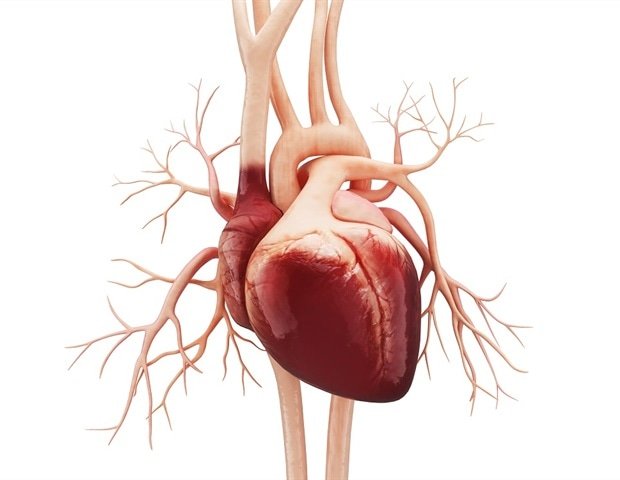
Myotonic dystrophy type 1 (DM1) is the most common cause of adult-onset muscular dystrophy, a genetic disorder that leads to muscle weakness and wasting, but also affects the brain, gastrointestinal tract and heart. In a study published in Journal of Clinical Investigation Insight, researchers at Baylor College of Medicine focused on the effects of DM1 on the heart. Their findings help answer questions about why the disease worsens over time and whether the damage can be reversed once it starts.

Cardiac manifestations affect most patients with T1DM. Cardiac problems are mainly electrical conduction abnormalities, seen in up to 75% of adult T1D cases, which can lead to life-threatening arrhythmias that account for 25% of mortality and are the second leading cause of death in T1D.”


Dr. Thomas A. Cooper, the corresponding author, professor of pathology and immunology, molecular and cellular biology, and integrative physiology at Baylor

“DM1 arises due to a mutation in DMPK gene that adds a repeating triplet of DNA structural units (CTG) to the gene. The unaffected population carries 5 to 37 CTG repeats, but people with the condition have 50 to more than 4,000 repeats,” explained first author Dr. Rong-Chi Hu, a postdoctoral fellow in the Cooper lab.

This DMPK The mutation leads to the production of defective RNA molecules that trap proteins called muscle blinds (MBNL). Loss of MBNL function is thought to be the primary cause of DM1. MBNL proteins normally help process RNA during development, including controlling how genes are spliced ​​(cut and joined), which is required for normal gene function. When MBNL proteins get trapped, they can’t do their job, changing certain aspects of development.

“The effect of the disease is known to worsen over time in all affected tissues,” Cooper said. “One of the reasons proposed to explain the increased severity of the disease over time is that the CTG repeats expand, there are more of them – a patient may be born with 300 repeats, but later in life there will be thousands of repeats in some tissues. As the number of repeats increases, the RNA becomes more toxic because it binds more MBNL.”

In the current study, Hu, Cooper and colleagues followed the progression of DM1 heart problems in an animal model in which the toxic RNA was expressed long-term. In this model, the number of repeats does not increase over time, so disease progression is controlled without CTG repeat expansion.

“We followed the progression of heart disease in these animals for up to 14 months and found that, early on, the mice developed an enlarged heart and significant electrical abnormalities,” Hu said. “As time went on, their hearts weakened, developed life-threatening rhythms and fibrosis (scarring), and the heart chambers stretched and enlarged.

Interestingly, the molecular consequences of having non-functional MBNL proteins – especially aberrant RNA splicing – appeared early but did not worsen over time. This finding suggests that the loss of MBNL function did not change over time and is consistent with the constant number of CTG repeats in this model. “We conclude that heart disease progression in this animal model is not driven by increasing loss of MBNL function. The results support further exploration of other potential contributors to disease progression,” Cooper said. “For example, prolonged exposure to toxic RNA could cause cumulative damage to the heart, leading to structural remodeling, fibrosis and reduced function.”

The researchers also investigated whether the damage to the heart could be reversed. Would disabling the toxic RNA allow the heart to recover? Does time matter?

“When we disabled the RNA after a short exposure, the heart’s size, electrical function and structure largely returned to normal,” Hu said. “This was encouraging. When the RNA was turned off after many months, the recovery was significant but incomplete. Although abnormal RNA splicing was completely corrected, physical changes such as thickened heart walls, conduction delays, and fibrous scar tissue were often not completely reversed, particularly in male mice.

The study also revealed clear gender differences, mirroring what is seen in people with T1DM. “Male mice generally developed more severe heart disease, had worse rhythm disturbances and had less recovery after knocking out the repetitive RNA,” Hu said. “This highlights the need to better understand how biological sex affects heart disease risk and treatment response in T1DM.”

“Together, these findings improve our understanding of heart disease in T1DM, showing that it can be exacerbated by prolonged exposure to toxic RNA, even if the genetic mutation does not spread,” Cooper said. “They also show that while early intervention can reverse many heart problems, delayed treatment allows damage to accumulate and be more difficult to reverse. This study also highlights the importance of early monitoring and early treatment of cardiac symptoms in T1DM.”

Mohammadreza Tabary and Xander HT Wehrens, both at Baylor College of Medicine, also contributed to this work.

This study was funded by the Muscular Dystrophy Association (grant #276796), National Institutes of Health (grants R01HL147020, R01AR082852, R01HL153350, R01HL160992, R01HL174510, R0470201, R01HL14702, UM1HG006348, and R01DK114356), a Myotonic Dystrophy Foundation predoctoral fellowship, and an American Heart Association predoctoral fellowship (23PRE1020500).

Source:

Baylor College of Medicine

Journal Reference:

Hu, R.-C., et al. (2026). Progressive cardiac phenotypes and reduced reversibility from long-term CUGexp RNA expression in a DM1 mouse model. JCI Insight. DOI: 10.1172/jci.insight.204278.

cardiac damage dystrophy Leads myotonic progressive RNA toxic
bhanuprakash.cg
healthtost
  • Website

Related Posts

Sapio Sciences brings Claude Cowork to the lab

April 30, 2026

Research shows women are confused about when to start mammograms

April 29, 2026

Scientists are reengineering CAR-T cells to fight more than just cancer

April 29, 2026

Leave A Reply Cancel Reply

Don't Miss
Fitness

A Hike Leader’s Must-Have Kit

By healthtostApril 30, 20260

After leading a few group hikes, I’ve learned that the difference between an enjoyable…

Sapio Sciences brings Claude Cowork to the lab

April 30, 2026

3 Day Home Workout Plan: Build Muscle and Burn Fat

April 30, 2026

Judicial Restrictions on Abortion COVID-19 < SRHM

April 30, 2026
Stay In Touch
  • Facebook
  • Twitter
  • Pinterest
  • Instagram
  • YouTube
  • Vimeo
TAGS
Baby benefits body brain cancer care Day Diet disease exercise finds Fitness food Guide health healthy heart Improve Life Loss Men mental Natural Nutrition Patients Pregnancy protein research reveals risk routine sex sexual Skin Skincare study Therapy Tips Top Training Treatment ways weight women Workout
About Us
About Us

Welcome to HealthTost, your trusted source for breaking health news, expert insights, and wellness inspiration. At HealthTost, we are committed to delivering accurate, timely, and empowering information to help you make informed decisions about your health and well-being.

Latest Articles

A Hike Leader’s Must-Have Kit

April 30, 2026

Sapio Sciences brings Claude Cowork to the lab

April 30, 2026

3 Day Home Workout Plan: Build Muscle and Burn Fat

April 30, 2026
New Comments
    Facebook X (Twitter) Instagram Pinterest
    • About Us
    • Contact Us
    • Privacy Policy
    • Terms and Conditions
    • Disclaimer
    © 2026 HealthTost. All Rights Reserved.

    Type above and press Enter to search. Press Esc to cancel.