


After giving birth to my only child in the fall of 2015, it took everything to get my period back. With my history of endometriosis, I wasn’t exactly looking forward to it and was enjoying a break until my son was fully weaned at 18 months. I expected a return to painful periods, but I had no idea what my body had in store.
I developed severe allergies to tree nuts and peanuts in my late twenties, but I was generally great at avoiding them. So imagine my surprise when I had an allergic reaction to the soy butter I had always consumed as a substitute for the usual PB&J! Thinking I had developed a soy allergy, I cut out soy. But then it was the orange juice, then the asparagus, the blueberries and finally the coffee. I met with my allergist, who tested me for these and other foods, but found that I had tested negative for all of them. The daily food and activity diary she asked me to keep showed no similarities in food families or other patterns, such as reactions after combining a food with exercise or NSAIDs.
I was at a loss until I racked up the many bills from my frequent trips to the ER, often by ambulance. Looking at the dates on them, I noticed that the reactions occurred every month, often within a few days of each other. I had long recorded my cycle in a diary due to endometriosis and overlapped the anaphylaxis dates with my cycle dates. Finally a pattern emerged! All events happened within 7-10 days of my period starting. I called my doctor and made an appointment.
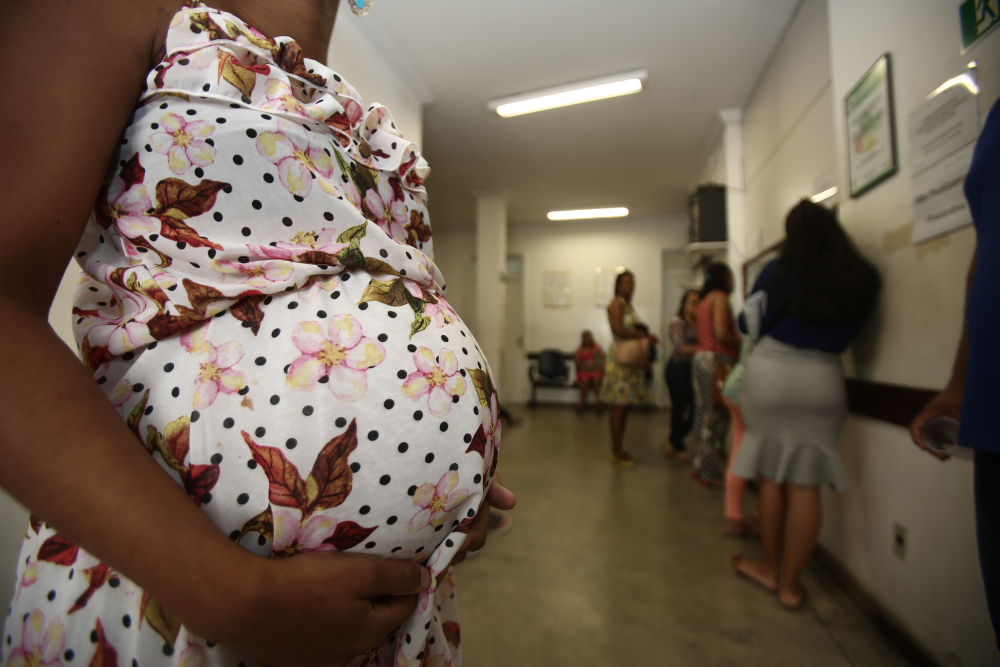
Most people familiar with pregnancy know that a pregnant woman’s progesterone levels rise slowly during the first trimester and then more rapidly in the second and third trimesters as this hormone acts to thicken the lining of the uterus, suppress the contractions and to transform the shape and structure of the uterus.
However, in some people, this high amount of progesterone actually sensitizes their body to the hormone, resulting in progesterone hypersensitivity.
What is progesterone hypersensitivity?
Progesterone hypersensitivity is a condition in which the body develops an allergy or IgE-mediated autoimmune response to endogenous progesterone (produced by the body), exogenous progesterone (external, such as through drugs), or both forms of the hormone. Affected individuals may be very allergic to even small amounts of these hormones, or may only react to “spikes” of progesterone or progestin, such as those that occur in the luteal phase of the menstrual cycle or when the individual is given progestins for fertility treatment , endometriosis, or other medical conditions.
Causes and risk factors for progesterone hypersensitivity
Progesterone hypersensitivity can affect people of childbearing age from their first period to menopause, although menstruating adults in their late 20s are at greater risk.
Pregnancy and/or exposure to exogenous progestins (oral contraceptives, fertility treatments, certain IUDs, contraceptive vaginal rings, certain supplements or medications) increase the risk of developing progesterone hypersensitivity.
Signs and symptoms of progesterone hypersensitivity
Symptoms are generally cyclical and appear or worsen during the luteal phase of the menstrual cycle or after exposure to exogenous progestins.
- Skin symptoms (rash, hives, blisters, itching, eczema, inflammation and swelling)
- Respiratory symptoms (wheezing, increase in asthma symptoms)
- Systemic or severe symptoms (anaphylaxis or other severe symptoms affecting two or more body systems)
Challenges in the diagnosis of progesterone hypersensitivity
Progesterone hypersensitivity can be difficult to diagnose for several reasons. Hypersensitivity to progesterone is considered a rare allergy, with only 200 cases reported in the medical literature. However, it may be suggestive and there are no official incidence rates. A private Facebook group called ‘Autoimmune Progesterone Dermatitis’, which is another name for the condition, has 3.3k members and is active daily, suggesting that self-diagnosis is leading a significant number of patients to consider progesterone hypersensitivity as a possibility matching for symptoms.
Because progesterone hypersensitivity is considered rare, many obstetricians and gynecologists are unfamiliar with the condition, and even some allergists are trained to recognize its manifestations. In addition, progesterone skin tests have a low sensitivity for detecting the condition, which may cause providers to rule it out as a possibility and not recommend further testing. Just a few years ago, Dr. Jonathan Bernstein developed a progesterone-specific ELISA assay for the diagnosis of progesterone hypersensitivity, and his laboratory will examine postal specimens, which may be a useful tool for physicians outside of the Cincinnati area where he practices.
More common diagnoses, such as chronic or spontaneous urticaria or allergies to NSAIDs or foods, must also be ruled out. Further, conditions such as menstrual anaphylaxis and estrogen hypersensitivity are also responses to hormones and the menstrual cycle and should be considered as possible diagnoses by one’s care team.
Management of progesterone hypersensitivity
Treatment options for progesterone hypersensitivity are largely based on the severity of symptoms and whether the patient wishes to become pregnant or has completed childbearing. For those looking to expand their families, progesterone desensitization may be possible in some cases, which may allow for safer fertility treatments and pregnancy.
The use of anti-allergy medications, such as second-generation H1 blockers such as Zyrtec and Claritin, may also be used for milder symptoms along with topical creams to treat dermatitis.
For people who have finished childbearing, more treatment options are available. Fixed daily oral contraceptives, in which the patient does not take placebo pills, can stop the menstrual cycle and provide relief. Although it may be counterintuitive to prescribe progesterone-only or combined oral contraceptives, both of which contain forms of progesterone, for patients who tolerate low doses of the hormone, these are easy and affordable methods of avoiding the progesterone spikes that cause symptoms.
Omalizumab (Xolair) can also be used to reduce total circulating IgE and thereby reduce symptoms. GnRH agonists can also be used to prevent ovulation. Danazol and Tamoxifen can also be used, although they are not often first-line treatments due to side effects.
In cases refractory to other treatment options, bilateral salpingo-oophorectomy may be required.
What to do if you think you have a progesterone hypersensitivity
- Make an appointment with an allergist or immunologist and tell your obstetrician, gynecologist, or fertility specialist about your concerns.
- Track when your symptoms occur in relation to your cycle. Dr. Renita White suggests“One of the best things you can do is keep a menstrual diary or diary to document the timing of your symptoms in relation to your cycle. Whenever you experience a rash, itching, or other symptom, note when it occurs, detailing how long it lasts, what exactly is happening, what helps the symptoms, and what makes them worse. Reviewing this information with your provider can help identify any patterns consistent with progesterone hypersensitivity.”
- In addition to the details above, note what you are doing when symptoms flare (exercise, recent foods, other medications or supplements, sun exposure, etc.). This step can help rule out other potential triggers.
- Avoid consuming foods or supplements known to affect hormone levels unless directed by a physician.
What to do when you have a diagnosis
- Take all medications as directed and be sure not to miss doses, especially more than 3 days in a row.
- Talk to your doctor if your family planning status or choice changes.
- Be sure to check with your doctor or pharmacist before taking any additional medications or supplements that may affect the effectiveness of your current medication regimen. For example, evening primrose oil, Plan B, and other over-the-counter products may interfere with your treatment plan.
- Find support! The sometimes devastating and often confusing implications of a progesterone hypersensitivity diagnosis can be difficult to navigate on your own. Because the condition is quite rare, it can be difficult to locate support in person, especially if you live in a more rural area. However, there are online support groups, such as the Autoimmune Progesterone Dermatitis Facebook group mentioned earlier, as well as other online forums where you can ask questions, gain knowledge, and find people who are also dealing with this disease.
- Be prepared to explain your diagnosis to medical providers, family, and maybe even strangers. One of the difficulties of having a rare condition is that people simply don’t know that being allergic to hormones is even a possibility and may not understand the implications of this diagnosis, even if they work in the medical field.
- If you are suffering from severe symptoms or anaphylaxis, consider getting a medical alert bracelet or necklace.
While progesterone hypersensitivity can be rare and difficult to diagnose, there are many treatment options for this condition, and most patients find a plan that works for them, even if it’s not the first treatment they try.
