

Close Menu
Healthtost
  • News
  • Mental Health
  • Men’s Health
  • Women’s Health
  • Skin Care
  • Sexual Health
  • Pregnancy
  • Nutrition
  • Fitness
  • Recommended Essentials
What's Hot

How to be more human

May 15, 2026

What are they trying to tell us and how to overcome them

May 15, 2026

Multi-institutional trial explores new lifeline for advanced prostate patients

May 15, 2026
Facebook X (Twitter) Instagram
  • About Us
  • Contact Us
  • Privacy Policy
  • Terms and Conditions
  • Disclaimer
Facebook X (Twitter) Instagram
Healthtost
SUBSCRIBE
  • News

    Multi-institutional trial explores new lifeline for advanced prostate patients

    May 15, 2026

    ExiVex reports human pharmacokinetic data showing that intranasal naloxone EMRX-101 approaches peak plasma concentrations similar to IV with a significantly faster Tmax than the currently approved comparator

    May 15, 2026

    Perioperative medicine is emerging as a system-wide strategy for better surgical outcomes

    May 14, 2026

    Regular arts and physical activity are associated with slow aging

    May 14, 2026

    The study links obesity with less pleasurable feelings during physical activity

    May 13, 2026
  • Mental Health

    Are you caught in the cycle of chronic pain? How does Thera…

    May 15, 2026

    Why Menopause Matters in Substance Use Disorder Prevention, Treatment, and Recovery

    May 14, 2026

    because you might be right to leave a party without saying goodbye

    May 14, 2026

    Are antidepressants dangerous? The truth about violence, overuse and fear

    May 11, 2026

    Feel like a fraud? Understanding Imp…

    May 10, 2026
  • Men’s Health

    10 Best Bodyweight Movements for Strength and Muscle

    May 14, 2026

    Two leading cardiac risk tools pass a major global test

    May 12, 2026

    Beyond symptoms: Into the push to finally change the effects of cerebral palsy

    May 12, 2026

    Mix up your workout with Myo-Reps

    May 11, 2026

    The Future of the USA: Why Empires End After 250 Years and What We Should Do Now

    May 11, 2026
  • Women’s Health

    I didn’t sleep so well. Should I still exercise? | The Wellness Blog

    May 15, 2026

    Minoxidil 5%: A proven solution for hair regeneration

    May 14, 2026

    Postpartum sexuality research reveals common ‘desire gap’

    May 13, 2026

    Paula Poundstone on the healing power of humor

    May 12, 2026

    What is SPF? A guide to Indian skin

    May 10, 2026
  • Skin Care

    Night Serum: What to use for best results overnight

    May 15, 2026

    7 Anti-Aging Foods That Slow Aging and Make You Look Younger

    May 14, 2026

    Benefits, uses and how to get glowing skin naturally – The natural wash

    May 14, 2026

    How to protect your skin from the sun – Tropic Skincare

    May 13, 2026

    The best allergen-free makeup for sensitive skin

    May 9, 2026
  • Sexual Health

    The impact of Covid-19 on young people’s access to contraceptives and contraceptive services

    May 15, 2026

    Are the symptoms of gonorrhea different in men and women?

    May 15, 2026

    How to choose the right program — Sexual Health Alliance

    May 14, 2026

    How to increase nitric oxide and without sexual health benefits

    May 12, 2026

    2026 Mother’s Day Gift Guide: Pleasure & Wellness

    May 11, 2026
  • Pregnancy

    Measles is back in the news. See what pregnant women need to know.

    May 15, 2026

    What your strange pregnancy cravings are trying to tell you

    May 14, 2026

    Doctor Birth Story with Dr. Manisha Ghimire

    May 11, 2026

    What they are, how they work and why parents love them

    May 11, 2026

    Folic acid before pregnancy may help reduce the risk of birth defects for women taking epilepsy drugs

    May 10, 2026
  • Nutrition

    How to be more human

    May 15, 2026

    Menstrual Nutrition: The right way to eat for your period

    May 14, 2026

    How we eat vs. How we think we eat

    May 13, 2026

    Because stress shows up in your gut

    May 12, 2026

    Why Weight Loss Isn’t The Key To Better Health (And What Is)

    May 11, 2026
  • Fitness

    What are they trying to tell us and how to overcome them

    May 15, 2026

    In Ozempic or Wegovy? Here’s the one thing you can’t miss.

    May 14, 2026

    Danger Coffee Review: Worth the Hype? My honest opinion

    May 12, 2026

    It happened again. | Nerd Fitness

    May 12, 2026

    5 Top Dental Health Tips for Preschoolers

    May 11, 2026
  • Recommended Essentials
Healthtost
Home»News»Magnetic resonance scans reveal why young women face a higher risk for eating disorders
News

Magnetic resonance scans reveal why young women face a higher risk for eating disorders

healthtostBy healthtostMay 27, 2025No Comments4 Mins Read
Facebook Twitter Pinterest LinkedIn Tumblr Reddit WhatsApp Email
Magnetic Resonance Scans Reveal Why Young Women Face A Higher
Share
Facebook Twitter LinkedIn Pinterest WhatsApp Email

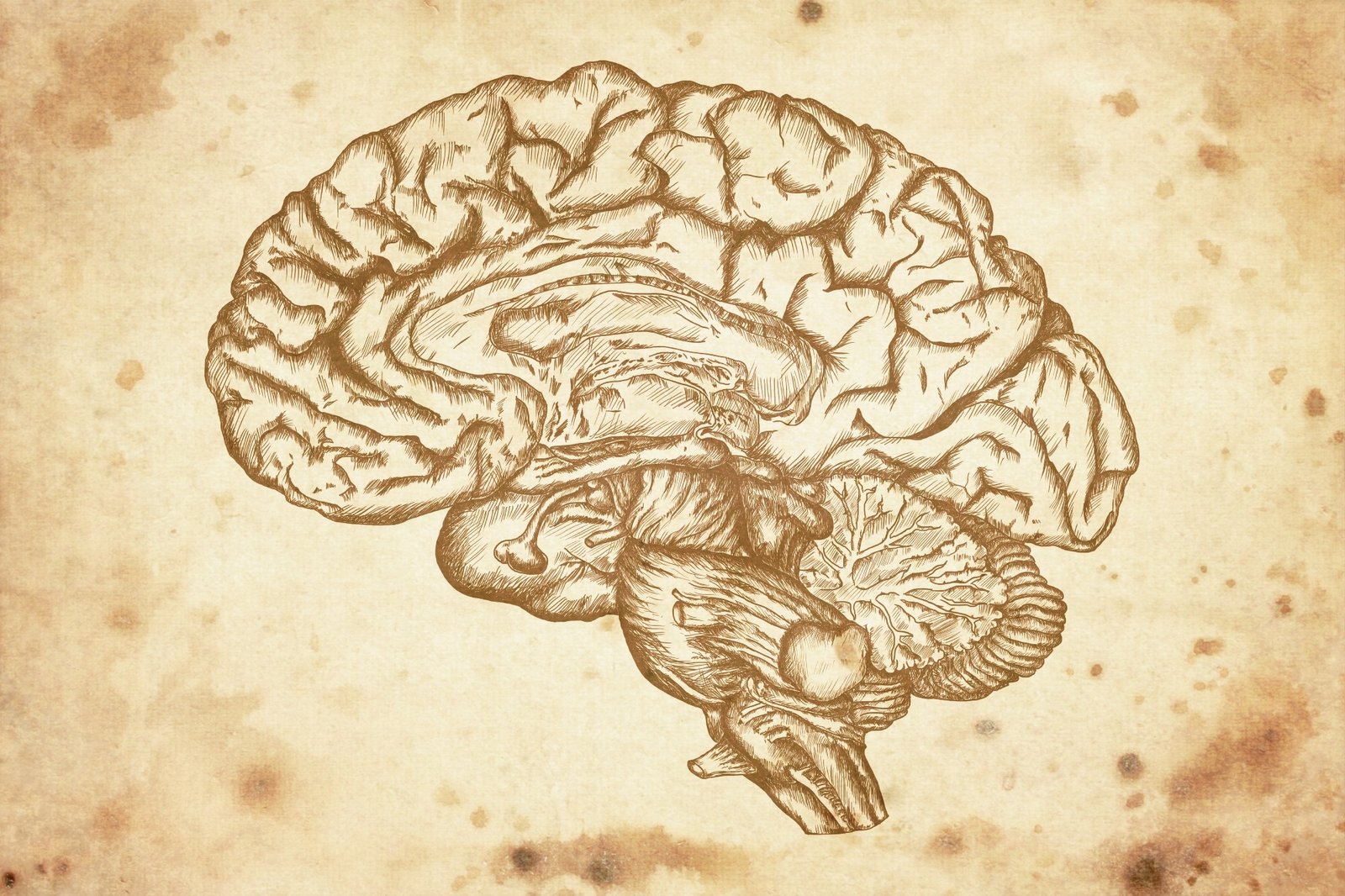
Magnetic resonance scans reveal hidden hypothalamic changes to young women, shed light on the biological roots of anorexia and obesity and paving the way for targeted therapies.

Study: Unfolding the nervous bases of eating disorders in the female brain: ideas from high -field magnetic resonance imaging. Credit Picture: Suppakjj1017 / Shutterstock.com

A recent editorial feature published in American Journal of Clinical Nutrition It discusses the use of a new technical imaging to explore how some hypothalamic structural features affect nutrition behaviors.

A new approach to studying the hypothalamus

Women are more likely to develop eating disorders such as nervous anorexia than men, especially during adolescence. Despite this disproportionate, few studies have explored the role of female brain in neuroscience and psychiatry.

The hypothalamus is a small, heterogeneous structure of the brain in Diencepharon that regulates the homeostatic and hedonal functions involved in nutrition behaviors. Current imaging techniques are limited to their ability to capture the sub -. As a result, most studies investigating the role of the hypothalamus have been conducted in rodents.

Using precision imaging to explore the neurobiological roots of eating disorders offers a critical way to progress driving. “

In a previous study published in Journal of Clinical Medicine, Researchers identified minimal changes in the hypothalamus of young adult females with anorexia nervosa and obesity. To this end, an extremely sensitive, extremely analysis T1 require quantitative magnetic resonance imaging (MRI) to overcome the restrictions associated with traditional ways of depicting unable to visualize the human hypothalamus.

Here, the hypothalamus of the forty -four young females was depicted, twenty -one of which had normal weight, thirteen diagnosed with restrictive anorexia and ten developed obesity. The appropriate age matching has removed any possible age -related bias.

Volumes and quantitatively T1 Prices of individual hypothalamic nuclei, which served as indices of cellular integrity, were compared after normalizing the entire brain using non -parameter tests. An analysis of multiplicative non -linear of some minimum squares (NIPALs) were carried out to determine the factors associated with the Body Mass Index (BMI) and eating disorders, such as ghrelin and leptin levels, magnetic resonance parameters (MRI).

In this multi-scientific strategy, 7T magnetic resonance imaging data of hypothalamic hypotheses were bridged with eating, anxiety, mood and regional hunger-and-leveling levels.

Study findings

The volumetric data and quantitative T1 measures of 50 different hypothalamic areas of the brain were taken. Patients who lived with anorexia nervosa and, to a lesser extent, obesity had characteristic differences in the hypothalamic paranoia and peripheral nuclei, as well as the connection of fibers, compared to those with normal weight.

Both the para-as well as the regional nuclei have been found to play critical roles in nutrition behaviors, suggesting that any minimal changes in these areas can contribute to the pathophysiology of eating disorders.

Tumor reductions are usually associated with atrophy in aging or neurodegenerative diseases. By comparison, increased brain tumors in younger populations are associated with swelling or inflammation in neuronal tissues. Researchers said that larger hypothalamic hypothesis can contribute to dietary disorders in females.

The current study also proposed potential underlying mechanisms for which younger women are at increased risk of developing eating disorders. Mechanically, the larger hypothalamic hypothesis, which may occur due to inflammatory processes, could cause eating disorders and eating disorders in females.

Significant fluctuations in leptin and ghrelin levels, along with changes in the turtles, right anterior committee and starting point, were observed at feminine prices and anorexia, which were associated with disorder.

Conclusions and future perspectives

The new neuroimaging technique discussed in this study allowed researchers to identify specific changes in hypothalamic areas in female young adults who contributed to their eating disorders. Specifically, the peptide 1 receptor agonists (GLP-1) that look like glucagon were found to target the hypothesis arch and improve unhealthy eating behavior.

In the future, timeless studies should be carried out to understand whether the amendments to the sub -sub -suburbs and quantitative T1 precede the onset of symptoms. An analysis of monitoring of structural and functional connectivity to hypothalamus hypothalames can also clarify nerve processes within extensive Limbic and bark networks in patients with eating disorders.

Magazine report:

  • Witte, AV, & Sacher, J. (2025) unfolding the nerve bases of eating disorders in the female brain: Information from high -field magnetic resonance imaging. The American Nutrition Journal. 121 (5), pp. 943-944. DOI: 10.1016/J.Ajcnut.2025.02.027
Disorders Eating Face higher Magnetic resonance reveal risk scans women young
bhanuprakash.cg
healthtost
  • Website

Related Posts

Multi-institutional trial explores new lifeline for advanced prostate patients

May 15, 2026

The impact of Covid-19 on young people’s access to contraceptives and contraceptive services

May 15, 2026

Measles is back in the news. See what pregnant women need to know.

May 15, 2026

Leave A Reply Cancel Reply

Don't Miss
Nutrition

How to be more human

By healthtostMay 15, 20260

Where has our humanity gone? Locked in our homes for two years, glued to our…

What are they trying to tell us and how to overcome them

May 15, 2026

Multi-institutional trial explores new lifeline for advanced prostate patients

May 15, 2026

I didn’t sleep so well. Should I still exercise? | The Wellness Blog

May 15, 2026
Stay In Touch
  • Facebook
  • Twitter
  • Pinterest
  • Instagram
  • YouTube
  • Vimeo
TAGS
Baby benefits body brain cancer care Day Diet disease exercise finds Fitness food Guide health healthy heart Improve Life Loss Men mental Natural Nutrition Patients Pregnancy research reveals risk routine sex sexual Skin Skincare study Therapy Tips Top Training Treatment Understanding ways weight women Workout
About Us
About Us

Welcome to HealthTost, your trusted source for breaking health news, expert insights, and wellness inspiration. At HealthTost, we are committed to delivering accurate, timely, and empowering information to help you make informed decisions about your health and well-being.

Latest Articles

How to be more human

May 15, 2026

What are they trying to tell us and how to overcome them

May 15, 2026

Multi-institutional trial explores new lifeline for advanced prostate patients

May 15, 2026
New Comments
    Facebook X (Twitter) Instagram Pinterest
    • About Us
    • Contact Us
    • Privacy Policy
    • Terms and Conditions
    • Disclaimer
    © 2026 HealthTost. All Rights Reserved.

    Type above and press Enter to search. Press Esc to cancel.