

Close Menu
Healthtost
  • News
  • Mental Health
  • Men’s Health
  • Women’s Health
  • Skin Care
  • Sexual Health
  • Pregnancy
  • Nutrition
  • Fitness
  • Recommended Essentials
What's Hot

If you can still do these 7 things at 60, your body is aging better than most

May 2, 2026

AI scribes save doctors time, but fail to reduce overtime

May 2, 2026

Every mental health journey starts with being seen

May 2, 2026
Facebook X (Twitter) Instagram
  • About Us
  • Contact Us
  • Privacy Policy
  • Terms and Conditions
  • Disclaimer
Facebook X (Twitter) Instagram
Healthtost
SUBSCRIBE
  • News

    AI scribes save doctors time, but fail to reduce overtime

    May 2, 2026

    Identifying the ages at which Alzheimer’s biomarkers change sharply

    May 1, 2026

    Timing of food may shape how T cells respond to infection and therapy

    May 1, 2026

    UCLA researchers build programmable artificial organs using RNA

    April 30, 2026

    Sapio Sciences brings Claude Cowork to the lab

    April 30, 2026
  • Mental Health

    Every mental health journey starts with being seen

    May 2, 2026

    What animal studies teach us about toxic work environments

    April 27, 2026

    I hate hope: How to manage hope when you have treatment-resistant bipolar disorder

    April 19, 2026

    Rose Byrne is raw, magnetic and unfiltered as a woman in crisis

    April 18, 2026

    Can a single mother change her child’s surname in India?

    April 16, 2026
  • Men’s Health

    3 Day Home Workout Plan: Build Muscle and Burn Fat

    April 30, 2026

    GLP-1 drugs promise broader health benefits, but experts advise caution on use

    April 28, 2026

    Trauma patients recover faster when medical teams know each other well, new study finds

    April 28, 2026

    I did red light therapy for 3 months so I shouldn’t have

    April 27, 2026

    Sex Secrets for Men Over 40: Surviving Male Menopause

    April 27, 2026
  • Women’s Health

    What is the difference between UVA and UVB rays?

    May 1, 2026

    Are you a fungus fanatic? We unpack the nutritional trend of mushroom mania

    April 29, 2026

    What the Patients’ Bill of Rights Could Mean for Black Women

    April 29, 2026

    Navigating sexual health during and after cancer

    April 28, 2026

    Do tampons break the hymen? Facts, Myths and What You Need to Know – Vuvatech

    April 27, 2026
  • Skin Care

    The truth about waterless care: What your skin really needs

    May 2, 2026

    What happens to your skin while you sleep? (the science of “Beauty Sle

    May 1, 2026

    Face Peeling Mask Guide: Shine Without Irritation

    April 28, 2026

    Is your moisturizing face mist really drying out your skin?

    April 28, 2026

    Uses and Benefits of TNW Natural Aloe Vera Face Gel – The Natural Wash

    April 27, 2026
  • Sexual Health

    Boost erectile health and confidence

    May 1, 2026

    Judicial Restrictions on Abortion COVID-19 < SRHM

    April 30, 2026

    Can herpes affect fertility?

    April 29, 2026

    The Importance of Personalized Care in Medication Assisted Therapy (MAT) Programs I Novus

    April 28, 2026

    Your favorite mold is lying to you (a little) — Sexual Health Alliance

    April 28, 2026
  • Pregnancy

    5 things you need for the third trimester

    May 1, 2026

    Eating disorders in pregnancy and breastfeeding: Why “healthy eating” is not always easy

    May 1, 2026

    Comprehensive yoga for pregnancy, birth and beyond

    April 29, 2026

    Midwifery and Life – The postnatal health check New mums don’t know they can ask for

    April 28, 2026

    Epidural and unmedicated delivery with two different deliveries

    April 26, 2026
  • Nutrition

    How to create a self-care plan when you’re stressed

    May 1, 2026

    I answer the most HOT Questions about Fatty Liver

    April 29, 2026

    Why You’re Not Losing Weight After 35 (Even When You Eat Less)

    April 28, 2026

    Where to eat in London

    April 27, 2026

    Dr. Will Cole on Why Hire FDN Professionals

    April 26, 2026
  • Fitness

    If you can still do these 7 things at 60, your body is aging better than most

    May 2, 2026

    A Hike Leader’s Must-Have Kit

    April 30, 2026

    Menopausal Hair Loss Solutions: 10 Expert Tips

    April 29, 2026

    Identity Inversion: Part 1 – Ben Greenfield Life

    April 29, 2026

    How to improve accessibility in your gym

    April 28, 2026
  • Recommended Essentials
Healthtost
Home»Women's Health»How Ketogenic Diets Reshape Athletes’ Physiques
Women's Health

How Ketogenic Diets Reshape Athletes’ Physiques

healthtostBy healthtostNovember 8, 2024No Comments5 Mins Read
Facebook Twitter Pinterest LinkedIn Tumblr Reddit WhatsApp Email
How Ketogenic Diets Reshape Athletes' Physiques
Share
Facebook Twitter LinkedIn Pinterest WhatsApp Email

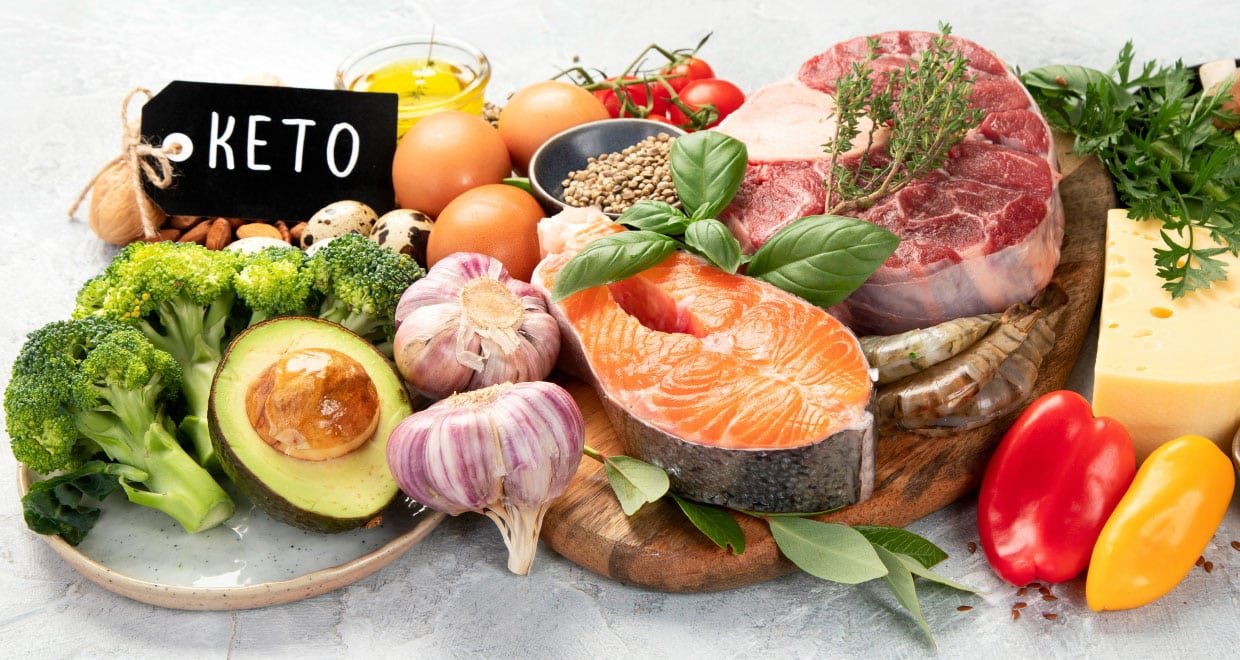
The high-fat, moderate-protein, low-carb ketogenic diet has become a very popular conditioning tool for many local and international bodybuilders because of its power to burn fat while gaining muscle.

While not a new diet by any means, the rise in popularity of this diet has caused many athletes to reconsider their pre-competition nutrition choices.

READ MORE | The dos and don’ts of the ketogenic diet

Low carb trigger

At a basic level, dieting forces the body to use fat stores instead of stored glycogen for fuel.

Due to the low carbohydrate intake prescribed by the diet and in the absence of glycogen, the pancreas releases glucagon, a catabolic hormone that has the ability to break down body tissues for energy.

The body is then forced into a state of ketosis when glucagon and carnitine convert stored fat into free fatty acids and energy substrates called ketones or ketone bodies. All of this is done in the liver through the Krebs cycle.

THE Ketone bodies then circulate and replace glucose as the body’s main source of energyfulfilling the various vital functions that glucose had in the body. As the level of ketone bodies in the blood increases and reaches a threshold, the body enters a state of ketosis.

READ MORE | Explained keto supplements

Keto Diet Guidelines

The classic ketogenic diet foods rich in carbohydrates are excluded such as starchy fruits and vegetables, bread, pasta, grains and sugar, while increasing consumption of foods high in medium-chain triglycerides – which are more ketogenic – and long-chain triglycerides.

By forcing the body to tap into fat stores for energy by drastically reducing the amount of carbohydrates you consume, bodybuilders have been able to drastically reduce their body fat percentages to meet their race preparation.

By following this diet, even for short periods of time, the body also becomes more efficient at mobilizing stored fat for energy.

READ MORE | Forget fads: Trust these science-backed diets

Muscle sparing effect

It is important for the preparation on stage, a situation Ketosis also appears to have muscle effectsprovided that your dietary protein intake and total calorie consumption are adequate and that your training volume is kept low and heavy.

This occurs as the body preferentially uses circulating ketones for energy, which limits protein gluconeogenesis – the process where muscle tissue is broken down (catabolized) into amino acids and converted into glucose.

In addition, the lack of carbohydrates and sugar in the diet limits the amount of insulin released from the pancreas into the body. This can increase lipolysis and release of free glycerol and reduce fat storage. Reduced insulin release also helps increase natural production of growth hormone and releases other powerful growth factors.

A high-fat diet is also more calorie dense. The fact that each gram of fat releases nine calories, as opposed to only four calories per gram of carbohydrate, means that energy from fat is also more efficient and will help boost energy levels.

Recycling your carbs

Regarding its application as a pre-race diet, many coaches advocate its use replenishes glycogen or periods of carbohydrate cycling to provide the energy needed to train at the correct intensity and volume ahead of a performance.

There are two specific techniques used in this regard, namely the cyclic (CKD) or the targeted (TKD) ketogenic diet.

  1. CKDs involve periods of high carbohydrate intake for 1-2 days, usually at the weekend or on rest days, followed by a minimal amount of around 30-50g of carbohydrate on the other days of the week. These “carbs” refill your muscle glycogen stores, giving your body the energy it needs to power through the next week’s workouts. If done correctly, without causing a glycogen “leakage” effect, this carb spike can trigger anabolic recovery and even muscle growth as the dieter exits the low-carb phase.
  2. TKDs plan carbohydrate-rich pre- and post-workout meals. This approach is ideal for those intense workouts where extra energy is needed. For example, on heavy training days, an athlete might consume 25g of carbohydrates with some whey protein 30 minutes before training and another 25-50g with protein afterwards. There are no carb days and carb intake is minimal for the rest of the day.

Starting a ketogenic diet

If you have never used a ketogenic diet your body should go through a process commonly referred to as a ‘metabolic shift’.

This is the process in which the body moves away from its dependence on glucose and learns to function properly using ketones as an energy source.

As glucose plays an important role in brain function, dieters often experience cognitive fatigue in addition to the physical fatigue associated with low glycogen levels. This adaptation process can take up to three weeks, but if after three weeks your body has not adapted, then it is generally recommended that you try another diet.

In general, the best way to get into ketosis is to start with a fairly high fat intake with small amounts of protein.

First-time users should also aim to include 100 grams of carbohydrates per day as part of the initial phase of their diet. The rest of their diet should consist of protein and fat.

Once your body has acclimated to this type of diet, start reducing your carb intake until you reach a state of ketosis. At this point, reduce your fat intake slightly and increase your protein intake.

It’s important to do it this way, as protein can affect the development of ketosis because a portion of your dietary protein intake can be converted to glucose.

The ideal pre-race ketogenic diet typically consists of 35-40% of calories from protein, 50-55% from fat, and the rest from carbohydrates.

Author: Pedro van Gaalen

When he’s not writing about sports or health and fitness, Pedro is most likely out training for his next marathon or ultramarathon. He has worked as a fitness professional and as a marketing and comms specialist. He now combines his passions in his role as managing editor at Fitness magazine.

athletes diets Ketogenic Physiques reshape
bhanuprakash.cg
healthtost
  • Website

Related Posts

What is the difference between UVA and UVB rays?

May 1, 2026

Are you a fungus fanatic? We unpack the nutritional trend of mushroom mania

April 29, 2026

What the Patients’ Bill of Rights Could Mean for Black Women

April 29, 2026

Leave A Reply Cancel Reply

Don't Miss
Fitness

If you can still do these 7 things at 60, your body is aging better than most

By healthtostMay 2, 20260

Aging has a way of slowing down your body. It can affect your muscles, strength…

AI scribes save doctors time, but fail to reduce overtime

May 2, 2026

Every mental health journey starts with being seen

May 2, 2026

The truth about waterless care: What your skin really needs

May 2, 2026
Stay In Touch
  • Facebook
  • Twitter
  • Pinterest
  • Instagram
  • YouTube
  • Vimeo
TAGS
Baby benefits body brain cancer care Day Diet disease exercise finds Fitness food Guide health healthy heart Improve Life Loss Men mental Natural Nutrition Patients Pregnancy protein research reveals risk routine sex sexual Skin Skincare study Therapy Tips Top Training Treatment ways weight women Workout
About Us
About Us

Welcome to HealthTost, your trusted source for breaking health news, expert insights, and wellness inspiration. At HealthTost, we are committed to delivering accurate, timely, and empowering information to help you make informed decisions about your health and well-being.

Latest Articles

If you can still do these 7 things at 60, your body is aging better than most

May 2, 2026

AI scribes save doctors time, but fail to reduce overtime

May 2, 2026

Every mental health journey starts with being seen

May 2, 2026
New Comments
    Facebook X (Twitter) Instagram Pinterest
    • About Us
    • Contact Us
    • Privacy Policy
    • Terms and Conditions
    • Disclaimer
    © 2026 HealthTost. All Rights Reserved.

    Type above and press Enter to search. Press Esc to cancel.