

Close Menu
Healthtost
  • News
  • Mental Health
  • Men’s Health
  • Women’s Health
  • Skin Care
  • Sexual Health
  • Pregnancy
  • Nutrition
  • Fitness
  • Recommended Essentials
What's Hot

I tried to hide my hemiparesis

July 15, 2026

Celebrating 30 years of Sex Sense

July 15, 2026

Exercise Wall Angels During Pregnancy: A Step-by-Step Guide

July 15, 2026
Facebook X (Twitter) Instagram
  • About Us
  • Contact Us
  • Privacy Policy
  • Terms and Conditions
  • Disclaimer
Facebook X (Twitter) Instagram
Healthtost
SUBSCRIBE
  • News

    Weight loss and anti-inflammatory drugs combine to fight leukemia

    July 14, 2026

    Unreliable datasets shape clinical prediction models

    July 14, 2026

    Bariatric surgery is safe, effective for obese teenagers and young adults

    July 13, 2026

    Engineered ribozyme repairs broken RNA to explain origin of life

    July 13, 2026

    Blue LED lights help chemists create complex drug molecules

    July 12, 2026
  • Mental Health

    How can you be tired but wired? Blame it on your stone age brain

    July 12, 2026

    Almost 20% of new mums have anxiety or depression, but a promising psychedelic treatment is on the horizon

    July 7, 2026

    How can ART help us improve our mental health? With 3 Ways

    July 5, 2026

    How much do friends affect the mental health of teenagers? What a new study can (and can’t) tell us

    July 3, 2026

    What happens in your blood when you are stressed? We put it to the test

    June 28, 2026
  • Men’s Health

    Low testosterone or just stress? How to tell the difference

    July 11, 2026

    Gut-friendly diet linked to lower risk of coronary heart disease mortality

    July 9, 2026

    Men don’t just avoid their health. Many lose themselves.

    July 8, 2026

    The Crazy Hard Standards of the Hardest PE Program in History

    July 8, 2026

    Why our relationships are becoming more dishonest and what we can do about it

    July 7, 2026
  • Women’s Health

    I tried to hide my hemiparesis

    July 15, 2026

    Kyoto recap, bamboo forest and monkey park

    July 13, 2026

    Menopause and Your Microbiome: How Gut Health Shapes Weight, Mood, and Hormones

    July 11, 2026

    They heard us. Now will they listen?

    July 11, 2026

    Taite Heller on Why Barre Became a Top-5 Fitness Trend

    July 8, 2026
  • Skin Care

    How to use nature’s retinol: Bakuchiol in your beauty routine

    July 13, 2026

    How our natural hair care achieves salon-level results without silicones

    July 11, 2026

    Coconut Allergy and Skin Care: 20 Questions Finally Answered by a Pharmacist

    July 11, 2026

    New Sunscreen Ingredient: Is This The SPF Upgrade We’ve Been Waiting For?

    July 9, 2026

    How to achieve the perfect tan

    July 8, 2026
  • Sexual Health

    Celebrating 30 years of Sex Sense

    July 15, 2026

    STDs in older adults are on the rise—up to seven times higher than in 2012

    July 13, 2026

    Fildena 150 Benefits | Effective ED & Sexual Performance Treatment

    July 11, 2026

    Painful sex after menopause: When is it time to seek treatment?

    July 11, 2026

    Emotional capitalism and artificial intimacy

    July 10, 2026
  • Pregnancy

    Exercise Wall Angels During Pregnancy: A Step-by-Step Guide

    July 15, 2026

    Breech VBAC (Vaginal Birth after Caesarean Section) Birth Story

    July 13, 2026

    How baby showers have changed throughout history

    July 13, 2026

    Calf Raises During Pregnancy: Step-by-Step Guide and Benefits

    July 8, 2026

    Tri-Tri Triplet Pregnancy with Vaginal Birth Story – The Birth Hour Triplet Pregnancy and Vaginal Birth Story with Ashlie Holladay

    July 7, 2026
  • Nutrition

    Chocolate Cherry Chia Pudding: Easy Vegan Recovery Snack

    July 14, 2026

    The Cholesterol Question: A Breakthrough Victory for Keto and Cognitive Health

    July 14, 2026

    15 No-Cook Dinners for Kids (Because It’s Too Hot to Turn on the Oven)

    July 12, 2026

    30 Minute Chicken Pesto Pasta (Dietist Approved)

    July 11, 2026

    5 Easy High Fiber Bowl Recipes

    July 8, 2026
  • Fitness

    How to Choose a Fitness Certification on a Budget

    July 14, 2026

    Meet the Belle Vitale™ Supplement System: Two Formulas. A comprehensive approach to hormone health.

    July 11, 2026

    where we ate in Tokyo (and gluten-free options!)

    July 9, 2026

    Using External Signaling to Improve Linear Acceleration – Tony Gentilcore

    July 8, 2026

    5 Simple Screen Changes That Can Improve Sleep and Focus

    July 7, 2026
  • Recommended Essentials
Healthtost
Home»Women's Health»Do SSRI antidepressants reduce the risk of preeclampsia? Maybe, but it’s complicated
Women's Health

Do SSRI antidepressants reduce the risk of preeclampsia? Maybe, but it’s complicated

healthtostBy healthtostApril 15, 2024No Comments4 Mins Read
Facebook Twitter Pinterest LinkedIn Tumblr Reddit WhatsApp Email
Do Ssri Antidepressants Reduce The Risk Of Preeclampsia? Maybe, But
Share
Facebook Twitter LinkedIn Pinterest WhatsApp Email

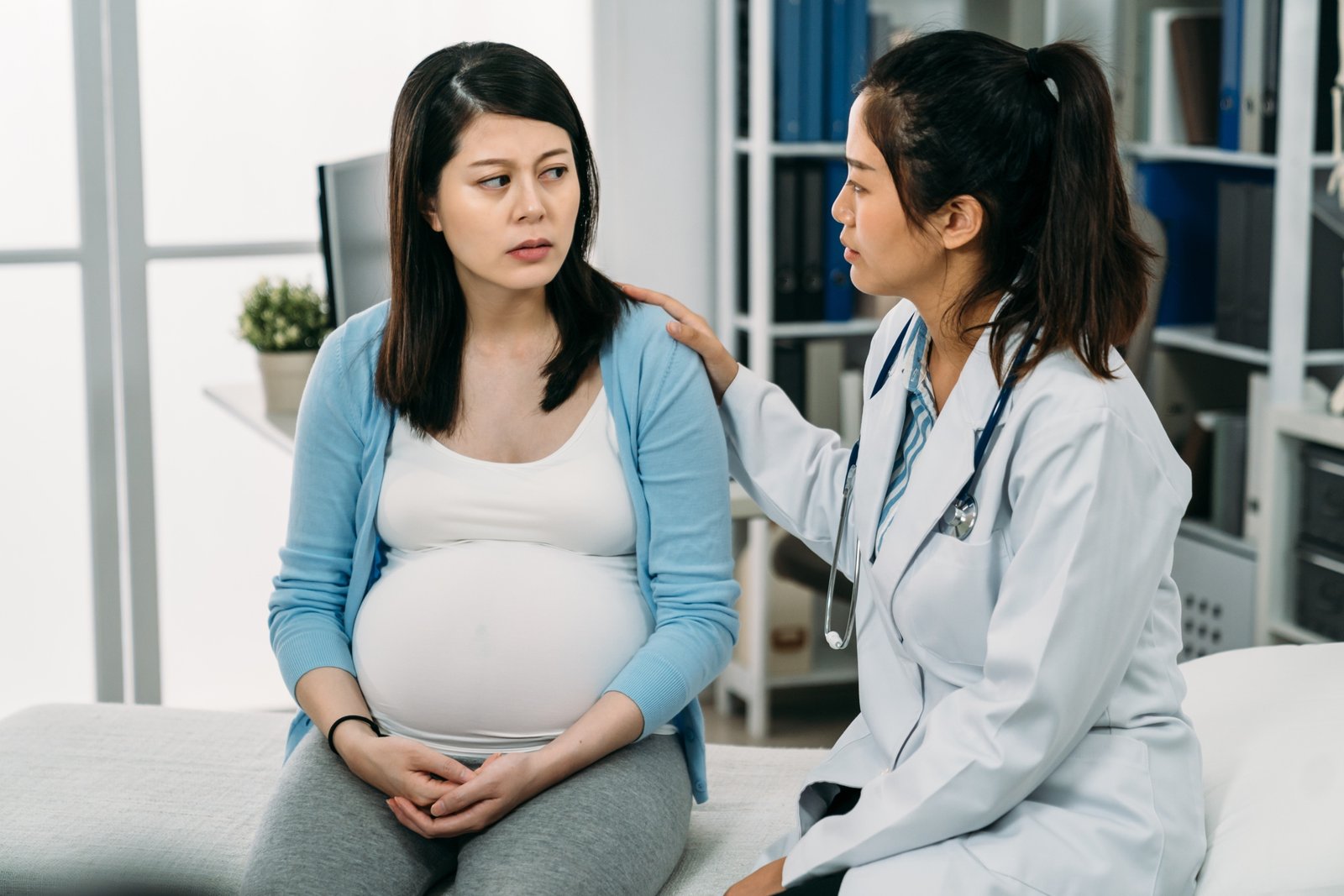
Preeclampsia is a complication of pregnancy characterized by high blood pressure and abnormalities in liver and kidney function. Preeclampsia occurs in approximately 5-8% of pregnancies and is a major cause of maternal and fetal morbidity and mortality. Risk factors for preeclampsia include preeclampsia during a previous pregnancy, first pregnancy, multiple pregnancy, maternal age over 40, obesity, and certain underlying medical conditions, such as chronic hypertension, diabetes, and kidney disease .

Exactly what causes preeclampsia is not fully understood. Because serotonin plays a role in vascular function and blood pressure regulation, some have questioned whether the use of serotonin reuptake inhibitor (SRI) antidepressants might affect a woman’s risk for preeclampsia. While several studies have shown an increased risk of preeclampsia in women taking SRIs during pregnancy, this finding is not consistent, and most of these studies were small and could not account for potential confounders.

A recent meta-analysis Including 400,000 women exposed to SSRIs showed a small, statistically significant association between prenatal exposure to SSRIs and risk of preeclampsia. However, the authors noted some important limitations of this meta-analysis. Most importantly, most of the studies included in the meta-analysis failed to account for the severity of anxiety/depression, SSRI dose, and/or other well-defined risk factors for preeclampsia (eg, obesity, diabetes, smoking, race). . The most common limitation of the included studies was the failure to account for the severity of maternal anxiety/depression, which may independently lead to risk for preeclampsia.

A closer look at SRIs and preeclampsia

It is biologically plausible that SRIs may actually reduce the risk for preeclampsia. Both depression and preeclampsia are associated with dysregulation of serotonergic neurotransmitter systems. Therefore, it is plausible that drugs, such as SRI antidepressants, that improve serotonergic regulation may also help reduce depressive symptoms, as well as reduce vulnerability to preeclampsia.

To further investigate this possibility, Vignato and colleagues evaluated clinical data from a retrospective study of 9558 SSRI-naïve and 9046 SSRI-treated pregnancies. Psychiatric diagnoses were determined using a review of medical records, and depressive symptoms were measured using the Patient Health Questionnaire-9 (PHQ-9). They observed that SSRI use during pregnancy was associated with a reduced risk of preeclampsia after controlling for clinical confounders, including severity of depression, history of chronic hypertension, diabetes, body mass index, and age (odds ratio, OR = 0.9 [95% CI 0.7-1.0]p = 0.05).

Going a step further, this study also looked at how depression and SSRI treatment might affect the risk for pre-eclampsia by looking at copeptin levels. Copeptin is a peptide co-secreted (in a 1:1 ratio) with arginine vasopressin (AVP) in response to hemodynamic or osmotic stimuli. In patients with preeclampsia, increased AVP secretion stimulates an increase in blood pressure. Copeptin is easier to measure than AVP and previous studies have shown this Copeptin levels are a reliable predictor of preeclampsia risk.

In a subset of 233 pregnancies, copeptin levels were measured in early pregnancy (< 20 weeks). Compared to women with mild or no depression, women with moderate to severe depressive symptoms produced significantly higher levels of copeptin (240 ± 29 vs. 142 ± 10 ng/mL, p < 0.001). SSRI treatment significantly reduced first-trimester copeptin levels (78 ± 22 in users vs. 240 ± 29 ng/ml in nonusers, p < 0.001).

Looking specifically women with moderate-to-severe depressive symptoms taking SSRIs, copeptin levels were significantly lower in SSRI-treated women than in untreated women with moderate-to-severe depressive symptoms (181?±?64 ng/mL [n?=?10] against 657?±?164 [n?=?10], Pi?=?0.02).

Clinical Implications

Based on the findings of this study, it is likely that SSRIs may actually reduce the risk of preeclampsia, while depressive symptoms, especially when more severe, may actually increase the risk of preeclampsia.

While future studies will help clarify the complex interplay between depression, SSRI therapy, and preeclampsia, the information we have so far is reassuring. If there is a risk of preeclampsia associated with SSRI therapy, the risk appears to be relatively small. However, there are substantial data indicating that the risk of preeclampsia is higher in women with depressive illness (even in the absence of SSRI treatment) and may be influenced by other coexisting risk factors such as obesity, chronic hypertension, diabetes. sugar and smoking.

Ruta Nonacs, MD PhD

bibliographical references

Gumusoglu SB, Schickling BM, Vignato JA, Santillan DA, Santillan MK. Selective serotonin reuptake inhibitors and preeclampsia: quality assessment and meta-analysis. Hypertension of pregnancy. 2022 Dec 30:36-43.

Vignato JA, Gumusoglu SB, Davis HA, Scroggins SM, Hamilton WS, Brandt DS, Pierce GL, Knosp BA, Santillan DA, Santillan MK. Selective use of serotonin reuptake inhibitors in pregnancy and protective mechanisms in preeclampsia. Reprod Sci. August 19, 2022.

related posts

antidepressants complicated preeclampsia reduce risk SSRI
bhanuprakash.cg
healthtost
  • Website

Related Posts

I tried to hide my hemiparesis

July 15, 2026

Kyoto recap, bamboo forest and monkey park

July 13, 2026

Menopause and Your Microbiome: How Gut Health Shapes Weight, Mood, and Hormones

July 11, 2026

Leave A Reply Cancel Reply

Don't Miss
Women's Health

I tried to hide my hemiparesis

By healthtostJuly 15, 20260

It’s July Disability Pride Month.As he told you Jacquelyne FroeberI was born in pants —…

Celebrating 30 years of Sex Sense

July 15, 2026

Exercise Wall Angels During Pregnancy: A Step-by-Step Guide

July 15, 2026

Chocolate Cherry Chia Pudding: Easy Vegan Recovery Snack

July 14, 2026
Stay In Touch
  • Facebook
  • Twitter
  • Pinterest
  • Instagram
  • YouTube
  • Vimeo
TAGS
Baby benefits body brain cancer care Day Diet disease exercise finds Fitness food Guide health healthy heart Improve Life Loss Men mental Natural Nutrition Patients People Pregnancy research reveals risk routine sex sexual Skin Skincare study Therapy Tips Top Training Treatment ways weight women Workout
About Us
About Us

Welcome to HealthTost, your trusted source for breaking health news, expert insights, and wellness inspiration. At HealthTost, we are committed to delivering accurate, timely, and empowering information to help you make informed decisions about your health and well-being.

Latest Articles

I tried to hide my hemiparesis

July 15, 2026

Celebrating 30 years of Sex Sense

July 15, 2026

Exercise Wall Angels During Pregnancy: A Step-by-Step Guide

July 15, 2026
New Comments
    Facebook X (Twitter) Instagram Pinterest
    • About Us
    • Contact Us
    • Privacy Policy
    • Terms and Conditions
    • Disclaimer
    © 2026 HealthTost. All Rights Reserved.

    Type above and press Enter to search. Press Esc to cancel.