


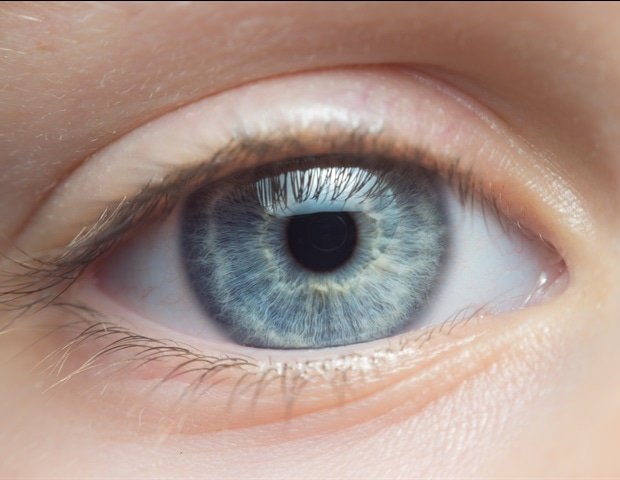
Researchers at Baylor College of Medicine and Okayama University in Japan have developed and tested in mice a promising new formulation of eye drops to treat dry eye. The team reports Research Ophthalmology & Optical Science that the treatment significantly reduced the typical features of dry eye, such as inflammation, damage to the eye’s surface, and loss of goblet cells, which produce factors that help stabilize tears and lubricate the eye. The findings support human studies to evaluate the safety and effectiveness of this treatment that could potentially benefit millions of people with dry eye.
Dry eye is a common condition that causes irritation, redness and blurred vision. Dry eye occurs more often as we age in women as well. It develops when the eyes do not produce enough tears or when the tears evaporate too quickly, often due to environmental conditions such as dryness or wind. In more severe cases, dry eye can damage the surface of the eye, the cornea, and interfere with daily activities such as reading or driving. People with the condition tend to have it for the rest of their lives.”
Dr. Stephen C. Pflugfelder, the corresponding author, professor and James and Margaret Elkins Chair in Ophthalmology at Baylor
Current treatments include steroid drugs that suppress the immune response that leads to inflammation in the eyes. “Unfortunately, long-term steroid use is not recommended because it can lead to glaucoma — damage to the optic nerve that can lead to blindness — or cataracts,” Pflugfelder said. “There is a need for improved treatments.”
Previous studies have shown that the immune system plays an important role in eye health. Among immune cells, resident macrophages act as protectors. These cells live in tissues long-term and help maintain normal function by clearing debris, reducing inflammation, and supporting tissue repair.
This balance is disturbed in dry eye. Stress leads to the recruitment of other immune system cells from the blood, circulating monocytes, which promote inflammation. At the same time, resident helper macrophages become less efficient, making fewer of the protective molecules they normally produce. Taken together, these changes contribute to corneal damage and loss of specialized goblet cells.
“We hypothesized that enhancing the function of protective macrophages could reduce inflammation and improve eye health,” said Pflugfelder. “We started a collaboration with Dr. Hiroki Kakuta, a research professor at Okayama University who is an expert in creating alternative steroids to treat immune-mediated diseases. We were interested in testing his compounds called rexinoids in our mouse model of human dry eye.”
The Kakuta lab had developed a rexinoid called NEt-3IB, which enhances the protective role of resident macrophages. However, NEt-3IB in its original form does not mix well in water, a requirement for eye drops. Kakuta’s group modified the compound so that it was well soluble in water while retaining its ability to stimulate the protective role of macrophages.
“In the current study, we were excited to find that application of NEt-3IB eye drops shifted resident macrophages toward a protective role by suppressing the production of inflammatory compounds and stimulating the production of healing compounds that promote debris clearance and immune balance,” Pflugfelder said. “The treatment also preserved the integrity of the corneal barrier and the number and size of goblet cells during exposure to desiccation stress.”
Importantly, while steroid eye treatments can increase pressure inside the eye, which can lead to glaucoma with prolonged use, in this study, NEt-3IB caused much smaller increases in eye pressure than the steroid dexamethasone, suggesting it could be safer for long-term use. More research is needed to evaluate the consequences of prolonged use of NEt-3IB.
Current treatments for dry eye often focus on reducing inflammation, but do not necessarily restore the eye’s natural protective mechanisms. This study suggests that redirecting immune cells to both reduce inflammation and enhance protective functions could provide an improved treatment option for dry eye.
First author Jehan Alam, Yangluowa Qu, Jianming Shao, Ebru Yaman, and Karen Zheng, all at Baylor College of Medicine, also contributed to this work.
This study was supported by the Lions Foundation for Sight, National Institutes of Health (NIH) (grants EY11915, U01 EY034692, CA125123, S10OD018033, S10OD023469, 1S10OD02346901, 2P3000 Gran. (EY002520), CPRIT Core Facility Support Award (CPRIT-RP180672), P30 Digestive Disease Center grant (NIDDK-DK56338), P30 Cancer Center support (NCI-CA125123), an unrestricted grant from the Research to Prevent Blindness Foundation, the Sid Hamd.
Source:
Journal Reference:
