


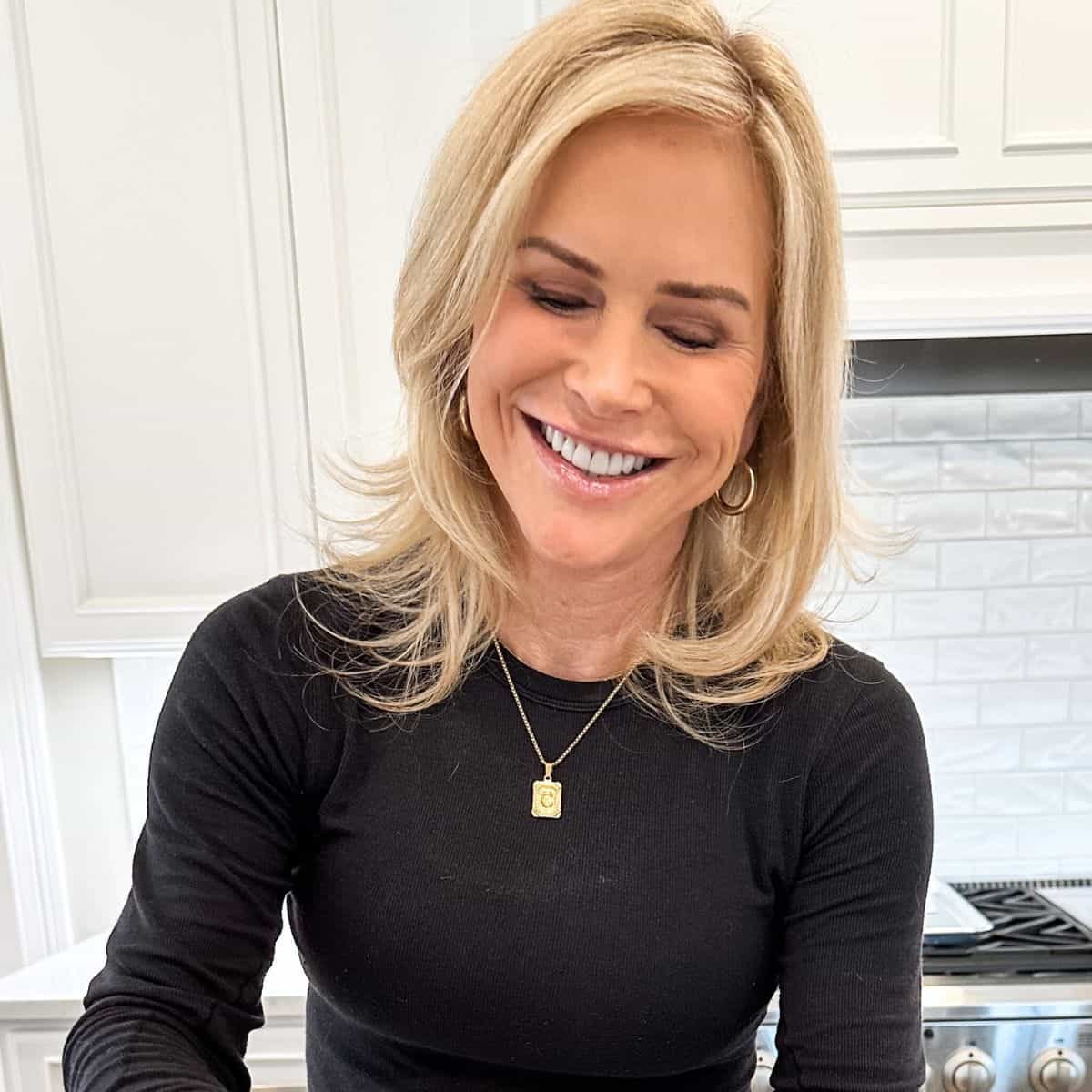
Menopause brings a number of hormonal changes, and one of the most noticeable may be how it affects your hair. Thinning, dryness, and texture changes are common, but I want you to know, you don’t have to accept these changes without a fight!
As a personal trainer and women’s fitness trainer, I believe that taking care of yourself inside and out is key to feeling strong and confident at every stage of life.
There’s a lot I do differently at 60 versus 40, and my hair care is no exception!
Here are my top 10 tips to help you maintain strong, healthy hair during and after menopause:
1. Eat a nutrient-dense diet
What you eat plays a huge role in the health of your hair. I always emphasize a well-balanced diet full of vitamins and minerals to support your body, and that includes your hair.
Focus on foods high in omega-3 fatty acids, iron, zinc and biotin, such as salmon, leafy greens, nuts and eggs. These nutrients nourish your hair follicles and promote growth, keeping your hair strong and supple.
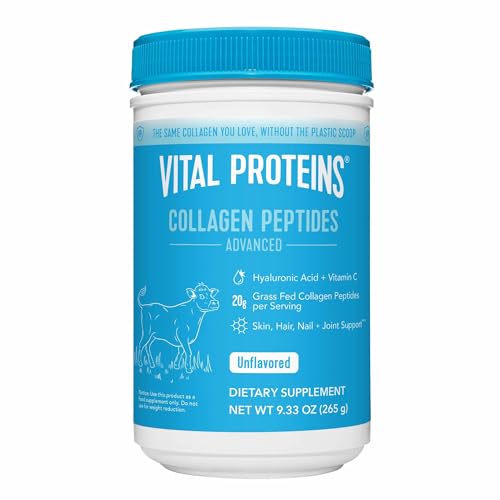
Also consider taking collagen. I add a ball of collagen powder to my AG1 greens every morning and I think it helps with hair, skin and nails.
2. Stay hydrated
I can’t stress this enough, hydration is everything! Hormonal changes during menopause can leave your hair and scalp dry. Drinking plenty of water helps maintain elasticity and prevents breakage.
If you struggle with water intake, try carrying a reusable water bottle or adding a squeeze of lemon for flavor. Or, some of my favorite moisturizing tips!
I add a LMNT package in my water daily – it tastes salty no doubt, but now I’m addicted. I drink it because I need the electrolytes and specifically the salt helps with hydration. I usually drink it before, during and after my workouts.
3. Use a gentle sulfate-free shampoo
The products you use matter. Many shampoos contain harsh sulfates that strip your hair of its natural oils, making it more brittle. I recommend switching to a sulfate-free formula that gently cleanses while retaining moisture.
Look for shampoos with natural oils or moisturizing ingredients like aloe vera to keep your hair soft and shiny.
4. Incorporate scalp massage
Just as exercise improves circulation in your body, scalp massage improves blood flow to your hair follicles, encouraging growth. I like to use my fingers to massage it into my scalp for a few minutes every day or when I shampoo.
If you want an extra boost, try using a nourishing oil like coconut or argan oil to keep your scalp hydrated.
5. Minimize Heat Styling
I get it, sometimes we want to style our hair for a shiny look. But excessive heat from blow dryers, curling irons and straighteners can weaken hair, leading to more breakage.
Whenever possible, air dry your hair or use a heat protectant spray if you need to style.
I don’t just color my hair, I add highlights and I know bleach is super harsh on my hair, so I try to be very careful with heat and when I do use heat, I keep it low.

6. Use deep conditioning treatments
Menopause can make hair feel drier and less manageable, so I make sure to use a deep conditioning treatment or hair mask at least once a week.
Look for masks with keratin, argan oil or shea butter to restore moisture, improve elasticity and keep your hair healthy.

7. Avoid tight hairstyles
Wearing your hair in tight ponytails, braids or buns can put unnecessary stress on your hair follicles, leading to breakage and thinning.
Instead, opt for looser hairstyles that are gentler on your scalp. Or try ponytail holders that are softer than stretchy. I’m here to tell you that the scrunchie is back in style and causes less breakage!
I also recommend changing your hairstyles often to avoid tension-related damage.

8. Get regular ornaments
I make it a priority to trim my hair every 6-8 weeks to keep it looking fresh and healthy. Regular trims prevent split ends and give your hair a fuller look, which is especially important if you’re experiencing thinning.
Talk to your stylist about cuts that add volume for a thicker look.
9. Consider topical treatments
If you struggle with thinning hair associated with menopause, topical treatments like Vegamour may help. These treatments can stimulate hair growth and slow hair loss when used consistently.
I also have friends who have had success with Nutrafol but I can’t speak from experience for them.
If this is something you are considering, consult a healthcare professional to find the best option for you.
10. Manage stress levels
Stress affects everything, your energy, your sleep and yes, even your hair! Chronic stress can contribute to hair loss by disrupting the hormonal balance.
That’s why I prioritize stress-reducing activities like yoga, meditation, and daily walks. Managing stress is vital to your overall health and to keeping your hair strong and vibrant.
Ladies, you don’t have to let menopause take control of your hair health! With the right habits, you can maintain strong, beautiful hair at any stage of your life.
Take care of yourself, nourish your body and give your hair the love it deserves!
