

Close Menu
Healthtost
  • News
  • Mental Health
  • Men’s Health
  • Women’s Health
  • Skin Care
  • Sexual Health
  • Pregnancy
  • Nutrition
  • Fitness
  • Recommended Essentials
What's Hot

Doctors say these 5 daily habits can improve heart health naturally

April 5, 2026

Toxic RNA leads to progressive cardiac damage in myotonic dystrophy

April 5, 2026

How to Layer Body Wash and Lotion \

April 5, 2026
Facebook X (Twitter) Instagram
  • About Us
  • Contact Us
  • Privacy Policy
  • Terms and Conditions
  • Disclaimer
Facebook X (Twitter) Instagram
Healthtost
SUBSCRIBE
  • News

    Toxic RNA leads to progressive cardiac damage in myotonic dystrophy

    April 5, 2026

    Identity coherence is associated with better mental health in marginalized groups

    April 4, 2026

    Low birth weight increases stroke risk independent of adult BMI

    April 4, 2026

    Study reveals widening gender gap in veterans’ well-being after COVID-19

    April 3, 2026

    Study identifies a common hidden genetic cause of neurodevelopmental disorder in children

    April 3, 2026
  • Mental Health

    How yoga helps heal emotional wounds

    April 4, 2026

    Will medicinal cannabis help my mental health? Here are the facts and the risks

    April 1, 2026

    Does World Bipolar Day have an impact?

    March 29, 2026

    Worried about your preschooler’s anxiety? See how you can help

    March 28, 2026

    What is hunger in the air? And can it be treated?

    March 24, 2026
  • Men’s Health

    Coping with sexual health and erectile dysfunction as a couple

    April 3, 2026

    Dumbbell strength training program for over 50

    April 2, 2026

    The toxic manosphere harms girls and boys

    April 2, 2026

    Loving-kindness meditation is linked to reducing stress through self-compassion

    April 1, 2026

    The SEEDS Framework for Natural Testosterone Enhancement

    March 31, 2026
  • Women’s Health

    How to Layer Body Wash and Lotion \

    April 5, 2026

    Find your flow with kettlebells

    April 4, 2026

    He was recovering from surgery when he discovered he had cancer

    April 3, 2026

    Why can’t I fit anything in my vagina? Understanding the “Wall” Sensation and How to Fix It – Vuvatech

    April 2, 2026

    Radiant Eyes This Season: Spring-Summer makeup trends and eye care tips

    March 31, 2026
  • Skin Care

    Backed by Science. Built for results. – Lifeline Skin Care

    April 4, 2026

    Best Facials | What to book for real results

    April 4, 2026

    Don’t Sabotage Your Laser Treatment Aftercare: 7 Mistakes

    April 3, 2026

    5 reasons why dermatologists prefer Retinal – Tropic Skincare

    April 2, 2026

    Jeuveau vs Botox: What’s the Difference and Which Is Right for You?

    April 2, 2026
  • Sexual Health

    No, abortion pills do not poison your drinking water

    April 1, 2026

    Reconnecting SRHR and Development Justice

    March 31, 2026

    What does HIV do to the body?

    March 31, 2026

    Anita Krishnan Shankar on Intimacy, Culture and Modern Sexual Therapy — Alliance for Sexual Health

    March 30, 2026

    Contraceptive services stopped after the ‘Defunding’ of Clinic Visits

    March 24, 2026
  • Pregnancy

    Exposure to plastic during pregnancy may be linked to more premature births than expected

    April 4, 2026

    How to relieve numbness and tingling in the legs in the third trimester?

    April 3, 2026

    The best stroller accessories for every type of stroller

    March 29, 2026

    A new study says pre-pregnancy health is a conversation between two parents

    March 29, 2026

    Third Trimester Fatigue: Causes & Easy Solutions

    March 27, 2026
  • Nutrition

    Nut Nutrition Comparison: Understanding Nutrient Content

    April 4, 2026

    Is Berberine ‘Nature’s Metformin’? | HUM Nutrition Blog

    April 3, 2026

    12 Healthy Egg Dishes • Kath Eats

    April 3, 2026

    Potatoes and diabetes: It’s complicated

    April 2, 2026

    Metabolism Myths That May Be Holding You Back

    April 1, 2026
  • Fitness

    Doctors say these 5 daily habits can improve heart health naturally

    April 5, 2026

    Magnesium Oxide vs. Glycinate: Which is Better?

    April 4, 2026

    Inside The OPEX Method: Week 2 Recap (Review)

    April 3, 2026

    Is a backyard trampoline a good choice? 7 Pros and Cons to Consider

    April 3, 2026

    My daily routine for women over 60

    April 2, 2026
  • Recommended Essentials
Healthtost
Home»News»Toxic RNA leads to progressive cardiac damage in myotonic dystrophy
News

Toxic RNA leads to progressive cardiac damage in myotonic dystrophy

healthtostBy healthtostApril 5, 2026No Comments5 Mins Read
Facebook Twitter Pinterest LinkedIn Tumblr Reddit WhatsApp Email
Toxic Rna Leads To Progressive Cardiac Damage In Myotonic Dystrophy
Share
Facebook Twitter LinkedIn Pinterest WhatsApp Email

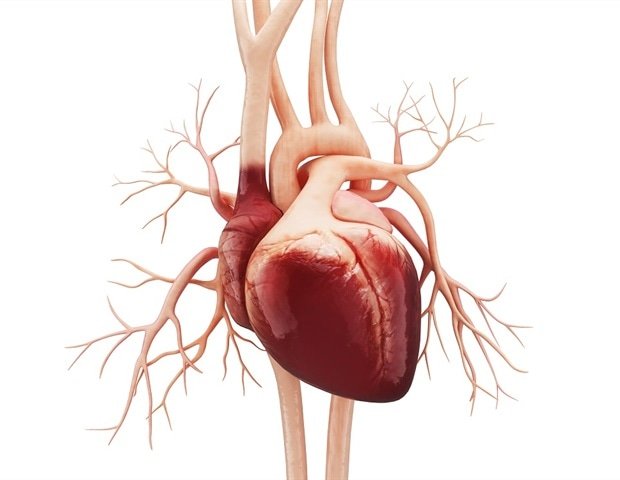
Myotonic dystrophy type 1 (DM1) is the most common cause of adult-onset muscular dystrophy, a genetic disorder that leads to muscle weakness and wasting, but also affects the brain, gastrointestinal tract and heart. In a study published in Journal of Clinical Investigation Insight, researchers at Baylor College of Medicine focused on the effects of DM1 on the heart. Their findings help answer questions about why the disease worsens over time and whether the damage can be reversed once it starts.

Cardiac manifestations affect most patients with T1DM. Cardiac problems are mainly electrical conduction abnormalities, seen in up to 75% of adult T1D cases, which can lead to life-threatening arrhythmias that account for 25% of mortality and are the second leading cause of death in T1D.”


Dr. Thomas A. Cooper, the corresponding author, professor of pathology and immunology, molecular and cellular biology, and integrative physiology at Baylor

“DM1 arises due to a mutation in DMPK gene that adds a repeating triplet of DNA structural units (CTG) to the gene. The unaffected population carries 5 to 37 CTG repeats, but people with the condition have 50 to more than 4,000 repeats,” explained first author Dr. Rong-Chi Hu, a postdoctoral fellow in the Cooper lab.

This DMPK The mutation leads to the production of defective RNA molecules that trap proteins called muscle blinds (MBNL). Loss of MBNL function is thought to be the primary cause of DM1. MBNL proteins normally help process RNA during development, including controlling how genes are spliced ​​(cut and joined), which is required for normal gene function. When MBNL proteins get trapped, they can’t do their job, changing certain aspects of development.

“The effect of the disease is known to worsen over time in all affected tissues,” Cooper said. “One of the reasons proposed to explain the increased severity of the disease over time is that the CTG repeats expand, there are more of them – a patient may be born with 300 repeats, but later in life there will be thousands of repeats in some tissues. As the number of repeats increases, the RNA becomes more toxic because it binds more MBNL.”

In the current study, Hu, Cooper and colleagues followed the progression of DM1 heart problems in an animal model in which the toxic RNA was expressed long-term. In this model, the number of repeats does not increase over time, so disease progression is controlled without CTG repeat expansion.

“We followed the progression of heart disease in these animals for up to 14 months and found that, early on, the mice developed an enlarged heart and significant electrical abnormalities,” Hu said. “As time went on, their hearts weakened, developed life-threatening rhythms and fibrosis (scarring), and the heart chambers stretched and enlarged.

Interestingly, the molecular consequences of having non-functional MBNL proteins – especially aberrant RNA splicing – appeared early but did not worsen over time. This finding suggests that the loss of MBNL function did not change over time and is consistent with the constant number of CTG repeats in this model. “We conclude that heart disease progression in this animal model is not driven by increasing loss of MBNL function. The results support further exploration of other potential contributors to disease progression,” Cooper said. “For example, prolonged exposure to toxic RNA could cause cumulative damage to the heart, leading to structural remodeling, fibrosis and reduced function.”

The researchers also investigated whether the damage to the heart could be reversed. Would disabling the toxic RNA allow the heart to recover? Does time matter?

“When we disabled the RNA after a short exposure, the heart’s size, electrical function and structure largely returned to normal,” Hu said. “This was encouraging. When the RNA was turned off after many months, the recovery was significant but incomplete. Although abnormal RNA splicing was completely corrected, physical changes such as thickened heart walls, conduction delays, and fibrous scar tissue were often not completely reversed, particularly in male mice.

The study also revealed clear gender differences, mirroring what is seen in people with T1DM. “Male mice generally developed more severe heart disease, had worse rhythm disturbances and had less recovery after knocking out the repetitive RNA,” Hu said. “This highlights the need to better understand how biological sex affects heart disease risk and treatment response in T1DM.”

“Together, these findings improve our understanding of heart disease in T1DM, showing that it can be exacerbated by prolonged exposure to toxic RNA, even if the genetic mutation does not spread,” Cooper said. “They also show that while early intervention can reverse many heart problems, delayed treatment allows damage to accumulate and be more difficult to reverse. This study also highlights the importance of early monitoring and early treatment of cardiac symptoms in T1DM.”

Mohammadreza Tabary and Xander HT Wehrens, both at Baylor College of Medicine, also contributed to this work.

This study was funded by the Muscular Dystrophy Association (grant #276796), National Institutes of Health (grants R01HL147020, R01AR082852, R01HL153350, R01HL160992, R01HL174510, R0470201, R01HL14702, UM1HG006348, and R01DK114356), a Myotonic Dystrophy Foundation predoctoral fellowship, and an American Heart Association predoctoral fellowship (23PRE1020500).

Source:

Baylor College of Medicine

Journal Reference:

Hu, R.-C., et al. (2026). Progressive cardiac phenotypes and reduced reversibility from long-term CUGexp RNA expression in a DM1 mouse model. JCI Insight. DOI: 10.1172/jci.insight.204278.

cardiac damage dystrophy Leads myotonic progressive RNA toxic
bhanuprakash.cg
healthtost
  • Website

Related Posts

Identity coherence is associated with better mental health in marginalized groups

April 4, 2026

Low birth weight increases stroke risk independent of adult BMI

April 4, 2026

Study reveals widening gender gap in veterans’ well-being after COVID-19

April 3, 2026

Leave A Reply Cancel Reply

Don't Miss
Fitness

Doctors say these 5 daily habits can improve heart health naturally

By healthtostApril 5, 20260

Heart disease is more common than people expect. And it’s perfectly normal to worry about…

Toxic RNA leads to progressive cardiac damage in myotonic dystrophy

April 5, 2026

How to Layer Body Wash and Lotion \

April 5, 2026

Nut Nutrition Comparison: Understanding Nutrient Content

April 4, 2026
Stay In Touch
  • Facebook
  • Twitter
  • Pinterest
  • Instagram
  • YouTube
  • Vimeo
TAGS
Baby benefits body brain cancer care Day Diet disease exercise finds Fitness food Guide health healthy heart Improve Life Loss Men mental Natural Nutrition Patients People Pregnancy research reveals risk routine sex sexual Skin Skincare study Therapy Tips Top Training Treatment ways weight women Workout
About Us
About Us

Welcome to HealthTost, your trusted source for breaking health news, expert insights, and wellness inspiration. At HealthTost, we are committed to delivering accurate, timely, and empowering information to help you make informed decisions about your health and well-being.

Latest Articles

Doctors say these 5 daily habits can improve heart health naturally

April 5, 2026

Toxic RNA leads to progressive cardiac damage in myotonic dystrophy

April 5, 2026

How to Layer Body Wash and Lotion \

April 5, 2026
New Comments
    Facebook X (Twitter) Instagram Pinterest
    • About Us
    • Contact Us
    • Privacy Policy
    • Terms and Conditions
    • Disclaimer
    © 2026 HealthTost. All Rights Reserved.

    Type above and press Enter to search. Press Esc to cancel.