


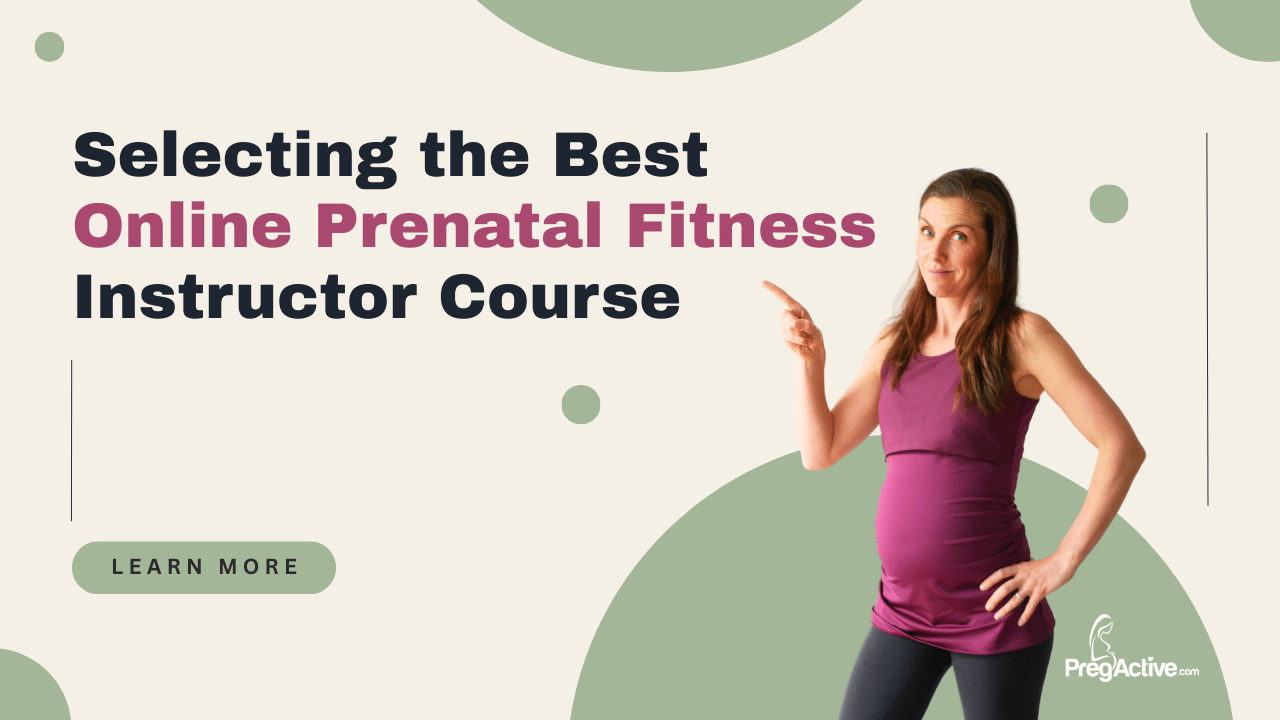
As more women seek safe, effective exercise during pregnancy, the demand for qualified prenatal fitness instructors has skyrocketed.
Choosing the right online certification can elevate your career, ensure customer safety, and set you apart in a competitive field. With many programs available, focus on these key factors to find the best fit.
What to look for
Here are ten key things to look for when choosing the best online prenatal fitness course (often called prenatal and postnatal fitness certification).
These criteria are based on expert reviews, program comparisons, and common recommendations in the fitness industry to ensure you choose a high-quality, reliable, and practical option.
1, Accreditation and Recognition
if the course is accredited or recognized by reputable organizations such as NASM, ACEAFAA, ISSA or similar bodies.
PregActive is approved for continuing education credits (CEC) by major certifiers, adding credibility to your qualifications.
Prioritize certifications such as PregActive recognized by major bodies such as NASM, ACE, AFAA or AusActive (CEUs). Reputable programs offer 1-3 CEUs or equivalent, which help you maintain your fitness major’s credentials.
2. Evidence-based and up-to-date content
Prioritize courses based on current scientific guidelines (eg, from ACOG or similar health authorities) regarding prenatal/postnatal exercise.
Look for an emphasis on changes in physiology during pregnancy, safe modifications, and evidence-based practices rather than outdated or blanket advice.
3. Complete Coverage of Prenatal and Postnatal Issues
The best programs cover all stages: preconception (if included), all trimesters of pregnancy, preparation of workpostpartum recovery (incl diastasis rectipelvic floor health and core rebuilding) and modifications for different fitness levels.
4. Practical Application and Hands-On Elements
Look for lessons with real-world tools like sample workout plans, exercise libraries, video demonstrations (eg 60+ guided videos in some programs), case studies, program design templates, and client evaluation techniques to help you apply knowledge right away.
5. Expertise and credibility of the instructor
Research the creators/trainers. Many top courses come from experienced prenatal specialists, physical therapists, or longtime women’s health educators. Kerryn Boyle of PregActive is one of the world’s most recognized and respected leaders in prenatal health and fitness.
6. Course format and flexibility
Since it’s online, make sure it’s self-paced for convenience, with high-quality digital material (videos, PDFs, quizzes). Look for lifetime access or ongoing updates as women’s health guidelines evolve.
7. Depth and Duration
Choose in-depth programs (eg 20–35+ hours or multiple modules) over superficial short courses. The more comprehensive ones provide better preparation for safely educating clients through complex changes.
8. Support and Community Resources
Good courses offer extras such as private communities, instructor support, client brochures, marketing tools or business-building tips to help you grow your prenatal fitness offerings.
9. Reviews, reputation and recommendations
Check independent reviews, instructor testimonials and industry rankings. Programs that are often called “#1 recommended” by gyms/studios (like PregActive) or praised for practicality stand out.
10. Cost vs. Value
Compare the prices (ranging from ~$300–$800+ for the top ones) to the included prices – don’t just go for the cheapest. prioritize value through depth, resources, accreditation and long-term usability. Some offer payment plans.
Begin your rewarding career in prenatal fitness
By focusing on these factors, you’ll find a course that equips you with the confidence and safety to train pregnant and postpartum clients, opening up a rewarding niche in fitness.
Documented training
Look for evidence-based curricula aligned with the guidelines of the American College of Obstetricians and Gynecologists (ACOG).
Programs that work with experts, like PregActive’s multidisciplinary approach, often have more weight and credibility in gyms, studios or insurance policies.
Depth and Comprehensiveness of Curriculum
The best lessons go beyond the basics. Look for in-depth coverage of trimester-specific modifications, physiological changes (eg, chalazin effects, right dimension, pelvic floor health), contraindications, red flags (such as signs of preterm labor), and safe progression.
Beyond pregnancy
Top programs include birth preparation, breathing, core stability, postpartum recoveryand case studies for real-world application.
Comprehensive options like PregActive’s 12-unit course cover over 100 topics, including assessments, planning, and mindset. Avoid superficial programs. Choose the ones that have practical tools like exercise libraries, customer guides and nutrition knowledge.
Trainer expertise and evidence-based approach
Research the creators and trainers. Are they experienced prenatal specialists, physiotherapists or active practitioners? Specialist programs such as PregActive or those based in multiple areas (eg pelvic health, psychology) provide richer knowledge.
Evidence-based content rooted in current research rather than outdated myths is vital to safe education.
This is why the PregActive Prenatal Exercise and Fitness Trainers course is highly recommended:


Format, Flexibility and Learning Resources
Since it’s online, make sure access at the same pace fits your schedule, typically completing in 3-6 months.
Premium programs include video lectures, guided demonstrations, quizzes, downloadable resources, and exams.
Some include practical elements such as video submissions or case studies. Interactive elements such as community forums or ongoing support enhance learning and retention.
Reputation, reviews and business benefits
Check out the industry recognition – PregActive is often called the #1 recommended in the US and Australia for health centers.
Final estimates
The ideal prenatal fitness trainer certification empowers you to safely train, collaborate with healthcare providers, and build a thriving niche. It should protect clients from risk while boosting your expertise and income.
Research thoroughly, compare curricula, and choose one that aligns with your goals – whether general fitness, athletic training, or holistic women’s health.
Investing in the right program isn’t just about a certificate. it’s about making a meaningful impact on mothers’ journeys.
Who is it for?
This course is suitable for anyone wanting to become a pre/postnatal fitness and exercise instructor and start a career in the fitness industry. No previous experience or qualifications are required.
Our graduates include personal trainers, midwives, doctors, doulas, physical therapists and physical therapists around the world.
Here is what you get
1. Study at home at your own pace
2. 12 course units
3. 200+ lessons
4. No prerequisites required
5. Guided, progressive course
6. 60+ training videos
7. Over 100 prenatal topics covered
8. Care for pregnant women
9. Set yourself apart
10. Attract more customers
11. Earn CEU / CEC
And so much more!
