

Close Menu
Healthtost
  • News
  • Mental Health
  • Men’s Health
  • Women’s Health
  • Skin Care
  • Sexual Health
  • Pregnancy
  • Nutrition
  • Fitness
  • Recommended Essentials
What's Hot

A Hike Leader’s Must-Have Kit

April 30, 2026

Sapio Sciences brings Claude Cowork to the lab

April 30, 2026

3 Day Home Workout Plan: Build Muscle and Burn Fat

April 30, 2026
Facebook X (Twitter) Instagram
  • About Us
  • Contact Us
  • Privacy Policy
  • Terms and Conditions
  • Disclaimer
Facebook X (Twitter) Instagram
Healthtost
SUBSCRIBE
  • News

    Sapio Sciences brings Claude Cowork to the lab

    April 30, 2026

    Research shows women are confused about when to start mammograms

    April 29, 2026

    Scientists are reengineering CAR-T cells to fight more than just cancer

    April 29, 2026

    New blood-based method detects testicular cancer missed by standard tests

    April 28, 2026

    Detailed images reveal DNA repair mechanism in cancer-related proteins

    April 28, 2026
  • Mental Health

    What animal studies teach us about toxic work environments

    April 27, 2026

    I hate hope: How to manage hope when you have treatment-resistant bipolar disorder

    April 19, 2026

    Rose Byrne is raw, magnetic and unfiltered as a woman in crisis

    April 18, 2026

    Can a single mother change her child’s surname in India?

    April 16, 2026

    Is it anxiety or OCD? 2 psychology experts explain the difference

    April 14, 2026
  • Men’s Health

    3 Day Home Workout Plan: Build Muscle and Burn Fat

    April 30, 2026

    GLP-1 drugs promise broader health benefits, but experts advise caution on use

    April 28, 2026

    Trauma patients recover faster when medical teams know each other well, new study finds

    April 28, 2026

    I did red light therapy for 3 months so I shouldn’t have

    April 27, 2026

    Sex Secrets for Men Over 40: Surviving Male Menopause

    April 27, 2026
  • Women’s Health

    Are you a fungus fanatic? We unpack the nutritional trend of mushroom mania

    April 29, 2026

    What the Patients’ Bill of Rights Could Mean for Black Women

    April 29, 2026

    Navigating sexual health during and after cancer

    April 28, 2026

    Do tampons break the hymen? Facts, Myths and What You Need to Know – Vuvatech

    April 27, 2026

    Why 24-hour gut support is essential in a probiotic | The Wellness Blog

    April 27, 2026
  • Skin Care

    Face Peeling Mask Guide: Shine Without Irritation

    April 28, 2026

    Is your moisturizing face mist really drying out your skin?

    April 28, 2026

    Uses and Benefits of TNW Natural Aloe Vera Face Gel – The Natural Wash

    April 27, 2026

    Our strongest retina serum yet – Tropic Skincare

    April 27, 2026

    What it is and how to do it right – Lifeline Skin Care

    April 21, 2026
  • Sexual Health

    Judicial Restrictions on Abortion COVID-19 < SRHM

    April 30, 2026

    Can herpes affect fertility?

    April 29, 2026

    The Importance of Personalized Care in Medication Assisted Therapy (MAT) Programs I Novus

    April 28, 2026

    Your favorite mold is lying to you (a little) — Sexual Health Alliance

    April 28, 2026

    How accurate are herpes blood tests?

    April 22, 2026
  • Pregnancy

    Comprehensive yoga for pregnancy, birth and beyond

    April 29, 2026

    Midwifery and Life – The postnatal health check New mums don’t know they can ask for

    April 28, 2026

    Epidural and unmedicated delivery with two different deliveries

    April 26, 2026

    Researchers identify new genetic links to Hyperemesis Gravidarum

    April 25, 2026

    Loss of Appetite During Pregnancy: A Third Trimester Guide

    April 24, 2026
  • Nutrition

    I answer the most HOT Questions about Fatty Liver

    April 29, 2026

    Why You’re Not Losing Weight After 35 (Even When You Eat Less)

    April 28, 2026

    Where to eat in London

    April 27, 2026

    Dr. Will Cole on Why Hire FDN Professionals

    April 26, 2026

    Doing the work in the face of fear

    April 25, 2026
  • Fitness

    A Hike Leader’s Must-Have Kit

    April 30, 2026

    Menopausal Hair Loss Solutions: 10 Expert Tips

    April 29, 2026

    Identity Inversion: Part 1 – Ben Greenfield Life

    April 29, 2026

    How to improve accessibility in your gym

    April 28, 2026

    Can a 10-minute workout really change your health?

    April 27, 2026
  • Recommended Essentials
Healthtost
Home»News»Four years of non-diabetic status after diagnosis of impaired glucose tolerance reduces cardiovascular risks
News

Four years of non-diabetic status after diagnosis of impaired glucose tolerance reduces cardiovascular risks

healthtostBy healthtostJuly 11, 2024No Comments5 Mins Read
Facebook Twitter Pinterest LinkedIn Tumblr Reddit WhatsApp Email
Four Years Of Non Diabetic Status After Diagnosis Of Impaired Glucose
Share
Facebook Twitter LinkedIn Pinterest WhatsApp Email

In a recent study published in the journal PLoS Medicinea group of researchers in China examined whether the years a person maintained non-diabetic status after an initial diagnosis of impaired glucose tolerance (IGT) was associated with the risk of long-term outcomes such as cardiovascular disease or death.

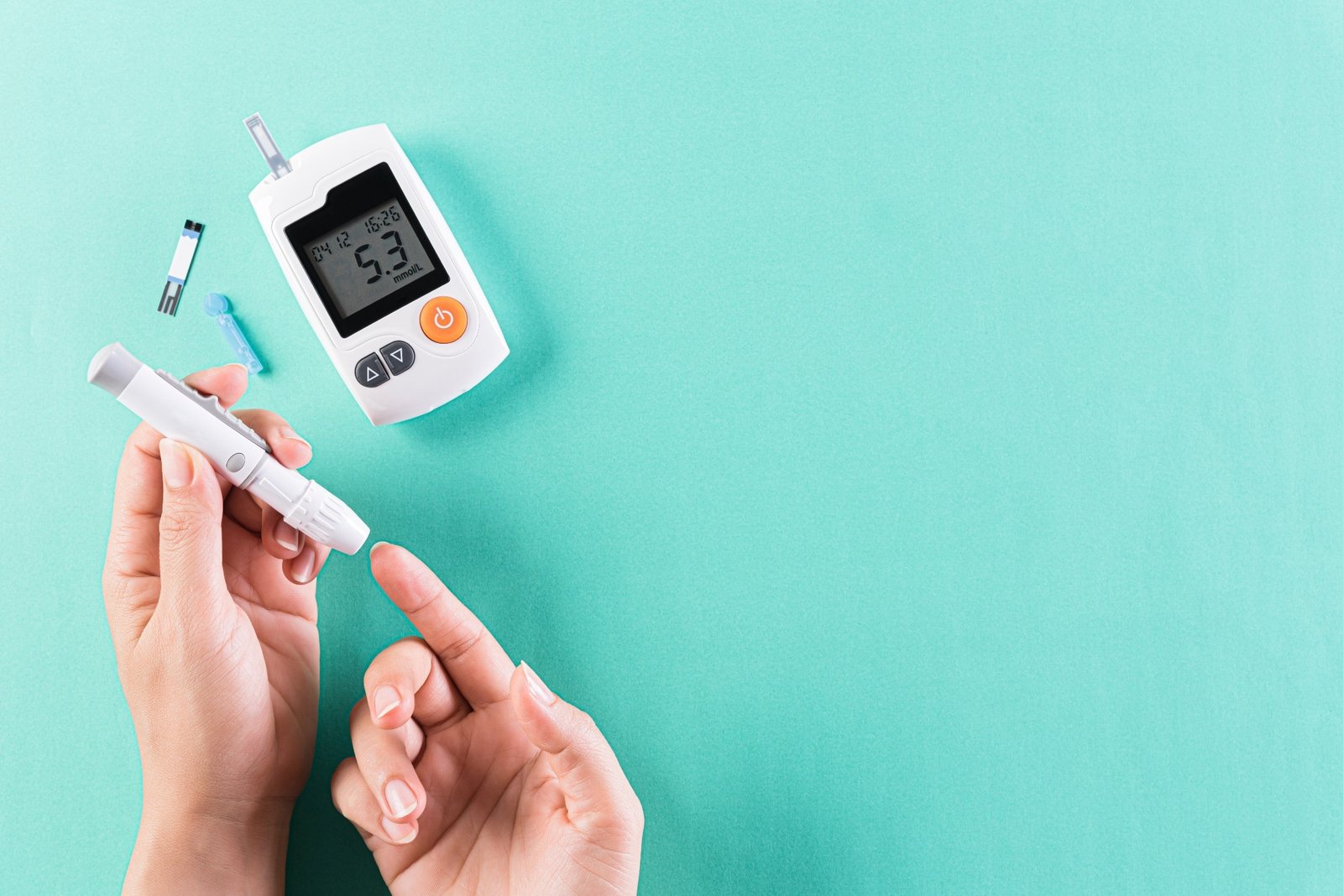
Study: Non-diabetic status after diagnosis of impaired glucose tolerance and risk of long-term death and vascular complications: A retrospective analysis of the Da Qing Diabetes Prevention Outcome Study. Image credit: siam.pukkato / Shutterstock

Record

Type 2 diabetes is rapidly becoming a global health concern, especially because it increases the risk of cardiovascular disease, disability and mortality, and exerts a significant economic burden on patients and societies. However, among people diagnosed early with impaired glucose tolerance, interventions related to lifestyle changes, such as increased exercise and dietary modifications, have been found to be effective in delaying the progression of diabetes.

Studies by the American Diabetes Association have shown that lifestyle modifications significantly reduce the risk of cardiovascular disease, microvascular complications, and all-cause mortality. However, other studies have reported that lifestyle interventions and metformin therapy did not reduce the risk of CVD.

Furthermore, the number of years a person maintained nondiabetic status after a diagnosis of impaired glucose tolerance due to lifestyle interventions and its association with the risk of long-term outcomes such as cardiovascular risk and all-cause mortality remain unclear.

About the study

In the present study, researchers analyzed post hoc data from the Da Qing Diabetes Prevention Study (DQDPS), a six-year lifestyle intervention trial among people diagnosed with impaired glucose tolerance.

Here, researchers used data on 540 people enrolled in the DQDPS to determine the long-term risk of macro- and microvascular disease and nondiabetic-related mortality at two, four, and six years after diagnosis of impaired glucose tolerance.

The original study, DQDPS, enrolled people diagnosed with impaired glucose tolerance using an oral glucose tolerance test and conducted an intervention involving lifestyle modifications, with medical assessments performed every two years to determine any change in non-diabetic status.

Those who remained nondiabetic at each two-year assessment were asked to continue the lifestyle intervention. The lifestyle intervention was discontinued for patients with diabetes during any of the assessments.

Long-term outcomes examined in the present study included the risk of cardiovascular disease, including fatal and nonfatal stroke, heart failure, and coronary heart disease, including fatal or nonfatal myocardial infarction. Composite microvascular disease was also one of the outcomes examined and was defined as the combined outcome of neuropathy, nephropathy and retinopathy.

Retinopathy included proliferative retinopathy, photocoagulation, or blindness associated with retinal disease. A wide range of kidney-related diseases, such as renal clearance, end-stage renal disease, kidney transplantation, or CKD-related death, were included in nephropathy. Neuropathy consists of ulceration, gangrene formation in the leg, ankle or foot, or amputation.

To assess cardiovascular death rates, researchers used standardized questionnaire-based interviews with relatives and death certificates or medical records to verify cause of death. A post hoc statistical analysis was performed to determine the association between duration of nondiabetic status and the risk of long-term clinical outcomes.

Results

The study found that maintaining a non-diabetic status for several years after a diagnosis of impaired glucose tolerance was associated with a significantly lower risk of cardiovascular complications or mortality. Furthermore, maintaining nondiabetic status for even four years significantly improved the risk of long-term clinical outcomes.

People who managed to maintain their non-diabetic status for at least four years had a 26% reduction in their 30-year risk of macrovascular complications and a 37% and 38% reduction in the risk of microvascular complications and all-cause mortality, respectively. . In addition, the risk of cardiovascular disease-related mortality was found to be significantly lower in people who remained non-diabetic for six years after being diagnosed with impaired glucose tolerance.

These findings suggest that for individuals at high risk of developing diabetes who were diagnosed with impaired glucose tolerance, there was a four-year time limit for implementing lifestyle interventions and maintaining non-diabetic status, which could affect important long-term results. such as cardiovascular disease and mortality. Exceeding this four-year mark could further improve survival and reduce the long-term risk of complications and death.

conclusions

In summary, researchers conducted a retrospective analysis of data from a long-term lifestyle intervention trial conducted in people diagnosed with impaired glucose tolerance to determine whether the duration of nondiabetic status had an impact on reducing risk of cardiovascular disease or mortality.

The findings suggest that if non-diabetic status was maintained for at least four years, people at high risk of diabetes had a significantly lower risk of macro- and microvascular complications and cardiovascular disease-related mortality. Longer periods of remaining diabetes-free further improved survival rates and reduced the risk of cardiovascular complications.

Journal Reference:

  • Qian, X., Wang, J., Gong, Q., An, Y., Feng, X., He, S., Chen, X., Wang, W., Zhang, L., Hui, Y., Zhai, X., Zhang, B., Chen, Y., & Li, G. (2024). Non-diabetic status after diagnosis of impaired glucose tolerance and risk of long-term death and vascular complications: A retrospective analysis of the Da Qing Diabetes Prevention Outcome Study. PLoS Medicine21(7), e1004419, DOI:10.1371/journal.pmed.1004419
cardiovascular diagnosis glucose Impaired nondiabetic reduces Risks status tolerance Years
bhanuprakash.cg
healthtost
  • Website

Related Posts

Sapio Sciences brings Claude Cowork to the lab

April 30, 2026

Research shows women are confused about when to start mammograms

April 29, 2026

Scientists are reengineering CAR-T cells to fight more than just cancer

April 29, 2026

Leave A Reply Cancel Reply

Don't Miss
Fitness

A Hike Leader’s Must-Have Kit

By healthtostApril 30, 20260

After leading a few group hikes, I’ve learned that the difference between an enjoyable…

Sapio Sciences brings Claude Cowork to the lab

April 30, 2026

3 Day Home Workout Plan: Build Muscle and Burn Fat

April 30, 2026

Judicial Restrictions on Abortion COVID-19 < SRHM

April 30, 2026
Stay In Touch
  • Facebook
  • Twitter
  • Pinterest
  • Instagram
  • YouTube
  • Vimeo
TAGS
Baby benefits body brain cancer care Day Diet disease exercise finds Fitness food Guide health healthy heart Improve Life Loss Men mental Natural Nutrition Patients Pregnancy protein research reveals risk routine sex sexual Skin Skincare study Therapy Tips Top Training Treatment ways weight women Workout
About Us
About Us

Welcome to HealthTost, your trusted source for breaking health news, expert insights, and wellness inspiration. At HealthTost, we are committed to delivering accurate, timely, and empowering information to help you make informed decisions about your health and well-being.

Latest Articles

A Hike Leader’s Must-Have Kit

April 30, 2026

Sapio Sciences brings Claude Cowork to the lab

April 30, 2026

3 Day Home Workout Plan: Build Muscle and Burn Fat

April 30, 2026
New Comments
    Facebook X (Twitter) Instagram Pinterest
    • About Us
    • Contact Us
    • Privacy Policy
    • Terms and Conditions
    • Disclaimer
    © 2026 HealthTost. All Rights Reserved.

    Type above and press Enter to search. Press Esc to cancel.