

Close Menu
Healthtost
  • News
  • Mental Health
  • Men’s Health
  • Women’s Health
  • Skin Care
  • Sexual Health
  • Pregnancy
  • Nutrition
  • Fitness
  • Recommended Essentials
What's Hot

5 Diet-Boosting Tips to Spread Protein Throughout the Day

June 9, 2026

Hers Makes Popular GLP-1 Injections Affordable — Starting at $39

June 9, 2026

Pride Month and LGBTQ+ Men’s Health: Why Inclusive Care Matters

June 9, 2026
Facebook X (Twitter) Instagram
  • About Us
  • Contact Us
  • Privacy Policy
  • Terms and Conditions
  • Disclaimer
Facebook X (Twitter) Instagram
Healthtost
SUBSCRIBE
  • News

    Cellular map of healthy pancreas reveals origin of deadly tumors

    June 9, 2026

    The AI-designed molecular switch uses caffeine to control engineered cells

    June 8, 2026

    Researchers are developing compound 10 to slow the progression of Alzheimer’s disease

    June 8, 2026

    Exposure to nature shapes nasal microbiomes and mental well-being

    June 7, 2026

    Comprehensive care reduces hospital visits for adults with disabilities

    June 7, 2026
  • Mental Health

    Expectations of Indian Daughters: 10 Weird

    June 8, 2026

    How to Encourage a Child to Try New, Scary Things (Without Injuring Him in the Process)

    June 5, 2026

    Why your wearable health tracker can make you feel anxious

    June 1, 2026

    Can meditation change the brain in schizophrenia?

    May 29, 2026

    Success and Fulfillment: Why High Performance…

    May 28, 2026
  • Men’s Health

    5 Diet-Boosting Tips to Spread Protein Throughout the Day

    June 9, 2026

    The Louis L’Amour Workout | The Art of Manliness

    June 9, 2026

    Stopping authoritarian strongmen and returning to the roots of our partnership

    June 8, 2026

    Low testosterone changes your body: See what a DEXA scan can reveal

    June 4, 2026

    The right seafood choices can help diets meet health and climate goals

    June 2, 2026
  • Women’s Health

    Hers Makes Popular GLP-1 Injections Affordable — Starting at $39

    June 9, 2026

    Why You Should Consider Circuit Training

    June 9, 2026

    What is hot yoga? – Healthy Women

    June 8, 2026

    How to protect skin from Holi colors safely

    June 6, 2026

    Strict dieting after 40 makes women heavier, not lighter

    June 5, 2026
  • Skin Care

    We never set out to start a beauty brand

    June 9, 2026

    Vegan gluten-free lip color for celiac disease

    June 8, 2026

    How to tell the difference and restore Ba – Lifeline Skin Care

    June 7, 2026

    Your skincare routine is missing these essential steps

    June 6, 2026

    Find your perfect SPF match | Daily sun protection guide

    June 5, 2026
  • Sexual Health

    Pride Month and LGBTQ+ Men’s Health: Why Inclusive Care Matters

    June 9, 2026

    Unlocking the Girl Dividend

    June 8, 2026

    Can gonorrhea go away on its own?

    June 8, 2026

    The Reality of Long Distance Relationships — Sexual Health Alliance

    June 7, 2026

    Research says… Not enough people know about vaccines to prevent STDs

    June 4, 2026
  • Pregnancy

    Your No-BS guide to surviving a summer pregnancy

    June 9, 2026

    How to detect pre-eclampsia early before it becomes dangerous

    June 7, 2026

    Is Mom Brain real? – Pink stork

    June 7, 2026

    Pregnancy and Postpartum Exercise Expert Meet Miranda

    June 4, 2026

    Thank You After a Baby Shower: 50+ Wording Ideas

    June 3, 2026
  • Nutrition

    Same Dinner Different Plate: The Lunchbox Edition

    June 8, 2026

    No-Bake Peanut Butter Oat Bars (from Dietitian Mom)

    June 7, 2026

    Dietitian Evidence-Based Nutrition Review

    June 5, 2026

    Hot Girl Summer, But Make it Cellular

    June 4, 2026

    How to Organize Spices • Kath Eats

    June 3, 2026
  • Fitness

    latest book review – The Fitnessista

    June 6, 2026

    When to bench press with your feet on the floor and when not to – Tony Gentilcore

    June 6, 2026

    10 essential health tips you should follow every day

    June 5, 2026

    5 surprising habits that can harm your memory and brain health

    June 5, 2026

    6 Ways Strength Training Slows Aging After 50

    June 2, 2026
  • Recommended Essentials
Healthtost
Home»News»Four years of non-diabetic status after diagnosis of impaired glucose tolerance reduces cardiovascular risks
News

Four years of non-diabetic status after diagnosis of impaired glucose tolerance reduces cardiovascular risks

healthtostBy healthtostJuly 11, 2024No Comments5 Mins Read
Facebook Twitter Pinterest LinkedIn Tumblr Reddit WhatsApp Email
Four Years Of Non Diabetic Status After Diagnosis Of Impaired Glucose
Share
Facebook Twitter LinkedIn Pinterest WhatsApp Email

In a recent study published in the journal PLoS Medicinea group of researchers in China examined whether the years a person maintained non-diabetic status after an initial diagnosis of impaired glucose tolerance (IGT) was associated with the risk of long-term outcomes such as cardiovascular disease or death.

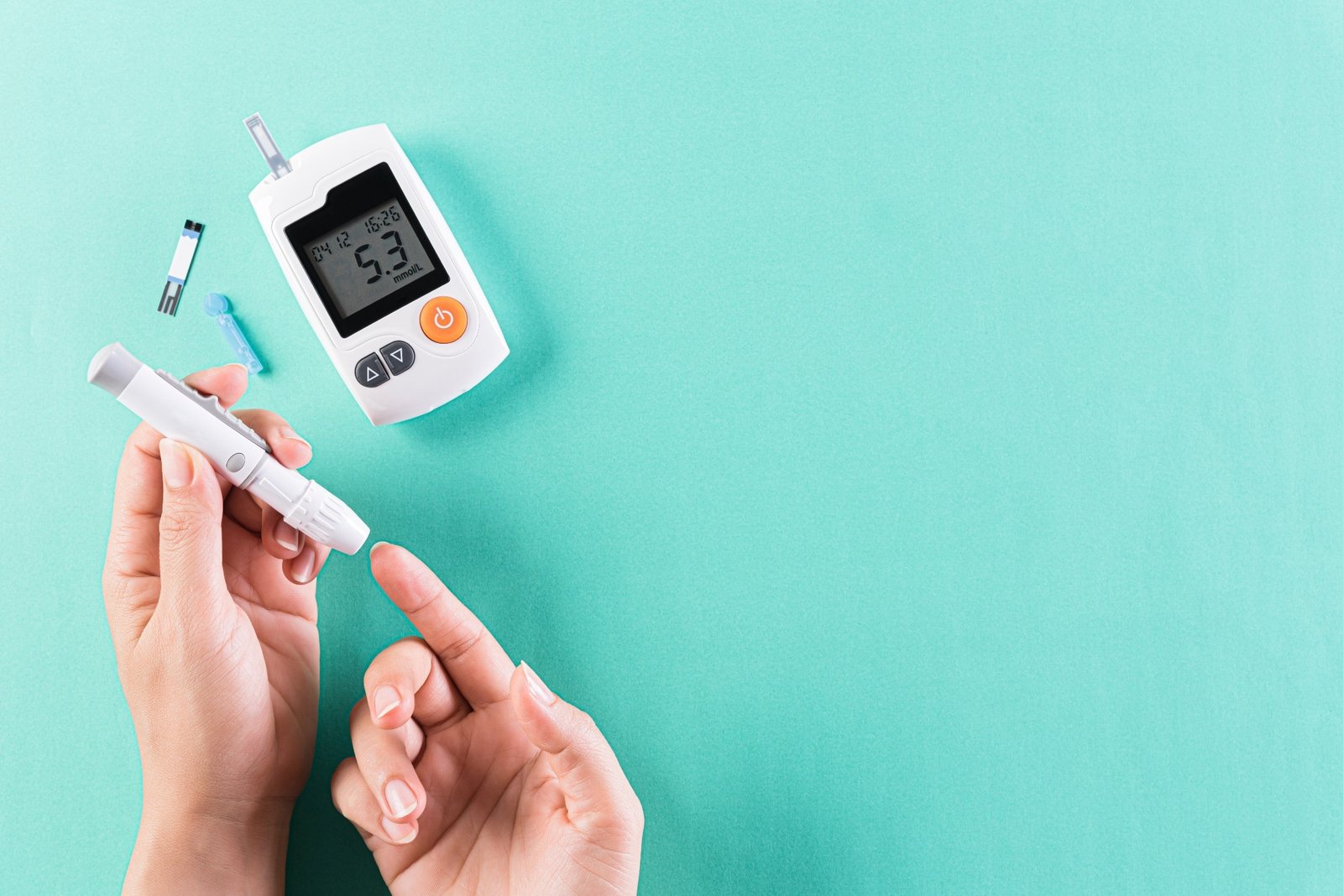
Study: Non-diabetic status after diagnosis of impaired glucose tolerance and risk of long-term death and vascular complications: A retrospective analysis of the Da Qing Diabetes Prevention Outcome Study. Image credit: siam.pukkato / Shutterstock

Record

Type 2 diabetes is rapidly becoming a global health concern, especially because it increases the risk of cardiovascular disease, disability and mortality, and exerts a significant economic burden on patients and societies. However, among people diagnosed early with impaired glucose tolerance, interventions related to lifestyle changes, such as increased exercise and dietary modifications, have been found to be effective in delaying the progression of diabetes.

Studies by the American Diabetes Association have shown that lifestyle modifications significantly reduce the risk of cardiovascular disease, microvascular complications, and all-cause mortality. However, other studies have reported that lifestyle interventions and metformin therapy did not reduce the risk of CVD.

Furthermore, the number of years a person maintained nondiabetic status after a diagnosis of impaired glucose tolerance due to lifestyle interventions and its association with the risk of long-term outcomes such as cardiovascular risk and all-cause mortality remain unclear.

About the study

In the present study, researchers analyzed post hoc data from the Da Qing Diabetes Prevention Study (DQDPS), a six-year lifestyle intervention trial among people diagnosed with impaired glucose tolerance.

Here, researchers used data on 540 people enrolled in the DQDPS to determine the long-term risk of macro- and microvascular disease and nondiabetic-related mortality at two, four, and six years after diagnosis of impaired glucose tolerance.

The original study, DQDPS, enrolled people diagnosed with impaired glucose tolerance using an oral glucose tolerance test and conducted an intervention involving lifestyle modifications, with medical assessments performed every two years to determine any change in non-diabetic status.

Those who remained nondiabetic at each two-year assessment were asked to continue the lifestyle intervention. The lifestyle intervention was discontinued for patients with diabetes during any of the assessments.

Long-term outcomes examined in the present study included the risk of cardiovascular disease, including fatal and nonfatal stroke, heart failure, and coronary heart disease, including fatal or nonfatal myocardial infarction. Composite microvascular disease was also one of the outcomes examined and was defined as the combined outcome of neuropathy, nephropathy and retinopathy.

Retinopathy included proliferative retinopathy, photocoagulation, or blindness associated with retinal disease. A wide range of kidney-related diseases, such as renal clearance, end-stage renal disease, kidney transplantation, or CKD-related death, were included in nephropathy. Neuropathy consists of ulceration, gangrene formation in the leg, ankle or foot, or amputation.

To assess cardiovascular death rates, researchers used standardized questionnaire-based interviews with relatives and death certificates or medical records to verify cause of death. A post hoc statistical analysis was performed to determine the association between duration of nondiabetic status and the risk of long-term clinical outcomes.

Results

The study found that maintaining a non-diabetic status for several years after a diagnosis of impaired glucose tolerance was associated with a significantly lower risk of cardiovascular complications or mortality. Furthermore, maintaining nondiabetic status for even four years significantly improved the risk of long-term clinical outcomes.

People who managed to maintain their non-diabetic status for at least four years had a 26% reduction in their 30-year risk of macrovascular complications and a 37% and 38% reduction in the risk of microvascular complications and all-cause mortality, respectively. . In addition, the risk of cardiovascular disease-related mortality was found to be significantly lower in people who remained non-diabetic for six years after being diagnosed with impaired glucose tolerance.

These findings suggest that for individuals at high risk of developing diabetes who were diagnosed with impaired glucose tolerance, there was a four-year time limit for implementing lifestyle interventions and maintaining non-diabetic status, which could affect important long-term results. such as cardiovascular disease and mortality. Exceeding this four-year mark could further improve survival and reduce the long-term risk of complications and death.

conclusions

In summary, researchers conducted a retrospective analysis of data from a long-term lifestyle intervention trial conducted in people diagnosed with impaired glucose tolerance to determine whether the duration of nondiabetic status had an impact on reducing risk of cardiovascular disease or mortality.

The findings suggest that if non-diabetic status was maintained for at least four years, people at high risk of diabetes had a significantly lower risk of macro- and microvascular complications and cardiovascular disease-related mortality. Longer periods of remaining diabetes-free further improved survival rates and reduced the risk of cardiovascular complications.

Journal Reference:

  • Qian, X., Wang, J., Gong, Q., An, Y., Feng, X., He, S., Chen, X., Wang, W., Zhang, L., Hui, Y., Zhai, X., Zhang, B., Chen, Y., & Li, G. (2024). Non-diabetic status after diagnosis of impaired glucose tolerance and risk of long-term death and vascular complications: A retrospective analysis of the Da Qing Diabetes Prevention Outcome Study. PLoS Medicine21(7), e1004419, DOI:10.1371/journal.pmed.1004419
cardiovascular diagnosis glucose Impaired nondiabetic reduces Risks status tolerance Years
bhanuprakash.cg
healthtost
  • Website

Related Posts

Cellular map of healthy pancreas reveals origin of deadly tumors

June 9, 2026

The AI-designed molecular switch uses caffeine to control engineered cells

June 8, 2026

Researchers are developing compound 10 to slow the progression of Alzheimer’s disease

June 8, 2026

Leave A Reply Cancel Reply

Don't Miss
Men's Health

5 Diet-Boosting Tips to Spread Protein Throughout the Day

By healthtostJune 9, 20260

(Trait Effect) Most Americans eat enough protein. They just eat it wrong. Protein is…

Hers Makes Popular GLP-1 Injections Affordable — Starting at $39

June 9, 2026

Pride Month and LGBTQ+ Men’s Health: Why Inclusive Care Matters

June 9, 2026

Cellular map of healthy pancreas reveals origin of deadly tumors

June 9, 2026
Stay In Touch
  • Facebook
  • Twitter
  • Pinterest
  • Instagram
  • YouTube
  • Vimeo
TAGS
Baby benefits body brain cancer care Day Diet disease exercise finds Fitness food Guide health healthy heart Improve Life Loss Men mental Natural Nutrition Patients Pregnancy protein research reveals risk routine sex sexual Skin Skincare study Therapy Tips Top Training Treatment ways weight women Workout
About Us
About Us

Welcome to HealthTost, your trusted source for breaking health news, expert insights, and wellness inspiration. At HealthTost, we are committed to delivering accurate, timely, and empowering information to help you make informed decisions about your health and well-being.

Latest Articles

5 Diet-Boosting Tips to Spread Protein Throughout the Day

June 9, 2026

Hers Makes Popular GLP-1 Injections Affordable — Starting at $39

June 9, 2026

Pride Month and LGBTQ+ Men’s Health: Why Inclusive Care Matters

June 9, 2026
New Comments
    Facebook X (Twitter) Instagram Pinterest
    • About Us
    • Contact Us
    • Privacy Policy
    • Terms and Conditions
    • Disclaimer
    © 2026 HealthTost. All Rights Reserved.

    Type above and press Enter to search. Press Esc to cancel.