

Close Menu
Healthtost
  • News
  • Mental Health
  • Men’s Health
  • Women’s Health
  • Skin Care
  • Sexual Health
  • Pregnancy
  • Nutrition
  • Fitness
  • Recommended Essentials
What's Hot

where we ate in Tokyo (and gluten-free options!)

July 9, 2026

Active birth control pills may increase emotional eating

July 9, 2026

Gut-friendly diet linked to lower risk of coronary heart disease mortality

July 9, 2026
Facebook X (Twitter) Instagram
  • About Us
  • Contact Us
  • Privacy Policy
  • Terms and Conditions
  • Disclaimer
Facebook X (Twitter) Instagram
Healthtost
SUBSCRIBE
  • News

    Active birth control pills may increase emotional eating

    July 9, 2026

    Socioeconomic status confers unequal reductions in metabolic disease among racial, ethnic groups

    July 8, 2026

    Only one in 10 Australians know the Black Triangle safety symbol

    July 8, 2026

    Study reveals why patients with rare leukemia develop resistance to tagraxofusp

    July 7, 2026

    Countable Labs and Promega Announce Collaboration Agreement to Facilitate End-to-End Biological Sample Preparation and Rare Variant Detection

    July 7, 2026
  • Mental Health

    Almost 20% of new mums have anxiety or depression, but a promising psychedelic treatment is on the horizon

    July 7, 2026

    How can ART help us improve our mental health? With 3 Ways

    July 5, 2026

    How much do friends affect the mental health of teenagers? What a new study can (and can’t) tell us

    July 3, 2026

    What happens in your blood when you are stressed? We put it to the test

    June 28, 2026

    Why negative news grabs our attention and what it means for our mental health

    June 25, 2026
  • Men’s Health

    Gut-friendly diet linked to lower risk of coronary heart disease mortality

    July 9, 2026

    Men don’t just avoid their health. Many lose themselves.

    July 8, 2026

    The Crazy Hard Standards of the Hardest PE Program in History

    July 8, 2026

    Why our relationships are becoming more dishonest and what we can do about it

    July 7, 2026

    Definitive Guide: The Primal Blueprint

    July 7, 2026
  • Women’s Health

    Taite Heller on Why Barre Became a Top-5 Fitness Trend

    July 8, 2026

    Sunscreen TikTok convinces young people

    July 7, 2026

    Biology, Myths and Real Care

    July 7, 2026

    The shape of the strong black woman

    July 6, 2026

    208: What Mold Really Does to Your Health and How to Find It with Brian Karr

    July 5, 2026
  • Skin Care

    New Sunscreen Ingredient: Is This The SPF Upgrade We’ve Been Waiting For?

    July 9, 2026

    How to achieve the perfect tan

    July 8, 2026

    How I did it: I plump the skin without fillers

    July 6, 2026

    Natural bug bite relief with herbal remedies

    July 4, 2026

    Why Jojoba Beads Beat Coconut Shell Pow

    July 3, 2026
  • Sexual Health

    Complete Career Guide — Sexual Health Alliance

    July 8, 2026

    Because your sexual health matters more than you think

    July 5, 2026

    Fildena 150 How It Works: Mechanism & Benefits

    July 4, 2026

    Climate justice is reproductive justice

    July 2, 2026

    5 STDs that can cause bruising

    July 2, 2026
  • Pregnancy

    Calf Raises During Pregnancy: Step-by-Step Guide and Benefits

    July 8, 2026

    Tri-Tri Triplet Pregnancy with Vaginal Birth Story – The Birth Hour Triplet Pregnancy and Vaginal Birth Story with Ashlie Holladay

    July 7, 2026

    Common pregnancy drugs linked to higher rates of autism diagnosis in large study

    July 6, 2026

    Monsoon Infections During Pregnancy: Safety Tips for Expectant Moms

    July 5, 2026

    How to be the support she really needs

    July 4, 2026
  • Nutrition

    5 Easy High Fiber Bowl Recipes

    July 8, 2026

    Salmon Teriyaki Recipe (Ridiculously Easy!) • Kath Eats

    July 8, 2026

    Can exercise counteract a high-fat meal?

    July 6, 2026

    Natural ways to boost energy throughout the day

    July 6, 2026

    My story with iron deficiency as a plant-based nutritionist and runner

    July 4, 2026
  • Fitness

    where we ate in Tokyo (and gluten-free options!)

    July 9, 2026

    Using External Signaling to Improve Linear Acceleration – Tony Gentilcore

    July 8, 2026

    5 Simple Screen Changes That Can Improve Sleep and Focus

    July 7, 2026

    How to prevent muscle loss while losing weight

    July 5, 2026

    The role of nutrition in maintaining energy during regular exercise

    July 5, 2026
  • Recommended Essentials
Healthtost
Home»News»Vitamin A and thyroid hormones in the retina shape fetal vision
News

Vitamin A and thyroid hormones in the retina shape fetal vision

healthtostBy healthtostFebruary 14, 2026No Comments4 Mins Read
Facebook Twitter Pinterest LinkedIn Tumblr Reddit WhatsApp Email
Vitamin A And Thyroid Hormones In The Retina Shape Fetal
Share
Facebook Twitter LinkedIn Pinterest WhatsApp Email

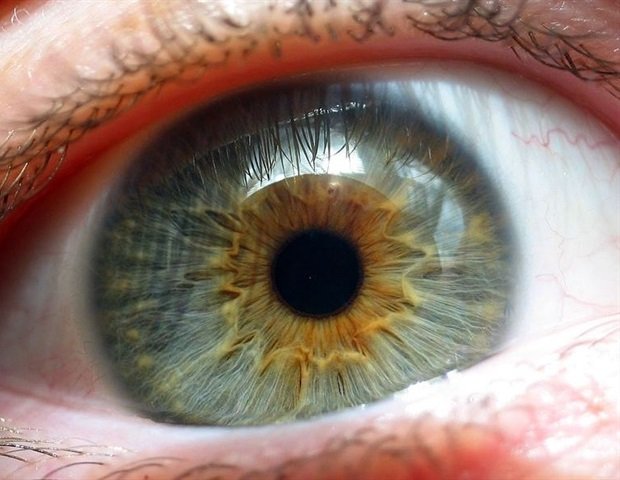
Humans develop sharp vision during early embryonic development thanks to an interaction between a vitamin A derivative and thyroid hormones in the retina, Johns Hopkins University scientists have discovered.

The findings could overturn decades of conventional understanding of how the eye develops light-sensing cells and could inform new research into treatments for macular degeneration, glaucoma and other age-related vision disorders.

Details of the study, which used laboratory retinal tissue, are published today in Proceedings of the National Academy of Sciences.

“This is a key step toward understanding the inner workings of the center of the retina, a critical part of the eye and the first to fail in people with macular degeneration,” said Robert J. Johnston Jr., an associate professor of biology at Johns Hopkins who led the research. “By better understanding this area and developing organoids that mimic its function, we hope to one day grow and transplant these tissues to restore vision.”

In recent years, the team has pioneered a new method for studying eye development using organoids, small clusters of tissue grown from embryonic cells. By monitoring these lab-grown retinas for several months, the researchers discovered the cellular mechanisms that shape the fovea—a central area of ​​the retina responsible for sharp vision.

Their research focused on light-sensitive cells that enable daytime vision. These cells develop into blue, green, or red cone cells that are sensitive to different types of light. Although the fovea comprises only a small portion of the retina, it accounts for approximately 50% of human visual perception. The foveola contains red and green cones but no blue cones, which are more widely distributed throughout the rest of the retina.

Humans are unique in having these three types of cones for color vision, allowing humans to see a wide range of colors that are relatively rare in other animals. How eyes grow with this cell distribution has puzzled scientists for decades. Mice, fish and other organisms commonly used for biological research lack this cell pattern, which makes photoreceptor cells difficult to study, Johnston said.

The Johns Hopkins team concluded that the distribution of cones in the fovea is the result of a coordinated process of cell fate determination and conversion during early development. Initially, a sparse number of blue cones are present in the fovea at weeks 10 to 12. But by week 14, they transform into red and green cones. The pattern occurs through two processes, the new study shows. First, a molecule derived from vitamin A called retinoic acid is broken down to limit the formation of blue cones. Second, thyroid hormones encourage the blue cones to turn into red and green cones.

First, retinoic acid helps to form the pattern. Thyroid hormone then plays a role in converting the remaining cells. That’s very important because if you have those blue cones in, you don’t see the same.”

Robert J. Johnston Jr., associate professor of biology, Johns Hopkins University

The findings offer a different perspective to the prevailing theory that blue cones migrate to other parts of the retina during development. Instead, the data suggest that these cells transduce to achieve an optimal distribution of cones in the fovea.

“The main model in the field about 30 years ago was that somehow the few blue cones you get in that area just go away, that those cells decide what they’re going to be and they stay that kind of cell forever,” Johnston said. “We can’t really rule it out yet, but our data supports a different model. These cells actually turn over time, which is really surprising.”

The findings could pave the way for new treatments for vision loss. Johnston and his team are working to refine their organoid models to better replicate the function of the human retina. These advances could lead to improved photoreceptors and possible cell therapies for eye diseases such as macular degeneration, which have no cure, said lead author Katarzyna Hussey, a former graduate doctoral student in the Johnston lab.

“The goal using this organoid technology is to eventually create a population of photoreceptors almost on demand. One major avenue is cell replacement therapy to introduce healthy cells that can reintegrate into the eye and potentially restore that lost vision,” said Hussey, who is now a molecular and cell biologist at the cell therapy company CiRC Biosciences at Chirc Biosciences. “These are very long-term experiments, and of course we’ll need to optimize for safety and efficacy studies before we move to the clinic. But it’s a viable journey.”

Source:

Journal Reference:

Hussey, K. A., et al. (2026). A cell fate specification and transition mechanism for human foveal cone subtype formation. Proceedings of the National Academy of Sciences. DOI: 10.1073/pnas.2510799123.

Fetal Hormones retina shape Thyroid Vision Vitamin
bhanuprakash.cg
healthtost
  • Website

Related Posts

Active birth control pills may increase emotional eating

July 9, 2026

Socioeconomic status confers unequal reductions in metabolic disease among racial, ethnic groups

July 8, 2026

Only one in 10 Australians know the Black Triangle safety symbol

July 8, 2026

Leave A Reply Cancel Reply

Don't Miss
Fitness

where we ate in Tokyo (and gluten-free options!)

By healthtostJuly 9, 20260

We’re sharing some of the best things we ate in Tokyo and some gluten-free options!…

Active birth control pills may increase emotional eating

July 9, 2026

Gut-friendly diet linked to lower risk of coronary heart disease mortality

July 9, 2026

New Sunscreen Ingredient: Is This The SPF Upgrade We’ve Been Waiting For?

July 9, 2026
Stay In Touch
  • Facebook
  • Twitter
  • Pinterest
  • Instagram
  • YouTube
  • Vimeo
TAGS
Baby benefits body brain cancer care Day Diet disease exercise finds Fitness food Guide health healthy heart Improve Life Loss Men mental Natural Nutrition Patients People Pregnancy research reveals risk routine sex sexual Skin Skincare study Therapy Tips Top Training Treatment ways weight women Workout
About Us
About Us

Welcome to HealthTost, your trusted source for breaking health news, expert insights, and wellness inspiration. At HealthTost, we are committed to delivering accurate, timely, and empowering information to help you make informed decisions about your health and well-being.

Latest Articles

where we ate in Tokyo (and gluten-free options!)

July 9, 2026

Active birth control pills may increase emotional eating

July 9, 2026

Gut-friendly diet linked to lower risk of coronary heart disease mortality

July 9, 2026
New Comments
    Facebook X (Twitter) Instagram Pinterest
    • About Us
    • Contact Us
    • Privacy Policy
    • Terms and Conditions
    • Disclaimer
    © 2026 HealthTost. All Rights Reserved.

    Type above and press Enter to search. Press Esc to cancel.