

Close Menu
Healthtost
  • News
  • Mental Health
  • Men’s Health
  • Women’s Health
  • Skin Care
  • Sexual Health
  • Pregnancy
  • Nutrition
  • Fitness
  • Recommended Essentials
What's Hot

Gut-friendly diet linked to lower risk of coronary heart disease mortality

July 9, 2026

New Sunscreen Ingredient: Is This The SPF Upgrade We’ve Been Waiting For?

July 9, 2026

5 Easy High Fiber Bowl Recipes

July 8, 2026
Facebook X (Twitter) Instagram
  • About Us
  • Contact Us
  • Privacy Policy
  • Terms and Conditions
  • Disclaimer
Facebook X (Twitter) Instagram
Healthtost
SUBSCRIBE
  • News

    Socioeconomic status confers unequal reductions in metabolic disease among racial, ethnic groups

    July 8, 2026

    Only one in 10 Australians know the Black Triangle safety symbol

    July 8, 2026

    Study reveals why patients with rare leukemia develop resistance to tagraxofusp

    July 7, 2026

    Countable Labs and Promega Announce Collaboration Agreement to Facilitate End-to-End Biological Sample Preparation and Rare Variant Detection

    July 7, 2026

    New virus insights lay foundation for treatment of JC polyomavirus infection

    July 6, 2026
  • Mental Health

    Almost 20% of new mums have anxiety or depression, but a promising psychedelic treatment is on the horizon

    July 7, 2026

    How can ART help us improve our mental health? With 3 Ways

    July 5, 2026

    How much do friends affect the mental health of teenagers? What a new study can (and can’t) tell us

    July 3, 2026

    What happens in your blood when you are stressed? We put it to the test

    June 28, 2026

    Why negative news grabs our attention and what it means for our mental health

    June 25, 2026
  • Men’s Health

    Gut-friendly diet linked to lower risk of coronary heart disease mortality

    July 9, 2026

    Men don’t just avoid their health. Many lose themselves.

    July 8, 2026

    The Crazy Hard Standards of the Hardest PE Program in History

    July 8, 2026

    Why our relationships are becoming more dishonest and what we can do about it

    July 7, 2026

    Definitive Guide: The Primal Blueprint

    July 7, 2026
  • Women’s Health

    Taite Heller on Why Barre Became a Top-5 Fitness Trend

    July 8, 2026

    Sunscreen TikTok convinces young people

    July 7, 2026

    Biology, Myths and Real Care

    July 7, 2026

    The shape of the strong black woman

    July 6, 2026

    208: What Mold Really Does to Your Health and How to Find It with Brian Karr

    July 5, 2026
  • Skin Care

    New Sunscreen Ingredient: Is This The SPF Upgrade We’ve Been Waiting For?

    July 9, 2026

    How to achieve the perfect tan

    July 8, 2026

    How I did it: I plump the skin without fillers

    July 6, 2026

    Natural bug bite relief with herbal remedies

    July 4, 2026

    Why Jojoba Beads Beat Coconut Shell Pow

    July 3, 2026
  • Sexual Health

    Complete Career Guide — Sexual Health Alliance

    July 8, 2026

    Because your sexual health matters more than you think

    July 5, 2026

    Fildena 150 How It Works: Mechanism & Benefits

    July 4, 2026

    Climate justice is reproductive justice

    July 2, 2026

    5 STDs that can cause bruising

    July 2, 2026
  • Pregnancy

    Calf Raises During Pregnancy: Step-by-Step Guide and Benefits

    July 8, 2026

    Tri-Tri Triplet Pregnancy with Vaginal Birth Story – The Birth Hour Triplet Pregnancy and Vaginal Birth Story with Ashlie Holladay

    July 7, 2026

    Common pregnancy drugs linked to higher rates of autism diagnosis in large study

    July 6, 2026

    Monsoon Infections During Pregnancy: Safety Tips for Expectant Moms

    July 5, 2026

    How to be the support she really needs

    July 4, 2026
  • Nutrition

    5 Easy High Fiber Bowl Recipes

    July 8, 2026

    Salmon Teriyaki Recipe (Ridiculously Easy!) • Kath Eats

    July 8, 2026

    Can exercise counteract a high-fat meal?

    July 6, 2026

    Natural ways to boost energy throughout the day

    July 6, 2026

    My story with iron deficiency as a plant-based nutritionist and runner

    July 4, 2026
  • Fitness

    Using External Signaling to Improve Linear Acceleration – Tony Gentilcore

    July 8, 2026

    5 Simple Screen Changes That Can Improve Sleep and Focus

    July 7, 2026

    How to prevent muscle loss while losing weight

    July 5, 2026

    The role of nutrition in maintaining energy during regular exercise

    July 5, 2026

    Junior Nsemba’s 3 best drills for strength, speed and dominance on the rugby field

    July 3, 2026
  • Recommended Essentials
Healthtost
Home»Skin Care»The science behind wrinkles and how they develop
Skin Care

The science behind wrinkles and how they develop

healthtostBy healthtostMay 13, 2024No Comments6 Mins Read
Facebook Twitter Pinterest LinkedIn Tumblr Reddit WhatsApp Email
The Science Behind Wrinkles And How They Develop
Share
Facebook Twitter LinkedIn Pinterest WhatsApp Email

The science behind wrinkles and how they develop

Wrinkles are a natural part of aging, but what causes them? Understanding the factors that contribute to wrinkles can help you manage and potentially delay their appearance. Read on to learn the science behind wrinkles and how they develop to learn how you can keep your skin looking young for longer.

What are wrinkles?

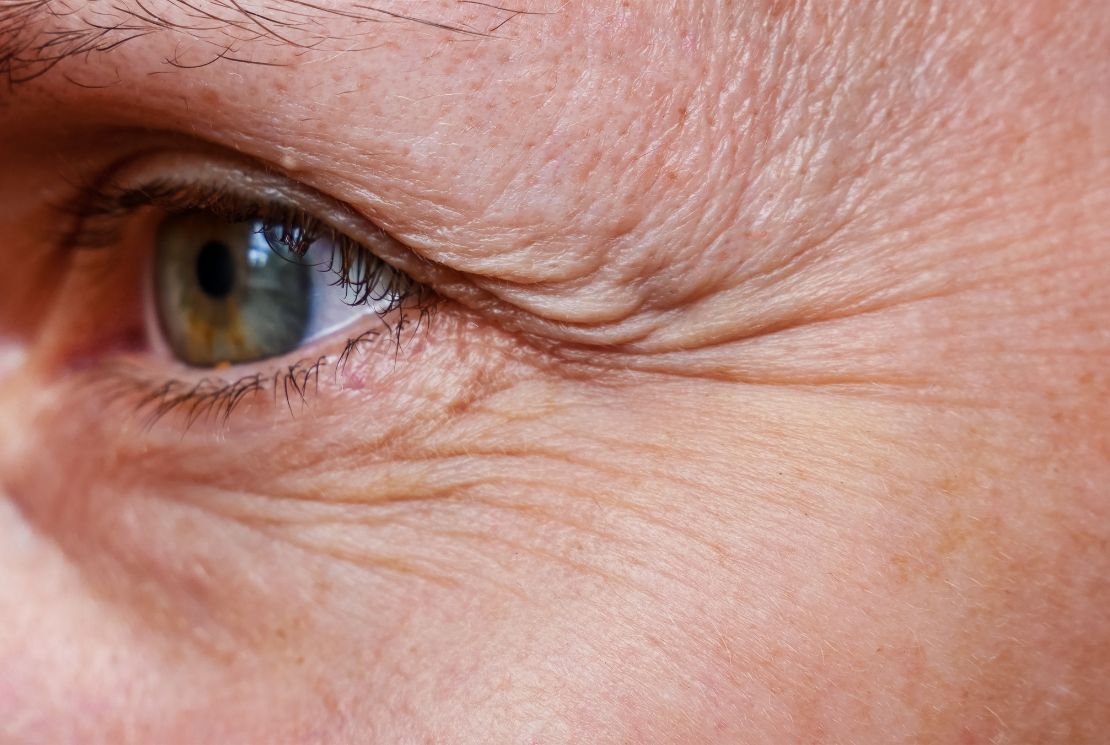
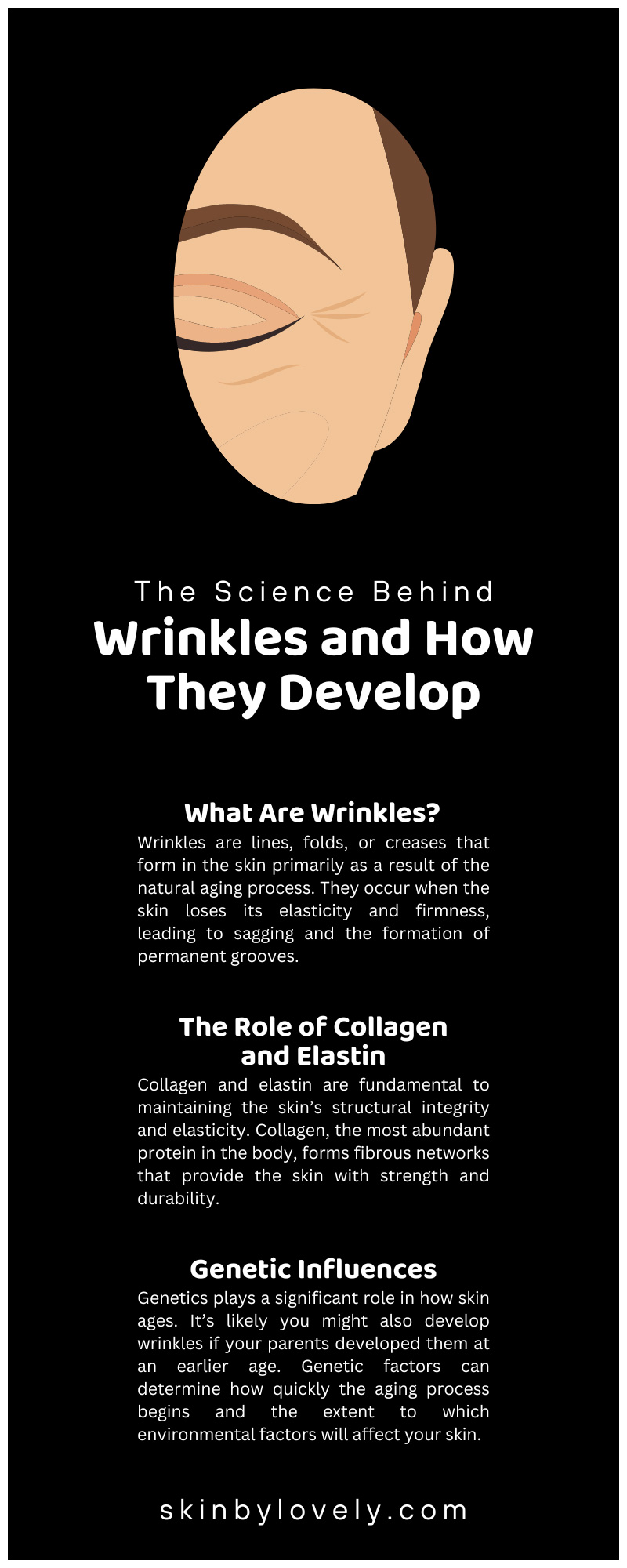
Wrinkles are lines, creases or folds that form on the skin mainly as a result of the natural aging process. They appear when the skin loses its elasticity and firmness, leading to sagging and the formation of permanent wrinkles. The first signs often appear where facial expressions are most prominent, such as around the eyes, mouth and forehead.

Over time, wrinkles may also develop on the neck, arms, and other areas that are frequently exposed to the sun. Various factors, including genetics, skin type, and environmental exposure can affect the depth and prominence of these lines.

The role of collagen and elastin

Collagen and elastin are fundamental to maintaining the structural integrity and elasticity of the skin. Collagen, the most abundant protein in the body, forms fibrous networks that provide the skin with strength and resilience. Although less common, elastin is vital in allowing the skin to stretch and bounce back to its original shape.

As we age, collagen production decreases and the quality of elastin fibers deteriorates, leading to a reduced ability of the skin to recover from stretching. Factors such as UV exposure and pollution accelerate this process, directly destroying these proteins and reducing the skin’s ability to maintain its youthful, smooth texture.

Genetic Influences

Genetics play an important role in how the skin ages. You are also likely to develop wrinkles if your parents developed them at a younger age. Genetic factors can determine how quickly the aging process begins and the extent to which environmental factors will affect your skin. Understanding your family’s skin history can provide insight into what to expect as you get older and help guide prevention strategies.

Sun exposure and photoaging

Sun exposure is one of the most important external factors that contribute to wrinkles. UV rays from the sun penetrate the skin and destroy collagen and elastin fibers. This process, known as photoaging, is responsible for most of the visible signs of aging on your skin. Regular use of a high SPF sunscreen can protect your skin from UV rays and significantly reduce the development of wrinkles.

Effects of smoking on the skin

Smoking accelerates the aging process of your skin, mainly due to the reduction in blood flow, which deprives your skin of essential nutrients. The chemicals in cigarettes also damage collagen and elastin, leading to earlier and more pronounced wrinkles. Quitting smoking can slow the aging process and improve the health and appearance of your skin.

Facial Expressions and Mechanical Factors

Our facial expressions contribute significantly to the development of wrinkles due to the repeated folding of the skin. Every time we smile, frown or squint, the underlying muscles contract, creating temporary furrows on the surface. Over the years of frequent contraction, these temporary wrinkles can become permanent as the skin loses its elasticity.

Many people refer to these types of wrinkles as expression line or dynamic wrinkle. The most common areas affected include the forehead, between the eyebrows and around the corners of the eyes (crow’s feet). Preventing these expression lines from becoming deeper and more prominent involves both minimizing excessive facial movements and enhancing skin elasticity through various treatments and lifestyle adjustments.

Hormonal Changes

Hormonal changes, especially during menopause, significantly affect your skin. Declining estrogen levels can lead to a decrease in collagen production and skin thickness, exacerbating the formation of wrinkles. Hormone replacement therapy has been shown to help alleviate some of these effects, although it may not be suitable for everyone.

The effect of sleep

Your sleeping habits can affect the formation of wrinkles. Sleeping in certain positions every night leads to “sleep lines” – wrinkles that etch into the surface of the skin and don’t disappear when you get up. Sleeping on your back can help prevent these types of wrinkles.

Nutrition and skin health

A balanced diet rich in antioxidants, vitamins and minerals can help your skin defend against damage that leads to wrinkles. Foods high in vitamin C, for example, can help boost collagen production, while omega-3 fatty acids help nourish and maintain skin elasticity. Staying hydrated is also important as it helps maintain optimal skin moisture and elasticity.

The role of hydration

Hydration is vital to maintaining skin elasticity and softness. Dehydrated skin looks more wrinkled and can be prone to damage. Drinking plenty of water throughout the day helps keep your skin hydrated from the inside out, while moisturizing products can help lock in moisture and strengthen your skin’s barrier against environmental factors.

Advanced skin care treatments

As technology advances, so do the options for preventing and treating wrinkles. Treatments such as laser therapy, microdermabrasion, and chemical peels can help stimulate collagen production and improve skin texture. These treatments often provide more dramatic results in reducing the appearance of wrinkles and improving skin tone and elasticity.

Preventive Measures and Lifestyle Changes

Preventing wrinkles is often easier than treating them. Protective measures such as using sunscreen, avoiding excessive sun exposure, maintaining a healthy diet and quitting smoking can significantly delay their appearance. Incorporating regular exercise and the right skin care routine can also support skin health and delay the signs of aging.

The role of dermal fillers

Dermal fillers like Restylane offer a solution to reduce the appearance of wrinkles by adding volume and smoothing the skin for those looking for more immediate results. Restylane dermal fillers are composed of hyaluronic acid, which occurs naturally in the skin and helps maintain moisture and elasticity. These fillers can fill in wrinkles and fine lines when injected into the skin, providing a more instantly youthful appearance.

Now that you know the science behind wrinkles and how they develop, you can better understand how factors such as genetics, sun exposure, diet and lifestyle choices play a role in skin aging. Armed with this knowledge, you can make informed decisions about how to protect and care for your skin, whether through preventative measures or treatments like Restylane dermal fillers. Remember, while wrinkles are a natural part of aging, you can minimize their appearance and keep your skin more beautiful in many ways.
The science behind wrinkles and how they developThe science behind wrinkles and how they develop

develop Science wrinkles
bhanuprakash.cg
healthtost
  • Website

Related Posts

New Sunscreen Ingredient: Is This The SPF Upgrade We’ve Been Waiting For?

July 9, 2026

How to achieve the perfect tan

July 8, 2026

Study reveals why patients with rare leukemia develop resistance to tagraxofusp

July 7, 2026

Leave A Reply Cancel Reply

Don't Miss
Men's Health

Gut-friendly diet linked to lower risk of coronary heart disease mortality

By healthtostJuly 9, 20260

A national analysis shows that diets that support a healthier gut microbiota may help identify…

New Sunscreen Ingredient: Is This The SPF Upgrade We’ve Been Waiting For?

July 9, 2026

5 Easy High Fiber Bowl Recipes

July 8, 2026

Using External Signaling to Improve Linear Acceleration – Tony Gentilcore

July 8, 2026
Stay In Touch
  • Facebook
  • Twitter
  • Pinterest
  • Instagram
  • YouTube
  • Vimeo
TAGS
Baby benefits body brain cancer care Day Diet disease exercise finds Fitness food Guide health healthy heart Improve Life Loss Men mental Natural Nutrition Patients People Pregnancy research reveals risk routine sex sexual Skin Skincare study Therapy Tips Top Training Treatment ways weight women Workout
About Us
About Us

Welcome to HealthTost, your trusted source for breaking health news, expert insights, and wellness inspiration. At HealthTost, we are committed to delivering accurate, timely, and empowering information to help you make informed decisions about your health and well-being.

Latest Articles

Gut-friendly diet linked to lower risk of coronary heart disease mortality

July 9, 2026

New Sunscreen Ingredient: Is This The SPF Upgrade We’ve Been Waiting For?

July 9, 2026

5 Easy High Fiber Bowl Recipes

July 8, 2026
New Comments
    Facebook X (Twitter) Instagram Pinterest
    • About Us
    • Contact Us
    • Privacy Policy
    • Terms and Conditions
    • Disclaimer
    © 2026 HealthTost. All Rights Reserved.

    Type above and press Enter to search. Press Esc to cancel.