


By Andrea Lepcio Founder and Owner of Mighty Fit
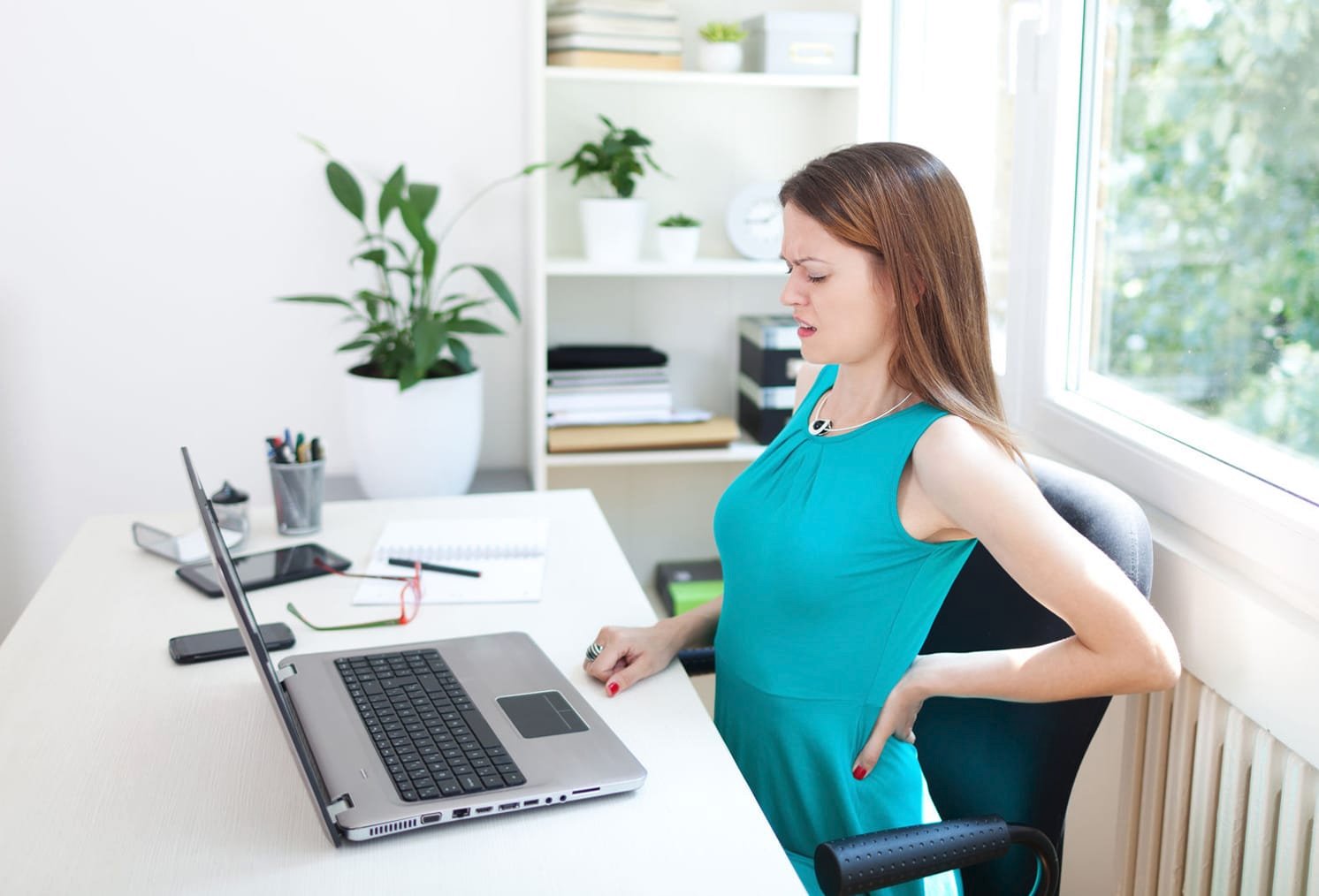
We sit for work, we sit for commuting, we sit for food and we sit for entertainment. We sit a lot.
It was Dr. James Levin, professor of medicine at the Mayo Clinicwho compared sitting to smoking. His exact phrase was more graphic, “Sitting is more dangerous than smoking, kills more people than HIV and is more treacherous than skydiving. We sit to death.“
Dr. Levine comments on the undeniable fact that modern life involves a lot of sitting. People who work probably sit down for breakfast, commuting, morning work, lunch, afternoon work, coming home, computer use, dinner, reading, TV and hobbies. Retirees do meals, transportation, computer use, reading, hobbies and television. Everyone does to John.
As part of a 2010 American Cancer Society Cancer Prevention II study, the American Journal of Epidemiology reported that sitting for more than 6 hours a day increased the risk of death by up to 49%.
The Science of Sitting
In yoga, we call it a chair pose, and in fitness, we call it a squat. If you hinge your hips and bend your knees, you use your leg, core, and back muscles to lower and lift back up.
Similarly, lowering yourself into a chair and standing back up is relatively active for most people. Notice if you tighten your muscles to get into the seat with a smooth motion, or if you get partway down and then release your muscles and lean the rest of the way. People with weaker legs and glutes will likely hear the sound of landing on a chair. You can work on strengthening your legs and hips so they land more smoothly.
Once you sit down, different habits are formed. You can choose to sit more or less actively. Active sitters have good posture and an engaged core. Most of the time, both feet are on the floor in front of them. They can sit on the back of the chair or on a chair without a back. If climbing on an exercise ball, the core will be active in front, back and side to maintain balance.
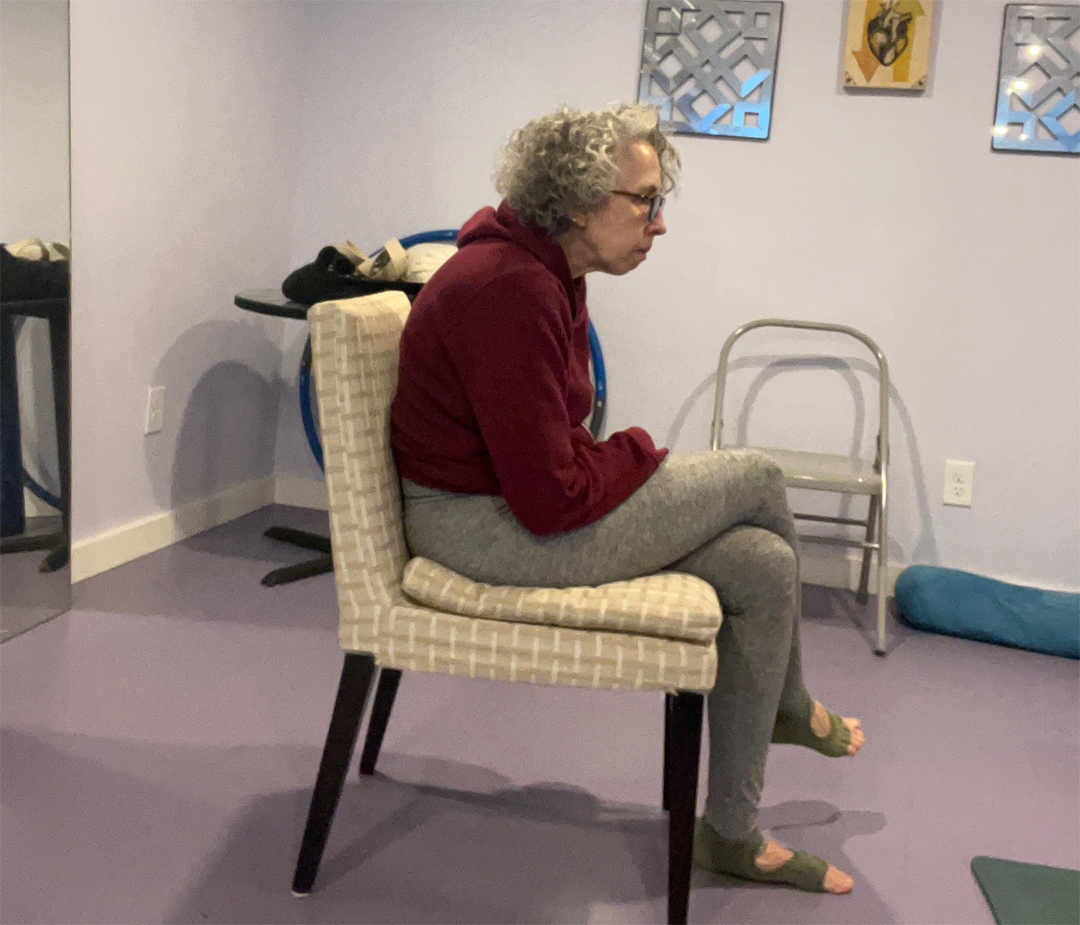
Inactive sitting will relax all the muscles and relax. They may cross their legs at the knee, which affects circulation and can cause blood clots. Muscles may be stretched or compressed. joints may be affected, blood pressure increases and numbness may occur in the lower leg.
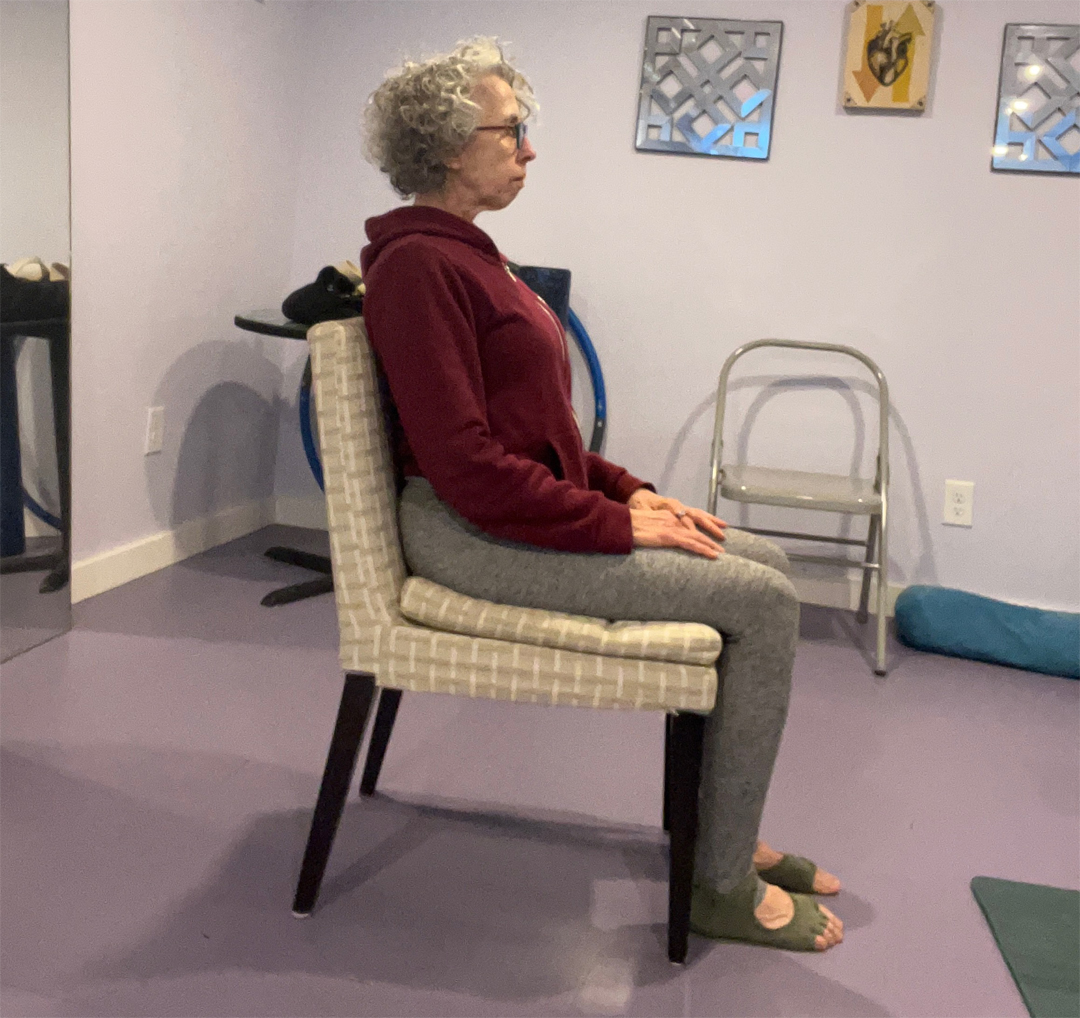
It is common for the arm bones to slide forward as the upper back curves. The muscles of the chest, trapezius and neck tighten and shorten while the muscles of the waist and back lengthen and weaken. Sometimes, people let their head drift towards a computer or screen. This forward head position puts stress on the neck muscles as the head becomes heavier the further forward it reaches.
If you sit for long hours without getting up:
- You will have some physical activity
- You will burn fewer calories
- Lack of movement affects the fascia under the skin. This loose connective tissue creates a body from head to toe. When you move less, the tissues become thicker and more dehydrated, making movement more difficult the longer you don’t move.
- Your muscles will tend to atrophy and your joints will stiffen
These effects will most affect those who sit idle. Severity will depend on how long and how you sit. Dr. Levine’s research confirms that even if you exercise, sitting for hours a day can have a negative effect that exercise doesn’t counteract.
Note that some people are at risk for disease separately from their sitting habits. Researchers identify the following risks from excessive sitting:
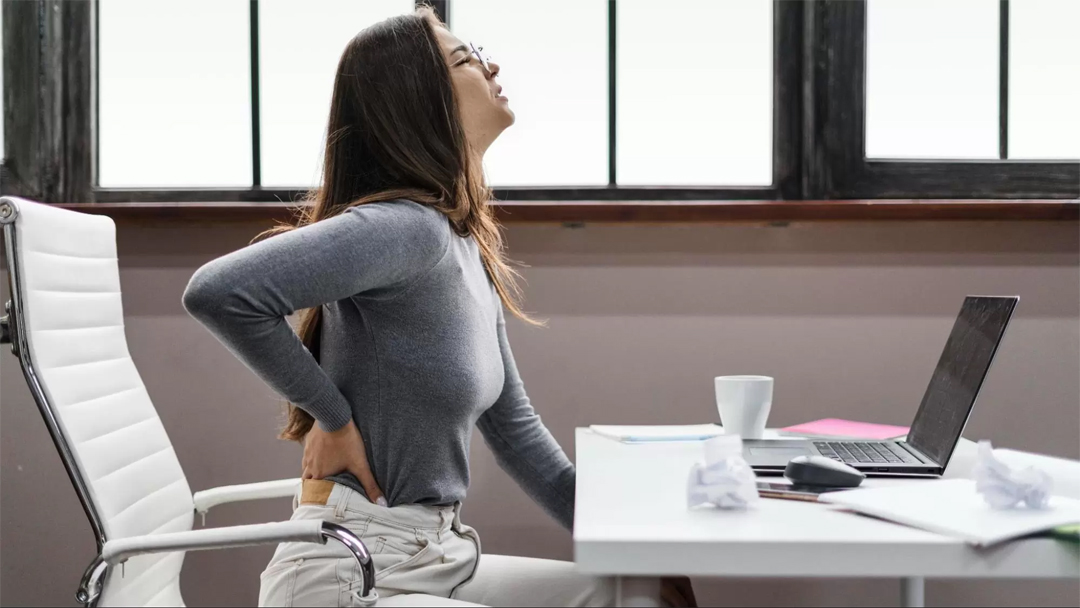
- Back pain and poor posture
- Risk of worsening osteoarthritis
- Weight gain and obesity
- Increased blood pressure
- High blood sugar. “The meta-analysis (10 studies) suggests that there is a 112% greater relative risk associated with long duration of sedentary behavior for type 2 diabetes,” according to Medicine and Sport Science.
- High cholesterol levels and what is known as metabolic syndrome. Sitting slows down your body’s ability to process fat.
- Increased risk of death from cardiovascular disease
- Increased risk of blood clots
- It can lead to, or worse, depression and anxiety.
- Inactivity is associated with cognitive decline
- Increased risk of cancer
What does sitting have to do with cancer risk? The Cleveland Clinic explains: “Research shows that sitting for long periods during the day increases your chance of developing certain types of cancer, including:
- Colorectal cancer
- Cancer of the uterus (endometrium).
- Lung cancer
- Prostate cancer

The Heart Foundation states: “A 2011 study documented 800,000 people and their sitting habits. The study found that people who sat more, compared to people who sat less, had a greater risk of disease and death:
- 112% increased risk of diabetes.
- 147% increased risk of cardiovascular events such as heart attack and stroke.
- 90% increased risk of death from cardiovascular events.
- 49% increased risk of death from any cause.
Because sitting is compared to smoking
Once upon a time, cigarette ads showed doctors enjoying cigarettes. According to the Yale University Library, “Cigarette companies often advertised smoking as a way to stay happy and healthy.” Whether you were a smoker or not, you inhale smoke in public places and homes. It wasn’t until 2000 that smoking was completely banned on airlines. Smoking was considered normal and it took decades for the dangers to be publicly accepted.
Sitting for hours a day is so common that it is considered normal by most people. However, the health risks of this habit have only recently come to light.
The health damage from smoking is costly: according to the Centers for Disease Control and Prevention, smoking causes 480,000 deaths annually and costs more than $300 billion.

The CDC reports statistics on sedentary behavior and physical inactivity that exceeds sitting: Direct health care costs in the United States are $117 billion annually, with approximately 300,000 deaths annually.
Smoking does more damage, but the number of people who sit for long periods far outnumber those who smoke.
Counterarguments and Perspective
American Journal of Public Health researchers are offended by the analogy between sitting and smoking. They think it makes smoking seem less harmful, and tests have not shown that the dangers of sitting are as drastic as the dangers of smoking.
There are many poor health decisions to choose from. Smoking and drinking are at the top of the list. Poor diet, lack of hydration, poor posture, overwork, high stress, insufficient sleep and an unhealthy environment are harmful.
Sitting is essentially an unavoidable health factor. Even active people sit for some part of their day. Smoking is a choice. sitting is a necessity.
Three dynamics magnify the health effects: the number of hours one sits, how actively or inactively one sits, and how inactive one is outside of sitting.
Risk mitigation strategies
Awareness of the problem can help in mitigation. If you know you sit for hours, you can make choices to reduce the impact on your health.
- Watch your posture. Sit actively. Bad posture is tiring enough. You’ll feel better if you sit bone tall, engage your core to lift your torso, lift your chest, let your shoulder relax and back, and float your head above your neck even with your chest. This may feel like a slight chin grab.
- Set a timer that reminds you to stand or move every 30 minutes. Take advantage of necessities like a bathroom break. Combine the need to move with the need for something to drink. You can simply stand and sit again. Better yet, you can walk around the room and come back. You can do stretching or quick exercise.
- Try standing, treadmill or desk cycling.
- Try an exercise ball or other active chair.
- Stand whenever you can, like on the phone or in a meeting.
- Add activity throughout your day. Take the stairs instead of the elevator. Park further away from your destination. Get around on foot or by bike. Stand while traveling by subway or bus.
- Schedule rides for gatherings of 2 to 4 people.
- Schedule 20-60 minutes six days a week for the cardio workout of your choice. Enjoy a fitness snack during one of the 30-minute stand-ups.
- Schedule resistance training so you work each muscle group two to three times a week. This can be a full body alternate day plan or a body day plan. Enjoy a fitness snack during one of the 30-minute stand-ups.
- For people with less fitness, they can include light intensity physical activity (LIPA) in their day. Choose safe activities. Avoid strain or fatigue.
As mentioned, exercise is not enough to counteract sitting. If you’re in the habit of getting at least 150 minutes of moderate exercise per week, you’ll improve your health outcomes if you take advantage of these recommendations to break up your sitting time.
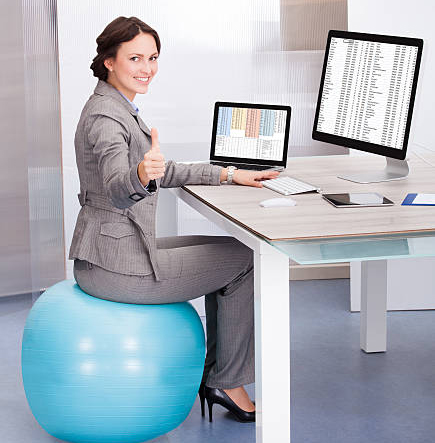
I am a personal trainer who works out for at least two hours every day. However, I alternate between a standing desk and sitting on an exercise ball. I limit my time in chairs to less than three hours, sit actively and get up and down often.
Conclusion
The good news is that people can make changes to benefit their health. Interrupting sitting time with movement, exercise, or at least standing will improve results. Adding a regular exercise program will help prevent many diseases. Whether you’re 20 or 80, these changes will help you maintain your health.
Refusal
The Content is not intended to be a substitute for professional medical advice, diagnosis or treatment. Always seek the advice of your doctor or other qualified health care provider with any questions you may have about a medical condition.
