

Close Menu
Healthtost
  • News
  • Mental Health
  • Men’s Health
  • Women’s Health
  • Skin Care
  • Sexual Health
  • Pregnancy
  • Nutrition
  • Fitness
  • Recommended Essentials
What's Hot

Yeong Kim (Rian) – The Structural Elegance of Intellect and Honor

April 25, 2026

Researchers identify new genetic links to Hyperemesis Gravidarum

April 25, 2026

Doing the work in the face of fear

April 25, 2026
Facebook X (Twitter) Instagram
  • About Us
  • Contact Us
  • Privacy Policy
  • Terms and Conditions
  • Disclaimer
Facebook X (Twitter) Instagram
Healthtost
SUBSCRIBE
  • News

    Researchers uncover new mechanism linking metabolism, immunity and skeletal health

    April 25, 2026

    Genetic research identifies rare DNA changes that cause common heart valve damage

    April 24, 2026

    Air quality in infancy may fundamentally shape long-term immune development

    April 24, 2026

    The endoscopic procedure may prevent weight regain after stopping GLP-1

    April 23, 2026

    Artisanal chewing gum reduces oral germs linked to cancer

    April 23, 2026
  • Mental Health

    I hate hope: How to manage hope when you have treatment-resistant bipolar disorder

    April 19, 2026

    Rose Byrne is raw, magnetic and unfiltered as a woman in crisis

    April 18, 2026

    Can a single mother change her child’s surname in India?

    April 16, 2026

    Is it anxiety or OCD? 2 psychology experts explain the difference

    April 14, 2026

    Understanding the different types of treatment: C…

    April 10, 2026
  • Men’s Health

    45-Minute No-Equipment Home Workout (Full Body)

    April 23, 2026

    Study finds many UK adults want to avoid ultra-processed foods but can’t clearly define them

    April 21, 2026

    How can you get the best sleep?

    April 21, 2026

    The Crazy Hard Standards of the Hardest PE Program in History

    April 20, 2026

    Becoming revolutionaries in our time: Calling men to change the world for good

    April 20, 2026
  • Women’s Health

    Yeong Kim (Rian) – The Structural Elegance of Intellect and Honor

    April 25, 2026

    I felt ashamed of my dad’s illness

    April 25, 2026

    What are the different stages of puberty?

    April 24, 2026

    Understanding Hot Flashes – HealthyWomen

    April 24, 2026

    Because you are still inflamed

    April 22, 2026
  • Skin Care

    What it is and how to do it right – Lifeline Skin Care

    April 21, 2026

    Best Face Mask Set: What to Use for Your Skin Goals

    April 21, 2026

    Earth Day Activities: A Fun Guide to Plogging and More

    April 20, 2026

    Calm & Correct: The 4-in-1 color correcting treatment

    April 19, 2026

    How to Get Glowing Skin: Beauty Guide

    April 17, 2026
  • Sexual Health

    How accurate are herpes blood tests?

    April 22, 2026

    Understanding the Asexual Spectrum — Sexual Health Alliance

    April 21, 2026

    The importance of sex and intimacy in the elderly

    April 18, 2026

    Judicial reform is the only real way out of today’s political hell

    April 15, 2026

    Personal and Professional considerations between generations

    April 15, 2026
  • Pregnancy

    Researchers identify new genetic links to Hyperemesis Gravidarum

    April 25, 2026

    Loss of Appetite During Pregnancy: A Third Trimester Guide

    April 24, 2026

    Cameron Rodgers wants you to know you’re not the only one Googling “WTF is going on in my body” at 2 a.m.

    April 22, 2026

    A gentle space to navigate the becoming of motherhood

    April 21, 2026

    Transfer to birth center C-section, birth center VBAC and Surprise Footling Breech Transfer to home

    April 18, 2026
  • Nutrition

    Doing the work in the face of fear

    April 25, 2026

    Can the “dark shower” reduce stress and improve sleep?

    April 24, 2026

    High Fiber Smoothie Recipe • Kath Eats

    April 23, 2026

    Which potato is the most nutritious?

    April 22, 2026

    What Really Works (and What Doesn’t)

    April 22, 2026
  • Fitness

    4.24 Friday Faves – The Fitnessista

    April 25, 2026

    The workout we forgot (it’s time to bring it back 💪 )

    April 24, 2026

    Cardio or weightlifting? – Tony Gentilcore

    April 24, 2026

    7 super healthy ways to take care of yourself

    April 23, 2026

    Wake up with these symptoms? Your health may be at risk

    April 23, 2026
  • Recommended Essentials
Healthtost
Home»News»The brain encodes time and space through common neural sequences
News

The brain encodes time and space through common neural sequences

healthtostBy healthtostApril 1, 2026No Comments5 Mins Read
Facebook Twitter Pinterest LinkedIn Tumblr Reddit WhatsApp Email
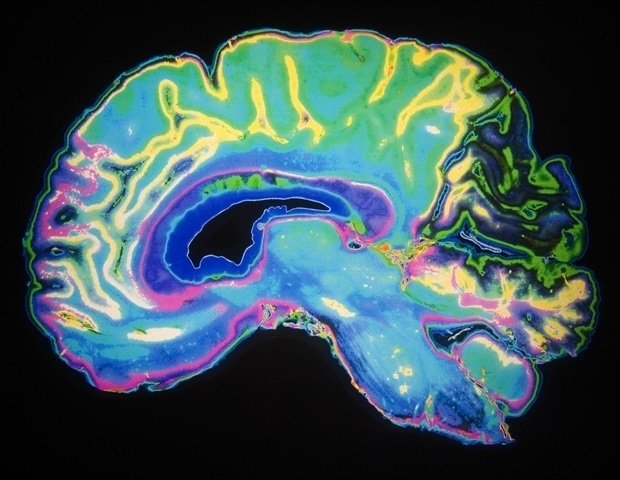
The Brain Encodes Time And Space Through Common Neural Sequences
Share
Facebook Twitter LinkedIn Pinterest WhatsApp Email

If you develop Alzheimer’s disease, you not only lose your sense of time, you also lose your sense of place. Could time and place be two sides of the same coin?

About 55 million people worldwide are currently living with dementia, such as Alzheimer’s disease, a number that is expected to triple by 2050. At the Institute of Basic Medical Sciences at the University of Oslo, researchers are working to get closer to understanding what happens in the brain so that we can prevent or slow down the development of such diseases.

All memories are made up of different elements. You not only remember what you had for dinner yesterday, but also the time and place. We often think of time and space as separate categories, a distinction created by philosophers and physicists that is incredibly practical for organizing our lives. But our brain cells don’t see it that way.”


Koen Vervaeke, Professor, University of Oslo

These cells do not distinguish between a step forward in space or a second passing in time. Instead, they simply record an ever-changing stream of information from our senses, tracking events as they unfold. For the brain’s internal network, time and place are essentially two sides of the same coin, he explains.

“In Alzheimer’s disease it is not surprising that both are affected; when the neural network is damaged, the sense of ‘where’ and ‘when’ begin to unravel together.”

The scent of silence: Monitoring the brain’s internal relay

Remembering where, when, and how something happened is called episodic memory. In your brain, billions of nerve cells form large networks, passing signals like a relay race to process information from your senses, the sounds, smells and sights of your life.

We already know that cells that link memories to time and space are in the hippocampus. But Vervaeke and his research team had a theory that another area of ​​the brain was also involved, namely the retrosplenial cortex. Located at the back of the cerebral cortex near the hippocampus, this region was previously known only for associating memories with place.

To test whether this region also keeps track of time, the team designed a memory challenge for mice. The task required them to hold a specific smell in their “working memory” for a short period. The article was recently published in Cell Reports.

“We presented the mice with a simple sequence: one odor, a five-second pause, and then a second odor. If the two odors were different, banana followed by peppermint, the mice licked a tube for a sugar water reward. If the odors were the same, they had to remain still,” explains Vervaeke.

At first, the mice were impatient and constantly licked the tube. But after a week of training, they mastered the task.
“They learned to use that five-second silence to hold the first memory in their mind, waiting to see if the next scent would match or change,” explains Vervaeke.

The universal script: A unified theory of experience

To see what was happening inside the brain, the researchers used a microscope to monitor nerve cells in the retrosplenial cortex while the mice performed the task.

“Under the microscope, we saw two distinct groups of nerve cells coming to life,” says Vervaeke. “The first group acted as smell specialists, active only when a specific smell was present, such as banana or peppermint. But the second group was even more fascinating: these cells were active in a precise order during the five-second silence.

Like a relay race, one cell passed the signal to the next, “holding” the memory of the first scent until the second arrived.

“Working together, these cells did two jobs at once: they recognized the smell and kept track of exactly how much time had passed.”

The most striking discovery was that the retrosplenial cortex uses the same “neural script” for both space and time. “We found that the sequence of neuronal activity in the retrosplenial cortex looks almost identical whether a mouse runs naturally across a room or simply holds a memory in its mind for five seconds,” says Vervaeke.

Redefining the Dementia Treatment Reality

This discovery brings us back to the tragic reality of Alzheimer’s disease, where sufferers struggle to anchor both time and place. By showing that the brain uses the same “neural script” for both, our research explains why these two senses often fail together, says the professor.

This work also questions the way we perceive the world around us. While we use the concepts of time and space to organize our lives, this distinction is largely a human construct. In fact, some modern theories in physics move away from using time and space as the fundamental building blocks of the universe. It appears that the brain’s internal wiring reflects this deeper reality, he says.

“We still have a lot to learn about how a healthy brain works,” explains Vervaeke. “It’s almost impossible to fix a car if you don’t first understand how the engine works when it’s running smoothly. Similarly, we need to understand the ‘blueprints’ of a healthy brain, how it builds and stores these episodic memories, before we can really understand what goes wrong in dementia. These findings bring us one step closer.”

Source:

University of Oslo, School of Medicine

Journal Reference:

Garvert, A.C., et al. (2025). Area-specific encoding of temporal information in the neocortex. Cell references. DOI: 10.1016/j.celrep.2025.115363.

brain Common encodes neural sequences space time
bhanuprakash.cg
healthtost
  • Website

Related Posts

Researchers uncover new mechanism linking metabolism, immunity and skeletal health

April 25, 2026

The workout we forgot (it’s time to bring it back 💪 )

April 24, 2026

Genetic research identifies rare DNA changes that cause common heart valve damage

April 24, 2026

Leave A Reply Cancel Reply

Don't Miss
Women's Health

Yeong Kim (Rian) – The Structural Elegance of Intellect and Honor

By healthtostApril 25, 20260

Photo – @baehoseong_ Yeong Kim is a distinguished high fashion model and creative director known…

Researchers identify new genetic links to Hyperemesis Gravidarum

April 25, 2026

Doing the work in the face of fear

April 25, 2026

4.24 Friday Faves – The Fitnessista

April 25, 2026
Stay In Touch
  • Facebook
  • Twitter
  • Pinterest
  • Instagram
  • YouTube
  • Vimeo
TAGS
Baby benefits body brain cancer care Day Diet disease exercise finds Fitness food Guide health healthy heart Improve Life Loss Men mental Natural Nutrition Patients Pregnancy research reveals risk routine sex sexual Skin Skincare study Therapy Tips Top Training Treatment Understanding ways weight women Workout
About Us
About Us

Welcome to HealthTost, your trusted source for breaking health news, expert insights, and wellness inspiration. At HealthTost, we are committed to delivering accurate, timely, and empowering information to help you make informed decisions about your health and well-being.

Latest Articles

Yeong Kim (Rian) – The Structural Elegance of Intellect and Honor

April 25, 2026

Researchers identify new genetic links to Hyperemesis Gravidarum

April 25, 2026

Doing the work in the face of fear

April 25, 2026
New Comments
    Facebook X (Twitter) Instagram Pinterest
    • About Us
    • Contact Us
    • Privacy Policy
    • Terms and Conditions
    • Disclaimer
    © 2026 HealthTost. All Rights Reserved.

    Type above and press Enter to search. Press Esc to cancel.