

Close Menu
Healthtost
  • News
  • Mental Health
  • Men’s Health
  • Women’s Health
  • Skin Care
  • Sexual Health
  • Pregnancy
  • Nutrition
  • Fitness
  • Recommended Essentials
What's Hot

Why is anemia during pregnancy high in Indian women?

May 2, 2026

If you can still do these 7 things at 60, your body is aging better than most

May 2, 2026

AI scribes save doctors time, but fail to reduce overtime

May 2, 2026
Facebook X (Twitter) Instagram
  • About Us
  • Contact Us
  • Privacy Policy
  • Terms and Conditions
  • Disclaimer
Facebook X (Twitter) Instagram
Healthtost
SUBSCRIBE
  • News

    AI scribes save doctors time, but fail to reduce overtime

    May 2, 2026

    Identifying the ages at which Alzheimer’s biomarkers change sharply

    May 1, 2026

    Timing of food may shape how T cells respond to infection and therapy

    May 1, 2026

    UCLA researchers build programmable artificial organs using RNA

    April 30, 2026

    Sapio Sciences brings Claude Cowork to the lab

    April 30, 2026
  • Mental Health

    Every mental health journey starts with being seen

    May 2, 2026

    What animal studies teach us about toxic work environments

    April 27, 2026

    I hate hope: How to manage hope when you have treatment-resistant bipolar disorder

    April 19, 2026

    Rose Byrne is raw, magnetic and unfiltered as a woman in crisis

    April 18, 2026

    Can a single mother change her child’s surname in India?

    April 16, 2026
  • Men’s Health

    3 Day Home Workout Plan: Build Muscle and Burn Fat

    April 30, 2026

    GLP-1 drugs promise broader health benefits, but experts advise caution on use

    April 28, 2026

    Trauma patients recover faster when medical teams know each other well, new study finds

    April 28, 2026

    I did red light therapy for 3 months so I shouldn’t have

    April 27, 2026

    Sex Secrets for Men Over 40: Surviving Male Menopause

    April 27, 2026
  • Women’s Health

    What is the difference between UVA and UVB rays?

    May 1, 2026

    Are you a fungus fanatic? We unpack the nutritional trend of mushroom mania

    April 29, 2026

    What the Patients’ Bill of Rights Could Mean for Black Women

    April 29, 2026

    Navigating sexual health during and after cancer

    April 28, 2026

    Do tampons break the hymen? Facts, Myths and What You Need to Know – Vuvatech

    April 27, 2026
  • Skin Care

    The truth about waterless care: What your skin really needs

    May 2, 2026

    What happens to your skin while you sleep? (the science of “Beauty Sle

    May 1, 2026

    Face Peeling Mask Guide: Shine Without Irritation

    April 28, 2026

    Is your moisturizing face mist really drying out your skin?

    April 28, 2026

    Uses and Benefits of TNW Natural Aloe Vera Face Gel – The Natural Wash

    April 27, 2026
  • Sexual Health

    Boost erectile health and confidence

    May 1, 2026

    Judicial Restrictions on Abortion COVID-19 < SRHM

    April 30, 2026

    Can herpes affect fertility?

    April 29, 2026

    The Importance of Personalized Care in Medication Assisted Therapy (MAT) Programs I Novus

    April 28, 2026

    Your favorite mold is lying to you (a little) — Sexual Health Alliance

    April 28, 2026
  • Pregnancy

    Why is anemia during pregnancy high in Indian women?

    May 2, 2026

    5 things you need for the third trimester

    May 1, 2026

    Eating disorders in pregnancy and breastfeeding: Why “healthy eating” is not always easy

    May 1, 2026

    Comprehensive yoga for pregnancy, birth and beyond

    April 29, 2026

    Midwifery and Life – The postnatal health check New mums don’t know they can ask for

    April 28, 2026
  • Nutrition

    How to create a self-care plan when you’re stressed

    May 1, 2026

    I answer the most HOT Questions about Fatty Liver

    April 29, 2026

    Why You’re Not Losing Weight After 35 (Even When You Eat Less)

    April 28, 2026

    Where to eat in London

    April 27, 2026

    Dr. Will Cole on Why Hire FDN Professionals

    April 26, 2026
  • Fitness

    If you can still do these 7 things at 60, your body is aging better than most

    May 2, 2026

    A Hike Leader’s Must-Have Kit

    April 30, 2026

    Menopausal Hair Loss Solutions: 10 Expert Tips

    April 29, 2026

    Identity Inversion: Part 1 – Ben Greenfield Life

    April 29, 2026

    How to improve accessibility in your gym

    April 28, 2026
  • Recommended Essentials
Healthtost
Home»News»Study of Healthy Adults Over 20 Finds Daily Multivitamin Use Not Associated with Mortality Benefit
News

Study of Healthy Adults Over 20 Finds Daily Multivitamin Use Not Associated with Mortality Benefit

healthtostBy healthtostJune 28, 2024No Comments4 Mins Read
Facebook Twitter Pinterest LinkedIn Tumblr Reddit WhatsApp Email
Study Of Healthy Adults Over 20 Finds Daily Multivitamin Use
Share
Facebook Twitter LinkedIn Pinterest WhatsApp Email

A recent study published in JAMA Network Open determined the relationship between regular multivitamin (MV) supplementation and mortality risk among United States adults.

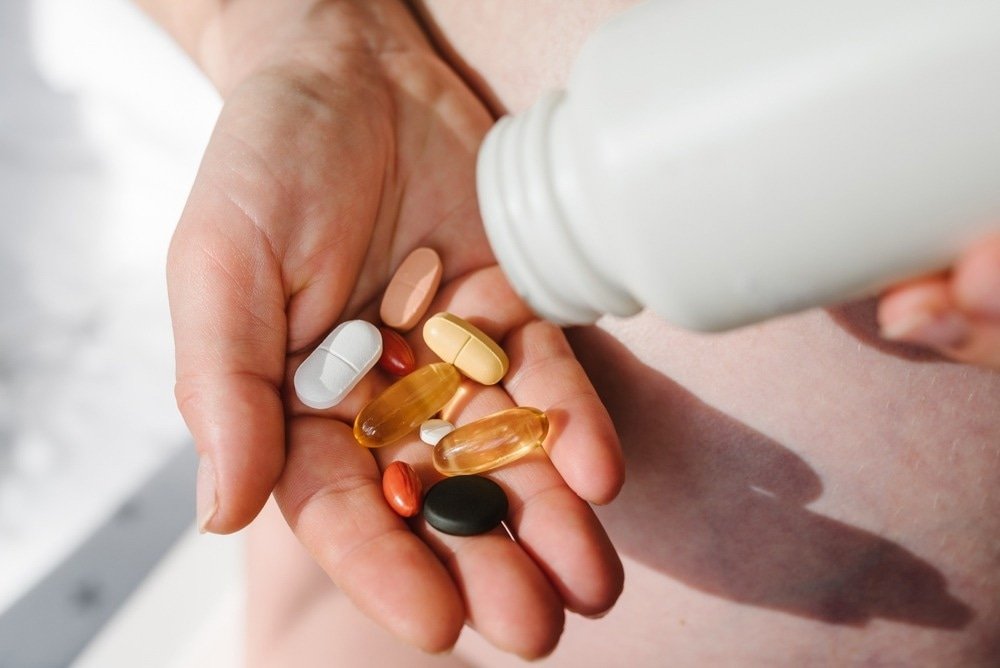
Study: Multivitamin use and risk of mortality in 3 US prospective cohorts. Image credit: Sergii Sobolevskyi/Shutterstock.com

Record

One in three people living in the United States consumes multivitamins to maintain or improve health and prevent disease. Therefore, knowledge of the association between MV supplementation and mortality risk is crucial for public health guidelines.

The United States Preventive Services Task Force 2022 (USPSTF) reviewed data on multivitamin use and risk of death from randomized controlled trials and concluded that, due to short follow-up and external validation, there is insufficient evidence to determine risk-benefit ratios.

Observational studies provide conflicting results, and differences in multivitamin content or confounding factors may explain their varying results. Multivitamin users may be more health conscious, leading to healthier diets, increased physical activity, and reduced smoking. However, people aged >65 years with comorbidities are more likely to use multivitamins, as they have a higher risk of death.

About the study

In the present study, researchers investigated whether regular multivitamin use can reduce the risk of death in the US adult population.

The study included adults with no prior history of chronic medical conditions and cancer participating in the Prostate, Lung, Colorectal and Ovarian Cancer Screening Trial (PLCO, 42,732 subjects). the Agricultural Health Study (AHS, 19,660 subjects) or the National Institutes of Health-AARP Diet and Health Study (NIH-AARP, 327,732 subjects).

Each cohort study assessed baseline multivitamin use between 1993 and 2001, followed by follow-up assessments between 1998 and 2004 and characterizing confounders. Investigators followed participants until study termination (NIH-AARP and AHS: December 2019; PLCO: December 2020) or death. They ascertained mortality using the National Death Index (NDI) and cause-related deaths using International Classification of Diseases, Ninth Revision (ICD-9) or ICD-10 codes.

The study exposure was self-reported multivitamin use, and the primary study outcome was death. Participants completed baseline questionnaires to provide multivitamin use data. Time-varying analyzes incorporated dietary questionnaire follow-up data five years, three years, and nine years after initiation of the AHS, PLCO, and NIH-ARP studies, respectively.

The researchers performed Cox proportional hazards regression modeling to calculate hazard ratios (HRs), adjusting for variables such as age, biological sex, body mass index (BMI), race, ethnicity, education level, physical activity, marital status, alcohol consumption, smoking habits, coffee consumption, Healthy Eating Index 2015 (HEI-2015) scores and cancer among family members. They analyzed data between June 2022 and April 2024.

Investigators excluded proxy respondents: those who died before receiving study questionnaires. those who had registry-confirmed or reported cancer at baseline; those who had myocardial infarction, diabetes, end-stage renal disease or stroke at baseline (n=105,871). those with excessive caloric intake. or those with missing covariate data.

Results

The study included 390,124 people: 327,732 from NIH-AARP, 42,732 from PLCO, and 19,660 from AHS. There were 7,861,485 individual years of follow-up. The median age of the participants was 62 years and 55% were male.

In total, the researchers noted 164,762 deaths during the follow-up period. 41% had never smoked and 40% had obtained a university degree. Of the 164,762 deaths, 49,836 were from cancer, 35,060 from cardiovascular disease and 9,275 from cerebrovascular disease.

Among regular multivitamin users, 49% and 42% were college-educated women, compared with 39% and 38% among non-multivitamin users, respectively. In contrast, 11% of regular multivitamin users, compared to 13% of nonusers, were current smokers.

Multivitamin use was not associated with a lower risk of death from any cause at baseline or follow-up periods. Hazard ratios were comparable for leading causes of mortality and time-varying assessments.

The team observed qualitative effect modifications by age, BMI, and smoking status, but not by biological sex, HEI-2015 scores, race, or ethnicity. In the initial follow-up analysis (FP1), the HRs for regular multivitamin use and death from any cause were higher for those younger than 55 years (HR, 1.2).

In FP1, HR estimates for non-regular multivitamin use and death from any cause were higher for former and current smokers and subjects with normal BMI. The meta-analysis, incorporating time-varying estimates from all cohorts, showed that regular multivitamin use, compared with no use, was associated with a 4.0% higher risk of death from any cause in FP1 but not in FP2.

conclusion

The study findings provide no evidence of increased longevity among regular multivitamin users. However, one cannot rule out the possible effects of regular multivitamin use on other aging-related health outcomes. Further research should include non-observational study designs and more diverse populations to increase the generalizability of the study findings.

adults Benefit Daily finds healthy mortality multivitamin study
bhanuprakash.cg
healthtost
  • Website

Related Posts

AI scribes save doctors time, but fail to reduce overtime

May 2, 2026

Identifying the ages at which Alzheimer’s biomarkers change sharply

May 1, 2026

Timing of food may shape how T cells respond to infection and therapy

May 1, 2026

Leave A Reply Cancel Reply

Don't Miss
Pregnancy

Why is anemia during pregnancy high in Indian women?

By healthtostMay 2, 20260

Anemia is a widespread medical condition that afflicts Indian women during their pregnancy. Poor quality…

If you can still do these 7 things at 60, your body is aging better than most

May 2, 2026

AI scribes save doctors time, but fail to reduce overtime

May 2, 2026

Every mental health journey starts with being seen

May 2, 2026
Stay In Touch
  • Facebook
  • Twitter
  • Pinterest
  • Instagram
  • YouTube
  • Vimeo
TAGS
Baby benefits body brain cancer care Day Diet disease exercise finds Fitness food Guide health healthy heart Improve Life Loss Men mental Natural Nutrition Patients Pregnancy protein research reveals risk routine sex sexual Skin Skincare study Therapy Tips Top Training Treatment ways weight women Workout
About Us
About Us

Welcome to HealthTost, your trusted source for breaking health news, expert insights, and wellness inspiration. At HealthTost, we are committed to delivering accurate, timely, and empowering information to help you make informed decisions about your health and well-being.

Latest Articles

Why is anemia during pregnancy high in Indian women?

May 2, 2026

If you can still do these 7 things at 60, your body is aging better than most

May 2, 2026

AI scribes save doctors time, but fail to reduce overtime

May 2, 2026
New Comments
    Facebook X (Twitter) Instagram Pinterest
    • About Us
    • Contact Us
    • Privacy Policy
    • Terms and Conditions
    • Disclaimer
    © 2026 HealthTost. All Rights Reserved.

    Type above and press Enter to search. Press Esc to cancel.