

Close Menu
Healthtost
  • News
  • Mental Health
  • Men’s Health
  • Women’s Health
  • Skin Care
  • Sexual Health
  • Pregnancy
  • Nutrition
  • Fitness
  • Recommended Essentials
What's Hot

How to be more human

May 15, 2026

What are they trying to tell us and how to overcome them

May 15, 2026

Multi-institutional trial explores new lifeline for advanced prostate patients

May 15, 2026
Facebook X (Twitter) Instagram
  • About Us
  • Contact Us
  • Privacy Policy
  • Terms and Conditions
  • Disclaimer
Facebook X (Twitter) Instagram
Healthtost
SUBSCRIBE
  • News

    Multi-institutional trial explores new lifeline for advanced prostate patients

    May 15, 2026

    ExiVex reports human pharmacokinetic data showing that intranasal naloxone EMRX-101 approaches peak plasma concentrations similar to IV with a significantly faster Tmax than the currently approved comparator

    May 15, 2026

    Perioperative medicine is emerging as a system-wide strategy for better surgical outcomes

    May 14, 2026

    Regular arts and physical activity are associated with slow aging

    May 14, 2026

    The study links obesity with less pleasurable feelings during physical activity

    May 13, 2026
  • Mental Health

    Are you caught in the cycle of chronic pain? How does Thera…

    May 15, 2026

    Why Menopause Matters in Substance Use Disorder Prevention, Treatment, and Recovery

    May 14, 2026

    because you might be right to leave a party without saying goodbye

    May 14, 2026

    Are antidepressants dangerous? The truth about violence, overuse and fear

    May 11, 2026

    Feel like a fraud? Understanding Imp…

    May 10, 2026
  • Men’s Health

    10 Best Bodyweight Movements for Strength and Muscle

    May 14, 2026

    Two leading cardiac risk tools pass a major global test

    May 12, 2026

    Beyond symptoms: Into the push to finally change the effects of cerebral palsy

    May 12, 2026

    Mix up your workout with Myo-Reps

    May 11, 2026

    The Future of the USA: Why Empires End After 250 Years and What We Should Do Now

    May 11, 2026
  • Women’s Health

    I didn’t sleep so well. Should I still exercise? | The Wellness Blog

    May 15, 2026

    Minoxidil 5%: A proven solution for hair regeneration

    May 14, 2026

    Postpartum sexuality research reveals common ‘desire gap’

    May 13, 2026

    Paula Poundstone on the healing power of humor

    May 12, 2026

    What is SPF? A guide to Indian skin

    May 10, 2026
  • Skin Care

    Night Serum: What to use for best results overnight

    May 15, 2026

    7 Anti-Aging Foods That Slow Aging and Make You Look Younger

    May 14, 2026

    Benefits, uses and how to get glowing skin naturally – The natural wash

    May 14, 2026

    How to protect your skin from the sun – Tropic Skincare

    May 13, 2026

    The best allergen-free makeup for sensitive skin

    May 9, 2026
  • Sexual Health

    The impact of Covid-19 on young people’s access to contraceptives and contraceptive services

    May 15, 2026

    Are the symptoms of gonorrhea different in men and women?

    May 15, 2026

    How to choose the right program — Sexual Health Alliance

    May 14, 2026

    How to increase nitric oxide and without sexual health benefits

    May 12, 2026

    2026 Mother’s Day Gift Guide: Pleasure & Wellness

    May 11, 2026
  • Pregnancy

    Measles is back in the news. See what pregnant women need to know.

    May 15, 2026

    What your strange pregnancy cravings are trying to tell you

    May 14, 2026

    Doctor Birth Story with Dr. Manisha Ghimire

    May 11, 2026

    What they are, how they work and why parents love them

    May 11, 2026

    Folic acid before pregnancy may help reduce the risk of birth defects for women taking epilepsy drugs

    May 10, 2026
  • Nutrition

    How to be more human

    May 15, 2026

    Menstrual Nutrition: The right way to eat for your period

    May 14, 2026

    How we eat vs. How we think we eat

    May 13, 2026

    Because stress shows up in your gut

    May 12, 2026

    Why Weight Loss Isn’t The Key To Better Health (And What Is)

    May 11, 2026
  • Fitness

    What are they trying to tell us and how to overcome them

    May 15, 2026

    In Ozempic or Wegovy? Here’s the one thing you can’t miss.

    May 14, 2026

    Danger Coffee Review: Worth the Hype? My honest opinion

    May 12, 2026

    It happened again. | Nerd Fitness

    May 12, 2026

    5 Top Dental Health Tips for Preschoolers

    May 11, 2026
  • Recommended Essentials
Healthtost
Home»News»Study finds vegetarians less likely to develop several common and rare cancers
News

Study finds vegetarians less likely to develop several common and rare cancers

healthtostBy healthtostAugust 17, 2025No Comments6 Mins Read
Facebook Twitter Pinterest LinkedIn Tumblr Reddit WhatsApp Email
Study Finds Vegetarians Less Likely To Develop Several Common And
Share
Facebook Twitter LinkedIn Pinterest WhatsApp Email

A long study of about 80,000 people shows that herbal diet offers wide cancer protection, with benefits that extend from the digestive tract to hormone -related cancers, without increasing the risk of any type.

Study: The longitudinal correlations between the vegetarian dietary habits and the cancer-specific site in the North America Adventist Health-2 study. Credit Picture: Adri Yadam Nasir / Shutterstock

A recent study at The American Nutrition Journal Investigated the correlations between different types of vegetarian diet and the risk of cancer in different physical spaces.

Diet and cancer

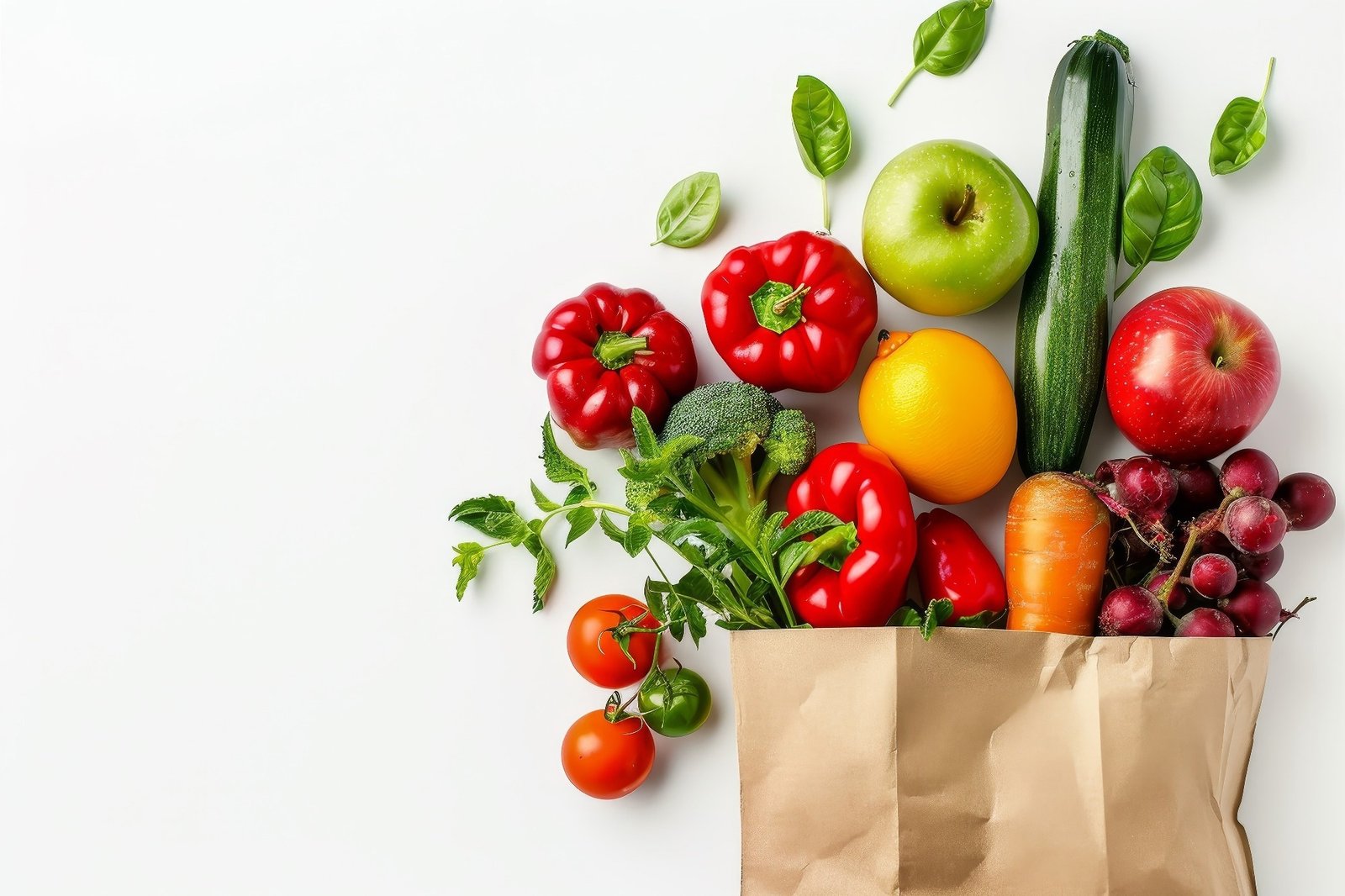
A vegetarian diet is a dietary pattern that generally focuses on the highest intake of vegetables, fruits, fruits and legumes, while restricting or blocking meat. On the contrary, the western diet is characterized by high intake of refined granules, processed foods, red meat and sugary drinks.

High intake of fruits and vegetables leads to increased exposure to plant manufacturers with anti -cancer effects. In addition, excluding meat intake in a vegetarian diet reduces the risk of obesity, which has been linked to many types of cancer. Although the association between vegetarian eating habits and cancers in various physical areas remained controversial, few strong bonds were created. For example, both processed and unprocessed red meat consumption has been linked to an increased risk of colon cancer.

Previous publications by the group behind this study showed a protective correlation between a vegetarian diet and common cancers, such as colon, breast and prostate. However, more studies are needed to connect a vegetarian diet with less common types of cancer.

For the study

The current study examined the Adventist Health Study-2 (AHS-2) team to investigate the correlation between a vegetarian dietary pattern and less common cancers. This study focuses on building knowledge of the benefits of vegetarian diet in a wider range of cancer types.

The AHS-2 team recruited participants from the United States and Canada between 2002 and 2007. Of the 95,863 participants, about 26,000 were black, which allowed scientists to focus on this group of minorities. The participants were examined on the basis of the eligibility criteria and the availability of full data related to this study.

All participants completed a comprehensive questionnaire about their dietary standards and were divided into different groups based on their answers. Participants were commissioned to one of the following groups: vegans, lacquer-oo-grass, pesco-vegetarians, semi-grass or non-vegetarians.

Participants who avoided all animal products were included in the Vegan group, while those who avoided all flesh foods (meat or fish) but consumed eggs and dairy products were assigned to the Lacto -vo-Vegetarive team. Similarly, Pesco-Vegetarians were defined as a lacquer-ootogy who also consumed fish at least once a month, while semi-grass eating non-fish foods rarely (at least once a month, but less than once a week).

The authors corresponded to the AHS-2 data in all United States Cancer Registers, except for Maine and three Canadian provincial registries to identify new cancer diagnoses. For each area of cancer, the participants were layered for age, gender, education and past and present cancer control habits.

Study findings

A total of 79,468 participants met the eligibility criteria, including 26% black and 65% female participants. The current study allowed an average of 7.9 years of follow -up per participant. The method of marginal standardization was used to compare vegetarians with non -vegetarian participants, after adaptation for age, sex and race.

In addition to the family history of breast cancer, the study attended significant differences within the groups. For example, a higher proportion of vegetarians were older, less likely to use contraceptives, were less likely to undergo replacement of postmenopausal hormone, breastfeeding infants a little more and were more educated.

The current study showed differences between vegetarians and non -vegetarians were close to zero or favored vegetarians for all types of cancer, except perhaps myeloma. Compared to the adventist’s non -vegetarians, all vegetarian diets have been associated with reduced risk of both total (risk ratio [HR]: 0.88) and medium frequency cancers (HR: 0.82).

The authors noted that the adjustment for the Body Mass Index (BMI) slightly weakened these protective compounds, suggesting that the lower body weight between the vegetarians was partially mediated. It is noteworthy that even non -vegetarian adventists in the study are a health consciousness group, consuming fewer meats and alcohol than the general population, which may mean that the protective effects of vegetarian diets could be even more intense than a formal diet.

Different vegetarian diets have been shown to affect independent specific types of cancer. For example, a Vegan diet was associated with a lower incidence of breast and prostate cancer at younger ages, although the protective compound for prostate cancer was not observed in elderly men. PESCO-VEGETARIANS runs a lower risk of colon cancer (a finding also important for all vegetarians, HR: 0.79) and breast cancer at older ages.

A significantly lower risk for lymphopolis cancers (including lymphomas) was observed in vegetarians (HR: 0.75), with lact-oo-grass and, in certain age groups, vegans that have a lower risk.

The risk of stomach cancer was significantly lower among all vegetarians in combination (HR: 0.55), with the paper noting that this was also observed in pit-oh-octopuses. Some of these findings related to specific locations were based on relatively small numbers and must be carefully interpreted. Further research is needed to determine if a vegetarian diet affects the risk of pancreatic, lungs and ovarian cancers.

Conclusions

The current study underlined the benefits of a vegetarian diet to reduce the risk of many cancers. No evidence has shown that a vegetarian dietary standard increases the risk of any cancer.

The authors mentioned several restrictions on the current study. For example, a relatively small number of less common cancers could be linked to vegans and pesco-vegetarians. The authors also noted that nutritional information was collected only at the beginning of the study and not during the follow -up period. Future studies must interpret the findings of the current study, taking into account the particular racial mixture of the AHS-2 cog.

Magazine report:

  • Fraser, Ge et al. The longitudinal correlations between the vegetarian dietary habits and the cancer-specific site in the North America Adventist Health-2 study. American Journal of Clinical Nutrition. 122 (2). pp. 535 – 543, DOI: 10.1016/J.Ajcnut.2025.06.006,
cancers Common develop finds Rare study Vegetarians
bhanuprakash.cg
healthtost
  • Website

Related Posts

Multi-institutional trial explores new lifeline for advanced prostate patients

May 15, 2026

ExiVex reports human pharmacokinetic data showing that intranasal naloxone EMRX-101 approaches peak plasma concentrations similar to IV with a significantly faster Tmax than the currently approved comparator

May 15, 2026

Perioperative medicine is emerging as a system-wide strategy for better surgical outcomes

May 14, 2026

Leave A Reply Cancel Reply

Don't Miss
Nutrition

How to be more human

By healthtostMay 15, 20260

Where has our humanity gone? Locked in our homes for two years, glued to our…

What are they trying to tell us and how to overcome them

May 15, 2026

Multi-institutional trial explores new lifeline for advanced prostate patients

May 15, 2026

I didn’t sleep so well. Should I still exercise? | The Wellness Blog

May 15, 2026
Stay In Touch
  • Facebook
  • Twitter
  • Pinterest
  • Instagram
  • YouTube
  • Vimeo
TAGS
Baby benefits body brain cancer care Day Diet disease exercise finds Fitness food Guide health healthy heart Improve Life Loss Men mental Natural Nutrition Patients Pregnancy research reveals risk routine sex sexual Skin Skincare study Therapy Tips Top Training Treatment Understanding ways weight women Workout
About Us
About Us

Welcome to HealthTost, your trusted source for breaking health news, expert insights, and wellness inspiration. At HealthTost, we are committed to delivering accurate, timely, and empowering information to help you make informed decisions about your health and well-being.

Latest Articles

How to be more human

May 15, 2026

What are they trying to tell us and how to overcome them

May 15, 2026

Multi-institutional trial explores new lifeline for advanced prostate patients

May 15, 2026
New Comments
    Facebook X (Twitter) Instagram Pinterest
    • About Us
    • Contact Us
    • Privacy Policy
    • Terms and Conditions
    • Disclaimer
    © 2026 HealthTost. All Rights Reserved.

    Type above and press Enter to search. Press Esc to cancel.