

Close Menu
Healthtost
  • News
  • Mental Health
  • Men’s Health
  • Women’s Health
  • Skin Care
  • Sexual Health
  • Pregnancy
  • Nutrition
  • Fitness
  • Recommended Essentials
What's Hot

Global childhood immunization rates stagnate despite slight recovery from pandemic

July 15, 2026

Is it okay to be imperfect and still be happy? 6 Challenges

July 15, 2026

Sexual evolution: What 500 million years of life tell us about sex, gender and mating

July 15, 2026
Facebook X (Twitter) Instagram
  • About Us
  • Contact Us
  • Privacy Policy
  • Terms and Conditions
  • Disclaimer
Facebook X (Twitter) Instagram
Healthtost
SUBSCRIBE
  • News

    Global childhood immunization rates stagnate despite slight recovery from pandemic

    July 15, 2026

    Weight loss and anti-inflammatory drugs combine to fight leukemia

    July 14, 2026

    Unreliable datasets shape clinical prediction models

    July 14, 2026

    Bariatric surgery is safe, effective for obese teenagers and young adults

    July 13, 2026

    Engineered ribozyme repairs broken RNA to explain origin of life

    July 13, 2026
  • Mental Health

    Is it okay to be imperfect and still be happy? 6 Challenges

    July 15, 2026

    How can you be tired but wired? Blame it on your stone age brain

    July 12, 2026

    Almost 20% of new mums have anxiety or depression, but a promising psychedelic treatment is on the horizon

    July 7, 2026

    How can ART help us improve our mental health? With 3 Ways

    July 5, 2026

    How much do friends affect the mental health of teenagers? What a new study can (and can’t) tell us

    July 3, 2026
  • Men’s Health

    Sexual evolution: What 500 million years of life tell us about sex, gender and mating

    July 15, 2026

    Low testosterone or just stress? How to tell the difference

    July 11, 2026

    Gut-friendly diet linked to lower risk of coronary heart disease mortality

    July 9, 2026

    Men don’t just avoid their health. Many lose themselves.

    July 8, 2026

    The Crazy Hard Standards of the Hardest PE Program in History

    July 8, 2026
  • Women’s Health

    I tried to hide my hemiparesis

    July 15, 2026

    Kyoto recap, bamboo forest and monkey park

    July 13, 2026

    Menopause and Your Microbiome: How Gut Health Shapes Weight, Mood, and Hormones

    July 11, 2026

    They heard us. Now will they listen?

    July 11, 2026

    Taite Heller on Why Barre Became a Top-5 Fitness Trend

    July 8, 2026
  • Skin Care

    How to use nature’s retinol: Bakuchiol in your beauty routine

    July 13, 2026

    How our natural hair care achieves salon-level results without silicones

    July 11, 2026

    Coconut Allergy and Skin Care: 20 Questions Finally Answered by a Pharmacist

    July 11, 2026

    New Sunscreen Ingredient: Is This The SPF Upgrade We’ve Been Waiting For?

    July 9, 2026

    How to achieve the perfect tan

    July 8, 2026
  • Sexual Health

    Celebrating 30 years of Sex Sense

    July 15, 2026

    STDs in older adults are on the rise—up to seven times higher than in 2012

    July 13, 2026

    Fildena 150 Benefits | Effective ED & Sexual Performance Treatment

    July 11, 2026

    Painful sex after menopause: When is it time to seek treatment?

    July 11, 2026

    Emotional capitalism and artificial intimacy

    July 10, 2026
  • Pregnancy

    Exercise Wall Angels During Pregnancy: A Step-by-Step Guide

    July 15, 2026

    Breech VBAC (Vaginal Birth after Caesarean Section) Birth Story

    July 13, 2026

    How baby showers have changed throughout history

    July 13, 2026

    Calf Raises During Pregnancy: Step-by-Step Guide and Benefits

    July 8, 2026

    Tri-Tri Triplet Pregnancy with Vaginal Birth Story – The Birth Hour Triplet Pregnancy and Vaginal Birth Story with Ashlie Holladay

    July 7, 2026
  • Nutrition

    Chocolate Cherry Chia Pudding: Easy Vegan Recovery Snack

    July 14, 2026

    The Cholesterol Question: A Breakthrough Victory for Keto and Cognitive Health

    July 14, 2026

    15 No-Cook Dinners for Kids (Because It’s Too Hot to Turn on the Oven)

    July 12, 2026

    30 Minute Chicken Pesto Pasta (Dietist Approved)

    July 11, 2026

    5 Easy High Fiber Bowl Recipes

    July 8, 2026
  • Fitness

    How to Choose a Fitness Certification on a Budget

    July 14, 2026

    Meet the Belle Vitale™ Supplement System: Two Formulas. A comprehensive approach to hormone health.

    July 11, 2026

    where we ate in Tokyo (and gluten-free options!)

    July 9, 2026

    Using External Signaling to Improve Linear Acceleration – Tony Gentilcore

    July 8, 2026

    5 Simple Screen Changes That Can Improve Sleep and Focus

    July 7, 2026
  • Recommended Essentials
Healthtost
Home»News»New CRISPR technique enhances mitochondrial function to treat heart failure
News

New CRISPR technique enhances mitochondrial function to treat heart failure

healthtostBy healthtostMarch 9, 2026No Comments3 Mins Read
Facebook Twitter Pinterest LinkedIn Tumblr Reddit WhatsApp Email
New Crispr Technique Enhances Mitochondrial Function To Treat Heart Failure
Share
Facebook Twitter LinkedIn Pinterest WhatsApp Email

After a heart attack, the heart struggles to regain and maintain energy. One-third of patients develop heart failure as a result ⎯ a condition that affects 6.8 million Americans and carries a high lifetime risk, with 1 in 4 US adults expected to develop the condition in their lifetime. This makes finding a lasting cure a medical priority.

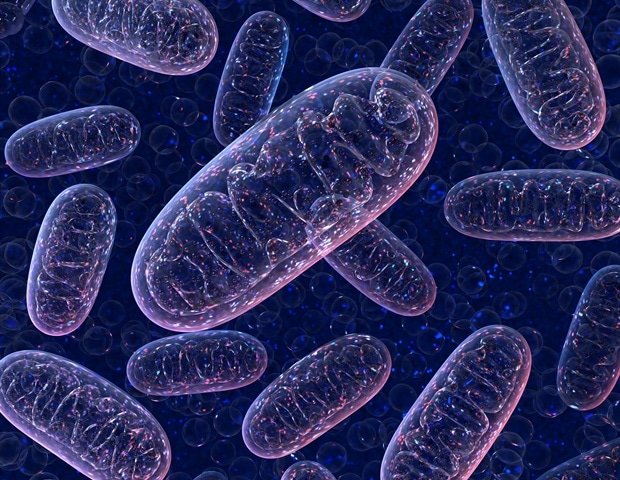
Because heart failure is basically an energy crisis for the heart, mitochondria, the organelles that live inside most cells and produce the energy cells need to function, could be a critical ally in recovery. Using a CRISPR-based technique, researchers at Rice University and Baylor College of Medicine induced heart cells to increase mitochondrial production to optimal levels, paving the way to a new treatment for heart failure.

Previous research has shown that activating specific genes can increase the number and function of mitochondria. However, older strategies forced cells to overreact, which caused cellular dysfunction. We used a new technique that controls internal regulatory pathways, allowing the cell to safely produce more mitochondria without burning out.”


Mario Escobar, assistant research professor of bioengineering at Rice and first author on a study published in Molecular Therapy

CRISPR, or clustered regularly interspaced short incisor repeats, is a revolutionary gene-editing technology that has made it possible to target and edit specific genes, enabling therapeutic breakthroughs in the treatment of hereditary blindness, muscular dystrophy and, more recently, Huntington’s disease.

The researchers developed a non-editable CRISPR system that specifically regulates gene expression and acts as an “on” switch, prompting the cell to accumulate more mitochondria.

Isaac Hilton, an associate professor of bioengineering at Rice and corresponding author on the study, said “what makes this work powerful is the level of control.”

“Instead of forcing the cell to overproduce a gene, we used CRISPR to induce and regulate its natural regulatory systems in a measured way,” Hilton said. “This allows us to enhance mitochondrial performance while maintaining balance in the cell, which is a key requirement for safe clinical translation.”

When tested on various types of human cells, the system successfully increased production of the regulatory protein, boosting mitochondrial function and cellular energy levels. Importantly, when applied to human cardiomyocytes ⎯ the heart cells responsible for pumping contractions ⎯ the system improved the rate of oxygen consumption, an indicator of improved mitochondrial function. The researchers found similar improvements in mitochondrial function when they tested the system in an animal model as well as adult human heart donor tissue from both normal and diseased hearts.

“These results are promising for the development of future treatments for heart failure and other metabolic diseases,” Escobar said.

Current treatments for heart failure focus on reducing the heart’s energy demand to match the reduced energy supply.

“Conventional approaches can cause additional complications over time because they don’t address the root of the problem,” said Ravi Ghanta, professor of surgery at Baylor and co-corresponding author on the study. “As heart failure is expected to become more prevalent, it is especially important to focus our efforts on developing effective treatment. This work is an important step in that direction.”

The research was supported by Baylor College of Medicine, the American Heart Association (917025, 25TPA1463933, 959536), and the National Institutes of Health (R01HL147921, R15HL168688, R01HL166280, R025G280, R015G, R0150L). The content of this press release is the sole responsibility of the authors and does not necessarily represent the official views of the funding agencies.

Source:

Journal Reference:

Escobar, M., et al. (2026). CRISPR-Cas-based activation of PPARGC1A enhances endogenous mitochondria and enhances cardiac function after myocardial infarction. Molecular Therapy. DOI: 10.1016/j.ymthe.2026.02.027.

CRISPR enhances failure Function heart mitochondrial Technique treat
bhanuprakash.cg
healthtost
  • Website

Related Posts

Global childhood immunization rates stagnate despite slight recovery from pandemic

July 15, 2026

Weight loss and anti-inflammatory drugs combine to fight leukemia

July 14, 2026

Unreliable datasets shape clinical prediction models

July 14, 2026

Leave A Reply Cancel Reply

Don't Miss
News

Global childhood immunization rates stagnate despite slight recovery from pandemic

By healthtostJuly 15, 20260

In 2025, 90% of infants worldwide – or nearly 116 million – received at least…

Is it okay to be imperfect and still be happy? 6 Challenges

July 15, 2026

Sexual evolution: What 500 million years of life tell us about sex, gender and mating

July 15, 2026

I tried to hide my hemiparesis

July 15, 2026
Stay In Touch
  • Facebook
  • Twitter
  • Pinterest
  • Instagram
  • YouTube
  • Vimeo
TAGS
Baby benefits body brain cancer care Day Diet disease exercise finds Fitness food Guide health healthy heart Improve Life Loss Men mental Natural Nutrition Patients People Pregnancy research reveals risk routine sex sexual Skin Skincare study Therapy Tips Top Training Treatment ways weight women Workout
About Us
About Us

Welcome to HealthTost, your trusted source for breaking health news, expert insights, and wellness inspiration. At HealthTost, we are committed to delivering accurate, timely, and empowering information to help you make informed decisions about your health and well-being.

Latest Articles

Global childhood immunization rates stagnate despite slight recovery from pandemic

July 15, 2026

Is it okay to be imperfect and still be happy? 6 Challenges

July 15, 2026

Sexual evolution: What 500 million years of life tell us about sex, gender and mating

July 15, 2026
New Comments
    Facebook X (Twitter) Instagram Pinterest
    • About Us
    • Contact Us
    • Privacy Policy
    • Terms and Conditions
    • Disclaimer
    © 2026 HealthTost. All Rights Reserved.

    Type above and press Enter to search. Press Esc to cancel.