

Close Menu
Healthtost
  • News
  • Mental Health
  • Men’s Health
  • Women’s Health
  • Skin Care
  • Sexual Health
  • Pregnancy
  • Nutrition
  • Fitness
  • Recommended Essentials
What's Hot

If you can still do these 7 things at 60, your body is aging better than most

May 2, 2026

AI scribes save doctors time, but fail to reduce overtime

May 2, 2026

Every mental health journey starts with being seen

May 2, 2026
Facebook X (Twitter) Instagram
  • About Us
  • Contact Us
  • Privacy Policy
  • Terms and Conditions
  • Disclaimer
Facebook X (Twitter) Instagram
Healthtost
SUBSCRIBE
  • News

    AI scribes save doctors time, but fail to reduce overtime

    May 2, 2026

    Identifying the ages at which Alzheimer’s biomarkers change sharply

    May 1, 2026

    Timing of food may shape how T cells respond to infection and therapy

    May 1, 2026

    UCLA researchers build programmable artificial organs using RNA

    April 30, 2026

    Sapio Sciences brings Claude Cowork to the lab

    April 30, 2026
  • Mental Health

    Every mental health journey starts with being seen

    May 2, 2026

    What animal studies teach us about toxic work environments

    April 27, 2026

    I hate hope: How to manage hope when you have treatment-resistant bipolar disorder

    April 19, 2026

    Rose Byrne is raw, magnetic and unfiltered as a woman in crisis

    April 18, 2026

    Can a single mother change her child’s surname in India?

    April 16, 2026
  • Men’s Health

    3 Day Home Workout Plan: Build Muscle and Burn Fat

    April 30, 2026

    GLP-1 drugs promise broader health benefits, but experts advise caution on use

    April 28, 2026

    Trauma patients recover faster when medical teams know each other well, new study finds

    April 28, 2026

    I did red light therapy for 3 months so I shouldn’t have

    April 27, 2026

    Sex Secrets for Men Over 40: Surviving Male Menopause

    April 27, 2026
  • Women’s Health

    What is the difference between UVA and UVB rays?

    May 1, 2026

    Are you a fungus fanatic? We unpack the nutritional trend of mushroom mania

    April 29, 2026

    What the Patients’ Bill of Rights Could Mean for Black Women

    April 29, 2026

    Navigating sexual health during and after cancer

    April 28, 2026

    Do tampons break the hymen? Facts, Myths and What You Need to Know – Vuvatech

    April 27, 2026
  • Skin Care

    The truth about waterless care: What your skin really needs

    May 2, 2026

    What happens to your skin while you sleep? (the science of “Beauty Sle

    May 1, 2026

    Face Peeling Mask Guide: Shine Without Irritation

    April 28, 2026

    Is your moisturizing face mist really drying out your skin?

    April 28, 2026

    Uses and Benefits of TNW Natural Aloe Vera Face Gel – The Natural Wash

    April 27, 2026
  • Sexual Health

    Boost erectile health and confidence

    May 1, 2026

    Judicial Restrictions on Abortion COVID-19 < SRHM

    April 30, 2026

    Can herpes affect fertility?

    April 29, 2026

    The Importance of Personalized Care in Medication Assisted Therapy (MAT) Programs I Novus

    April 28, 2026

    Your favorite mold is lying to you (a little) — Sexual Health Alliance

    April 28, 2026
  • Pregnancy

    5 things you need for the third trimester

    May 1, 2026

    Eating disorders in pregnancy and breastfeeding: Why “healthy eating” is not always easy

    May 1, 2026

    Comprehensive yoga for pregnancy, birth and beyond

    April 29, 2026

    Midwifery and Life – The postnatal health check New mums don’t know they can ask for

    April 28, 2026

    Epidural and unmedicated delivery with two different deliveries

    April 26, 2026
  • Nutrition

    How to create a self-care plan when you’re stressed

    May 1, 2026

    I answer the most HOT Questions about Fatty Liver

    April 29, 2026

    Why You’re Not Losing Weight After 35 (Even When You Eat Less)

    April 28, 2026

    Where to eat in London

    April 27, 2026

    Dr. Will Cole on Why Hire FDN Professionals

    April 26, 2026
  • Fitness

    If you can still do these 7 things at 60, your body is aging better than most

    May 2, 2026

    A Hike Leader’s Must-Have Kit

    April 30, 2026

    Menopausal Hair Loss Solutions: 10 Expert Tips

    April 29, 2026

    Identity Inversion: Part 1 – Ben Greenfield Life

    April 29, 2026

    How to improve accessibility in your gym

    April 28, 2026
  • Recommended Essentials
Healthtost
Home»News»Low oxygen turns red blood cells into powerful glucose sinks
News

Low oxygen turns red blood cells into powerful glucose sinks

healthtostBy healthtostFebruary 20, 2026No Comments4 Mins Read
Facebook Twitter Pinterest LinkedIn Tumblr Reddit WhatsApp Email
Low Oxygen Turns Red Blood Cells Into Powerful Glucose Sinks
Share
Facebook Twitter LinkedIn Pinterest WhatsApp Email

Scientists have long known that people who live at high altitudes, where oxygen levels are low, have lower rates of diabetes than people who live closer to sea level. But the mechanism of this protection remained a mystery.

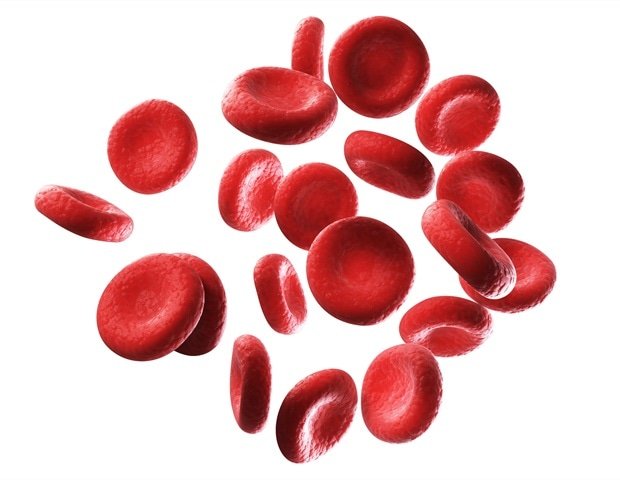
Now, researchers at the Gladstone Institutes have explained the roots of the phenomenon, discovering that red blood cells act as glucose sponges in low-oxygen conditions such as those found on the world’s highest mountain peaks.

In a new study in the journal Cellular Metabolismthe team showed how red blood cells can shift their metabolism to absorb sugar from the bloodstream. At high altitude, this adaptation fuels cells’ ability to more efficiently deliver oxygen to tissues throughout the body, but it also has the beneficial side effect of lowering blood sugar levels.

The findings solve a long-standing puzzle in physiology, says Gladstone researcher Isha Jain, PhD, the study’s senior author.

Red blood cells represent a hidden compartment of glucose metabolism that has not been appreciated until now. This discovery could open up entirely new ways of thinking about blood sugar control.”

Isha Jain, PhD, principal investigator at the Arc Institute and professor of biochemistry, UC San Francisco

The hidden glucose sink

Jain has spent years researching how low blood oxygen levels, called hypoxia, affect health and metabolism. During a previous study, her team noticed that mice breathing low-oxygen air had dramatically lower blood glucose levels than normal. This meant that the animals quickly consumed glucose after eating – a sign of lower diabetes risk. But when the researchers used imaging to track where the glucose was going, the main organs couldn’t account for it.

“When we gave the hypoxic mice sugar, it disappeared from their blood almost immediately,” says Yolanda Martí-Mateos, PhD, a postdoctoral fellow in Jain’s lab and first author of the new study. “We looked at muscle, brain, liver—all the usual suspects—but nothing in those organs could explain what was going on.”

Using another imaging technique, the team revealed that red blood cells were the missing ‘glucose sink’ – a term used to describe anything that pulls and uses a lot of glucose from the bloodstream. Cells, long considered metabolically simple, seemed unlikely candidates.

But further experiments in mice confirmed that red blood cells did indeed absorb glucose. In low-oxygen conditions, the mice not only produced significantly more red blood cells, but each cell took up more glucose than red blood cells produced under normal oxygen.

To understand the molecular mechanisms behind this observation, Jain’s team collaborated with Angelo D’Alessandro, PhD, of the University of Colorado Anschutz Medical Campus, and Allan Doctor, MD, of the University of Maryland. who has long studied the function of red blood cells.

The researchers showed how, in low-oxygen conditions, glucose is used by red blood cells to produce a molecule that helps cells release oxygen to tissues – something that is desperately needed when oxygen is scarce.

“What surprised me the most was the magnitude of the effect,” says D’Alessandro. “Red blood cells are usually thought of as passive oxygen carriers. However, we discovered that they can account for a significant fraction of whole-body glucose consumption, especially in hypoxia.”

A new way to treat diabetes

The scientists went on to show that the benefits of chronic hypoxia persisted for weeks to months after the mice were returned to normal oxygen levels.

They also tested HypoxyStat, a drug recently developed in Jain’s lab to mimic the effects of low-oxygen air. HypoxyStat is a pill that works by making the hemoglobin in red blood cells grip oxygen more tightly, preventing it from reaching the tissues. The drug completely reversed high blood sugar in mouse models of diabetes, working even better than existing drugs.

“This is one of the first uses of HypoxyStat beyond mitochondrial disease,” says Jain. “It opens the door to thinking about treating diabetes in a fundamentally different way—by recruiting red blood cells as glucose drops.”

The findings could be extended beyond diabetes to exercise physiology or pathological hypoxia after traumatic injury, notes D’Alessandro, where trauma remains a leading cause of mortality in younger populations and changes in red blood cell levels and metabolism can affect glucose availability and muscle performance.

“This is just the beginning,” says Jain. “There is still so much to learn about how the whole body adapts to changes in oxygen and how we might harness these mechanisms to treat a range of conditions.”

Source:

Journal Reference:

Martí-Mateos, Y., et al. (2026). Red blood cells serve as primary glucose sinks to improve glucose tolerance at altitude. Cellular Metabolism. DOI: 10.1016/j.cmet.2026.01.019.

blood cells glucose oxygen powerful red sinks turns
bhanuprakash.cg
healthtost
  • Website

Related Posts

AI scribes save doctors time, but fail to reduce overtime

May 2, 2026

Identifying the ages at which Alzheimer’s biomarkers change sharply

May 1, 2026

Timing of food may shape how T cells respond to infection and therapy

May 1, 2026

Leave A Reply Cancel Reply

Don't Miss
Fitness

If you can still do these 7 things at 60, your body is aging better than most

By healthtostMay 2, 20260

Aging has a way of slowing down your body. It can affect your muscles, strength…

AI scribes save doctors time, but fail to reduce overtime

May 2, 2026

Every mental health journey starts with being seen

May 2, 2026

The truth about waterless care: What your skin really needs

May 2, 2026
Stay In Touch
  • Facebook
  • Twitter
  • Pinterest
  • Instagram
  • YouTube
  • Vimeo
TAGS
Baby benefits body brain cancer care Day Diet disease exercise finds Fitness food Guide health healthy heart Improve Life Loss Men mental Natural Nutrition Patients Pregnancy protein research reveals risk routine sex sexual Skin Skincare study Therapy Tips Top Training Treatment ways weight women Workout
About Us
About Us

Welcome to HealthTost, your trusted source for breaking health news, expert insights, and wellness inspiration. At HealthTost, we are committed to delivering accurate, timely, and empowering information to help you make informed decisions about your health and well-being.

Latest Articles

If you can still do these 7 things at 60, your body is aging better than most

May 2, 2026

AI scribes save doctors time, but fail to reduce overtime

May 2, 2026

Every mental health journey starts with being seen

May 2, 2026
New Comments
    Facebook X (Twitter) Instagram Pinterest
    • About Us
    • Contact Us
    • Privacy Policy
    • Terms and Conditions
    • Disclaimer
    © 2026 HealthTost. All Rights Reserved.

    Type above and press Enter to search. Press Esc to cancel.