

Close Menu
Healthtost
  • News
  • Mental Health
  • Men’s Health
  • Women’s Health
  • Skin Care
  • Sexual Health
  • Pregnancy
  • Nutrition
  • Fitness
  • Recommended Essentials
What's Hot

Sexual evolution: What 500 million years of life tell us about sex, gender and mating

July 15, 2026

I tried to hide my hemiparesis

July 15, 2026

Celebrating 30 years of Sex Sense

July 15, 2026
Facebook X (Twitter) Instagram
  • About Us
  • Contact Us
  • Privacy Policy
  • Terms and Conditions
  • Disclaimer
Facebook X (Twitter) Instagram
Healthtost
SUBSCRIBE
  • News

    Weight loss and anti-inflammatory drugs combine to fight leukemia

    July 14, 2026

    Unreliable datasets shape clinical prediction models

    July 14, 2026

    Bariatric surgery is safe, effective for obese teenagers and young adults

    July 13, 2026

    Engineered ribozyme repairs broken RNA to explain origin of life

    July 13, 2026

    Blue LED lights help chemists create complex drug molecules

    July 12, 2026
  • Mental Health

    How can you be tired but wired? Blame it on your stone age brain

    July 12, 2026

    Almost 20% of new mums have anxiety or depression, but a promising psychedelic treatment is on the horizon

    July 7, 2026

    How can ART help us improve our mental health? With 3 Ways

    July 5, 2026

    How much do friends affect the mental health of teenagers? What a new study can (and can’t) tell us

    July 3, 2026

    What happens in your blood when you are stressed? We put it to the test

    June 28, 2026
  • Men’s Health

    Sexual evolution: What 500 million years of life tell us about sex, gender and mating

    July 15, 2026

    Low testosterone or just stress? How to tell the difference

    July 11, 2026

    Gut-friendly diet linked to lower risk of coronary heart disease mortality

    July 9, 2026

    Men don’t just avoid their health. Many lose themselves.

    July 8, 2026

    The Crazy Hard Standards of the Hardest PE Program in History

    July 8, 2026
  • Women’s Health

    I tried to hide my hemiparesis

    July 15, 2026

    Kyoto recap, bamboo forest and monkey park

    July 13, 2026

    Menopause and Your Microbiome: How Gut Health Shapes Weight, Mood, and Hormones

    July 11, 2026

    They heard us. Now will they listen?

    July 11, 2026

    Taite Heller on Why Barre Became a Top-5 Fitness Trend

    July 8, 2026
  • Skin Care

    How to use nature’s retinol: Bakuchiol in your beauty routine

    July 13, 2026

    How our natural hair care achieves salon-level results without silicones

    July 11, 2026

    Coconut Allergy and Skin Care: 20 Questions Finally Answered by a Pharmacist

    July 11, 2026

    New Sunscreen Ingredient: Is This The SPF Upgrade We’ve Been Waiting For?

    July 9, 2026

    How to achieve the perfect tan

    July 8, 2026
  • Sexual Health

    Celebrating 30 years of Sex Sense

    July 15, 2026

    STDs in older adults are on the rise—up to seven times higher than in 2012

    July 13, 2026

    Fildena 150 Benefits | Effective ED & Sexual Performance Treatment

    July 11, 2026

    Painful sex after menopause: When is it time to seek treatment?

    July 11, 2026

    Emotional capitalism and artificial intimacy

    July 10, 2026
  • Pregnancy

    Exercise Wall Angels During Pregnancy: A Step-by-Step Guide

    July 15, 2026

    Breech VBAC (Vaginal Birth after Caesarean Section) Birth Story

    July 13, 2026

    How baby showers have changed throughout history

    July 13, 2026

    Calf Raises During Pregnancy: Step-by-Step Guide and Benefits

    July 8, 2026

    Tri-Tri Triplet Pregnancy with Vaginal Birth Story – The Birth Hour Triplet Pregnancy and Vaginal Birth Story with Ashlie Holladay

    July 7, 2026
  • Nutrition

    Chocolate Cherry Chia Pudding: Easy Vegan Recovery Snack

    July 14, 2026

    The Cholesterol Question: A Breakthrough Victory for Keto and Cognitive Health

    July 14, 2026

    15 No-Cook Dinners for Kids (Because It’s Too Hot to Turn on the Oven)

    July 12, 2026

    30 Minute Chicken Pesto Pasta (Dietist Approved)

    July 11, 2026

    5 Easy High Fiber Bowl Recipes

    July 8, 2026
  • Fitness

    How to Choose a Fitness Certification on a Budget

    July 14, 2026

    Meet the Belle Vitale™ Supplement System: Two Formulas. A comprehensive approach to hormone health.

    July 11, 2026

    where we ate in Tokyo (and gluten-free options!)

    July 9, 2026

    Using External Signaling to Improve Linear Acceleration – Tony Gentilcore

    July 8, 2026

    5 Simple Screen Changes That Can Improve Sleep and Focus

    July 7, 2026
  • Recommended Essentials
Healthtost
Home»News»Highly processed foods linked to behavior problems in preschool children
News

Highly processed foods linked to behavior problems in preschool children

healthtostBy healthtostMarch 4, 2026No Comments4 Mins Read
Facebook Twitter Pinterest LinkedIn Tumblr Reddit WhatsApp Email
Highly Processed Foods Linked To Behavior Problems In Preschool Children
Share
Facebook Twitter LinkedIn Pinterest WhatsApp Email

A team led by researchers at the University of Toronto found an association between highly processed foods in early childhood and behavioral and emotional development.

Specifically, the team found that higher consumption of highly processed foods is associated with behavioral and emotional difficulties, such as anxiety, fear, aggression or hyperactivity.

The preschool years are critical for child development and are also when children begin to establish eating habits.”

Kozeta Miliku, principal investigator on the study and assistant professor of nutritional sciences, U of T’s Temerty Faculty of Medicine

“Our findings highlight the need for early life interventions, such as professional counseling for parents and caregivers, as well as public health campaigns, dietary standards for child care providers, and reformulation of some packaged foods,” Miliku said.

This study, published in JAMA Network Openis the first to examine ultra-processed food consumption and standardized behavioral assessments in children using detailed, prospective data. It is also one of the largest ever on early childhood behavior and mental health.

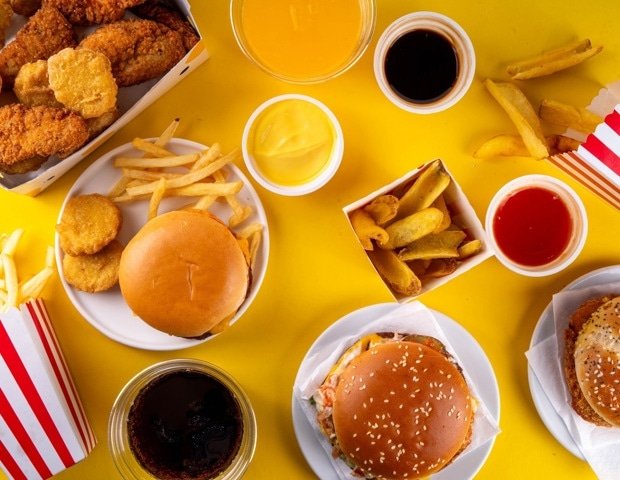
Highly processed foods are industrial concoctions made largely from refined ingredients and additives not commonly used in home cooking. In Canada, they make up almost half of preschool children’s caloric intake.

The researchers drew information from the CHILD Cohort Study, a longitudinal population-based study that recruited pregnant women between 2009 and 2012 and followed their children from before birth to adolescence at four sites across Canada.

Researchers looked at dietary data from more than 2,000 three-year-olds. Two years later, when the children were five, the team assessed the preschoolers’ scores on the validated Child Behavior Checklist, a widely used measure of emotional and behavioral well-being in children.

The research team — which included first authors Meaghan Kavanagh (a postdoctoral fellow) and Zheng Hao Chen (a doctoral student in Miliku’s lab) — found that for every 10 percent increase in calories from ultra-processed foods, children had higher scores on measures of internalizing behaviors (such as anxiety and hyperactivity, hyperactivity and fearfulness). behavioral difficulties.

Higher scores indicate more reported behavioral challenges.

Certain categories of highly processed foods showed stronger associations, particularly sugar-sweetened beverages and artificially sweetened beverages. Ready-to-eat and ready-to-heat foods such as French fries or macaroni and cheese were associated with higher scores.

In statistical models simulating dietary change, replacing 10 percent of energy from highly processed foods with minimally processed foods, such as fruits, vegetables and other whole foods, was associated with lower behavior scores.

Miliku, who is also a researcher at U of T’s Joannah & Brian Lawson Center for Child Nutrition, said the findings show that making even a few changes can make a difference in supporting healthier development.

“Our findings suggest that even modest shifts toward minimally processed foods, such as whole fruits and vegetables, in early childhood may support healthier behavioral and emotional development,” he said.

Miliku’s interest in the subject was sparked by daily observations as a parent.

“As a parent of a young child, I began to notice how often convenience foods appear in children’s diets, sometimes even in what we consider healthy environments,” she said.

A growing body of evidence links highly processed foods to increased risks of obesity and cardiometabolic disease in adults and children. Previous research has also suggested associations between these foods and negative behaviors and mental health outcomes in adolescents and adults.

“Parents are doing their best, and not all families have access to single-ingredient foods or the tools and time to incorporate them into their families’ diets,” Miliku said.

“Highly processed foods are widely available, affordable and convenient,” he added. “It’s important to look at how we can gradually increase whole and minimally processed options when possible.”

Miliku said even small changes, such as adding a piece of fruit or replacing a sugary drink with water, can support children’s emotional and behavioral development over time.

“The goal is to provide evidence that can help families make informed choices,” he said.

This study was funded by the Canadian Institutes of Health Research and a Temerty School of Medicine Pathway Grant.

Source:

Journal Reference:

Cavanagh, I, et al. (2026). Ultra-processed food consumption and behavioral outcomes in Canadian children. JAMA Network Open. DOI: 10.1001/jamanetworkopen.2026.0434.

behavior children foods Highly linked preschool problems processed
bhanuprakash.cg
healthtost
  • Website

Related Posts

Weight loss and anti-inflammatory drugs combine to fight leukemia

July 14, 2026

Unreliable datasets shape clinical prediction models

July 14, 2026

Bariatric surgery is safe, effective for obese teenagers and young adults

July 13, 2026

Leave A Reply Cancel Reply

Don't Miss
Men's Health

Sexual evolution: What 500 million years of life tell us about sex, gender and mating

By healthtostJuly 15, 20260

Heated arguments about sexuality and gender are everywhere these days. As an evolutionarily trained clinician…

I tried to hide my hemiparesis

July 15, 2026

Celebrating 30 years of Sex Sense

July 15, 2026

Exercise Wall Angels During Pregnancy: A Step-by-Step Guide

July 15, 2026
Stay In Touch
  • Facebook
  • Twitter
  • Pinterest
  • Instagram
  • YouTube
  • Vimeo
TAGS
Baby benefits body brain cancer care Day Diet disease exercise finds Fitness food Guide health healthy heart Improve Life Loss Men mental Natural Nutrition Patients People Pregnancy research reveals risk routine sex sexual Skin Skincare study Therapy Tips Top Training Treatment ways weight women Workout
About Us
About Us

Welcome to HealthTost, your trusted source for breaking health news, expert insights, and wellness inspiration. At HealthTost, we are committed to delivering accurate, timely, and empowering information to help you make informed decisions about your health and well-being.

Latest Articles

Sexual evolution: What 500 million years of life tell us about sex, gender and mating

July 15, 2026

I tried to hide my hemiparesis

July 15, 2026

Celebrating 30 years of Sex Sense

July 15, 2026
New Comments
    Facebook X (Twitter) Instagram Pinterest
    • About Us
    • Contact Us
    • Privacy Policy
    • Terms and Conditions
    • Disclaimer
    © 2026 HealthTost. All Rights Reserved.

    Type above and press Enter to search. Press Esc to cancel.