


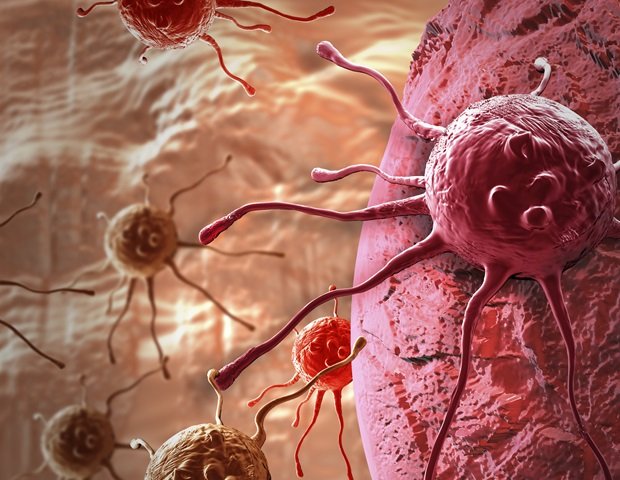
Stomach cancer remains a formidable opponent, ranking as the fifth most common cancer and the third leading cause of cancer-related deaths worldwide, with over 1,000,000 new cases and nearly 770,000 deaths each year. In Singapore, stomach cancer ranks among the top 10 causes of cancer-related deaths, claiming about 300 lives each year.
The peritoneum, the lining of the abdominal cavity, is often involved in advanced cancers, including stomach, colon, pancreatic, and ovarian cancers. For stomach cancer, the peritoneum is actually the most common site of metastasis, both before and after treatments. Patients with gastric cancer peritoneal metastases (GCPM) often face an extremely bleak prognosis, with severe symptoms and rapid disease progression. Average survival rates range from just three to six months, and five-year survival rates are usually under five percent. Treatment options are currently limited.
In a major breakthrough, Singaporean clinicians and scientists have shed light on the complex mechanisms behind the spread of gastric cancer to the peritoneum. This landmark research, published in the prestigious journal Gastroenterologyoffers renewed hope to patients battling this aggressive form of cancer. The scientists also conducted a clinical trial, published in another ESMO Open journal, demonstrating the safety and potential of a new treatment approach for the disease.
The research study, led by a team of clinicians and scientists from the National University Hospital (NUH), National University Cancer Institute Singapore (NCIS), Yong Loo Lin School of Medicine, National University of Singapore (NUS Medicine). The National Cancer Center Singapore (NCCS) and Duke-NUS Medical School used advanced genomic and transcriptional technologies to analyze a huge collection of patient samples.
This in-depth analysis provided an unparalleled understanding of the molecular substrates of gastric cancer peritoneal spread.
Dr. Raghav Sundar, Senior Consultant in the Division of Hematology-Oncology at NCIS, who led the study published in Gastroenterologyemphasized: “Our research has pulled back the curtain on the complex biological processes that drive the spread of gastric cancer to the peritoneum. These findings provide a critical roadmap for developing more effective and targeted therapies for this devastating disease.” Dr Sundar is also an Associate Professor of Medicine at NUS Medicine.
Understanding the difficult terrain of peritoneal dissemination
The new findings not only shed light on why gastric cancer cells tend to metastasize to the peritoneum, but also pave the way for the development of innovative therapies that target the cells and molecules that surround the tumor – also known as the tumor microenvironment (TME). . potentially disrupting the cancer’s ability to thrive in the peritoneum. Key research findings include:-
- Unraveling the peritoneal connection: Research has identified specific genetic alterations and features within the TME that contribute to the spread or metastasis of gastric cancer to the peritoneum. The TME is the complex network of cells and molecules that surrounds a tumor. This discovery explains why stomach cancer cells have a tendency to spread to the peritoneum.
- The central role of the tumor microenvironment: The study highlights the critical role of the TME in facilitating the establishment and growth of peritoneal metastases. This new understanding paves the way for the development of innovative therapies that target the TME, potentially disrupting the ability of cancer to thrive in the peritoneum.
- Identification of biomarkers and therapeutic targets: Researchers successfully identified potential biomarkers that could predict the risk of peritoneal metastasis, allowing early detection and intervention. In addition, they revealed new therapeutic targets that could be exploited to develop more effective treatments specific to GCPM.
Prior to our study, there was limited understanding of the tumor microenvironment that contributes to the spread of gastric cancer to the peritoneum. However, most cancer patients do not die from their primary tumor but from its metastases in other organs. Our results highlight the complexity of gastric cancer metastases, revealing that gastric tumors can use different genetic and molecular mechanisms to spread to different organs.”
Professor Patrick Tan, Senior Vice-Chancellor for Research at Duke-NUS and one of the senior authors of the study
Promising clinical trial
In a parallel development, the same research team conducted a clinical trial that demonstrated the safety and potential efficacy of a novel therapeutic approach for GCPM. The Phase I PIANO trial, published in ESMO Open, combined a minimally invasive surgical technique called Hyperpressure Intraperitoneal Aerosol Chemotherapy (PIPAC) with systemic immunotherapy. PIPAC delivers chemotherapy directly into the peritoneal cavity as a fine mist, while immunotherapy helps the body’s immune system recognize and attack cancer cells.
This innovative approach aims to enhance the immune system’s ability to fight cancer within the peritoneal cavity. The results of the trial were promising, showing that the combination therapy was well tolerated by patients and resulted in a reduction in tumor burden for some. Importantly, molecular profiling of tumor samples revealed an increase in T-cell infiltration, a sign of a positive immune response against cancer.
The trial was conducted from June 2020 to November 2022 with 18 patients recruited at three cancer centers—two centers in Singapore and one in Belgium.
“The results of the PIANO trial are incredibly encouraging, demonstrating the potential of combining a targeted therapy such as PIPAC with immunotherapy to improve patient outcomes,” said Professor Jimmy So, Senior Consultant and Head of the Division of General Surgery (Upper Gastrointestinal Surgery) at NUH. who led the PIANO trial. “This approach could revolutionize the treatment landscape for this challenging condition.” Professor So is also Head & Senior Consultant, Division of Surgical Oncology, at NCIS, and Professor of Surgery at NUS Medicine.
Paving the way forward
The combined research efforts mark a major leap forward in the fight against GCPM. The identification of predictive biomarkers and therapeutic targets could lead to the development of personalized therapeutic strategies, tailoring treatments to the unique molecular profile of each patient’s tumor. The success of the PIANO trial heralds a new era of combination therapies that harness the power of the immune system to fight peritoneal metastases.
“Our research brought together leaders from many institutions that treat and diagnose gastric cancer and clinical scientists who study the disease,” said Associate Professor Johnny Ong, Senior Consultant in the Division of Sarcoma, Peritoneum and Rare Tumors, Department of Surgery and Surgical Oncology. , at Singapore General Hospital and co-author NCCS Gastroenterology study and co-investigator of the PIANO trial. “By combining bench and bedside research, we have shed new light on the biology of gastric cancer that will pave the way for much-needed therapeutics in patients with peritoneal metastases.”
The studies are supported by the Singapore Gastric Cancer Consortium, a national translational research group comprising clinicians and scientists working on gastric cancer research from academic medical centres, universities, hospitals and research institutions across Singapore. He receives funding from the National Research Foundation of Singapore under the Open Fund-Major Collaboration Grant, administered by the National Medical Research Council, Ministry of Health, Singapore.
Source:
Journal Reference:
Zhao, JJ, et al. (2024) Spatially resolved microenvironmental site and volume alterations in gastric cancer peritoneal metastases. Gastroenterology. doi.org/10.1053/j.gastro.2024.08.007.
