

Close Menu
Healthtost
  • News
  • Mental Health
  • Men’s Health
  • Women’s Health
  • Skin Care
  • Sexual Health
  • Pregnancy
  • Nutrition
  • Fitness
  • Recommended Essentials
What's Hot

Brain-Gut Health Initiative supports AI-assisted diagnosis of psychiatric disorders

April 25, 2026

Yeong Kim (Rian) – The Structural Elegance of Intellect and Honor

April 25, 2026

Researchers identify new genetic links to Hyperemesis Gravidarum

April 25, 2026
Facebook X (Twitter) Instagram
  • About Us
  • Contact Us
  • Privacy Policy
  • Terms and Conditions
  • Disclaimer
Facebook X (Twitter) Instagram
Healthtost
SUBSCRIBE
  • News

    Brain-Gut Health Initiative supports AI-assisted diagnosis of psychiatric disorders

    April 25, 2026

    Researchers uncover new mechanism linking metabolism, immunity and skeletal health

    April 25, 2026

    Genetic research identifies rare DNA changes that cause common heart valve damage

    April 24, 2026

    Air quality in infancy may fundamentally shape long-term immune development

    April 24, 2026

    The endoscopic procedure may prevent weight regain after stopping GLP-1

    April 23, 2026
  • Mental Health

    I hate hope: How to manage hope when you have treatment-resistant bipolar disorder

    April 19, 2026

    Rose Byrne is raw, magnetic and unfiltered as a woman in crisis

    April 18, 2026

    Can a single mother change her child’s surname in India?

    April 16, 2026

    Is it anxiety or OCD? 2 psychology experts explain the difference

    April 14, 2026

    Understanding the different types of treatment: C…

    April 10, 2026
  • Men’s Health

    45-Minute No-Equipment Home Workout (Full Body)

    April 23, 2026

    Study finds many UK adults want to avoid ultra-processed foods but can’t clearly define them

    April 21, 2026

    How can you get the best sleep?

    April 21, 2026

    The Crazy Hard Standards of the Hardest PE Program in History

    April 20, 2026

    Becoming revolutionaries in our time: Calling men to change the world for good

    April 20, 2026
  • Women’s Health

    Yeong Kim (Rian) – The Structural Elegance of Intellect and Honor

    April 25, 2026

    I felt ashamed of my dad’s illness

    April 25, 2026

    What are the different stages of puberty?

    April 24, 2026

    Understanding Hot Flashes – HealthyWomen

    April 24, 2026

    Because you are still inflamed

    April 22, 2026
  • Skin Care

    What it is and how to do it right – Lifeline Skin Care

    April 21, 2026

    Best Face Mask Set: What to Use for Your Skin Goals

    April 21, 2026

    Earth Day Activities: A Fun Guide to Plogging and More

    April 20, 2026

    Calm & Correct: The 4-in-1 color correcting treatment

    April 19, 2026

    How to Get Glowing Skin: Beauty Guide

    April 17, 2026
  • Sexual Health

    How accurate are herpes blood tests?

    April 22, 2026

    Understanding the Asexual Spectrum — Sexual Health Alliance

    April 21, 2026

    The importance of sex and intimacy in the elderly

    April 18, 2026

    Judicial reform is the only real way out of today’s political hell

    April 15, 2026

    Personal and Professional considerations between generations

    April 15, 2026
  • Pregnancy

    Researchers identify new genetic links to Hyperemesis Gravidarum

    April 25, 2026

    Loss of Appetite During Pregnancy: A Third Trimester Guide

    April 24, 2026

    Cameron Rodgers wants you to know you’re not the only one Googling “WTF is going on in my body” at 2 a.m.

    April 22, 2026

    A gentle space to navigate the becoming of motherhood

    April 21, 2026

    Transfer to birth center C-section, birth center VBAC and Surprise Footling Breech Transfer to home

    April 18, 2026
  • Nutrition

    Doing the work in the face of fear

    April 25, 2026

    Can the “dark shower” reduce stress and improve sleep?

    April 24, 2026

    High Fiber Smoothie Recipe • Kath Eats

    April 23, 2026

    Which potato is the most nutritious?

    April 22, 2026

    What Really Works (and What Doesn’t)

    April 22, 2026
  • Fitness

    4.24 Friday Faves – The Fitnessista

    April 25, 2026

    The workout we forgot (it’s time to bring it back 💪 )

    April 24, 2026

    Cardio or weightlifting? – Tony Gentilcore

    April 24, 2026

    7 super healthy ways to take care of yourself

    April 23, 2026

    Wake up with these symptoms? Your health may be at risk

    April 23, 2026
  • Recommended Essentials
Healthtost
Home»Men's Health»Fentanyl and Opioid Overdose | Young Men’s Health
Men's Health

Fentanyl and Opioid Overdose | Young Men’s Health

healthtostBy healthtostFebruary 9, 2024No Comments6 Mins Read
Facebook Twitter Pinterest LinkedIn Tumblr Reddit WhatsApp Email
Fentanyl And Opioid Overdose | Young Men's Health
Share
Facebook Twitter LinkedIn Pinterest WhatsApp Email
Basic elements

  • The drug supply is made more toxic by fentanyl. Fentanyl is a very powerful opioid found in most illegal pills. This increases the risk of overdose.
  • Teen overdose deaths are on the rise. It is important that all teens know how to recognize an overdose and respond using naloxone.
  • Naloxone is safe, easy to use, and available without a prescription.
  • Harm reduction strategies help reduce the risk of fatal overdose.

What are opioids?

Opioids and opiates are very strong drugs derived from the opium poppy plant (opiates) or are synthetic drugs that resemble molecules from the opium plant (opiates). In this section, we will use the term “opiates” to refer to opiates and opioids. These medications can be taken by mouth in pill form, inhaled/snorted, or injected.

When used as directed by a doctor, opioids can treat pain. But some people take opioids in higher amounts or more often than prescribed to treat pain, trauma, mental health symptoms, and physical dependence on opioids. Improperly used opioids can cause overdose and even death.

What is fentanyl?

Fentanyl is an incredibly strong (or strong) opioid. It is now found in most opioid pills sold in illegal drug markets. It can also be added to stimulants such as cocaine or methamphetamines.

Fentanyl is much more likely to cause a fatal overdose than less powerful opioids, such as oxycodone.

What exactly is an opioid overdose?

Overdose refers to when someone “passes out” (passes out) and is not breathing normally. This can happen when someone takes a high or strong dose of opioids. If not treated promptly, an opioid overdose can lead to death. Fortunately, there are things you can do to recognize and respond to an overdose. These important steps can help save someone’s life.

Why are overdose numbers increasing?

Deaths due to drugs overdoses have increased the last 20 years. In 2021, more than 106,000 people died of drug overdoses, including more than 1,100 teenagers. The increase in overdose deaths is due to several factors:

  • It is a very powerful opioid and is more likely to cause a fatal overdose. Sometimes people are exposed to it in other substances and don’t even know it.
  • Xylazine. It is another new drug that increases the risk of overdose. Xylazine is not affected by naloxone (see below).
  • There can be challenges in accessing opioid addiction treatments, in particular opioid use disorder medications; such as buprenorphine and methadone. Without treatment, people may use more opioids over time with a higher risk of overdose.
  • People who experience stigma and shame associated with their opioid use may use opioids only covertly. This increases the risk of not noticing and treating the overdose.

How do I know if someone has overdosed?

No one wants to think about responding to an overdose as it can be very scary. But knowing how to react to an overdose can save someone’s life.

Someone who has overdosed may be:

  • Fall down if you are sitting or lying on the floor.
  • Does not respond to voice, touch or pain. Pinch someone’s fingernail or apply pressure to the sternum (the bone area in the middle of the chest) if you’re not sure.
  • Like breathing. Breaths may be very shallow, only occur every ~15-30 seconds, or sound like gurgles or rattles.
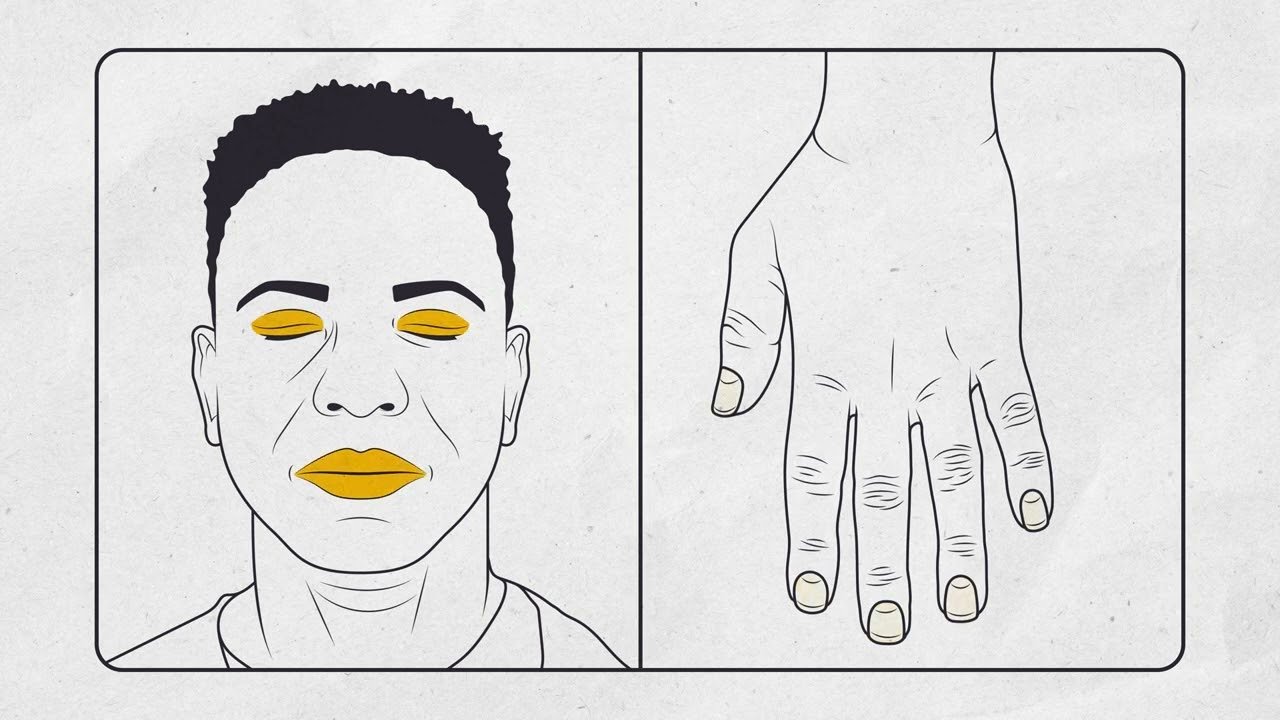
  • It starts to turn blue, especially in the skin around the eyelids, lips and nails.

People who are in increased risk of overdose include people who:

  • You have health problems, especially lung (ie, asthma) or heart (ie, congenital heart disease) conditions.
  • Use more opioids than their doctor recommended.
  • Get opioids from people who are not their doctor.
  • Mix opioids with other drugs, alcohol or benzodiazepines.
  • Change who they buy drugs from.
  • Change the way they use drugs, especially if they are switching from taking a pill by mouth to injecting.
  • Use only.
  • Use again after a period of non-use, such as during rehab or in the hospital.

What should I do if I think someone has overdosed?

If someone seems to be having overdosed as described above: call 911, give naloxone, provide rescue breathing (if you feel comfortable with this) and stay with the person until help arrives (if you feel safe to do so).

In many US states, Good Samaritan Laws protect people who call 911 and/or administer naloxone from getting into legal trouble. Checkout this resource to see the laws in your state.

What tips can I give friends to help them prevent an overdose?

While naloxone can help treat an opioid overdose, it’s even more important to prevent an overdose in the first place.

Damage reduction is a “set of practical strategies and ideas aimed at reducing the negative consequences associated with drug use.” This includes ideas that youth and adults can use to prevent overdose. Harm reduction includes treatment, including opioid use disorder medications. These are the best tools we have to prevent overdoses.

When people aren’t using drugs to treat opioid use disorder, there are others ways to prevent overdose. These include:

  • Choosing less powerful drugs: People who take pills may be at lower risk of overdose than people who inject or inhale drugs. It may also be helpful to avoid pills that contain fentanyl (see below).
  • Start with small amounts and “go slow”: Starting with a very small “trial” amount allows people to test the potency of a new drug. Increasing the amount slowly helps avoid overuse, which could cause an overdose.
  • Avoid mixing opioids with other sedatives: Concomitant use of opioids with other sedative drugs such as alcohol or benzodiazepines may increase the risk of overdose and should be avoided.
  • Use fentanyl and xylazine test strips: These test strips are available from harm reduction organizations and online and, if used correctly, can detect fentanyl in pills and powders.
    • To use these tests, a pill must be crushed and mixed in a plastic bag before using the strip to test for residue. This ensures that the strip tests a mixture of the substances included in a pill.
    • On most strips available, 1 line = positive for fentanyl, 2 lines = negative.
    • Remember to always read the instructions! Similar test strips are available for xylazine.
    • The use of fentanyl test strips is decriminalized in some states (such as Massachusetts), but is still illegal in some states.
  • Never use alone: If someone overdoses when they are alone, no one can give them naloxone or call 911. So very important to encourage friends to never use drugs alone. People who use alone can use telephone communication lines or applications such as Brave or Canary to make sure someone calls 911 if they become unresponsive.

Resources

Fentanyl health Mens opioid Overdose young
bhanuprakash.cg
healthtost
  • Website

Related Posts

Brain-Gut Health Initiative supports AI-assisted diagnosis of psychiatric disorders

April 25, 2026

Researchers uncover new mechanism linking metabolism, immunity and skeletal health

April 25, 2026

Wake up with these symptoms? Your health may be at risk

April 23, 2026

Leave A Reply Cancel Reply

Don't Miss
News

Brain-Gut Health Initiative supports AI-assisted diagnosis of psychiatric disorders

By healthtostApril 25, 20260

Psychiatric disorders affect millions worldwide, but their diagnosis is still based on clinical observation rather…

Yeong Kim (Rian) – The Structural Elegance of Intellect and Honor

April 25, 2026

Researchers identify new genetic links to Hyperemesis Gravidarum

April 25, 2026

Doing the work in the face of fear

April 25, 2026
Stay In Touch
  • Facebook
  • Twitter
  • Pinterest
  • Instagram
  • YouTube
  • Vimeo
TAGS
Baby benefits body brain cancer care Day Diet disease exercise finds Fitness food Guide health healthy heart Improve Life Loss Men mental Natural Nutrition Patients Pregnancy research reveals risk routine sex sexual Skin Skincare study Therapy Tips Top Training Treatment Understanding ways weight women Workout
About Us
About Us

Welcome to HealthTost, your trusted source for breaking health news, expert insights, and wellness inspiration. At HealthTost, we are committed to delivering accurate, timely, and empowering information to help you make informed decisions about your health and well-being.

Latest Articles

Brain-Gut Health Initiative supports AI-assisted diagnosis of psychiatric disorders

April 25, 2026

Yeong Kim (Rian) – The Structural Elegance of Intellect and Honor

April 25, 2026

Researchers identify new genetic links to Hyperemesis Gravidarum

April 25, 2026
New Comments
    Facebook X (Twitter) Instagram Pinterest
    • About Us
    • Contact Us
    • Privacy Policy
    • Terms and Conditions
    • Disclaimer
    © 2026 HealthTost. All Rights Reserved.

    Type above and press Enter to search. Press Esc to cancel.