

Close Menu
Healthtost
  • News
  • Mental Health
  • Men’s Health
  • Women’s Health
  • Skin Care
  • Sexual Health
  • Pregnancy
  • Nutrition
  • Fitness
  • Recommended Essentials
What's Hot

Doing the work in the face of fear

April 25, 2026

4.24 Friday Faves – The Fitnessista

April 25, 2026

Researchers uncover new mechanism linking metabolism, immunity and skeletal health

April 25, 2026
Facebook X (Twitter) Instagram
  • About Us
  • Contact Us
  • Privacy Policy
  • Terms and Conditions
  • Disclaimer
Facebook X (Twitter) Instagram
Healthtost
SUBSCRIBE
  • News

    Researchers uncover new mechanism linking metabolism, immunity and skeletal health

    April 25, 2026

    Genetic research identifies rare DNA changes that cause common heart valve damage

    April 24, 2026

    Air quality in infancy may fundamentally shape long-term immune development

    April 24, 2026

    The endoscopic procedure may prevent weight regain after stopping GLP-1

    April 23, 2026

    Artisanal chewing gum reduces oral germs linked to cancer

    April 23, 2026
  • Mental Health

    I hate hope: How to manage hope when you have treatment-resistant bipolar disorder

    April 19, 2026

    Rose Byrne is raw, magnetic and unfiltered as a woman in crisis

    April 18, 2026

    Can a single mother change her child’s surname in India?

    April 16, 2026

    Is it anxiety or OCD? 2 psychology experts explain the difference

    April 14, 2026

    Understanding the different types of treatment: C…

    April 10, 2026
  • Men’s Health

    45-Minute No-Equipment Home Workout (Full Body)

    April 23, 2026

    Study finds many UK adults want to avoid ultra-processed foods but can’t clearly define them

    April 21, 2026

    How can you get the best sleep?

    April 21, 2026

    The Crazy Hard Standards of the Hardest PE Program in History

    April 20, 2026

    Becoming revolutionaries in our time: Calling men to change the world for good

    April 20, 2026
  • Women’s Health

    I felt ashamed of my dad’s illness

    April 25, 2026

    What are the different stages of puberty?

    April 24, 2026

    Understanding Hot Flashes – HealthyWomen

    April 24, 2026

    Because you are still inflamed

    April 22, 2026

    Mineral vs. Chemical Sunscreens Explained

    April 21, 2026
  • Skin Care

    What it is and how to do it right – Lifeline Skin Care

    April 21, 2026

    Best Face Mask Set: What to Use for Your Skin Goals

    April 21, 2026

    Earth Day Activities: A Fun Guide to Plogging and More

    April 20, 2026

    Calm & Correct: The 4-in-1 color correcting treatment

    April 19, 2026

    How to Get Glowing Skin: Beauty Guide

    April 17, 2026
  • Sexual Health

    How accurate are herpes blood tests?

    April 22, 2026

    Understanding the Asexual Spectrum — Sexual Health Alliance

    April 21, 2026

    The importance of sex and intimacy in the elderly

    April 18, 2026

    Judicial reform is the only real way out of today’s political hell

    April 15, 2026

    Personal and Professional considerations between generations

    April 15, 2026
  • Pregnancy

    Loss of Appetite During Pregnancy: A Third Trimester Guide

    April 24, 2026

    Cameron Rodgers wants you to know you’re not the only one Googling “WTF is going on in my body” at 2 a.m.

    April 22, 2026

    A gentle space to navigate the becoming of motherhood

    April 21, 2026

    Transfer to birth center C-section, birth center VBAC and Surprise Footling Breech Transfer to home

    April 18, 2026

    What is an Onbuhimo? Everything you need to know about this underrated carrier

    April 18, 2026
  • Nutrition

    Doing the work in the face of fear

    April 25, 2026

    Can the “dark shower” reduce stress and improve sleep?

    April 24, 2026

    High Fiber Smoothie Recipe • Kath Eats

    April 23, 2026

    Which potato is the most nutritious?

    April 22, 2026

    What Really Works (and What Doesn’t)

    April 22, 2026
  • Fitness

    4.24 Friday Faves – The Fitnessista

    April 25, 2026

    The workout we forgot (it’s time to bring it back 💪 )

    April 24, 2026

    Cardio or weightlifting? – Tony Gentilcore

    April 24, 2026

    7 super healthy ways to take care of yourself

    April 23, 2026

    Wake up with these symptoms? Your health may be at risk

    April 23, 2026
  • Recommended Essentials
Healthtost
Home»Mental Health»Exercise may be as effective as drugs for depression and anxiety – new study
Mental Health

Exercise may be as effective as drugs for depression and anxiety – new study

healthtostBy healthtostFebruary 11, 2026No Comments5 Mins Read
Facebook Twitter Pinterest LinkedIn Tumblr Reddit WhatsApp Email
Exercise May Be As Effective As Drugs For Depression And
Share
Facebook Twitter LinkedIn Pinterest WhatsApp Email

Depression and anxiety affect millions of people around the world.

While treatments such as medicine and psychotherapy (sometimes called talking therapy) can be very effective, it is it’s not always an option. Obstacles include cost, stigma, long waiting lists for appointments, and potential drug side effects.

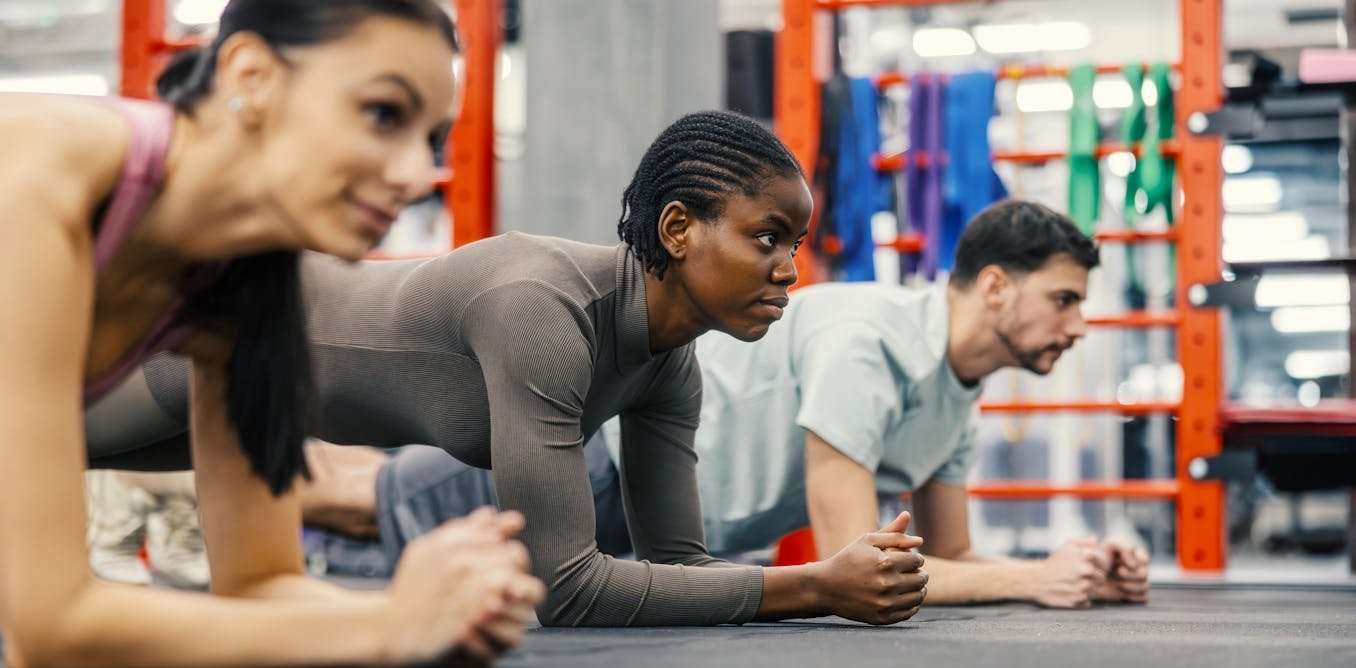
So what about exercise? Our new research, is published todayconfirms that physical activity can be as effective for some people as therapy or medication. This is especially true when it is social and led by a professional, such as a fitness class or running club.

Let’s take a look at the details.

What we already knew

Physical activity has long been promoted as a treatment option for anxiety and depression, mainly because it helps release “Feel good” chemicals in the brain that help boost mood and reduce stress.

But the evidence can be confusing. Hundreds of studies with varying results make it unclear how much exercise is beneficial, what kind, and that helps most.

Over the past two decades, researchers have carried out dozens of separate meta-analyses (studies that combine results from multiple trials) examination of the exercise for depression and anxiety. But these still leave gaps in our understanding of how effective exercise is for different age groups and whether the type of exercise matters.

Many studies they have also included participants with confounding factors (influences that can distort research findings), such as other chronic diseases, for example, diabetes or arthritis. This means that it may be difficult to apply the findings more widely.

What we did

Our research aimed to resolve this confound by conducting a ‘meta-meta-analysis’. This means we systematically looked at the results of all existing meta-analyses – there were 81 – to determine what the evidence actually shows.

Together, this meant data from nearly 80,000 participants in more than 1,000 original trials.

We considered several factors that could explain why their results differed. These included differences in:

  • who they studied (for example, people with diagnosed depression or anxiety versus those who are just showing symptoms, different age groups and women during pregnancy and after birth)

  • what the exercise involved (for example, comparing aerobic fitness with resistance training and mind-body exercises such as yoga, whether it was professionally supervised, intensity and duration)

  • whether the exercise was individual or group.

We also used advanced statistical techniques to precisely isolate and estimate the precise impact of exercise, separate from confounding factors (including other chronic diseases).

Our data examined the impact of exercise only on depression and anxiety. But sometimes people also use antidepressants and/or therapy – so further research will be needed to investigate the effect of these when combined.

What did the study find?

Exercise is effective in reducing both depression and anxiety. But there is a nuance.

We found that exercise had a high impact on depressive symptoms and a moderate impact on anxiety, compared to being inactive.

Benefits were comparable to, and in some cases better than, more widely prescribed mental health treatments, such as therapy and antidepressants.

Importantly, we found out who was most helped by exercise. Two groups showed the greatest improvement: adults aged 18 to 30 and women who had recently given birth.

Many women experience obstacles in postpartum exercise, including lack of time, confidence or access to appropriate and affordable activities.

Our findings suggest that becoming more accessible could be an important strategy to address the mental health of new mothers during this vulnerable period.

How you exercise matters

We also found aerobic activities – such as walking, running, cycling or swimming – were best at reducing both depression and anxiety symptoms.

However, all forms of exercise reduced symptoms, including resistance training (such as weight lifting) and mind-body practices (such as yoga).

For depression, there were greater improvements when people exercised with others and were guided by a professional, such as a group fitness class.

Unfortunately, no data were available on group or supervised exercise for anxiety, so we would need more research to know if the impact is similar.

Exercising once or twice a week had a similar effect on depression as more frequent exercise. And there didn’t seem to be a significant difference between vigorous or low intensity exercise – all were beneficial.

But for anxiety, the best improvements in anxiety symptoms were when exercise was done:

  • consistently, for up to eight weeks, and

  • at a lower intensity, such as walking or swimming laps at a gentle pace.

So what does all this mean?

Our research shows that exercise is a legitimate and evidence-based treatment option for depression and anxiety, particularly for people with diagnosed conditions.

However, simply telling patients to “exercise more” is unlikely to be effective.

The evidence points to structured, supervised exercise with a social component it is best for improving depression and anxiety. The social aspect and accountability can help keep people motivated.

Clinicians should keep this in mind, offering referrals to specific programs – such as aerobic fitness classes or supervised walking and running programs – rather than general advice.

The findings also suggest that this type of exercise may be particularly effective when targeting depression in younger adults and women who have recently given birth.

The takeaway

For people hesitant about medication or facing long waits for treatment, supervised group exercise can be an effective alternative. It’s evidence-based and you can start at any time.

But it’s even better to get advice from a professional. If you have worry or depression symptoms, you should talk to your doctor or psychologist. They can advise you where exercise fits into your treatment plan, possibly alongside therapy and/or medication.

anxiety depression drugs effective exercise study
bhanuprakash.cg
healthtost
  • Website

Related Posts

Study finds many UK adults want to avoid ultra-processed foods but can’t clearly define them

April 21, 2026

Final Patient Completes Phase Ib Clinical Study of AlzeCure with NeuroRestore ACD856

April 21, 2026

Study reveals significant gaps in MMR vaccine knowledge among ER patients

April 20, 2026

Leave A Reply Cancel Reply

Don't Miss
Nutrition

Doing the work in the face of fear

By healthtostApril 25, 20260

You know that thing, that dream, that big idea that you fantasize about? You have…

4.24 Friday Faves – The Fitnessista

April 25, 2026

Researchers uncover new mechanism linking metabolism, immunity and skeletal health

April 25, 2026

I felt ashamed of my dad’s illness

April 25, 2026
Stay In Touch
  • Facebook
  • Twitter
  • Pinterest
  • Instagram
  • YouTube
  • Vimeo
TAGS
Baby benefits body brain cancer care Day Diet disease exercise finds Fitness food Guide health healthy heart Improve Life Loss Men mental Natural Nutrition Patients Pregnancy research reveals risk routine sex sexual Skin Skincare study Therapy Tips Top Training Treatment Understanding ways weight women Workout
About Us
About Us

Welcome to HealthTost, your trusted source for breaking health news, expert insights, and wellness inspiration. At HealthTost, we are committed to delivering accurate, timely, and empowering information to help you make informed decisions about your health and well-being.

Latest Articles

Doing the work in the face of fear

April 25, 2026

4.24 Friday Faves – The Fitnessista

April 25, 2026

Researchers uncover new mechanism linking metabolism, immunity and skeletal health

April 25, 2026
New Comments
    Facebook X (Twitter) Instagram Pinterest
    • About Us
    • Contact Us
    • Privacy Policy
    • Terms and Conditions
    • Disclaimer
    © 2026 HealthTost. All Rights Reserved.

    Type above and press Enter to search. Press Esc to cancel.