


Close Menu
Healthtost
  • News
  • Mental Health
  • Men’s Health
  • Women’s Health
  • Skin Care
  • Sexual Health
  • Pregnancy
  • Nutrition
  • Fitness
  • Recommended Essentials
What's Hot

Global childhood immunization rates stagnate despite slight recovery from pandemic

July 15, 2026

Is it okay to be imperfect and still be happy? 6 Challenges

July 15, 2026

Sexual evolution: What 500 million years of life tell us about sex, gender and mating

July 15, 2026
Facebook X (Twitter) Instagram
  • About Us
  • Contact Us
  • Privacy Policy
  • Terms and Conditions
  • Disclaimer
Facebook X (Twitter) Instagram
Healthtost
SUBSCRIBE
  • News

    Global childhood immunization rates stagnate despite slight recovery from pandemic

    July 15, 2026

    Weight loss and anti-inflammatory drugs combine to fight leukemia

    July 14, 2026

    Unreliable datasets shape clinical prediction models

    July 14, 2026

    Bariatric surgery is safe, effective for obese teenagers and young adults

    July 13, 2026

    Engineered ribozyme repairs broken RNA to explain origin of life

    July 13, 2026
  • Mental Health

    Is it okay to be imperfect and still be happy? 6 Challenges

    July 15, 2026

    How can you be tired but wired? Blame it on your stone age brain

    July 12, 2026

    Almost 20% of new mums have anxiety or depression, but a promising psychedelic treatment is on the horizon

    July 7, 2026

    How can ART help us improve our mental health? With 3 Ways

    July 5, 2026

    How much do friends affect the mental health of teenagers? What a new study can (and can’t) tell us

    July 3, 2026
  • Men’s Health

    Sexual evolution: What 500 million years of life tell us about sex, gender and mating

    July 15, 2026

    Low testosterone or just stress? How to tell the difference

    July 11, 2026

    Gut-friendly diet linked to lower risk of coronary heart disease mortality

    July 9, 2026

    Men don’t just avoid their health. Many lose themselves.

    July 8, 2026

    The Crazy Hard Standards of the Hardest PE Program in History

    July 8, 2026
  • Women’s Health

    I tried to hide my hemiparesis

    July 15, 2026

    Kyoto recap, bamboo forest and monkey park

    July 13, 2026

    Menopause and Your Microbiome: How Gut Health Shapes Weight, Mood, and Hormones

    July 11, 2026

    They heard us. Now will they listen?

    July 11, 2026

    Taite Heller on Why Barre Became a Top-5 Fitness Trend

    July 8, 2026
  • Skin Care

    How to use nature’s retinol: Bakuchiol in your beauty routine

    July 13, 2026

    How our natural hair care achieves salon-level results without silicones

    July 11, 2026

    Coconut Allergy and Skin Care: 20 Questions Finally Answered by a Pharmacist

    July 11, 2026

    New Sunscreen Ingredient: Is This The SPF Upgrade We’ve Been Waiting For?

    July 9, 2026

    How to achieve the perfect tan

    July 8, 2026
  • Sexual Health

    Celebrating 30 years of Sex Sense

    July 15, 2026

    STDs in older adults are on the rise—up to seven times higher than in 2012

    July 13, 2026

    Fildena 150 Benefits | Effective ED & Sexual Performance Treatment

    July 11, 2026

    Painful sex after menopause: When is it time to seek treatment?

    July 11, 2026

    Emotional capitalism and artificial intimacy

    July 10, 2026
  • Pregnancy

    Exercise Wall Angels During Pregnancy: A Step-by-Step Guide

    July 15, 2026

    Breech VBAC (Vaginal Birth after Caesarean Section) Birth Story

    July 13, 2026

    How baby showers have changed throughout history

    July 13, 2026

    Calf Raises During Pregnancy: Step-by-Step Guide and Benefits

    July 8, 2026

    Tri-Tri Triplet Pregnancy with Vaginal Birth Story – The Birth Hour Triplet Pregnancy and Vaginal Birth Story with Ashlie Holladay

    July 7, 2026
  • Nutrition

    Chocolate Cherry Chia Pudding: Easy Vegan Recovery Snack

    July 14, 2026

    The Cholesterol Question: A Breakthrough Victory for Keto and Cognitive Health

    July 14, 2026

    15 No-Cook Dinners for Kids (Because It’s Too Hot to Turn on the Oven)

    July 12, 2026

    30 Minute Chicken Pesto Pasta (Dietist Approved)

    July 11, 2026

    5 Easy High Fiber Bowl Recipes

    July 8, 2026
  • Fitness

    How to Choose a Fitness Certification on a Budget

    July 14, 2026

    Meet the Belle Vitale™ Supplement System: Two Formulas. A comprehensive approach to hormone health.

    July 11, 2026

    where we ate in Tokyo (and gluten-free options!)

    July 9, 2026

    Using External Signaling to Improve Linear Acceleration – Tony Gentilcore

    July 8, 2026

    5 Simple Screen Changes That Can Improve Sleep and Focus

    July 7, 2026
  • Recommended Essentials
Healthtost
Home»Pregnancy»Depression after weaning: Here’s what to look out for
Pregnancy

Depression after weaning: Here’s what to look out for

healthtostBy healthtostFebruary 13, 2024No Comments5 Mins Read
Facebook Twitter Pinterest LinkedIn Tumblr Reddit WhatsApp Email
Depression After Weaning: Here's What To Look Out For
Share
Facebook Twitter LinkedIn Pinterest WhatsApp Email

Each person’s breastfeeding journey is unique. While we may plan breastfeeding and think about things like pumping, burp cloths, a healthy diet and learning about different latches or latching properly, many of us don’t think about what happens after we’re done breastfeeding. Whether you breastfed for three days, three months, or three years, many women experience strange symptoms, intense emotions, or mood swings after they stop breastfeeding. Some people may continue to develop depression after weaning.

Post-weaning depression refers to feelings of anxiety, depression, irritability and moodiness after stopping breastfeeding. It’s important to understand that no matter how long you’ve been breastfeeding, or whether you wean intentionally or for other reasons beyond your control, you may experience depression after weaning.1 It’s also important to differentiate that while it’s not a clinical diagnosis like postpartum depression, and the research is still emerging, experiences of depression after weaning can be very real for many women. So, let’s see why it can occur and what symptoms to look out for.

Many of us are aware of the huge hormonal changes that occur after childbirth, but a similar change occurs during weaning.2 When we feed our babies through the breast, we release:2.5

  • Oxytocin: Also known as the love hormone, our bodies release oxytocin when we are close or skin-to-skin with our babies. It helps us release or let down milk, supports our bond with our babies, promotes a sense of well-being and reduces stress.
  • Prolactin: This helps with milk supply and increases feelings of relaxation and sleepiness.

When we stop breastfeeding, our bodies no longer release these chemicals at the same level and consistency, and must adjust. We no longer have these feel-good chemicals and there can be an adjustment period as our bodies wean off these feel-good hormones!

Plus, breastfeeding isn’t just about chemicals. There are also physical (physical) and emotional changes to consider after you stop breastfeeding, such as:3.4

  • Guilt: Maybe you didn’t breastfeed as long as you wanted or had to wean for some reason. Mothers feel a lot of pressure to breastfeed and you may face stigma if you don’t or can’t.
  • Weld: Many people think that breastfeeding is a bonding time and they lose that experience when they wean. In addition, weaning means a step towards independence. . . and to be away from you This can be upsetting and annoying.
  • jam: There are physical side effects from stopping breastfeeding. For example, when the breast does not drain completely after feeding, it can become uncomfortable and full. They can feel warm to the touch, leak and swell in size until they become accustomed to no longer producing milk.
  • Mastitis: Sometimes it can be flu-like and associated with weaning. Others get mastitis when their breasts don’t drain completely, and it can lead to flu-like symptoms or infections because stagnant milk can become a breeding ground for bacteria.
  • Menses: Your period may return or change. This is because hormones affect our periods and the changes and hormonal changes during weaning can mean our periods seem different in terms of length, flow, pain and emotional turmoil at first.
  • Weight gain: We burn calories when we breastfeed and when we stop, many women are used to a certain diet or volume of food. It can take some time for appetite to return to normal, so it’s natural to notice weight gain or other body changes.

You may be wondering how long it takes for hormones to balance after weaning, and while there is no exact date or time frame, symptoms will likely subside within a few weeks. Depression after weaning is only temporary and your body will adjust.1.2 Know that even if things are temporary or relatively normal in terms of weaning experiences, or if your symptoms bother or concern you, it’s okay and necessary to seek support.

Because weaning is associated with chemical and hormonal changes, you may not be able to completely prevent post-weaning depression. But there are things you can do to reduce the likelihood or severity:3.4

  • Wean off slowly: This isn’t always possible, but if you can gradually reduce your breastfeeding, your body gets used to a gradual reduction rather than a sudden change.
  • Don’t rush it: Some parents feel pressured to wean due to milestones like age, teething etc. but don’t fall into this trap. Wean whenever necessary or right for you and your child. only you will know when it’s right.
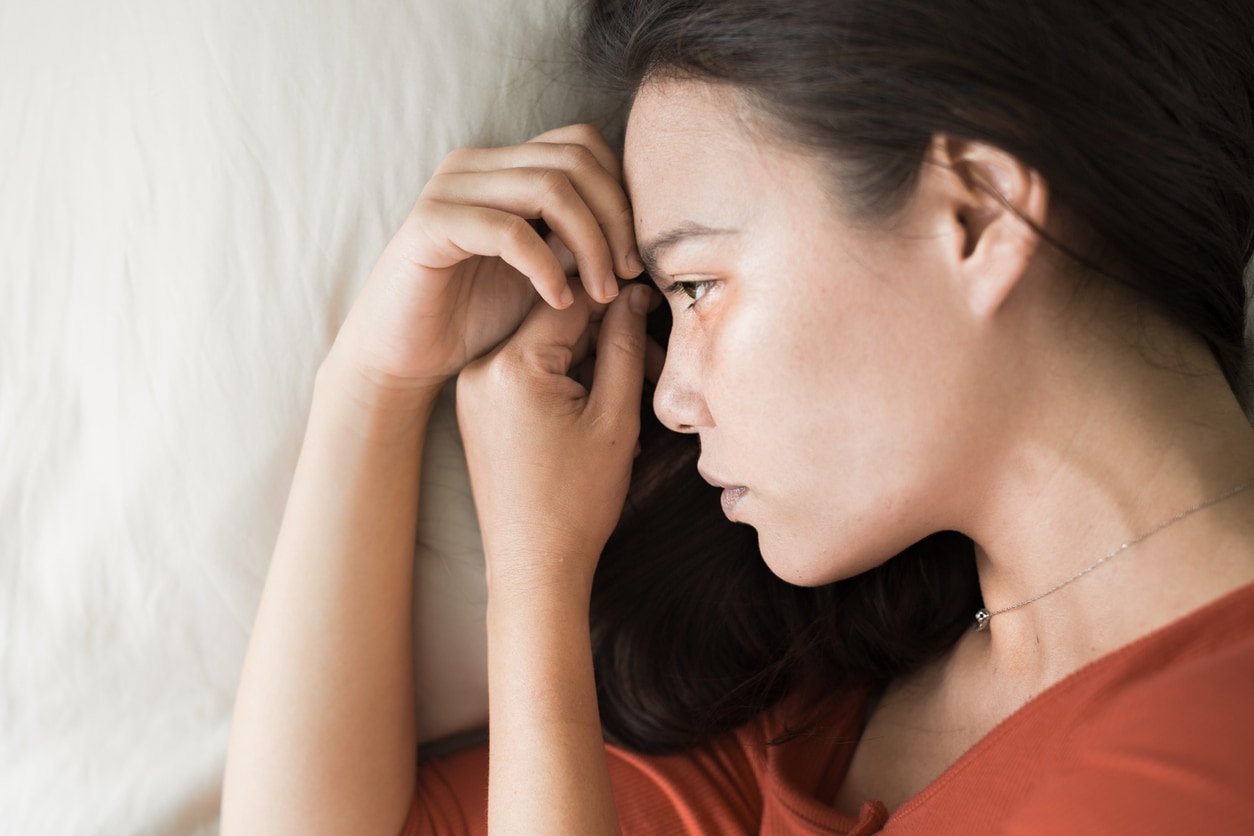
A sad depressed woman lying in bed.  A woman suffering from deep depression, thinking about her problems, lying down

There are a few things you can do for yourself to help with post-weaning depression, such as finding another way to bond with your baby or maintain skin-to-skin contact, which helps release oxytocin.1 You can also engage in other activities that feel good, such as exercise or self-care.

Understanding the potential changes and making plans is essential. If you understand the impact of physical and emotional changes, you can better plan support. Consider things like meal prep (to ensure you have a good source of nutrients and healthy meal options while weaning), contact your GP, find telehealth services or try face-to-face counseling if you need support. You could also check in with your local lactation consultant, find a local La Leche representative, chat with friends, or even arrange emotional support check-ins with loved ones.

Weaning is a big step. Sometimes, it is the first major indicator for parents that their child is becoming independent. This can be a time of celebration but also a time of anxiety or mixed emotions. Make sure you make the right or necessary choices for you and your family, without pressure from outside influences. And make sure you have a good support network when you start the weaning process. You got this!

depression heres weaning
bhanuprakash.cg
healthtost
  • Website

Related Posts

Exercise Wall Angels During Pregnancy: A Step-by-Step Guide

July 15, 2026

Breech VBAC (Vaginal Birth after Caesarean Section) Birth Story

July 13, 2026

How baby showers have changed throughout history

July 13, 2026

Leave A Reply Cancel Reply

Don't Miss
News

Global childhood immunization rates stagnate despite slight recovery from pandemic

By healthtostJuly 15, 20260

In 2025, 90% of infants worldwide – or nearly 116 million – received at least…

Is it okay to be imperfect and still be happy? 6 Challenges

July 15, 2026

Sexual evolution: What 500 million years of life tell us about sex, gender and mating

July 15, 2026

I tried to hide my hemiparesis

July 15, 2026
Stay In Touch
  • Facebook
  • Twitter
  • Pinterest
  • Instagram
  • YouTube
  • Vimeo
TAGS
Baby benefits body brain cancer care Day Diet disease exercise finds Fitness food Guide health healthy heart Improve Life Loss Men mental Natural Nutrition Patients People Pregnancy research reveals risk routine sex sexual Skin Skincare study Therapy Tips Top Training Treatment ways weight women Workout
About Us
About Us

Welcome to HealthTost, your trusted source for breaking health news, expert insights, and wellness inspiration. At HealthTost, we are committed to delivering accurate, timely, and empowering information to help you make informed decisions about your health and well-being.

Latest Articles

Global childhood immunization rates stagnate despite slight recovery from pandemic

July 15, 2026

Is it okay to be imperfect and still be happy? 6 Challenges

July 15, 2026

Sexual evolution: What 500 million years of life tell us about sex, gender and mating

July 15, 2026
New Comments
    Facebook X (Twitter) Instagram Pinterest
    • About Us
    • Contact Us
    • Privacy Policy
    • Terms and Conditions
    • Disclaimer
    © 2026 HealthTost. All Rights Reserved.

    Type above and press Enter to search. Press Esc to cancel.