

Close Menu
Healthtost
  • News
  • Mental Health
  • Men’s Health
  • Women’s Health
  • Skin Care
  • Sexual Health
  • Pregnancy
  • Nutrition
  • Fitness
  • Recommended Essentials
What's Hot

Why is the food pyramid being discussed (again).

February 12, 2026

Innovative methods detect aggressive prostate cancer

February 12, 2026

Sex doesn’t have to end when it’s over

February 12, 2026
Facebook X (Twitter) Instagram
  • About Us
  • Contact Us
  • Privacy Policy
  • Terms and Conditions
  • Disclaimer
Facebook X (Twitter) Instagram
Healthtost
SUBSCRIBE
  • News

    Innovative methods detect aggressive prostate cancer

    February 12, 2026

    Leica Biosystems Revolutionizes Histology Workflows With Global Launch of Leica CM1950 Cryostat with DualEcoTec Cooling System

    February 12, 2026

    Healthy low-carb, low-fat diets may improve cardiovascular health

    February 11, 2026

    Perceptions of the safety of major vaccines show a significant decline over the past three years

    February 11, 2026

    ‘Partial reprogramming’ of engram neurons restores memory performance in mice

    February 10, 2026
  • Mental Health

    Bipolar Disorder: Why It Happens (and How to Snap It Off)

    February 12, 2026

    Exercise may be as effective as drugs for depression and anxiety – new study

    February 11, 2026

    Advancing the Future of Behavioral Health Data Exchange

    February 7, 2026

    How to avoid watching disturbing videos on social media and protect your peace of mind

    February 6, 2026

    Mental Health in the Black Community: Addressing…

    February 3, 2026
  • Men’s Health

    The power of sprint-based exercise

    February 12, 2026

    Why Biohack? Acceptance of our Mortality

    February 11, 2026

    Air conditioning in nursing homes reduces heat-related risk

    February 6, 2026

    Analysis: What it’s like to have non-verbal autism and what helped me

    February 5, 2026

    Testicular cancer self-examination and why it could save your life

    February 2, 2026
  • Women’s Health

    What are the signs of nutritional deficiencies in hair, skin and nails? | The Wellness Blog

    February 12, 2026

    What is mental wellness and how does it differ from mental health?

    February 11, 2026

    Perimenopause symptoms to watch out for in your 30s and 40s

    February 9, 2026

    Breast reduction surgery saved my life

    February 9, 2026

    2.6 Friday Faves – The Fitnessista

    February 7, 2026
  • Skin Care

    How to Look Sophisticated When You’re Running Late

    February 12, 2026

    5 Signs Your Skin Needs a Drink (And What to Do About It)

    February 10, 2026

    Fraxel Laser in Philadelphia | About Facial Aesthetics

    February 10, 2026

    Complete serum that works: The nighttime routine for real results

    February 8, 2026

    How to avoid shaving irritation: 7 myths that keep your skin angry

    February 7, 2026
  • Sexual Health

    Sex doesn’t have to end when it’s over

    February 12, 2026

    THANK YOU FOR ASKING: First Time Sex Tips

    February 11, 2026

    Australia is closer to ending cervical cancer

    February 9, 2026

    Adventurous intimacy is more common than you think — Alliance for Sexual Health

    February 5, 2026

    A guide to a comfortable cervical check with Dr. Unsworth

    February 1, 2026
  • Pregnancy

    Because the second trimester is like a deep breath

    February 11, 2026

    18 places to get free baby products, samples and gear in 2026

    February 8, 2026

    Pregnant on Chhath Puja? Hydration and nutrition tips

    February 6, 2026

    The second trimester sweet spot is real. Here’s how to get the most out of it

    February 4, 2026

    Is it safe to drink milk during pregnancy? What to know

    January 31, 2026
  • Nutrition

    Why is the food pyramid being discussed (again).

    February 12, 2026

    How to Use Toner for Healthy, Glowing Skin • Kath Eats

    February 12, 2026

    What foods help leaky gut?

    February 11, 2026

    How sugar affects your microbes

    February 10, 2026

    Stress and weight in midlife

    February 9, 2026
  • Fitness

    10 Health Benefits of Using a CPAP Machine

    February 11, 2026

    The health benefits of walking at any age

    February 10, 2026

    The Orthopedic suggested cardio exercises that are easy on your joints

    February 8, 2026

    The Best Travel Products for Women Over 50 (Comfort and Convenience)

    February 8, 2026

    Ben Greenfield Weekly Update: January 30th

    February 7, 2026
  • Recommended Essentials
Healthtost
Home»Women's Health»Combating the genetic predisposition to obesity
Women's Health

Combating the genetic predisposition to obesity

healthtostBy healthtostNovember 14, 2025No Comments5 Mins Read
Facebook Twitter Pinterest LinkedIn Tumblr Reddit WhatsApp Email
Combating The Genetic Predisposition To Obesity
Share
Facebook Twitter LinkedIn Pinterest WhatsApp Email

Obesity tends to run in families, suggesting it may have a genetic cause. However, family members share not only genes but also dietary and lifestyle habits that may contribute to obesity. Separating these lifestyle factors from genetics is often difficult. However, increasing evidence points to heredity as a strong determinant of obesity.

It is not known whether and to what extent this genetic susceptibility can be moderated by a physically active lifestyle. Our aim was to assess the effect of a physically active lifestyle on genetic predisposition to obesity in a large population-based study. In the study 20,430 people (aged 39-79 years) from the European Prospective Investigation of Cancer (EPIC)-Norfolk cohort were studied with a mean follow-up period of 3.6 years. A genetic predisposition score was calculated for each individual by adding the alleles that increase body mass index (BMI) to the 12 SNPs. Physical activity was assessed using a self-administered questionnaire. Linear and logistic regression models were used to examine the main effects of genetic predisposition score and its interaction with physical activity on BMI/obesity risk and BMI change over time, assuming an additive effect for each additional BMI-increasing allele. It was concluded that leading a physically active lifestyle is associated with a 40% reduction in the genetic predisposition to common obesity, as estimated by the number of risk alleles carried for any of the 12 newly identified GWAS loci.

Although genes are an important factor in many cases of obesity, a person’s environment also plays an important role. The environment includes lifestyle behaviors such as what a person eats and how active they are. Women tend to have high-fat diets, often putting taste and convenience above nutritional content when choosing meals. Most people don’t get enough exercise.
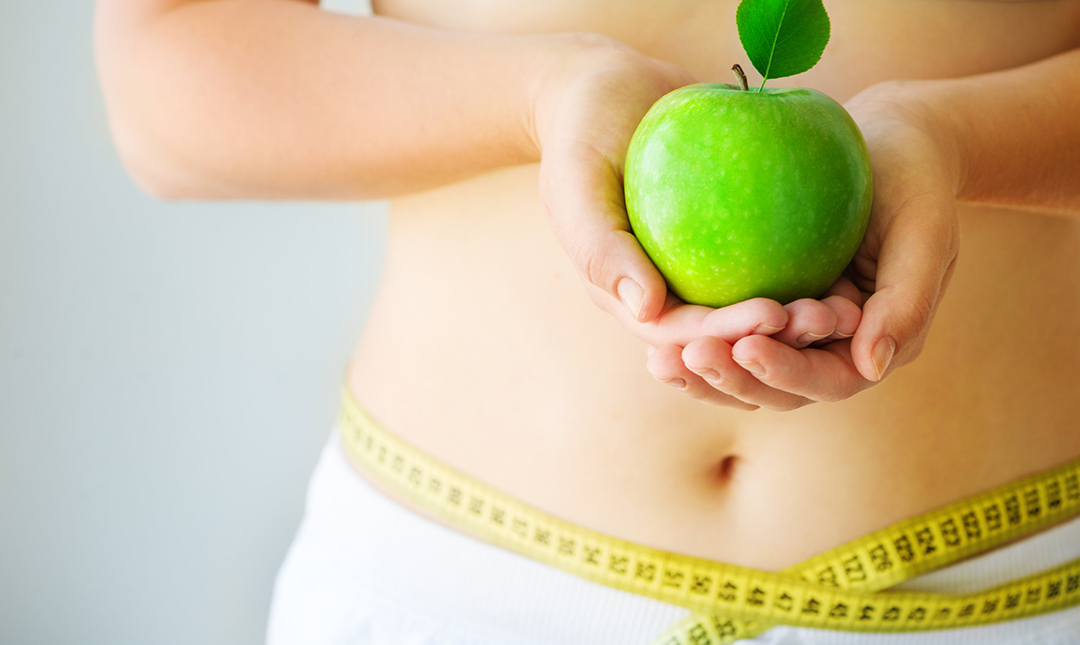
People can’t change their genetic makeup, of course, but they can change what they eat and how active they are. Some people have been able to lose weight and keep it off by:

Learning how to choose more nutritious, lower-fat meals –

A poor diet of high-calorie foods that are widely available, low-cost, heavily promoted, and taste good. These ingredients produce a predictable, understandable and inevitable consequence – an epidemic of diet-related diseases. While such foods are quick and convenient, they also tend to be high in fat, sugar and calories. Choosing too many foods from these areas can contribute to excess calorie intake. Some foods are marketed as healthy, low-fat, or fat-free, but they may contain more calories than the fat-containing foods they are designed to replace. It is important to read food labels for nutritional information and eat in moderation. Also, people may eat more during a meal or snack because of the larger volume portion sizes. This results in increased calorie consumption. If the body does not burn the extra calories consumed from larger portions, fast food or soft drinks, weight gain can occur.

The USDA recommends that a daily adult diet include the following:

  • 3 ounces whole grains and 6 ounces total grains
  • 2 cups of fruit
  • 2 1/2 cups vegetables
  • 3 cups fat-free or low-fat dairy

For more information on healthy eating, visit our leaflet for adults at making healthier choices.

By learning to recognize environmental cues (such as tempting smells) that may make them want to eat when they are not hungry-

To regain the ability to eat only when you’re hungry, you need to understand that not all hunger is physical. Today, while almost no one eats only when they are physically hungry, many people eat when they are psychologically hungry. You might be tempted by a juicy hamburger in a commercial on TV and start thinking you’re hungry. You can eat according to the schedule whether you feel hungry or not. You may be bored, tired, sad, happy or nervous. These are all kinds of psychological hunger. Listening and listening to your body’s hunger and fullness signals can help you achieve or maintain a healthy weight, which reduces the risk of many chronic diseases. Plus, eating is more enjoyable when you’re really hungry. So when your body tells you it’s time to eat, choose foods you love and take the time to enjoy them.
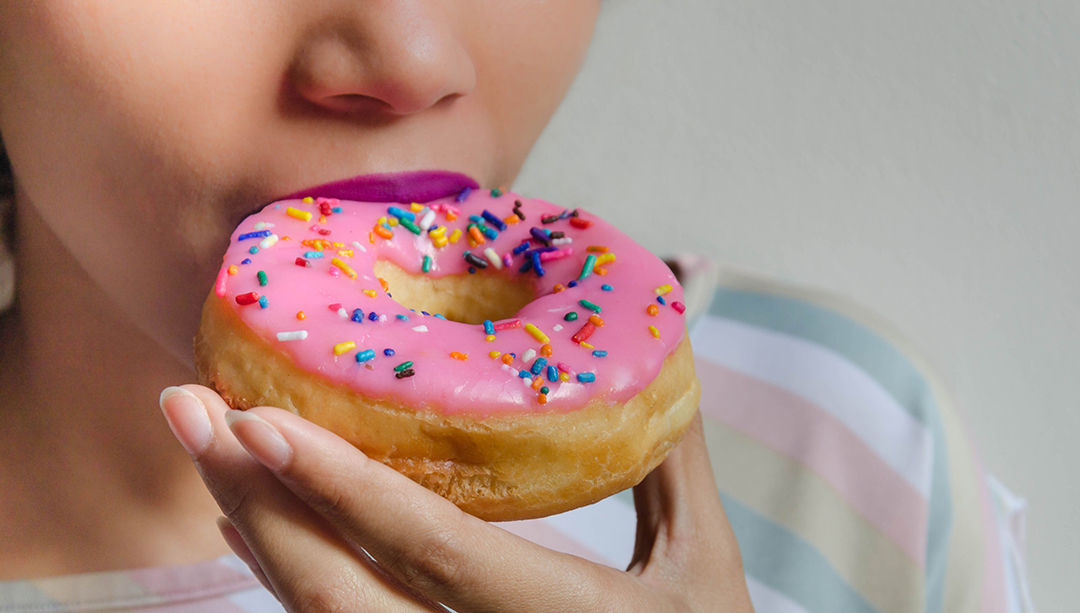
Rate your physical hunger

Given all that can affect our hunger cues, how do we begin to return to what we innately knew as infants? The following is a useful tool to assess your hunger. This hunger scale, called “The hunger-satiety rating scale” is from Why Weight? A Guide to Ending Binge Eating by Geneen Roth.

Saturation:

10 = Stuffed to the point of feeling sick
9 = Very uncomfortably full, you need to loosen your belt
8 = Uncomfortably full, feeling stuffed
7 = Very full, feeling like you’ve overeaten

Neutral:

5 = Comfortable, neither hungry nor full
4 = Initial hunger signals
3 = Hungry, ready to eat
2 = Very hungry, unable to concentrate

Hungry:

1 = hungry, dizzy, irritable

Become more physically active-

The US Department of Health and Human Services recently released updated guidelines recommending that children and adolescents participate in physical activity for 60 minutes a day or more, with most exercise being moderate to vigorous intensity. Physical activity contributes to the prevention and treatment of obesity, not only by increasing energy expenditure but also by modulating satiety signals and reducing food intake.

So we can conclude that even those who have the greatest risk of obesity from their genes can improve their health by taking action.

Refusal
The Content is not intended to be a substitute for professional medical advice, diagnosis or treatment. Always seek the advice of your doctor or other qualified health care provider with any questions you may have about a medical condition.

combating genetic obesity predisposition
bhanuprakash.cg
healthtost
  • Website

Related Posts

What are the signs of nutritional deficiencies in hair, skin and nails? | The Wellness Blog

February 12, 2026

What is mental wellness and how does it differ from mental health?

February 11, 2026

Perimenopause symptoms to watch out for in your 30s and 40s

February 9, 2026

Leave A Reply Cancel Reply

Don't Miss
Nutrition

Why is the food pyramid being discussed (again).

By healthtostFebruary 12, 20260

With chronic disease showing no signs of slowing down, dietary guidelines have changed to focus…

Innovative methods detect aggressive prostate cancer

February 12, 2026

Sex doesn’t have to end when it’s over

February 12, 2026

How to Use Toner for Healthy, Glowing Skin • Kath Eats

February 12, 2026
Stay In Touch
  • Facebook
  • Twitter
  • Pinterest
  • Instagram
  • YouTube
  • Vimeo
TAGS
Baby benefits body brain cancer care Day Diet disease exercise finds Fitness food Guide health healthy heart Improve Life Loss Men mental Natural Nutrition Patients People Pregnancy protein research reveals risk routine sex sexual Skin study Therapy Tips Top Training Treatment ways weight women Workout
About Us
About Us

Welcome to HealthTost, your trusted source for breaking health news, expert insights, and wellness inspiration. At HealthTost, we are committed to delivering accurate, timely, and empowering information to help you make informed decisions about your health and well-being.

Latest Articles

Why is the food pyramid being discussed (again).

February 12, 2026

Innovative methods detect aggressive prostate cancer

February 12, 2026

Sex doesn’t have to end when it’s over

February 12, 2026
New Comments
    Facebook X (Twitter) Instagram Pinterest
    • About Us
    • Contact Us
    • Privacy Policy
    • Terms and Conditions
    • Disclaimer
    © 2026 HealthTost. All Rights Reserved.

    Type above and press Enter to search. Press Esc to cancel.