

Close Menu
Healthtost
  • News
  • Mental Health
  • Men’s Health
  • Women’s Health
  • Skin Care
  • Sexual Health
  • Pregnancy
  • Nutrition
  • Fitness
  • Recommended Essentials
What's Hot

I didn’t sleep so well. Should I still exercise? | The Wellness Blog

May 15, 2026

The impact of Covid-19 on young people’s access to contraceptives and contraceptive services

May 15, 2026

Measles is back in the news. See what pregnant women need to know.

May 15, 2026
Facebook X (Twitter) Instagram
  • About Us
  • Contact Us
  • Privacy Policy
  • Terms and Conditions
  • Disclaimer
Facebook X (Twitter) Instagram
Healthtost
SUBSCRIBE
  • News

    ExiVex reports human pharmacokinetic data showing that intranasal naloxone EMRX-101 approaches peak plasma concentrations similar to IV with a significantly faster Tmax than the currently approved comparator

    May 15, 2026

    Perioperative medicine is emerging as a system-wide strategy for better surgical outcomes

    May 14, 2026

    Regular arts and physical activity are associated with slow aging

    May 14, 2026

    The study links obesity with less pleasurable feelings during physical activity

    May 13, 2026

    Study challenges structural explanation for bowel symptoms in hEDS patients

    May 13, 2026
  • Mental Health

    Are you caught in the cycle of chronic pain? How does Thera…

    May 15, 2026

    Why Menopause Matters in Substance Use Disorder Prevention, Treatment, and Recovery

    May 14, 2026

    because you might be right to leave a party without saying goodbye

    May 14, 2026

    Are antidepressants dangerous? The truth about violence, overuse and fear

    May 11, 2026

    Feel like a fraud? Understanding Imp…

    May 10, 2026
  • Men’s Health

    10 Best Bodyweight Movements for Strength and Muscle

    May 14, 2026

    Two leading cardiac risk tools pass a major global test

    May 12, 2026

    Beyond symptoms: Into the push to finally change the effects of cerebral palsy

    May 12, 2026

    Mix up your workout with Myo-Reps

    May 11, 2026

    The Future of the USA: Why Empires End After 250 Years and What We Should Do Now

    May 11, 2026
  • Women’s Health

    I didn’t sleep so well. Should I still exercise? | The Wellness Blog

    May 15, 2026

    Minoxidil 5%: A proven solution for hair regeneration

    May 14, 2026

    Postpartum sexuality research reveals common ‘desire gap’

    May 13, 2026

    Paula Poundstone on the healing power of humor

    May 12, 2026

    What is SPF? A guide to Indian skin

    May 10, 2026
  • Skin Care

    Night Serum: What to use for best results overnight

    May 15, 2026

    7 Anti-Aging Foods That Slow Aging and Make You Look Younger

    May 14, 2026

    Benefits, uses and how to get glowing skin naturally – The natural wash

    May 14, 2026

    How to protect your skin from the sun – Tropic Skincare

    May 13, 2026

    The best allergen-free makeup for sensitive skin

    May 9, 2026
  • Sexual Health

    The impact of Covid-19 on young people’s access to contraceptives and contraceptive services

    May 15, 2026

    Are the symptoms of gonorrhea different in men and women?

    May 15, 2026

    How to choose the right program — Sexual Health Alliance

    May 14, 2026

    How to increase nitric oxide and without sexual health benefits

    May 12, 2026

    2026 Mother’s Day Gift Guide: Pleasure & Wellness

    May 11, 2026
  • Pregnancy

    Measles is back in the news. See what pregnant women need to know.

    May 15, 2026

    What your strange pregnancy cravings are trying to tell you

    May 14, 2026

    Doctor Birth Story with Dr. Manisha Ghimire

    May 11, 2026

    What they are, how they work and why parents love them

    May 11, 2026

    Folic acid before pregnancy may help reduce the risk of birth defects for women taking epilepsy drugs

    May 10, 2026
  • Nutrition

    Menstrual Nutrition: The right way to eat for your period

    May 14, 2026

    How we eat vs. How we think we eat

    May 13, 2026

    Because stress shows up in your gut

    May 12, 2026

    Why Weight Loss Isn’t The Key To Better Health (And What Is)

    May 11, 2026

    The best supplements for fatty liver disease

    May 9, 2026
  • Fitness

    In Ozempic or Wegovy? Here’s the one thing you can’t miss.

    May 14, 2026

    Danger Coffee Review: Worth the Hype? My honest opinion

    May 12, 2026

    It happened again. | Nerd Fitness

    May 12, 2026

    5 Top Dental Health Tips for Preschoolers

    May 11, 2026

    The best Mother’s Day ideas to create lasting memories together

    May 11, 2026
  • Recommended Essentials
Healthtost
Home»Pregnancy»C-section scars that heal low in the uterus could affect fertility and pregnancy
Pregnancy

C-section scars that heal low in the uterus could affect fertility and pregnancy

healthtostBy healthtostNovember 17, 2025No Comments6 Mins Read
Facebook Twitter Pinterest LinkedIn Tumblr Reddit WhatsApp Email
C Section Scars That Heal Low In The Uterus Could Affect
Share
Facebook Twitter LinkedIn Pinterest WhatsApp Email

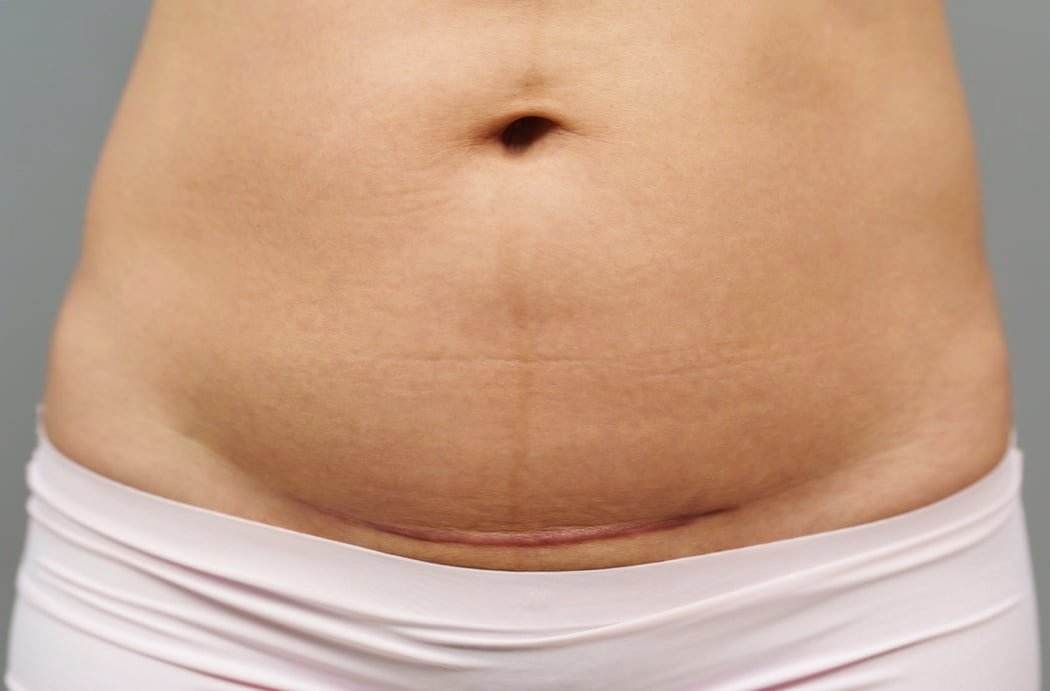
When a baby is born by C-section, recovery usually focuses on the visible scar, the one on the abdomen. But new research shows the scar is gone within the uterus can tell a more complicated story, especially when the caesarean section takes place in the later stages of labor.

Researchers from University College London (UCL) found that women who have a caesarean section at an advanced stage of labor – when the cervix is ​​almost or fully dilated – are eight times more likely to develop scars lower in the uterus, near or even in the cervix. These scars tend to heal less effectively and are associated with a greater chance of complications in future pregnancies, including preterm birth.

The research, published in American Journal of Obstetrics & Gynecologylooked at how the stage of labor when a caesarean section is performed affects where the internal scar forms and how well it heals.

The team studied 93 women who had a cesarean delivery during active labor, defined as the cervix being at least four centimeters dilated. Each participant underwent a detailed transvaginal ultrasound between four and twelve months postpartum to assess the location and condition of the scar.

Of these, almost all (90 out of 93) were found to have a visible internal scar.

  • 52 women (57.8%) had marks higher up on the uterus.
  • 19 women (21.1%) she had scars near her cervix.
  • 19 women (21.1%) he had scars inside the cervix itself.

The researchers found a clear pattern:

  • For every additional centimeter of cervical dilation during labor, the scar formed 0.88 mm lower in the uterus.
  • Women who had a C-section when their cervix was almost or completely dilated (about 8-10 cm) were eight times more likely to have a scar near or inside the cervix compared to those whose surgeries were done earlier in labor.
  • A low fetal position – when the baby had already descended deep into the pelvis – also increased the chance of a low scar.

As labor progresses, the cervix softens and opens to allow the baby to pass. In advanced stages of labor, this means that the lower part of the uterus and cervix are more stretched and thinner. When a C-section is performed at this stage, the surgeon often needs to make the incision lower, sometimes extending into the cervix itself.

These low marks don’t always heal well. The study found signs of impaired healing, such as scar “niches,” small pockets or indentations of at least two millimeters in the uterine wall. These sinuses can trap blood after menstruation, leading to spotting, discomfort, and in some cases, infertility or complications during subsequent pregnancies.

The researchers found that scars in or near the cervix were less likely to heal completely than those higher up in the uterus. Women with these low scars were more likely to have thin residual tissue and visible defects on ultrasound, both indicators of poor scar healing.

Dr Maria Ivan, lead author of the study from the EGA Institute for Women’s Health, explained that her team wanted to understand how caesarean section affects the uterus depending on the stage of labour:

“We’ve known that cesarean birth can damage the cervix. Our study is the first to look at where this damage occurs in the uterus, depending on how far along labor is when the procedure is performed. Our findings have important implications for women who have cesarean late in their labor and want to have more children.”

She added that the results may help doctors manage postpartum recovery and future pregnancy care:

“These new insights can help shape future care for women who have cesarean deliveries, helping doctors better prepare women for childbirth, and hopefully also lead to improved surgical techniques that reduce the risk of future complications that cesarean scars can cause.”

In high-income countries, cesarean deliveries are becoming more common. In England, more than 40% of all births are now by caesarean section, up from around 26% a decade ago. In 2023–24, 42% of births were by caesarean section, around 226,000 births, with almost 126,000 of these taking place in emergency situations.

With such a sharp increase, researchers say understanding how and where uterine scars form is more important than ever.

Professor Anna David, co-author and Director at UCL’s EGA Institute for Women’s Health and Associate Director at Tommy’s National Preterm Birth Research Centre, explained:

“Caesarean delivery in advanced labor is known to be associated with preterm birth. Our findings highlight the importance of healing of the caesarean scar in utero and that the stage of labor and the low position of the baby can influence how this happens.”

Dr Jyotsna Vohra, Director of Research, Programs and Impact at the charity Tommy’s, noted that these findings could help reduce anxiety for women who have had emergency caesareans and fear complications in future pregnancies:

“Unplanned cesarean births can be very stressful, especially when they are done in an emergency to make sure the baby arrives safely. Women who have experienced one may already feel anxious about their next pregnancy. This research paves the way for better prediction and prevention of preterm birth after a previous cesarean.”

The team hopes the results will lead to improved postpartum follow-up, early ultrasound follow-up, and surgical improvements that support better healing. They are also calling for more studies to investigate how C-section scars contribute to gynecological symptoms such as pain and bleeding, as well as how they affect fertility.

What parents need to know

  • Time matters. C-section deliveries that take place late in labor – when the cervix is ​​almost open – are more likely to result in low-lying scars that heal poorly.
  • Ask questions. If you had an emergency or late-stage C-section, ask your provider about where your C-section was performed and whether ultrasound monitoring is recommended.
  • Know the signs. Spotting between periods, pain or fertility problems could be linked to a poorly healed uterine scar.
  • Follow up care helps. A transvaginal ultrasound four to twelve months after delivery can assess how the scar has healed and guide care for future pregnancies.

C-sections are life-saving procedures, but how and when they are performed can have lasting effects. This new research offers a deeper understanding of what happens inside the uterus after surgery and opens the door to better healing, safer pregnancies and more informed postpartum care.

As Dr. Ivan, “Our goal is to ensure that women who need a C-section today can look forward to safe, healthy pregnancies in the future.”

More Birth News:

affect Csection fertility Heal Pregnancy Scars uterus
bhanuprakash.cg
healthtost
  • Website

Related Posts

Measles is back in the news. See what pregnant women need to know.

May 15, 2026

What your strange pregnancy cravings are trying to tell you

May 14, 2026

Doctor Birth Story with Dr. Manisha Ghimire

May 11, 2026

Leave A Reply Cancel Reply

Don't Miss
Women's Health

I didn’t sleep so well. Should I still exercise? | The Wellness Blog

By healthtostMay 15, 20260

By Daniel Heller, MSc, CSCS, RSCC We’ve all had a bad night’s sleep. And we’ve…

The impact of Covid-19 on young people’s access to contraceptives and contraceptive services

May 15, 2026

Measles is back in the news. See what pregnant women need to know.

May 15, 2026

ExiVex reports human pharmacokinetic data showing that intranasal naloxone EMRX-101 approaches peak plasma concentrations similar to IV with a significantly faster Tmax than the currently approved comparator

May 15, 2026
Stay In Touch
  • Facebook
  • Twitter
  • Pinterest
  • Instagram
  • YouTube
  • Vimeo
TAGS
Baby benefits body brain cancer care Day Diet disease exercise finds Fitness food Guide health healthy heart Improve Life Loss Men mental Natural Nutrition Patients Pregnancy research reveals risk routine sex sexual Skin Skincare study Therapy Tips Top Training Treatment Understanding ways weight women Workout
About Us
About Us

Welcome to HealthTost, your trusted source for breaking health news, expert insights, and wellness inspiration. At HealthTost, we are committed to delivering accurate, timely, and empowering information to help you make informed decisions about your health and well-being.

Latest Articles

I didn’t sleep so well. Should I still exercise? | The Wellness Blog

May 15, 2026

The impact of Covid-19 on young people’s access to contraceptives and contraceptive services

May 15, 2026

Measles is back in the news. See what pregnant women need to know.

May 15, 2026
New Comments
    Facebook X (Twitter) Instagram Pinterest
    • About Us
    • Contact Us
    • Privacy Policy
    • Terms and Conditions
    • Disclaimer
    © 2026 HealthTost. All Rights Reserved.

    Type above and press Enter to search. Press Esc to cancel.