


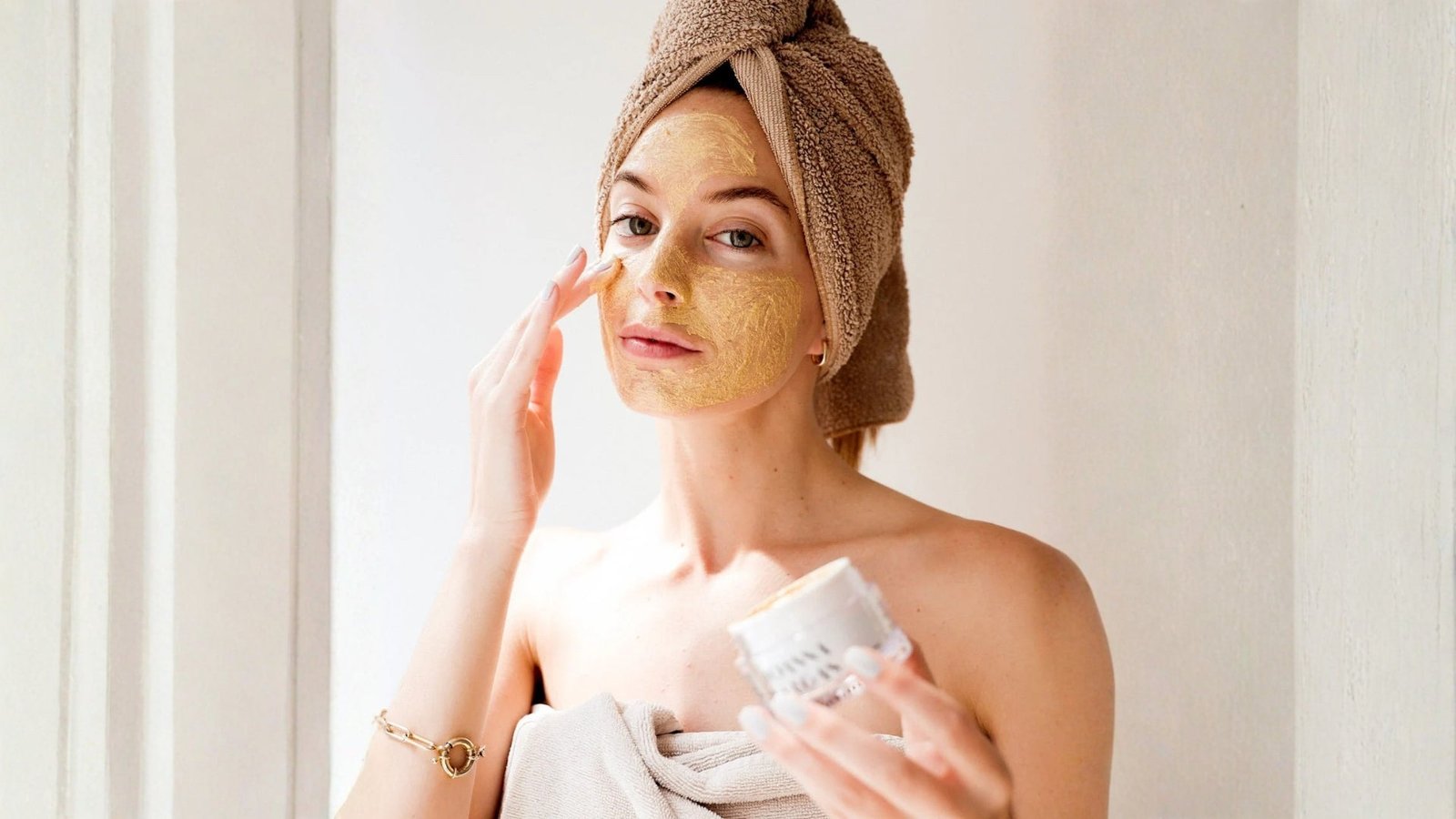
A face peeling mask it can be the difference between skin that looks dull and skin that looks smooth, fresh and “clear” in the mirror. When done right, it improves texture, clears build-up and makes your skincare work better. When you get it wrong, it leaves you tight, red, and wondering why your skin suddenly looks worse.
This guide breaks down what really makes an exfoliating face mask work, how to choose the right type for your skin, and how to use it in a way that gets results without irritation.
1. What does an exfoliating face mask actually do?
Your skin naturally sheds dead cells, but this process can slow down with stress, dehydration, harsh weather and age. When these dead cells accumulate, you get:
- dullness that does not improve with moisturizer
- rough texture and uneven surface
- clogged pores and more visible blackheads
- makeup that looks patchy or weird
- products that feel like they don’t absorb
A good one face peeling mask helps lift this build-up so skin looks smoother, clearer and more even.
2. The three main types of exfoliating face masks
Not all exfoliation is the same. Most exfoliating face masks fall into one of these categories.
A) Chemical peeling masks
These use acids or enzymes to dissolve dead skin cells instead of cleaning them away. They tend to give the smoothest, most even finish when used correctly.
Best for: dullness, uneven texture, visible pores, early signs of aging.
B) Clay-based masks with exfoliating support
These focus on eliminating oil and removing congestion, sometimes with mild exfoliating ingredients.
Best for: oily skin, blackheads, congestion, breakouts.
C) Natural exfoliation masks
These use particles or sand. Some are fine, but many are too rough and can cause minor irritations, especially if you scrub.
Best for: very resistant skin types that do not redden easily. If you are sensitive, skip this category.
3. How to choose the best exfoliating face mask for your skin
The “best options” are not uniform. The best exfoliating face mask is one that matches your skin’s tolerance level.
- If you are dry or sensitive: choose a gentle chemical peel mask and use it less often.
- If you are oily or congested: choose a clay-based mask that targets buildup and pores.
- If you’re dealing with texture and blur: opt for a chemical peel, but don’t stack it with other powerful actives on the same night.
Red flag: if an exfoliating face mask burns or leaves your skin hot and red for hours, it’s too strong for you right now.
4. How to use an exfoliating face mask (the way it works)
Most people over exfoliate. They use too much, leave it on too long or combine it with other active ingredients and then blame the mask. Here is the method that works:
- Start with clean skin: cleanse first so the mask works on the skin, not building up.
- Apply a thin, even layer: thick does not mean better.
- Follow the schedule: don’t push it “a little more”.
- Rinse gently: no rubbing, no rubbing with a cloth if you are sensitive.
- Moisturize immediately after: your barrier needs support after exfoliation.
Best time to use it: at night. Your skin can recover while you sleep and reduce the chance of sensitivity during the day.

5. How often should you use an exfoliating face mask?
The frequency depends on your skin and the strength of the mask:
- Sensitive or dry skin: once a week
- Normal or combination skin: once or twice a week
- Oily or congested skin: twice a week (sometimes three, if you can handle it)
If your skin starts to feel tight, stingy, or looks red, reduce the frequency immediately. Over-exfoliating is one of the fastest ways to trigger breakouts and make the texture look worse.
6. What to avoid on the same night
To get the best results from one face peeling maskavoid stacking it with:
- powerful retinol
- other peeling acids
- scrubs or cleaning brushes
- strong vitamin C formulas if you are sensitive
Simple rule: exfoliate and then soothe. So your skin improves without becoming inflamed.
7. The aftercare that makes your glow last
After an exfoliating face mask, keep your routine clean and supportive:
- moisturizing serum (optional)
- moisturizing
- sunscreen the next morning
Sunscreen is important because freshly exfoliated skin is more vulnerable to UV radiation, and UV radiation is what turns small problems into persistent pigmentation.

Final thoughts
The best face peeling mask it’s what you can use consistently without irritation. Choose the right category for your skin, follow a sensible schedule and then support your barrier. This way you get a smoother texture and brighter skin without triggering the cycle of excessive exfoliation.
