Close Menu
Healthtost
  • News
  • Mental Health
  • Men’s Health
  • Women’s Health
  • Skin Care
  • Sexual Health
  • Pregnancy
  • Nutrition
  • Fitness
  • Recommended Essentials
What's Hot

Why You’re Not Losing Weight After 35 (Even When You Eat Less)

April 28, 2026

Detailed images reveal DNA repair mechanism in cancer-related proteins

April 28, 2026

Trauma patients recover faster when medical teams know each other well, new study finds

April 28, 2026
Facebook X (Twitter) Instagram
  • About Us
  • Contact Us
  • Privacy Policy
  • Terms and Conditions
  • Disclaimer
Facebook X (Twitter) Instagram
Healthtost
SUBSCRIBE
  • News

    Detailed images reveal DNA repair mechanism in cancer-related proteins

    April 28, 2026

    Scientists uncover protein switch that activates leptospirosis infectivity

    April 27, 2026

    Scientists map 239 human-infecting RNA viruses to monitor future epidemic risks

    April 27, 2026

    Experts debate the benefits and costs of robotic lung transplants

    April 26, 2026

    Study finds different types of crystalloid fluids equally effective for pediatric sepsis

    April 26, 2026
  • Mental Health

    What animal studies teach us about toxic work environments

    April 27, 2026

    I hate hope: How to manage hope when you have treatment-resistant bipolar disorder

    April 19, 2026

    Rose Byrne is raw, magnetic and unfiltered as a woman in crisis

    April 18, 2026

    Can a single mother change her child’s surname in India?

    April 16, 2026

    Is it anxiety or OCD? 2 psychology experts explain the difference

    April 14, 2026
  • Men’s Health

    Trauma patients recover faster when medical teams know each other well, new study finds

    April 28, 2026

    I did red light therapy for 3 months so I shouldn’t have

    April 27, 2026

    Sex Secrets for Men Over 40: Surviving Male Menopause

    April 27, 2026

    45-Minute No-Equipment Home Workout (Full Body)

    April 23, 2026

    Study finds many UK adults want to avoid ultra-processed foods but can’t clearly define them

    April 21, 2026
  • Women’s Health

    Do tampons break the hymen? Facts, Myths and What You Need to Know – Vuvatech

    April 27, 2026

    Why 24-hour gut support is essential in a probiotic | The Wellness Blog

    April 27, 2026

    Yeong Kim (Rian) – The Structural Elegance of Intellect and Honor

    April 25, 2026

    I felt ashamed of my dad’s illness

    April 25, 2026

    What are the different stages of puberty?

    April 24, 2026
  • Skin Care

    Is your moisturizing face mist really drying out your skin?

    April 28, 2026

    Uses and Benefits of TNW Natural Aloe Vera Face Gel – The Natural Wash

    April 27, 2026

    Our strongest retina serum yet – Tropic Skincare

    April 27, 2026

    What it is and how to do it right – Lifeline Skin Care

    April 21, 2026

    Best Face Mask Set: What to Use for Your Skin Goals

    April 21, 2026
  • Sexual Health

    Your favorite mold is lying to you (a little) — Sexual Health Alliance

    April 28, 2026

    How accurate are herpes blood tests?

    April 22, 2026

    Understanding the Asexual Spectrum — Sexual Health Alliance

    April 21, 2026

    The importance of sex and intimacy in the elderly

    April 18, 2026

    Judicial reform is the only real way out of today’s political hell

    April 15, 2026
  • Pregnancy

    Midwifery and Life – The postnatal health check New mums don’t know they can ask for

    April 28, 2026

    Epidural and unmedicated delivery with two different deliveries

    April 26, 2026

    Researchers identify new genetic links to Hyperemesis Gravidarum

    April 25, 2026

    Loss of Appetite During Pregnancy: A Third Trimester Guide

    April 24, 2026

    Cameron Rodgers wants you to know you’re not the only one Googling “WTF is going on in my body” at 2 a.m.

    April 22, 2026
  • Nutrition

    Why You’re Not Losing Weight After 35 (Even When You Eat Less)

    April 28, 2026

    Where to eat in London

    April 27, 2026

    Dr. Will Cole on Why Hire FDN Professionals

    April 26, 2026

    Doing the work in the face of fear

    April 25, 2026

    Can the “dark shower” reduce stress and improve sleep?

    April 24, 2026
  • Fitness

    Can a 10-minute workout really change your health?

    April 27, 2026

    4.24 Friday Faves – The Fitnessista

    April 25, 2026

    The workout we forgot (it’s time to bring it back 💪 )

    April 24, 2026

    Cardio or weightlifting? – Tony Gentilcore

    April 24, 2026

    7 super healthy ways to take care of yourself

    April 23, 2026
  • Recommended Essentials
Healthtost
Home»Sexual Health»Why STD screening is a health issue — Alliance for Sexual Health
Sexual Health

Why STD screening is a health issue — Alliance for Sexual Health

healthtostBy healthtostNovember 18, 2025No Comments5 Mins Read
Facebook Twitter Pinterest LinkedIn Tumblr Reddit WhatsApp Email
Why Std Screening Is A Health Issue — Alliance For
Share
Facebook Twitter LinkedIn Pinterest WhatsApp Email

No, you can’t get chlamydia from a koala. But getting tested for chlamydia and other sexually transmitted infections (STIs) can help protect not only yourself and your community, but the planet itself. Let’s unpack how.

If you caught this season of his Island of Loveyou may remember a contestant confidently claiming that humans can get chlamydia from koalas. While both species are affected by Chlamydia bacteria, carry separate strains – there is no cross-species transmission. However, this viral moment offers a surprisingly useful teaching tool for sexual health professionals: it highlights how deeply interconnected human, animal and environmental health really are.

Chlamydia: Common, often silent and persistent

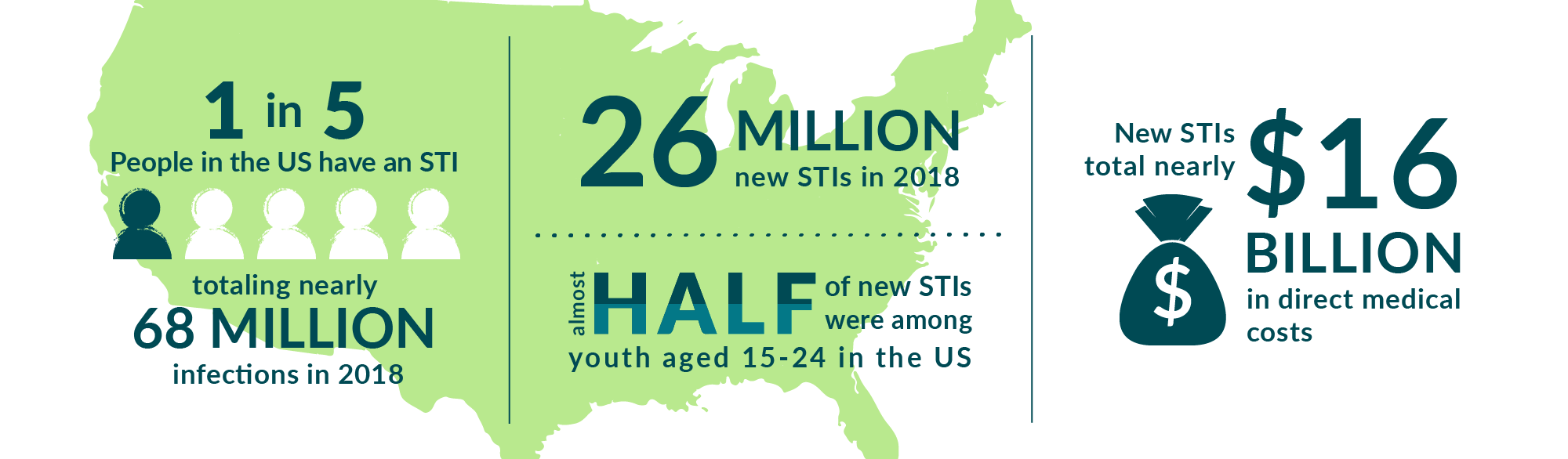
Chlamydia is the most common diagnosed STDs in the world. Within the US only, about 1.5 million cases were diagnosed last yearaccounting for about 2 out of every 3 STD cases. And this is only the tip of the iceberg.

Because most infections are asymptomatic, many people do not realize they have chlamydia, meaning the true number of infections is estimated to be almost double from what is mentioned. they count young people aged 15-24 about half of all new infectionsbut as we know, anyone who is sexually active is at risk.

Testing remains one of the most effective prevention tools. By encouraging regular STD testing, we can break chains of transmission, initiate early treatment, and prevention of long-term health consequences.

Potential long-term health effects include:

  • Pelvic inflammatory disease (PID): For those with uteruses, PID can cause hospitalization, chronic pelvic pain, and infertility.

  • Pregnancy complications: Chlamydia can lead to premature labor and can be transmitted to newborns during delivery.

  • Infertility: Infections can cause damage to the fallopian tubes or uterus, and in people with testicles, can affect sperm health.

  • Epididymitis: Infection and inflammation of the epididymis, which can spread to the testicles and cause pain or swelling.

  • Increased risk of acquiring HIV: Chlamydia infection can increase susceptibility to HIV and other STIs.

  • Reactive arthritis: A rare but documented complication that can affect the joints, eyes and urinary system.

For providers, reinforcing the message that “testing is care” helps normalize prevention and reduces stigma – two critical steps in closing the gap between infection and intervention.

When healthcare meets climate care and STD testing

This is where the One Health connection comes in An approach to health it brings people, animals and the environment under one common goal – keeping everyone healthy. It recognizes that the well-being of people, animals, plants and ecosystems are interrelated and that protecting one person ultimately protects them all.

Globally, the health sector accounts for approx 5% of greenhouse gas emissions. Early detection and treatment reduces complications, specialist visits and medical waste. In contrast, untreated infections often require more intensive care, causing higher costs and greater environmental impact.

Only in the US are new STDs coming to an end $16 billion in direct medical costs annually – a reminder that prevention is not just a personal or public health investment, but an environmental one.

The growing threat of antimicrobial resistance (AMR)

Gonorrhea, in particular, has become increasingly resistant to almost all available antibiotics. This is an example of antimicrobial resistance (AMR), which has now been designated an urgent global health threat by the World Health Organization.

And now more attention is being paid to chlamydia. Reports of drug resistance have emerged, including a recent study that reported 1 in 10 chlamydia infections fail azithromycin treatment.

For our sexual health professionals, this highlights the importance of preventive interventions. Every infection prevented is one less opportunity for resistant strains to emerge, protecting not only future patients but our shared ecosystems. AMR does not respect species boundaries. it can circulate in humans, animals and the environment, threatening wildlife and biodiversity.

Vaccines on the Horizon: Lessons from Koalas

Koalas, too, are in the midst of a chlamydia crisis. Their infections cause blindness, sterility and contribute to population decline. In response, Australia recently launched one Chlamydia vaccination campaign for koalaswhich he has shown promising protection.

Human vaccine research is also progressing. Several gonorrhea vaccine candidates are in clinical trials, and some evidence suggests that existing meningococcal B vaccines may offer partial cross-protection.

A new systematic review pooled research from several countries and found that, depending on the dose, the vaccine provided moderate protection against gonorrhea – between 23% and 47%. However, one study suggested that this protection may begin to wane around three years after vaccination.

Researchers are also investigating chlamydia vaccine options for humans. These scientific advances could transform STD prevention – shifting our field from reactive treatment to preventive immunity.

As sexual health professionals, staying current on vaccine research prepares us to answer people’s questions, build confidence in the vaccine, and integrate emerging prevention tools into models of care.

STI Testing: Common Challenges, Common Solutions

Whether it’s humans or koalas, the barriers to health are often surprisingly similar. For people, limited access to care, stigma and systemic inequities continue to make testing for STIs more difficult than it should be, a reality shaped by long shadow of reproductive injustice and lack of universal health care. And as policy changes, new challenges continue to emerge, affecting the kind of sexual health education and services people can actually access. For koalas, even well-intentioned relief efforts can sometimes upset delicate ecosystems, showing how interconnected these systems really are.

In both cases, early detection, surveillance and prevention remain key. When we support testing, counseling and reducing stigma in our own communities, we contribute to global efforts to reduce the burden of disease – across species and systems.

A call to health action for STD control

Encouraging STD testing doesn’t just protect individuals. strengthens communities, promotes health equity and supports planetary prosperity. As sexual health professionals, we are uniquely positioned to bridge these connections – to show that caring for sexual health is also caring for the health of our shared world.

So no, the test won’t directly save koalas. But it might just help protect everything we love – from our relationships to our ecosystems.

Alliance health issue screening sexual STD
bhanuprakash.cg
healthtost
  • Website

Related Posts

Your favorite mold is lying to you (a little) — Sexual Health Alliance

April 28, 2026

Midwifery and Life – The postnatal health check New mums don’t know they can ask for

April 28, 2026

Can a 10-minute workout really change your health?

April 27, 2026

Leave A Reply Cancel Reply

Don't Miss
Nutrition

Why You’re Not Losing Weight After 35 (Even When You Eat Less)

By healthtostApril 28, 20260

Not losing weight after 35 despite eating less and exercising? Learn why malnutrition, stress, and…

Detailed images reveal DNA repair mechanism in cancer-related proteins

April 28, 2026

Trauma patients recover faster when medical teams know each other well, new study finds

April 28, 2026

Is your moisturizing face mist really drying out your skin?

April 28, 2026
Stay In Touch
  • Facebook
  • Twitter
  • Pinterest
  • Instagram
  • YouTube
  • Vimeo
TAGS
Baby benefits body brain cancer care Day Diet disease exercise finds Fitness food Guide health healthy heart Improve Life Loss Men mental Natural Nutrition Patients Pregnancy protein research reveals risk routine sex sexual Skin Skincare study Therapy Tips Top Training Treatment ways weight women Workout
About Us
About Us

Welcome to HealthTost, your trusted source for breaking health news, expert insights, and wellness inspiration. At HealthTost, we are committed to delivering accurate, timely, and empowering information to help you make informed decisions about your health and well-being.

Latest Articles

Why You’re Not Losing Weight After 35 (Even When You Eat Less)

April 28, 2026

Detailed images reveal DNA repair mechanism in cancer-related proteins

April 28, 2026

Trauma patients recover faster when medical teams know each other well, new study finds

April 28, 2026
New Comments
    Facebook X (Twitter) Instagram Pinterest
    • About Us
    • Contact Us
    • Privacy Policy
    • Terms and Conditions
    • Disclaimer
    © 2026 HealthTost. All Rights Reserved.

    Type above and press Enter to search. Press Esc to cancel.