

Close Menu
Healthtost
  • News
  • Mental Health
  • Men’s Health
  • Women’s Health
  • Skin Care
  • Sexual Health
  • Pregnancy
  • Nutrition
  • Fitness
  • Recommended Essentials
What's Hot

Are you drinking enough water? 5 simple tips to stay hydrated

April 15, 2026

Personal and Professional considerations between generations

April 15, 2026

10 Mental Health Tips for Those Who Work From Home

April 14, 2026
Facebook X (Twitter) Instagram
  • About Us
  • Contact Us
  • Privacy Policy
  • Terms and Conditions
  • Disclaimer
Facebook X (Twitter) Instagram
Healthtost
SUBSCRIBE
  • News

    States change custody laws to keep children of immigrant detainees out of foster care

    April 14, 2026

    Study Warns of Teens’ Growing Dependence on AI Companions

    April 14, 2026

    Competition between brain circuits is key to intelligent behavior

    April 13, 2026

    Study reveals brain mechanisms behind urinary incontinence after stroke

    April 13, 2026

    Genetic variations may reduce the effectiveness of popular diabetes drugs

    April 12, 2026
  • Mental Health

    Is it anxiety or OCD? 2 psychology experts explain the difference

    April 14, 2026

    Understanding the different types of treatment: C…

    April 10, 2026

    How does Medicare’s new Mental Health Check In work? Is this low-intensity CBT likely to help?

    April 10, 2026

    the surprisingly common condition with a scary name

    April 6, 2026

    How yoga helps heal emotional wounds

    April 4, 2026
  • Men’s Health

    Vaping may increase risk of cognitive decline in young adults, study finds

    April 14, 2026

    Opinion: Prediction markets are betting against public health

    April 14, 2026

    A monk’s method for falling asleep fast

    April 13, 2026

    The Future of MenAlive: From Men’s Health to Relational Healing and Transformation

    April 13, 2026

    Traveling by plane with BPH

    April 9, 2026
  • Women’s Health

    Are you drinking enough water? 5 simple tips to stay hydrated

    April 15, 2026

    What is urea for dry skin?

    April 13, 2026

    Beyond fitness: Why exercise is vital to improving cardiovascular health

    April 12, 2026

    5 ways to put your health dollars to work this spring

    April 11, 2026

    “Fueling the Fight” — Nutrition during and after cancer treatment

    April 11, 2026
  • Skin Care

    Wait – can makeup really cause a reaction to gluten?

    April 14, 2026

    CoolSculpting Elite – SkinCare Physicians

    April 13, 2026

    Why Your Skin Barrier Is The Most Important Thing You’re Ignoring – Lifeline Skin Care

    April 12, 2026

    Spa Los Angeles: Best Services to Book for Real Results

    April 12, 2026

    Spring skincare: Why your skin needs more support, not less

    April 11, 2026
  • Sexual Health

    Personal and Professional considerations between generations

    April 15, 2026

    Can you get tested for herpes without an outbreak?

    April 14, 2026

    At the Intersection of Autism, LGBTQIA+ Identity and Kink — Sexual Health Alliance

    April 13, 2026

    Endometriosis procedures are reimbursed at lower rates, doctors say

    April 8, 2026

    Reflections two years later in a global context < SRHM

    April 8, 2026
  • Pregnancy

    Serious maternal complications affect nearly 3 per cent of pregnancies, Ontario study finds

    April 11, 2026

    Third Trimester Nutrition Guide for Indian Moms

    April 10, 2026

    How your partner can support a happier pregnancy

    April 9, 2026

    Exposure to plastic during pregnancy may be linked to more premature births than expected

    April 4, 2026

    How to relieve numbness and tingling in the legs in the third trimester?

    April 3, 2026
  • Nutrition

    High protein comfort food for women who are tired of salads

    April 14, 2026

    Blueberry Chia Pudding (Easy Breakfast!) • Kath Eats

    April 13, 2026

    Because cooling potatoes reduces their glycemic load

    April 12, 2026

    The mind-body connection of fertility

    April 12, 2026

    Greens that make you glow: The detox-hormone connection

    April 11, 2026
  • Fitness

    10 Mental Health Tips for Those Who Work From Home

    April 14, 2026

    7 shoulder exercises that keep your arms strong and pain-free after 40

    April 14, 2026

    Inside The OPEX Method Mentorship: A Coach’s POV with Dr David Skolnik (Week 1)

    April 12, 2026

    Active summer camps that build healthy lifelong habits in 6 US states

    April 12, 2026

    Bridging Clinical and Community Care

    April 10, 2026
  • Recommended Essentials
Healthtost
Home»Women's Health»What is menstrual blood made of?
Women's Health

What is menstrual blood made of?

healthtostBy healthtostJuly 27, 2024No Comments6 Mins Read
Facebook Twitter Pinterest LinkedIn Tumblr Reddit WhatsApp Email
What Is Menstrual Blood Made Of?
Share
Facebook Twitter LinkedIn Pinterest WhatsApp Email

Although almost half the population experiences them for a large part of their lives, periods are widely misunderstood.

This is largely due to a lack of research and education for the female body. At Intimina, we’re here to change that – one question at a time.

We enter the impasse of reproductive health – which brings us to the point. What actually comes out of the body during menstruation?

Time to find out!

Periods 101

Menstruation is the act of period. Whether you’ve just had your first period or you’ve had it for years, many people are still unclear about what’s going on in their bodies.

If you relate to this, it’s not your fault! It’s hard to find clear information about menstruation, and reproductive health education in schools doesn’t always answer the many questions we have.

What exactly is a period?

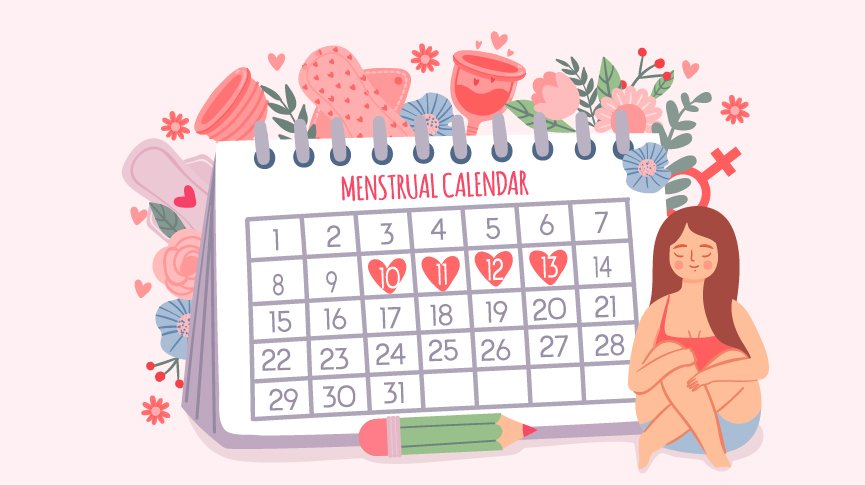
Your period is the typical monthly outpouring of blood and tissue from your uterus, coming out of your vagina. This is just one part of the menstrual cycle.

Your menstrual cycle actually lasts the entire month and includes everything from ovulation to your period. Here is a brief overview of it:

  • Menstrual phase: Your cycle essentially starts on the first day of your period. This usually takes three to five days.
  • Follicular phase: Your follicular phase overlaps with your menstrual phase (your period) and ends with ovulation.
  • Ovulation: Ovulation usually occurs about halfway through your cycle (day 14 for a 28-day cycle). Your body experiences a sudden surge of luteinizing hormone (LH) that causes your ovary to release an egg, also known as ovulation.
  • Yellow phase: After ovulation, you enter your luteal phase. During this time, the released egg (or eggs) travels from the ovary to your uterus through your fallopian tubes. Your luteal phase is also marked by increased levels of progesterone, which helps thicken the lining of the uterus in preparation for a possible pregnancy.

If you happen to become pregnant after ovulation, the fertilized egg implants by attaching itself to the wall of the uterus. If implantation doesn’t take place, your hormone levels start to drop and you get your period – starting the cycle all over again.

What comes out during menstruation?

We’ve established that menstruation is the shedding of blood and tissue, but what exactly comes out?

This won’t surprise you, but one of the main components of menstruation is, well, blood. Normal period blood can range from deep red to brown. If it is brown, this usually means that the blood has oxidized after staying a little longer in the uterus.

Another thing you will find in period blood is the lining of the endometrium. You may recognize the word endometrium from conversations around you endometriosis (or maybe you have this disorder yourself). The endometrium is the tissue that lines your uterus and can come out as clots – some Small clots are completely normal.

Bacteria are everywhere and inside us – including in your period blood. Your vagina gets wetter during your period and as we all know, bacteria love moisture. That’s why, like most things on this planet, you’ll find plenty of bacteria in your period.

One of the last things you’ll find in period blood is vaginal and cervical secretions. These secretions are largely made up of water and electrolytes and help keep your vaginal pH low (acidic), which in turn helps keep bacteria in check.

Things to watch out for

Now you know the main ingredients that make up menstruation, but that doesn’t necessarily tell you what is or isn’t normal. Knowing what to look for can help you determine if there are any questions or concerns you may want to address with your provider.

We already touched on period clots, some of which are normal, but when should you be concerned about them? Normal clots are usually rare and smaller than a quarter. You may want to talk to your provider if you pass many blood clots that are larger than a quart per menstrual cycle.

Large or frequent blood clots can be indicative of a hormonal imbalance, obstructions in the uterus or even a miscarriage.

Another important thing to watch out for is color of your period blood. We mentioned that normal period blood can range from red to brown, but watch out for any of these other colors:

  • Orange blood: Unless accompanied by other symptoms such as itching or a funny smell, orange blood is usually the result of blood mixing with cervical secretions.
  • Black or brown blood: This is usually harmless and usually just means that the blood took too long to leave your uterus, giving it more time to oxidize and darken.
  • Pink or pale red blood: It can be indicative of a hormonal imbalance or that you are in menopause. You may want to see a doctor if you have persistent blood of this color.
  • Gray blood: Gray period blood is definitely a sign to see your doctor as it could mean that there is an STD or that you are having a miscarriage. Remember that most STDs can be treated with antibiotics when caught early!

This gives you a pretty good idea of ​​what is or isn’t normal when it comes to period blood. You’ll also want to pay attention and watch for any other symptoms like heavy bleeding, pain, and mood changes – all important data to give your provider so you have a better idea of ​​what’s going on in your body!

Finding the right period products

Now that you’re up to speed on all things period – and what’s in your period blood – it’s time to find the best period products for you and your body.

Of course we are big fans of season cups. Another great thing about menstrual cups is that they allow you to examine exactly what your blood looks like so you can check for any abnormalities. We have a wide range of vintage cups to choose from such as Lily Cup One which is great for beginners or for Ziggy Cup 2designed for ultimate comfort.

Not sure which cup to get? Check out this guide and you’ll be on your way to your most comfortable period yet!

blood Menstrual
bhanuprakash.cg
healthtost
  • Website

Related Posts

Are you drinking enough water? 5 simple tips to stay hydrated

April 15, 2026

What is urea for dry skin?

April 13, 2026

Beyond fitness: Why exercise is vital to improving cardiovascular health

April 12, 2026

Leave A Reply Cancel Reply

Don't Miss
Women's Health

Are you drinking enough water? 5 simple tips to stay hydrated

By healthtostApril 15, 20260

Posted: October 24, 2011. Updated: March 2026: This article has been updated with updated hydration…

Personal and Professional considerations between generations

April 15, 2026

10 Mental Health Tips for Those Who Work From Home

April 14, 2026

States change custody laws to keep children of immigrant detainees out of foster care

April 14, 2026
Stay In Touch
  • Facebook
  • Twitter
  • Pinterest
  • Instagram
  • YouTube
  • Vimeo
TAGS
Baby benefits body brain cancer care Day Diet disease exercise finds Fitness food Guide health healthy heart Improve Life Loss Men mental Natural Nutrition Patients People Pregnancy research reveals risk routine sex sexual Skin Skincare study Therapy Tips Top Training Treatment ways weight women Workout
About Us
About Us

Welcome to HealthTost, your trusted source for breaking health news, expert insights, and wellness inspiration. At HealthTost, we are committed to delivering accurate, timely, and empowering information to help you make informed decisions about your health and well-being.

Latest Articles

Are you drinking enough water? 5 simple tips to stay hydrated

April 15, 2026

Personal and Professional considerations between generations

April 15, 2026

10 Mental Health Tips for Those Who Work From Home

April 14, 2026
New Comments
    Facebook X (Twitter) Instagram Pinterest
    • About Us
    • Contact Us
    • Privacy Policy
    • Terms and Conditions
    • Disclaimer
    © 2026 HealthTost. All Rights Reserved.

    Type above and press Enter to search. Press Esc to cancel.