

Close Menu
Healthtost
  • News
  • Mental Health
  • Men’s Health
  • Women’s Health
  • Skin Care
  • Sexual Health
  • Pregnancy
  • Nutrition
  • Fitness
  • Recommended Essentials
What's Hot

10 Mental Health Tips for Those Who Work From Home

April 14, 2026

States change custody laws to keep children of immigrant detainees out of foster care

April 14, 2026

Vaping may increase risk of cognitive decline in young adults, study finds

April 14, 2026
Facebook X (Twitter) Instagram
  • About Us
  • Contact Us
  • Privacy Policy
  • Terms and Conditions
  • Disclaimer
Facebook X (Twitter) Instagram
Healthtost
SUBSCRIBE
  • News

    States change custody laws to keep children of immigrant detainees out of foster care

    April 14, 2026

    Study Warns of Teens’ Growing Dependence on AI Companions

    April 14, 2026

    Competition between brain circuits is key to intelligent behavior

    April 13, 2026

    Study reveals brain mechanisms behind urinary incontinence after stroke

    April 13, 2026

    Genetic variations may reduce the effectiveness of popular diabetes drugs

    April 12, 2026
  • Mental Health

    Is it anxiety or OCD? 2 psychology experts explain the difference

    April 14, 2026

    Understanding the different types of treatment: C…

    April 10, 2026

    How does Medicare’s new Mental Health Check In work? Is this low-intensity CBT likely to help?

    April 10, 2026

    the surprisingly common condition with a scary name

    April 6, 2026

    How yoga helps heal emotional wounds

    April 4, 2026
  • Men’s Health

    Vaping may increase risk of cognitive decline in young adults, study finds

    April 14, 2026

    Opinion: Prediction markets are betting against public health

    April 14, 2026

    A monk’s method for falling asleep fast

    April 13, 2026

    The Future of MenAlive: From Men’s Health to Relational Healing and Transformation

    April 13, 2026

    Traveling by plane with BPH

    April 9, 2026
  • Women’s Health

    What is urea for dry skin?

    April 13, 2026

    Beyond fitness: Why exercise is vital to improving cardiovascular health

    April 12, 2026

    5 ways to put your health dollars to work this spring

    April 11, 2026

    “Fueling the Fight” — Nutrition during and after cancer treatment

    April 11, 2026

    Navigating the Void of Intimacy – Vuvatech

    April 10, 2026
  • Skin Care

    Wait – can makeup really cause a reaction to gluten?

    April 14, 2026

    CoolSculpting Elite – SkinCare Physicians

    April 13, 2026

    Why Your Skin Barrier Is The Most Important Thing You’re Ignoring – Lifeline Skin Care

    April 12, 2026

    Spa Los Angeles: Best Services to Book for Real Results

    April 12, 2026

    Spring skincare: Why your skin needs more support, not less

    April 11, 2026
  • Sexual Health

    Can you get tested for herpes without an outbreak?

    April 14, 2026

    At the Intersection of Autism, LGBTQIA+ Identity and Kink — Sexual Health Alliance

    April 13, 2026

    Endometriosis procedures are reimbursed at lower rates, doctors say

    April 8, 2026

    Reflections two years later in a global context < SRHM

    April 8, 2026

    Can exercise improve HIV symptoms?

    April 7, 2026
  • Pregnancy

    Serious maternal complications affect nearly 3 per cent of pregnancies, Ontario study finds

    April 11, 2026

    Third Trimester Nutrition Guide for Indian Moms

    April 10, 2026

    How your partner can support a happier pregnancy

    April 9, 2026

    Exposure to plastic during pregnancy may be linked to more premature births than expected

    April 4, 2026

    How to relieve numbness and tingling in the legs in the third trimester?

    April 3, 2026
  • Nutrition

    High protein comfort food for women who are tired of salads

    April 14, 2026

    Blueberry Chia Pudding (Easy Breakfast!) • Kath Eats

    April 13, 2026

    Because cooling potatoes reduces their glycemic load

    April 12, 2026

    The mind-body connection of fertility

    April 12, 2026

    Greens that make you glow: The detox-hormone connection

    April 11, 2026
  • Fitness

    10 Mental Health Tips for Those Who Work From Home

    April 14, 2026

    7 shoulder exercises that keep your arms strong and pain-free after 40

    April 14, 2026

    Inside The OPEX Method Mentorship: A Coach’s POV with Dr David Skolnik (Week 1)

    April 12, 2026

    Active summer camps that build healthy lifelong habits in 6 US states

    April 12, 2026

    Bridging Clinical and Community Care

    April 10, 2026
  • Recommended Essentials
Healthtost
Home»Nutrition»3 ways to get vitamin D in winter and why you need it
Nutrition

3 ways to get vitamin D in winter and why you need it

healthtostBy healthtostNovember 16, 2024No Comments5 Mins Read
Facebook Twitter Pinterest LinkedIn Tumblr Reddit WhatsApp Email
3 Ways To Get Vitamin D In Winter And Why
Share
Facebook Twitter LinkedIn Pinterest WhatsApp Email

As the temperatures cool, you’re probably ready to bust out your parkas and fluffy floor-length scarves to stay warm – or ready to just stay inside and avoid the winter weather altogether.

But bundling up in layers and spending less time outdoors can limit your sun exposure, leading to lower levels of vitamin D, which is produced when your skin absorbs UV rays from the sun.

About 40 percent of the US has a vitamin D deficiencyand is especially prevalent in the northern regions, where the winter months are the most brutal.

So here’s how you can make sure you’re getting enough vitamin D this winter.

Why is vitamin D important?

Vitamin D helps the body absorb calcium, which is essential for bone health. Vitamin D is also vital for nerve function and maintaining a healthy immune system.

So how can you tell if you’re getting enough vitamin D? Unfortunately, many people have no noticeable symptoms, which can make recognition difficult.

“You probably won’t feel it if you’re low in vitamin D,” says Andrea N. Giancoli, MPH, RD. “The best thing to do is get your blood checked regularly to see if you’re in the healthy range.”

This is important because vitamin D deficiency can negatively affect your health. has been linked to seasonal affective disorder (SAD), and research suggests it may also be associated with chronic illnesses such as cardiovascular disease.

And Vitamin D deficiency has been linked to increased mortality — though researchers are still working to determine a causal relationship between the two.

Extremely low levels of vitamin D can also affect bone density. “Vitamin D helps the body absorb calcium and works with calcium to keep our bones strong and healthy,” says Rachel Daniels, MS, RD, a registered dietitian at Virtual Health Partners. “Severe vitamin D deficiency can lead to soft bones and reduced bone density. This can increase the risk for pain, weakness and injury.”

How do we get vitamin D?

There are three ways to get vitamin D: the sun, food and supplements.

1. Sunlight

Sun exposure is the easiest way to get vitamin D, but how much time in the sun do you need to they synthesize enough vitamin D? The ideal range can be anywhere from five to 30 minutes, depending on several factors:

  • Time of day (midday sun is strongest)
  • Time
  • Location
  • Altitude
  • Age
  • Your skin pigmentation (darker skin needs more time in the sun to produce enough vitamin D)

There’s a problem: Sunscreen blocks the absorption of UV rays, which can interfere with vitamin D production.

“UVB rays need to hit your skin to synthesize vitamin D,” says Giancoli. “If you wear sunscreen all the time, you block the absorption of UVB rays – and therefore the ability to synthesize vitamin D.”

Of course, you know how important it is to wear sunscreen every day—even in the winter—because exposure to the sun’s UV rays increases your risk of skin cancer. So how do you strike a balance between getting enough sun to synthesize vitamin D, without damaging your skin?

“You want to get enough sun to synthesize vitamin D, but not so much that you increase your risk of sunburn or skin cancer,” Giancoli says. Her rule of thumb: Make sure you wear sunscreen before you notice any change in the color of your skin, whether it’s a tan or a burn.

2. Food

Although sun exposure is the best and most effective way for your body to get vitamin D, you can also get vitamin D from certain foods. The following foods are considered excellent sources:

Vitamin D does not occur naturally in many foods, so you may have noticed that milk, yogurt, orange juice and cereals are often fortified with it.

3. Supplements
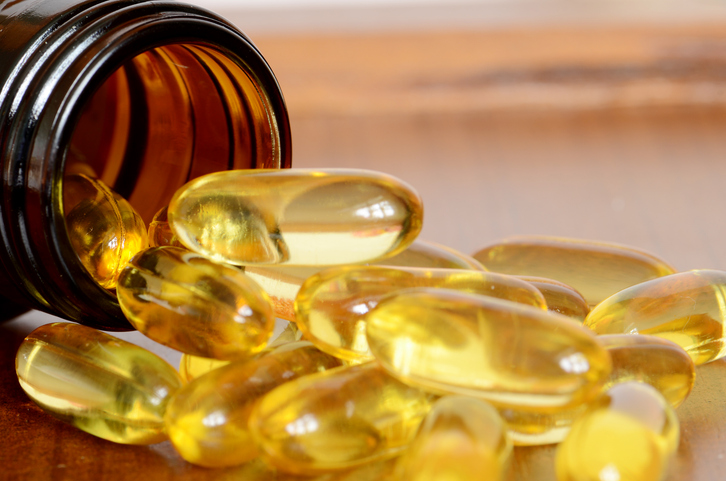
While a balanced diet can help you add more vitamin D to your diet, Daniels says, “you may not reach the Recommended Dietary Allowance of 600 international units (IU) per day this time of year without a supplement.”

If you don’t get much sunlight this time of year, you may want to consider taking vitamin D supplements – but talk to a doctor before doing so.

“More is not always better when it comes to supplements,” says Daniels. Your doctor can check your current vitamin D status with a blood test and recommend the appropriate supplement and dosage.

Can Light Therapy Increase Vitamin D Levels?

Light therapy is a common treatment for seasonal affective disorder. However, most of them phototherapy boxes (sometimes called “happy lights”) are designed to help you limit UV exposure to prevent skin damage — and that means they won’t raise your vitamin D levels. However, one study found that the UV rays from an artificial sun lamp — like the type used in tanning beds — could help improve vitamin D status.

However, the best and most effective way to increase your vitamin D levels is through exposure to natural sunlight. So while fortified foods, oily fish, and artificial sun lamps may help, your best bet is to face the cold for a few minutes each day and soak up some rays. And on those dreary days when the sun is nowhere to be seen, look into getting a supplement.

Vitamin ways winter
bhanuprakash.cg
healthtost
  • Website

Related Posts

High protein comfort food for women who are tired of salads

April 14, 2026

Blueberry Chia Pudding (Easy Breakfast!) • Kath Eats

April 13, 2026

Because cooling potatoes reduces their glycemic load

April 12, 2026

Leave A Reply Cancel Reply

Don't Miss
Fitness

10 Mental Health Tips for Those Who Work From Home

By healthtostApril 14, 20260

Working from home has become the new normal for many people due to the coronavirus…

States change custody laws to keep children of immigrant detainees out of foster care

April 14, 2026

Vaping may increase risk of cognitive decline in young adults, study finds

April 14, 2026

Wait – can makeup really cause a reaction to gluten?

April 14, 2026
Stay In Touch
  • Facebook
  • Twitter
  • Pinterest
  • Instagram
  • YouTube
  • Vimeo
TAGS
Baby benefits body brain cancer care Day Diet disease exercise finds Fitness food Guide health healthy heart Improve Life Loss Men mental Natural Nutrition Patients People Pregnancy research reveals risk routine sex sexual Skin Skincare study Therapy Tips Top Training Treatment ways weight women Workout
About Us
About Us

Welcome to HealthTost, your trusted source for breaking health news, expert insights, and wellness inspiration. At HealthTost, we are committed to delivering accurate, timely, and empowering information to help you make informed decisions about your health and well-being.

Latest Articles

10 Mental Health Tips for Those Who Work From Home

April 14, 2026

States change custody laws to keep children of immigrant detainees out of foster care

April 14, 2026

Vaping may increase risk of cognitive decline in young adults, study finds

April 14, 2026
New Comments
    Facebook X (Twitter) Instagram Pinterest
    • About Us
    • Contact Us
    • Privacy Policy
    • Terms and Conditions
    • Disclaimer
    © 2026 HealthTost. All Rights Reserved.

    Type above and press Enter to search. Press Esc to cancel.