

Close Menu
Healthtost
  • News
  • Mental Health
  • Men’s Health
  • Women’s Health
  • Skin Care
  • Sexual Health
  • Pregnancy
  • Nutrition
  • Fitness
  • Recommended Essentials
What's Hot

5-ingredient skillet dinner recipe

February 26, 2026

Inside the OPEX Method Week 5: Anaerobic training, “pain” and when it really makes sense

February 26, 2026

New Mandarin cognitive tests improve dementia diagnosis in Chinese elderly

February 26, 2026
Facebook X (Twitter) Instagram
  • About Us
  • Contact Us
  • Privacy Policy
  • Terms and Conditions
  • Disclaimer
Facebook X (Twitter) Instagram
Healthtost
SUBSCRIBE
  • News

    New Mandarin cognitive tests improve dementia diagnosis in Chinese elderly

    February 26, 2026

    Identification of the key catalyst for muscle energy production

    February 26, 2026

    Superagers show greater neuron growth linked to strong memory

    February 25, 2026

    SolasCure completes Phase II clinical trial, demonstrating accelerated healing with Aurase Wound Gel

    February 25, 2026

    ChatGPT Health fails critical emergency and suicide safety tests

    February 24, 2026
  • Mental Health

    Self-Care Guided Journal For Moms

    February 26, 2026

    Forgiveness isn’t always easy, but studies show it can help you flourish

    February 24, 2026

    50 Inspirational Ways to Navigate Your Life by Susie Hall

    February 22, 2026

    What is medication therapy?

    February 17, 2026

    Why do I have “butterflies in my stomach”?

    February 15, 2026
  • Men’s Health

    40 Minute Lower Body Workout: A leg muscle building session

    February 26, 2026

    Colonoscopy and FIT at age 60 catch colon cancer earlier

    February 24, 2026

    The risk of death due to pregnancy is greatly underestimated

    February 24, 2026

    Can mobile apps change the way we eat?

    February 18, 2026

    Tiny particles, big impact: Toward less invasive brain stimulation

    February 18, 2026
  • Women’s Health

    The connection between mental health and heart health

    February 25, 2026

    Which SPF 50 formula is for you?

    February 23, 2026

    Take the step to enhance your recovery with contrast therapy

    February 22, 2026

    Who can be called a “professional”? Student Loan Policy and the Future of Black Women in Nursing

    February 21, 2026

    Don’t Get Caught in a ‘Web’ of Misinformation – Dos and Don’ts of Doing Your Diagnostic Research Online

    February 21, 2026
  • Skin Care

    The Pharmacist’s Guide to Reversing Cellular

    February 26, 2026

    Sudoku skin care device ⭐️

    February 26, 2026

    Exosome Facelift Facial in NYC: The Advanced Skin Renewal Treatment at

    February 24, 2026

    Say goodbye to Frizz with Banana & Repair Ran – The Natural Wash

    February 23, 2026

    Tropic Ambassadors | Susie Ma

    February 23, 2026
  • Sexual Health

    New type of Mpox diagnosed in England

    February 25, 2026

    Jesse Jackson opened the doors for black women in politics

    February 22, 2026

    Female Genital Mutilation in Africa: Politics of Criminalization

    February 21, 2026

    The alarming rise in bowel cancer rates in young people

    February 21, 2026

    Lessons from retail expert Nicole Leinbach Hoffman — Sexual Health Alliance

    February 20, 2026
  • Pregnancy

    Management of abdominal problems during pregnancy

    February 26, 2026

    10 Ways Second Trimester Moms Can Easily Prepare Your Home

    February 25, 2026

    Mumma Bear: Supporting families with love, innovation and care

    February 24, 2026

    Labor and Delivery Schedule: Dreading Birth?

    February 23, 2026

    Why Chromosomally Normal Embryos Still Fail to Implant: New IVF Research Explains

    February 21, 2026
  • Nutrition

    5-ingredient skillet dinner recipe

    February 26, 2026

    Slow Cooker Gochujang Chicken Sandwich (Mild and Family Friendly)

    February 26, 2026

    Purified vs. Reconstructed Water – Which is Better?

    February 25, 2026

    Top nutrients and vitamins for skin health (supported by nutrition)

    February 23, 2026

    5 Walking Routines to Lose Body Fat and Burn More Calories

    February 22, 2026
  • Fitness

    Inside the OPEX Method Week 5: Anaerobic training, “pain” and when it really makes sense

    February 26, 2026

    Exercise, prevention and modern therapy for healthy circulation

    February 26, 2026

    Creatine for Women Over 50: My Honest Review

    February 25, 2026

    Are We Just *Modern Zoo Animals*? The Ancestral Mismatch (Part 3) – Ben Greenfield Life

    February 24, 2026

    Adding Meditation to Daily Life

    February 24, 2026
  • Recommended Essentials
Healthtost
Home»Mental Health»Smartphone data may not reliably predict depression risk in different groups
Mental Health

Smartphone data may not reliably predict depression risk in different groups

healthtostBy healthtostAugust 26, 2024No Comments4 Mins Read
Facebook Twitter Pinterest LinkedIn Tumblr Reddit WhatsApp Email
Smartphone Data May Not Reliably Predict Depression Risk In Different
Share
Facebook Twitter LinkedIn Pinterest WhatsApp Email

August 21, 2024
• Research Highlights

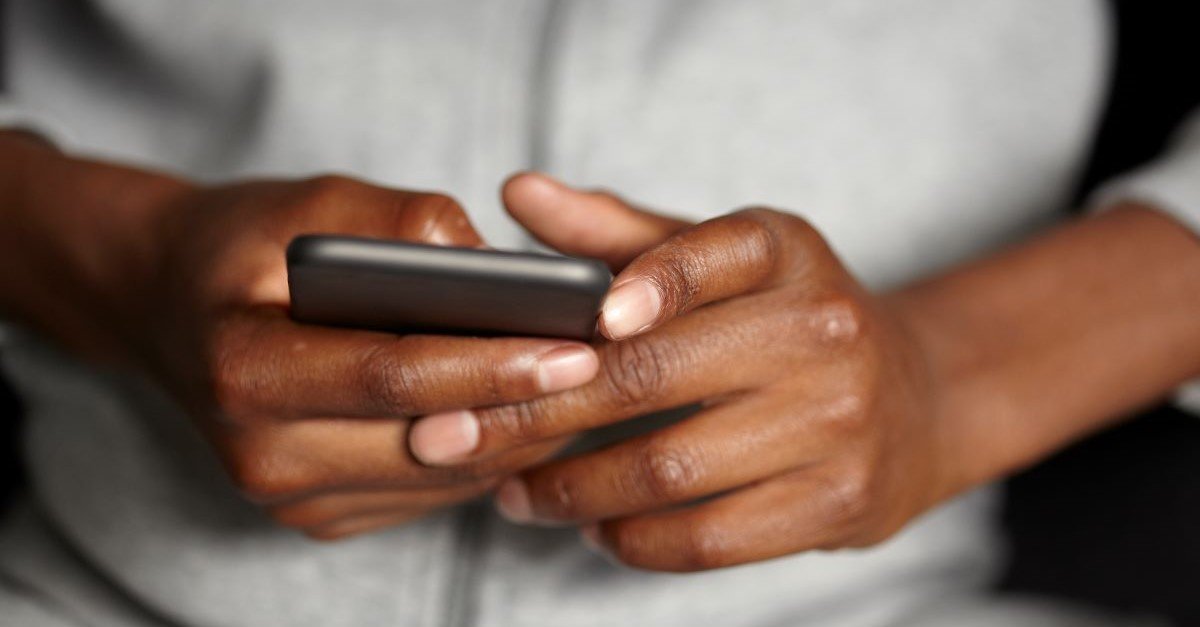
Smart watches, smartphones, and other wearable devices are transforming the way we track our physical health and behavior. Researchers are also investigating whether these devices could provide insights into our mental health, with the aim of developing AI tools that can help identify when people need mental health support or professional care. However, research supported by the National Institute of Mental Health suggests that AI tools based on smartphone data may struggle to accurately predict clinical outcomes such as depression in large and diverse groups of people.

What did the researchers do?

Lead author Daniel Adler of Cornell University and colleagues from Northwestern University Feinberg School of Medicine, Weill Cornell Medicine and Michigan Medicine analyzed behavioral data from 650 people, which was collected via their smartphones. While the study was larger and more diverse than previous studies, participants were mostly female, white, middle- to high-income, and between the ages of 25 and 54.

Smartphone data included behavioral measures related to mobility, phone use, and sleep. Participants also completed the PHQ-8, a standard self-report measure of depressive symptoms.

Building on recent studies, the researchers developed artificial intelligence models that analyzed the smartphone data to create a depression risk score for each participant, indicating the likelihood of clinically significant depression. The researchers then assessed the reliability of the models by identifying age, race, gender, and socioeconomic subgroups for which the model’s predictions were less accurate.

What did the researchers find?

Overall, the best-performing AI model was shown to be only moderately accurate at predicting who had clinically significant depression (as measured by the PHQ-8). While the model identified some patterns, it consistently underperformed for certain groups of people. For example, the researchers found that the model was biased toward identifying people at higher risk for depression if they were older, female, black or African-American, low-income, unemployed, or disabled. On the other hand, the model was skewed toward identifying people who had a lower risk of depression if they were younger, male, white, high-income, insured, or employed.

To better understand these results, the researchers looked at how the AI ​​model correlated different behaviors with depression risk.

For example, the AI ​​model predicted that higher phone use in the morning was generally associated with a lower risk of depression. However, when the researchers examined the data, they found that this association did not hold across all age subgroups. While higher morning phone use was associated with a lower risk of depression for young adults (ages 18 to 25), it was associated with a higher risk for older adults (ages 65 to 74).

The AI ​​tool also predicted that measures of increased mobility, as captured by GPS, were generally associated with a lower risk of depression. However, the underlying data showed that these associations did not hold across all income-related subgroups. For people who came from low-income households, who were disabled, and who were uninsured, greater mobility was associated with a higher risk of depression.

What do the findings mean?

The findings highlight the challenges of using AI models based on smartphone data to predict mental health outcomes in a large, diverse group of people. When associations between people’s behavioral patterns and their mental health outcomes vary across demographic groups, AI models may be more likely to make incorrect predictions for some of these groups, leading to skewed results.

According to the researchers, the results highlight the importance of developing AI tools using data from people whose behavioral patterns are similar to those of the target population. One way to increase the effectiveness of AI models may be to develop predictive models that focus on smaller, more targeted populations.

The researchers note that their study focused on associations between behaviors and depression risk across individuals. It is possible that personalized models—models based on behavioral data from an individual over time—may be able to more accurately predict individual depression risk.

Reference

Adler, DA, Stamatis, CA, Meyerhoff, J., Mohr, DC, Wang, F., Aranovich, GJ, Sen, S., & Choudhury, T. (2024). Measuring algorithmic bias to analyze the reliability of artificial intelligence tools predicting depression risk using smartphone aesthetic behavior data. npj Mental Health Research, 3(17). https://doi.org/10.1038/s44184-024-00057-y

Grants

MH111610 , MH128640 , MH115882

Data depression groups predict reliably risk smartphone
bhanuprakash.cg
healthtost
  • Website

Related Posts

Self-Care Guided Journal For Moms

February 26, 2026

Forgiveness isn’t always easy, but studies show it can help you flourish

February 24, 2026

The risk of death due to pregnancy is greatly underestimated

February 24, 2026

Leave A Reply Cancel Reply

Don't Miss
Nutrition

5-ingredient skillet dinner recipe

By healthtostFebruary 26, 20260

Make dinner fast with the 5-Ingredient Dinner Pan Recipe: choose a meat, seasonings, vegetables, sauce…

Inside the OPEX Method Week 5: Anaerobic training, “pain” and when it really makes sense

February 26, 2026

New Mandarin cognitive tests improve dementia diagnosis in Chinese elderly

February 26, 2026

Self-Care Guided Journal For Moms

February 26, 2026
Stay In Touch
  • Facebook
  • Twitter
  • Pinterest
  • Instagram
  • YouTube
  • Vimeo
TAGS
Baby benefits body brain cancer care Day Diet disease exercise finds Fitness food Guide health healthy heart Improve Life Loss Men mental Natural Nutrition Patients People Pregnancy protein research reveals risk routine sex sexual Skin study Therapy Tips Top Training Treatment ways weight women Workout
About Us
About Us

Welcome to HealthTost, your trusted source for breaking health news, expert insights, and wellness inspiration. At HealthTost, we are committed to delivering accurate, timely, and empowering information to help you make informed decisions about your health and well-being.

Latest Articles

5-ingredient skillet dinner recipe

February 26, 2026

Inside the OPEX Method Week 5: Anaerobic training, “pain” and when it really makes sense

February 26, 2026

New Mandarin cognitive tests improve dementia diagnosis in Chinese elderly

February 26, 2026
New Comments
    Facebook X (Twitter) Instagram Pinterest
    • About Us
    • Contact Us
    • Privacy Policy
    • Terms and Conditions
    • Disclaimer
    © 2026 HealthTost. All Rights Reserved.

    Type above and press Enter to search. Press Esc to cancel.