

Close Menu
Healthtost
  • News
  • Mental Health
  • Men’s Health
  • Women’s Health
  • Skin Care
  • Sexual Health
  • Pregnancy
  • Nutrition
  • Fitness
  • Recommended Essentials
What's Hot

Brain-Gut Health Initiative supports AI-assisted diagnosis of psychiatric disorders

April 25, 2026

Yeong Kim (Rian) – The Structural Elegance of Intellect and Honor

April 25, 2026

Researchers identify new genetic links to Hyperemesis Gravidarum

April 25, 2026
Facebook X (Twitter) Instagram
  • About Us
  • Contact Us
  • Privacy Policy
  • Terms and Conditions
  • Disclaimer
Facebook X (Twitter) Instagram
Healthtost
SUBSCRIBE
  • News

    Brain-Gut Health Initiative supports AI-assisted diagnosis of psychiatric disorders

    April 25, 2026

    Researchers uncover new mechanism linking metabolism, immunity and skeletal health

    April 25, 2026

    Genetic research identifies rare DNA changes that cause common heart valve damage

    April 24, 2026

    Air quality in infancy may fundamentally shape long-term immune development

    April 24, 2026

    The endoscopic procedure may prevent weight regain after stopping GLP-1

    April 23, 2026
  • Mental Health

    I hate hope: How to manage hope when you have treatment-resistant bipolar disorder

    April 19, 2026

    Rose Byrne is raw, magnetic and unfiltered as a woman in crisis

    April 18, 2026

    Can a single mother change her child’s surname in India?

    April 16, 2026

    Is it anxiety or OCD? 2 psychology experts explain the difference

    April 14, 2026

    Understanding the different types of treatment: C…

    April 10, 2026
  • Men’s Health

    45-Minute No-Equipment Home Workout (Full Body)

    April 23, 2026

    Study finds many UK adults want to avoid ultra-processed foods but can’t clearly define them

    April 21, 2026

    How can you get the best sleep?

    April 21, 2026

    The Crazy Hard Standards of the Hardest PE Program in History

    April 20, 2026

    Becoming revolutionaries in our time: Calling men to change the world for good

    April 20, 2026
  • Women’s Health

    Yeong Kim (Rian) – The Structural Elegance of Intellect and Honor

    April 25, 2026

    I felt ashamed of my dad’s illness

    April 25, 2026

    What are the different stages of puberty?

    April 24, 2026

    Understanding Hot Flashes – HealthyWomen

    April 24, 2026

    Because you are still inflamed

    April 22, 2026
  • Skin Care

    What it is and how to do it right – Lifeline Skin Care

    April 21, 2026

    Best Face Mask Set: What to Use for Your Skin Goals

    April 21, 2026

    Earth Day Activities: A Fun Guide to Plogging and More

    April 20, 2026

    Calm & Correct: The 4-in-1 color correcting treatment

    April 19, 2026

    How to Get Glowing Skin: Beauty Guide

    April 17, 2026
  • Sexual Health

    How accurate are herpes blood tests?

    April 22, 2026

    Understanding the Asexual Spectrum — Sexual Health Alliance

    April 21, 2026

    The importance of sex and intimacy in the elderly

    April 18, 2026

    Judicial reform is the only real way out of today’s political hell

    April 15, 2026

    Personal and Professional considerations between generations

    April 15, 2026
  • Pregnancy

    Researchers identify new genetic links to Hyperemesis Gravidarum

    April 25, 2026

    Loss of Appetite During Pregnancy: A Third Trimester Guide

    April 24, 2026

    Cameron Rodgers wants you to know you’re not the only one Googling “WTF is going on in my body” at 2 a.m.

    April 22, 2026

    A gentle space to navigate the becoming of motherhood

    April 21, 2026

    Transfer to birth center C-section, birth center VBAC and Surprise Footling Breech Transfer to home

    April 18, 2026
  • Nutrition

    Doing the work in the face of fear

    April 25, 2026

    Can the “dark shower” reduce stress and improve sleep?

    April 24, 2026

    High Fiber Smoothie Recipe • Kath Eats

    April 23, 2026

    Which potato is the most nutritious?

    April 22, 2026

    What Really Works (and What Doesn’t)

    April 22, 2026
  • Fitness

    4.24 Friday Faves – The Fitnessista

    April 25, 2026

    The workout we forgot (it’s time to bring it back 💪 )

    April 24, 2026

    Cardio or weightlifting? – Tony Gentilcore

    April 24, 2026

    7 super healthy ways to take care of yourself

    April 23, 2026

    Wake up with these symptoms? Your health may be at risk

    April 23, 2026
  • Recommended Essentials
Healthtost
Home»News»Nocturnal exercise improves glucose control in overweight adults
News

Nocturnal exercise improves glucose control in overweight adults

healthtostBy healthtostJune 20, 2024No Comments4 Mins Read
Facebook Twitter Pinterest LinkedIn Tumblr Reddit WhatsApp Email
Nocturnal Exercise Improves Glucose Control In Overweight Adults
Share
Facebook Twitter LinkedIn Pinterest WhatsApp Email

A recent study published in Portliness investigates differences in the timing of moderate-to-vigorous physical activity (MVPA) and its impact on blood glucose levels and metabolic function in sedentary overweight and obese adults.

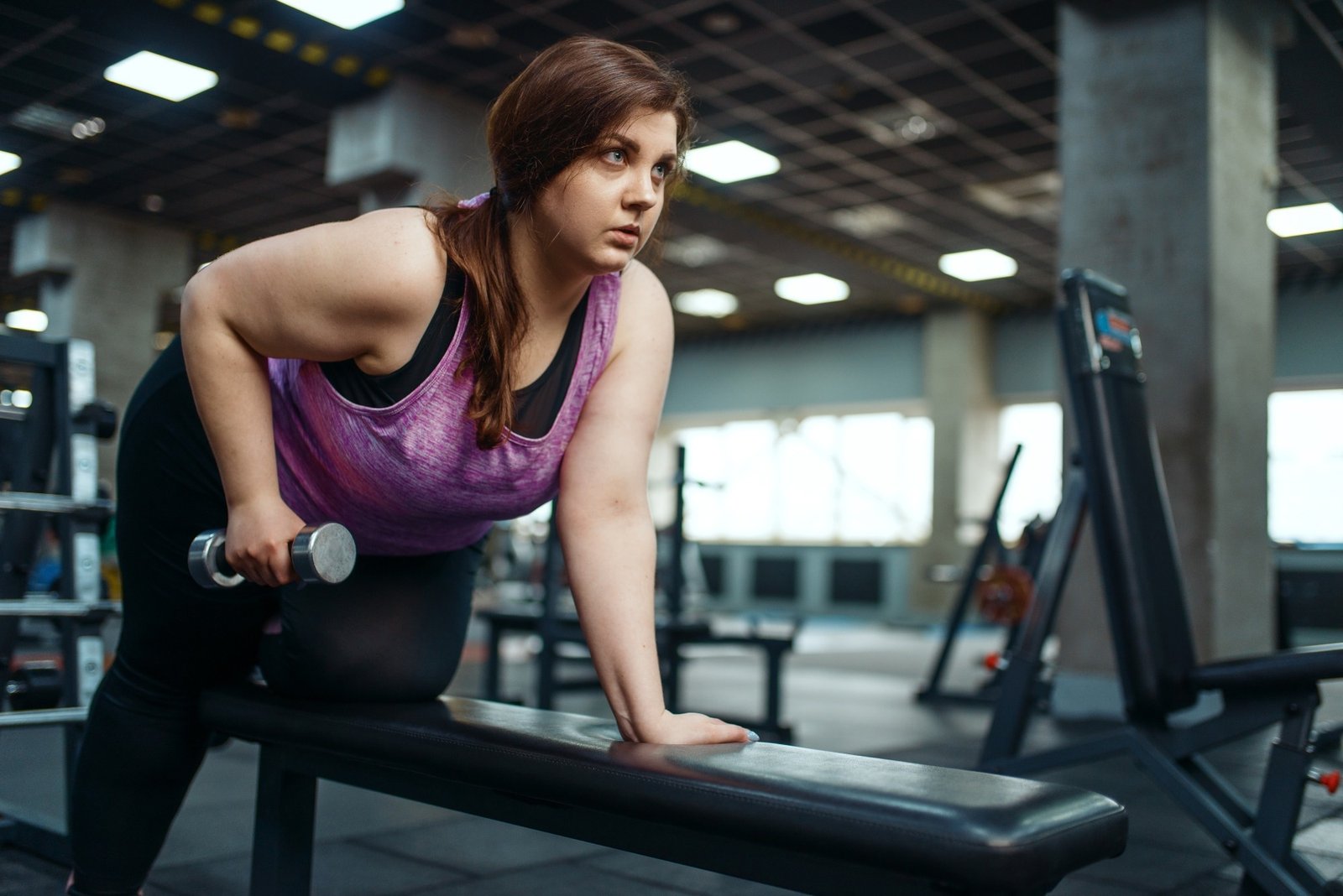
Study: Effect of timing of moderate-to-vigorous lifestyle physical activity on glycemic control in sedentary adults with overweight/obese and metabolic disorders. Image credit: Nomad_soul / Shutterstock.com

How does time of day affect glucose levels?

Obese individuals are more likely to develop impaired glucose tolerance, insulin resistance, and type 2 diabetes mellitus. Weight reduction through dietary management and physical activity (PA) is often recommended to improve glycemic control in obese individuals.

MVPA is effective in glucose homeostasis among subjects who are obese or overweight. However, the optimal timing of MVPA remains unclear.

Physiological processes are regulated by circadian rhythms. Therefore, blood glucose levels fluctuate throughout the day. Skeletal muscle is primarily responsible for removing glucose from the blood, and reduced uptake by muscle cells in the afternoon and evening contributes to elevated blood sugar levels during these hours.

Thus, MVPA later in the day could improve glucose homeostasis. This has been shown in previous studies looking at nocturnal glucose and glycated hemoglobin (HbA1c) levels.

Previous studies have often focused on lifestyle physical activity (PA) in association with nocturnal and diurnal glucose levels, mainly during fasting and without considering time. This was the motivation for the current study, in which MVPA time as part of daily life was assessed in relation to glucose levels.

What did the study show?

The current study included 186 adults with a mean age of 46.8 years. Both men and women were equally represented. All study participants were either obese or overweight, with an average body mass index (BMI) of 32.9.

The 14-day study period was classified as inactive days or days when participants were somewhat active, active, or very active based on World Health Organization (WHO) guidelines for physical activity. Activity was monitored using accelerometers, while glucose levels were recorded by continuous glucose monitors.

Activity time was recorded as morning, afternoon, or evening PA, which reflected activity performed between 6:00 A.M. and 12:00 p.m., 12:00-6:00 p.m. and 6:00 p.m. to 12:00 am respectively. Mixed MVPA reflected PA without clear timing.

Mixed MVPA accounted for more PA than any other timing group. Average MVPA was 24 minutes per day.

Some activity was associated with lower blood glucose levels, including 24-hour, daytime or nighttime compared to being inactive. Specifically, mean 24-hour glucose levels were 1.0 and 1.5 mg/dL lower on somewhat and very active days, respectively, compared to inactive days. Similarly, nocturnal glucose levels decreased by 1.5, 1.6, and 1.7 mg/dL on somewhat active, active, and very active days, respectively.

Lower daytime, nighttime, and 24-hour blood glucose levels were reduced when MVPA was performed more frequently between 6 p.m. and midnight. Morning and mixed MVPA patterns were not associated with changes in blood glucose levels.

Both 24-hour and nocturnal blood glucose levels were lower with the evening exercise compared to the inactive group. Overall, increased daily MVPA was associated with lower 24-h and nocturnal glucose levels.

These improvements were particularly notable among both male and female participants with impaired glucose regulation. Additionally, 150-300 minutes of MVPA each week results in improved blood glucose control compared to inactivity.

These findings highlight the promising area of ​​MVPA timing as a novel approach to improve metabolic health in individuals at risk of developing cardiovascular disease.”

conclusions

Study findings suggest that accumulation of MVPA primarily during the evening hours is associated with better stabilization of blood glucose levels among obese and overweight sedentary adults with reduced metabolism. Thus, both the optimal volume and timing of daily activity are critical to maintaining glucose control.

These findings are consistent with previous studies that observed reduced insulin resistance among adults with a high BMI who were more active in the afternoon or evening compared to mixed or morning activity.

Mechanisms responsible for this association may include an increase in the efficiency of glucose uptake in skeletal muscle during a period when it is low, along with insulin sensitivity. In addition, nocturnal RA may upregulate circadian genes in skeletal muscle that are key to metabolic processes. Exercise can also increase translocation of glucose transporter type 4 (GLUT-4).

Even among people with diabetes, evening exercise may enhance glycemic control compared with morning exercise, which increases cortisol levels and subsequently causes hyperglycemia. In more active individuals, the observed effects could be greater.

Future research is needed to investigate these patterns in older adults and diabetic individuals, who have the greatest need for euglycemic interventions.

Journal Reference:

  • Clavero-Jimeno, A., Dote-Montero, M., Migueles, JH, et al. (2024). Effect of timing of moderate-to-vigorous lifestyle physical activity on glycemic control in sedentary adults with overweight/obese and metabolic disorders. Portliness. doi:10.1002/oby.24063.
adults control exercise glucose improves Nocturnal overweight
bhanuprakash.cg
healthtost
  • Website

Related Posts

Brain-Gut Health Initiative supports AI-assisted diagnosis of psychiatric disorders

April 25, 2026

Researchers uncover new mechanism linking metabolism, immunity and skeletal health

April 25, 2026

Genetic research identifies rare DNA changes that cause common heart valve damage

April 24, 2026

Leave A Reply Cancel Reply

Don't Miss
News

Brain-Gut Health Initiative supports AI-assisted diagnosis of psychiatric disorders

By healthtostApril 25, 20260

Psychiatric disorders affect millions worldwide, but their diagnosis is still based on clinical observation rather…

Yeong Kim (Rian) – The Structural Elegance of Intellect and Honor

April 25, 2026

Researchers identify new genetic links to Hyperemesis Gravidarum

April 25, 2026

Doing the work in the face of fear

April 25, 2026
Stay In Touch
  • Facebook
  • Twitter
  • Pinterest
  • Instagram
  • YouTube
  • Vimeo
TAGS
Baby benefits body brain cancer care Day Diet disease exercise finds Fitness food Guide health healthy heart Improve Life Loss Men mental Natural Nutrition Patients Pregnancy research reveals risk routine sex sexual Skin Skincare study Therapy Tips Top Training Treatment Understanding ways weight women Workout
About Us
About Us

Welcome to HealthTost, your trusted source for breaking health news, expert insights, and wellness inspiration. At HealthTost, we are committed to delivering accurate, timely, and empowering information to help you make informed decisions about your health and well-being.

Latest Articles

Brain-Gut Health Initiative supports AI-assisted diagnosis of psychiatric disorders

April 25, 2026

Yeong Kim (Rian) – The Structural Elegance of Intellect and Honor

April 25, 2026

Researchers identify new genetic links to Hyperemesis Gravidarum

April 25, 2026
New Comments
    Facebook X (Twitter) Instagram Pinterest
    • About Us
    • Contact Us
    • Privacy Policy
    • Terms and Conditions
    • Disclaimer
    © 2026 HealthTost. All Rights Reserved.

    Type above and press Enter to search. Press Esc to cancel.