

Close Menu
Healthtost
  • News
  • Mental Health
  • Men’s Health
  • Women’s Health
  • Skin Care
  • Sexual Health
  • Pregnancy
  • Nutrition
  • Fitness
  • Recommended Essentials
What's Hot

A new trial investigates whether the MIND diet can be scaled up to manage obesity

December 15, 2025

5 Unusual Self-Compassion Practices

December 15, 2025

Huge genetics study shows what really divides and unites 14 psychiatric disorders

December 15, 2025
Facebook X (Twitter) Instagram
  • About Us
  • Contact Us
  • Privacy Policy
  • Terms and Conditions
  • Disclaimer
Facebook X (Twitter) Instagram
Healthtost
SUBSCRIBE
  • News

    A new trial investigates whether the MIND diet can be scaled up to manage obesity

    December 15, 2025

    Indoor environments are exposing people to an increasing mix of new pollutants

    December 14, 2025

    Hypertrophic chondrocytes play a key role in bone growth and repair

    December 14, 2025

    Researchers are developing powerful tools to advance microbiome research

    December 13, 2025

    Etomidate is shown to be safer than ketamine for emergency intubations

    December 13, 2025
  • Mental Health

    5 Unusual Self-Compassion Practices

    December 15, 2025

    What the research says about Sober Living

    December 10, 2025

    Coping with Holiday Grief​ — Talkspace

    December 1, 2025

    6 Vitamins and Supplements to Help Seasonal Depression — Talkspace

    November 26, 2025

    Florida residents’ stress linked to social media use and varies by age, new study finds

    November 24, 2025
  • Men’s Health

    Huge genetics study shows what really divides and unites 14 psychiatric disorders

    December 15, 2025

    The Safety Squat Bar: The middle-aged man’s secret weapon for leg strength

    December 14, 2025

    Prostate cancer and your gut Part 1: Good bacteria

    December 11, 2025

    Restless legs syndrome is linked to a higher risk of Parkinson’s disease

    December 7, 2025

    New ways to lower cholesterol

    December 7, 2025
  • Women’s Health

    Best body care routine for strawberry legs and rough skin

    December 15, 2025

    Become a Sleep Master to recharge on vacation

    December 14, 2025

    Comfort and Confidence Tips – Vuvatech

    December 11, 2025

    CrossFit and mental strength: Finding a balance

    December 10, 2025

    Inside the Mindset of a Champion: Celia Quansah

    December 9, 2025
  • Skin Care

    Diamond-Tip vs. Crystal Microdermabrasion | Brooklyn | Joanna Vargas

    December 13, 2025

    Oil vs. Water-Based Cleaners: Which Is Right for You?

    December 12, 2025

    How to get smooth feet by giving yourself a foot treatment

    December 10, 2025

    Why Minimalist Skincare is the Bes – OUMERE

    December 9, 2025

    Dermatologist tips for winter skin

    December 8, 2025
  • Sexual Health

    Building an African-led movement for safe abortion

    December 13, 2025

    I have an itchy anus. Could it be an STD?

    December 12, 2025

    What 40 Years of Research Can Teach Your Relationship — Alliance for Sexual Health

    December 11, 2025

    Theo’s story: about the Chinese community and getting PrEP in Australia

    December 9, 2025

    Anti-Abortion Pregnancy Centers Appeal to US Supreme Court Against New Jersey

    December 5, 2025
  • Pregnancy

    Maternity face: Safe skin care during pregnancy and breastfeeding

    December 14, 2025

    Bottle Refusal Fixes: A Guide for Breastfed Babies

    December 14, 2025

    How to strengthen pelvic floor prolapse

    December 13, 2025

    The Dirty Truth About Baby Products — And How To Choose Safer Ones – Podcast Ep 192

    December 12, 2025

    Excess weight during pregnancy: Facts you can’t ignore!

    December 9, 2025
  • Nutrition

    Chicken Fettuccine Alfredo | The Nutritionist Reviews

    December 13, 2025

    Apple Puff Pie – Mom to Mom Nutrition

    December 13, 2025

    Non-injectable ways to prevent wrinkles

    December 12, 2025

    How to increase your body’s natural “Ozempic”.

    December 11, 2025

    Healthy Vegan Persimmon Bread – Sharon Palmer, The Plant Powered Dietitian

    December 10, 2025
  • Fitness

    5 powerful ways to track your fitness progress without using a scale

    December 14, 2025

    Ben Greenfield Weekly Update: December 11th

    December 14, 2025

    Navigating the Holiday Season: 7 Simple Strategies

    December 13, 2025

    As an actor, Russell Thomas still trains like a college football star

    December 12, 2025

    Dumbbell Split Squat: Step-by-Step Form & Tips

    December 10, 2025
  • Recommended Essentials
Healthtost
Home»News»Nasal bacteria influence Staphylococcus aureus colonization
News

Nasal bacteria influence Staphylococcus aureus colonization

healthtostBy healthtostDecember 2, 2025No Comments5 Mins Read
Facebook Twitter Pinterest LinkedIn Tumblr Reddit WhatsApp Email
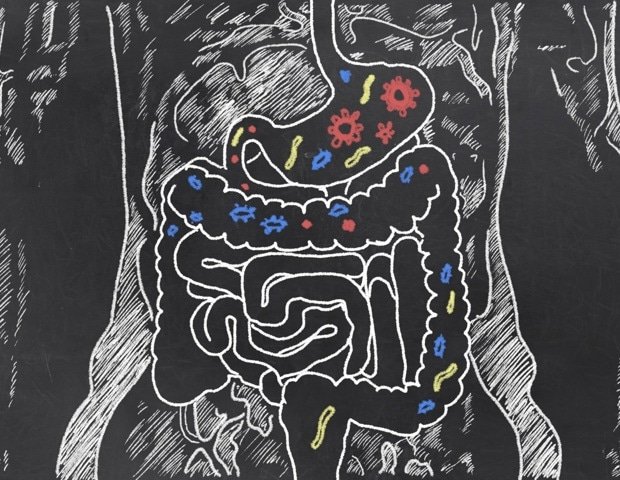
Nasal Bacteria Influence Staphylococcus Aureus Colonization
Share
Facebook Twitter LinkedIn Pinterest WhatsApp Email

People who carry persistently Staphylococcus aureus (S. aureus) in their noses have fewer types of other bacteria, and some bacteria may help prevent it S. aureus colonization.

These are the findings of the largest-ever study of the nasal microbiome, published today (December 2) in Nature communications.

In the study, researchers at the Wellcome Sanger Institute, the University of Cambridge, the University of Birmingham and Imperial College London analyzed nasal swabs from more than 1,000 healthy blood donors to explore the complex bacterial communities that live in the human nose.

The research sheds new light on how interactions between different bacterial species are key to understanding why some people are persistently colonized by S. aureus and also provides clinical insight to predict who may be most at risk S. aureus contamination.

S. aureus is a common bacteria that lives without symptoms in the nose of about 30 percent of people. It normally does not cause harm, but if it enters the body through wounds, cuts or surgical incisions it can cause serious infections. Infections from S. aureus it is the second most common cause of death associated with bacterial infections, after tuberculosis, causing approximately one million deaths annually. Certain strains, such as those resistant to methicillin S. aureus (MRSA), are resistant to common antibiotics, making infections more difficult to treat.

Historically, its carriers S. aureus have been classified into three groups: persistent carriers, intermittent carriers, and noncarriers. Persistent carriers are always positive for transfer S. aureus. An intermittent carrier is sometimes positive and non-carriers never show positive for carriage S. aureus.

Because S. aureus Carrying increases the risk of postoperative infections, hospitals often screen patients before procedures such as joint replacements, and may provide nasal treatments to reduce colonization. However, the nasal microbiome, unlike the gut microbiome, has not been studied in large populations, leaving much unknown about how S. aureus interacts with other nasal bacteria.

In a new study, researchers at the Sanger Institute and their colleagues tried to analyze a much larger group of people than in previous studies to fully understand how different bacteria can affect S. aureus colonization.

The study recruited volunteers from across England who had previously taken part in blood donation trials led by the University of Cambridge. The team collected three weekly nasal swabs from 1,100 healthy adults. Each sample was tested for S. aureus using standard laboratory culture techniques and DNA sequencing was performed to identify the full spectrum of bacterial species present in each nasal swab. The researchers used advanced statistical methods to uncover patterns in the nasal microbiome and determine whether S. aureus Transport could be predicted by the bacterial community.

The researchers found two key patterns in the microbiome. First, the team found that persistent carriers have a distinct microbiome with an abundance S. aureus and lack of other species in nasal samples.

Secondly, some bacteria such as e.g Staphylococcus epidermidis, Dolosigranulum pigrum, and Moraxella catarrhalis found to be less common in persistent carriers. The researchers suggest that these other species may help block it S. aureus colonization in noncarriers.

Using machine learning, the researchers were also able to predict who it persistently colonizes with S. aureus particularly well, offering a potential method for predicting infection risk.

Interestingly, the researchers also suggest that intermittent carriers are simply misclassified as persistent or non-carriers — the concept of intermittent carriage does not represent a true biological condition. They are likely to be non-carriers that have been exposed and received S. aureus for a short period of time.

This study highlights that interactions between different bacterial species are key to understanding why some people are persistently colonized by S. aureusputting them at greater risk of infection. The findings have important clinical implications. Identification of its carriers S. aureus could help predict the risk of infection and allow healthcare professionals to better target those who may benefit from preventive colonization treatments.

Researchers now want to build on that piece of the puzzle by looking at whether certain risk factors, such as medical conditions, gender, human genetics or other environmental exposures influence S. aureus transport.

“Persistent carriage of Staphylococcus aureus is a well-recognized risk factor for infection, particularly in hospital settings. By identifying bacterial profiles that protect against S. aureus colonization, our findings could inform new microbiome-based strategies to reduce infection risk without relying on antibiotics.“

–Dr. Dinesh Aggarwal, first author and Clinical Lecturer at Imperial College London

“This is the largest study to date of the bacteria that live in our noses and shows that Staphylococcus aureus doesn’t act alone – it’s part of a whole community. We found that certain bacterial neighbors can help keep staph out, offering exciting new directions for preventing infections using new methods.”

–Katie Bellis, co-author and scientist at the Wellcome Sanger Institute

“Everyone’s nose microbiome is unique, and this study shows that the bacteria that live there can have a big impact on our health. By studying thousands of samples, we can finally see the bigger picture of how our natural bacteria either help or prevent infection.”

-Dr. Ewan Harrison, senior author and team leader at the Wellcome Sanger Institute and the University of Cambridge

Source:

Wellcome Trust Sanger Institute

Journal Reference:

Aggarwal, D., et al. (2025). Large-scale characterization of the nasal microbiome redefines the colonization status of Staphylococcus aureus. Nature communications. doi: 10.1038/s41467-025-66564-4.

aureus bacteria colonization influence nasal Staphylococcus
bhanuprakash.cg
healthtost
  • Website

Related Posts

A new trial investigates whether the MIND diet can be scaled up to manage obesity

December 15, 2025

Indoor environments are exposing people to an increasing mix of new pollutants

December 14, 2025

Hypertrophic chondrocytes play a key role in bone growth and repair

December 14, 2025

Leave A Reply Cancel Reply

Don't Miss
News

A new trial investigates whether the MIND diet can be scaled up to manage obesity

By healthtostDecember 15, 20250

Researchers in Sweden are testing whether a brain-healthy MIND diet can realistically be adopted by…

5 Unusual Self-Compassion Practices

December 15, 2025

Huge genetics study shows what really divides and unites 14 psychiatric disorders

December 15, 2025

Best body care routine for strawberry legs and rough skin

December 15, 2025
Stay In Touch
  • Facebook
  • Twitter
  • Pinterest
  • Instagram
  • YouTube
  • Vimeo
TAGS
Baby benefits body brain cancer care Day Diet disease exercise finds Fitness food Guide health healthy heart Improve Life Loss Men mental Natural Nutrition Patients People Pregnancy protein research reveals risk routine sex sexual Skin study Therapy Tips Top Training Treatment ways weight women Workout
About Us
About Us

Welcome to HealthTost, your trusted source for breaking health news, expert insights, and wellness inspiration. At HealthTost, we are committed to delivering accurate, timely, and empowering information to help you make informed decisions about your health and well-being.

Latest Articles

A new trial investigates whether the MIND diet can be scaled up to manage obesity

December 15, 2025

5 Unusual Self-Compassion Practices

December 15, 2025

Huge genetics study shows what really divides and unites 14 psychiatric disorders

December 15, 2025
New Comments
    Facebook X (Twitter) Instagram Pinterest
    • About Us
    • Contact Us
    • Privacy Policy
    • Terms and Conditions
    • Disclaimer
    © 2025 HealthTost. All Rights Reserved.

    Type above and press Enter to search. Press Esc to cancel.